
10 Morning Habits That Can Ruin Your Day
The lesson outlines ten common morning habits that can negatively impact your day, emphasizing the importance of starting the morning on a positive note. Key recommendations include avoiding the snooze button, checking your phone, and consuming coffee immediately upon waking, while suggesting alternatives like drinking water, making your bed, and incorporating morning exercise. By making small adjustments to your morning routine, you can enhance your mood, productivity, and overall well-being throughout the day.
How Astronauts Make Oxygen in Space from Their Bodies

The lesson explores how astronauts on the International Space Station (ISS) manage essential resources for survival in space, focusing on the recycling of water, the extraction of oxygen, and the reliance on Earth for food supplies. It highlights innovative technologies, such as the Water Treatment System and electrolysis, that enable astronauts to recycle their waste and maintain a sustainable living environment. Additionally, the lesson discusses the challenges of space debris and the ISS’s role as a testing ground for future Mars missions, emphasizing the importance of scientific advancements in long-term space travel.
Why Trains Are So Expensive (Sometimes More Than Flights)

The lesson explains the reasons behind the high cost of train tickets compared to other modes of transportation, such as planes. It highlights the advantages of train travel, including convenience and environmental benefits, while also detailing the significant expenses associated with maintaining tracks, operating trains, and employing staff. Ultimately, the lesson emphasizes that the ticket prices reflect the various costs involved in providing a reliable and comfortable travel experience.
Only Animal Makes Great White Sharks Tremble in Fear
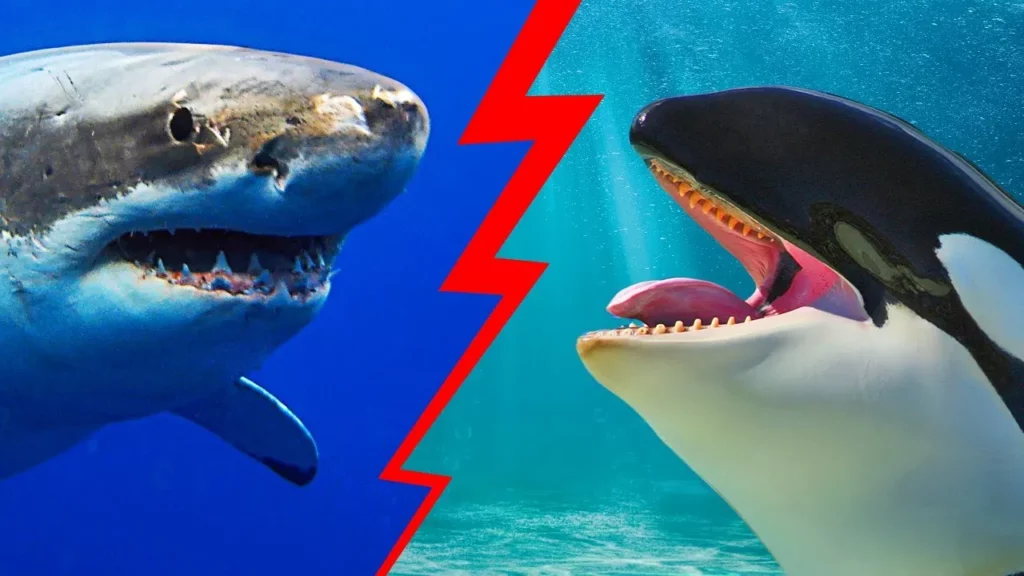
The lesson explores the dynamics between apex predators in various ecosystems, focusing on the rivalry between orcas and great white sharks. It highlights how orcas, despite being the largest dolphins, instill fear in great whites due to their intelligence, teamwork, and size, often driving them away from hunting grounds. Additionally, the lesson briefly discusses other top predators on land and in the sky, emphasizing the unique adaptations and hunting strategies that allow these animals to dominate their environments.
Once You Arrive at a Hotel, Put Your Bags in the Bathtub First
The lesson “Staying Smart in Hotels: Tips and Tricks” provides essential advice for ensuring a safe and comfortable hotel stay. Key points include checking for bed bugs upon arrival, being cautious with hotel linens and glassware, understanding potential hidden fees, and being aware of hotel practices regarding cleanliness and security. By following these tips, travelers can enhance their hotel experience and avoid common pitfalls.
When 12,000 People Needed Help, One Dog Was Their Only Chance

The lesson recounts the heroic “Great Serum Run of 1925,” where Dr. Curtis Welsh faced a diphtheria outbreak in Nome, Alaska, and organized a daring mission to deliver life-saving medicine via dog sled teams. Led by skilled mushers like Leonhard Seppala and his remarkable lead dog Togo, the teams braved extreme weather and treacherous conditions to transport the serum, ultimately saving the town. While Balto, another lead dog, gained fame for completing the final leg of the journey, Togo’s significant contributions were later recognized, highlighting the themes of courage, teamwork, and the importance of acknowledging all heroes.
20 Hidden Signs Tell You Someone Is Rich

The lesson on “Understanding the Habits of Wealthy People” highlights that true wealth is often characterized by a focus on privacy, health, and conscious spending rather than ostentation. Wealthy individuals prioritize their time, invest in quality over quantity, and maintain a healthy lifestyle, all while avoiding get-rich-quick schemes and impulsive purchases. By adopting these habits, anyone can improve their financial management and prioritize what truly matters in life.
If You See These Lights, You Have a Few Seconds to Hide
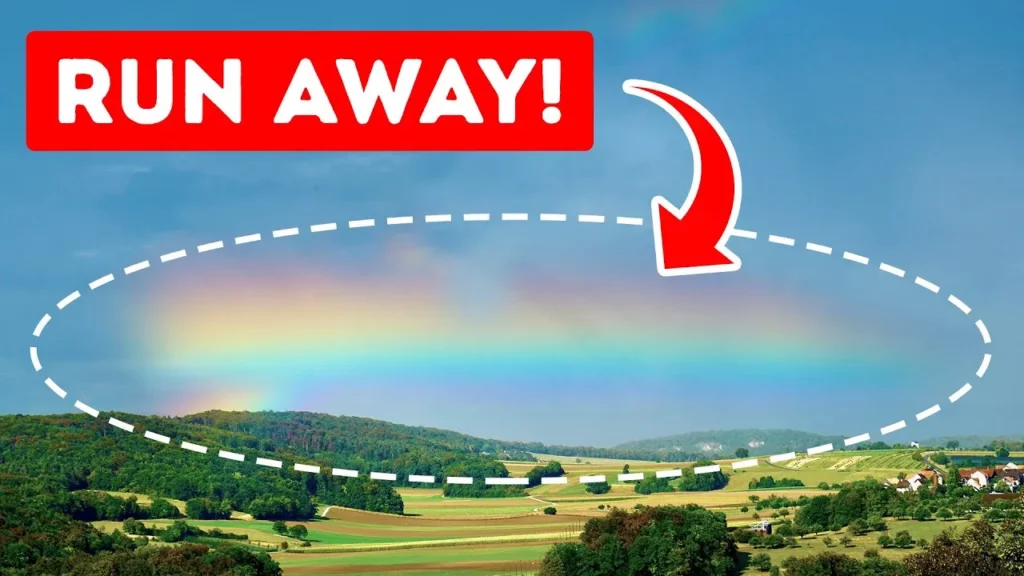
The lesson explores the phenomenon of earthquake lights (EQLs), which are mysterious lights observed before seismic events, as exemplified by a man’s experience in L’Aquila, Italy, in 2009. While historically dismissed as supernatural or illusory, scientific evidence has established a connection between these lights and earthquakes, with various theories suggesting they result from electrical charges released by stressed igneous rocks. The lesson emphasizes the importance of recognizing EQLs and being prepared for earthquakes, providing safety tips to help individuals protect themselves during such events.
What If All Shark Species Suddenly Disappeared
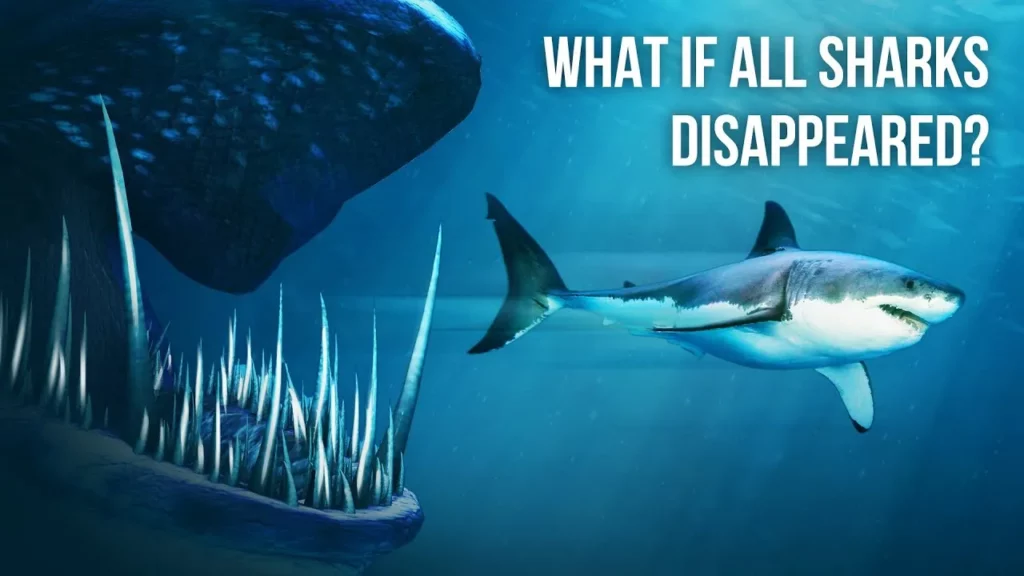
The lesson explores the fascinating world of sharks, highlighting their diverse species, unique features, and crucial role in maintaining ocean ecosystems as apex predators. It emphasizes the importance of sharks in balancing marine life and the potential environmental and economic consequences of their decline, while also dispelling common misconceptions about their danger to humans. Overall, the lesson encourages appreciation and protection of these remarkable creatures.
What Would Happen If Earth Started to Spin Backwards

The lesson explores the hypothetical scenario of Earth spinning in the opposite direction, detailing the immediate chaos that would ensue, including destruction from high winds and massive tsunamis. It also examines the long-term effects of such a change, including altered weather patterns, shifts in ocean currents, and potential impacts on Earth’s atmosphere and life forms. Ultimately, the lesson emphasizes the delicate balance that sustains life on our planet and the importance of environmental stewardship.