
Magic Tricks to Make Your Audience Go ‘Wow!’

In this lesson, kids learn how to perform a variety of simple and entertaining magic tricks that can be done at home to impress friends and family. The tricks, such as the Magic Sugar Cube and the Spoon Bending Trick, utilize everyday items and emphasize the importance of practice and maintaining the element of surprise to create a magical experience. By mastering these tricks, children can become the stars of their next gathering and enjoy the fun of performing magic.
Hurricane, Tornado, Cyclone – What’s the Difference?
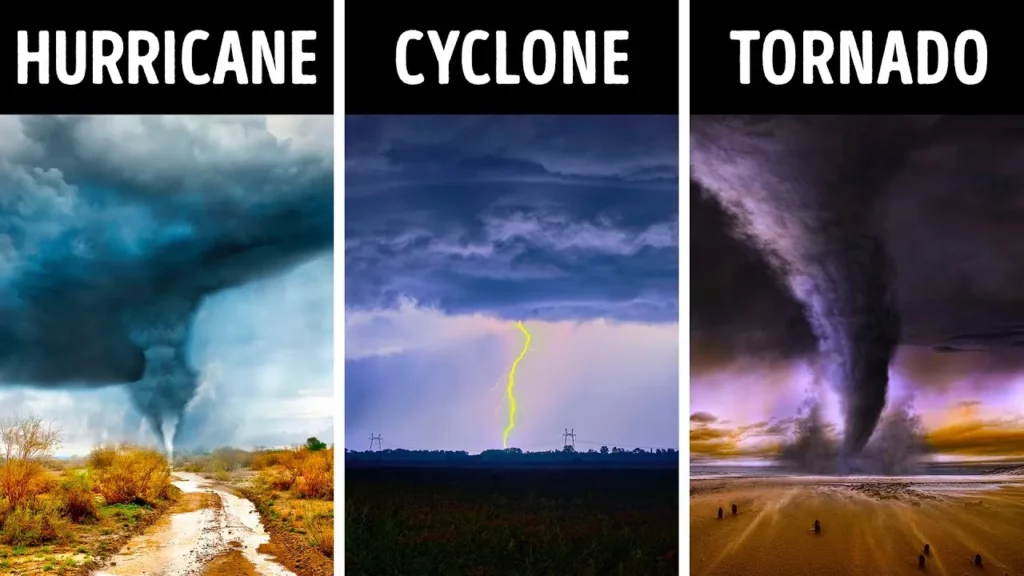
This lesson explains the differences between hurricanes, typhoons, and tornadoes, emphasizing that hurricanes and typhoons are both types of tropical cyclones distinguished by their location, while tornadoes are smaller, funnel-shaped storms that can form almost anywhere. It covers how these storms form, the characteristics of their “eyes,” the categories of hurricanes based on wind speed, and the naming conventions for cyclones. Overall, it provides a clear and engaging overview of these powerful weather phenomena.
Absolutely Genius Reason Why There Are No Mosquitoes at Disney World
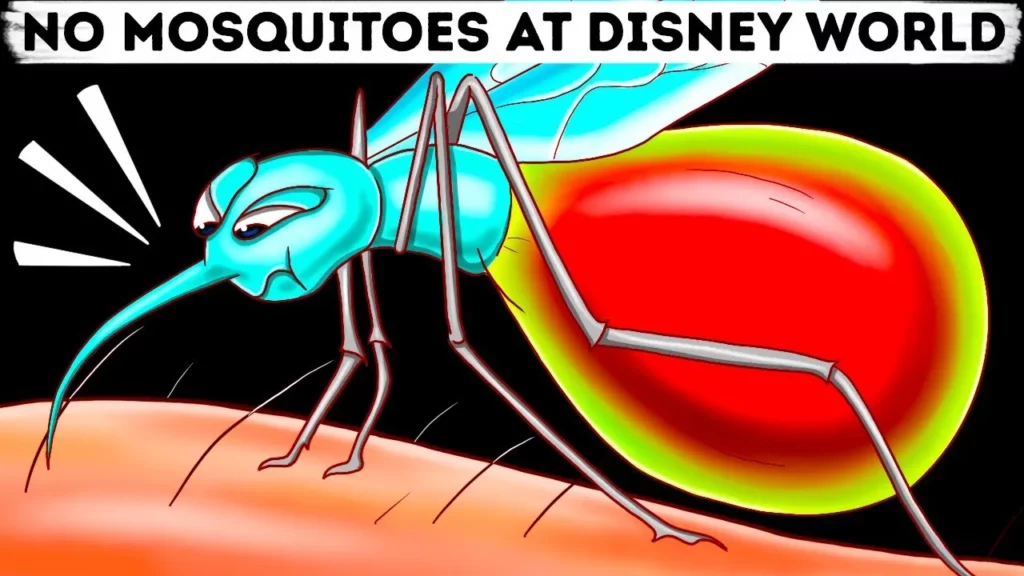
The lesson explains how Disney World effectively minimizes the presence of mosquitoes despite Florida’s high mosquito population. This is achieved through strategic land management, such as draining swamps and ensuring water flow, as well as careful plant selection and the use of natural repellents. Additionally, the park employs various clever design techniques and hidden features, like underground tunnels and exclusive clubs, to enhance the guest experience while maintaining the magic of the environment.
22 Mysterious Statues No One Can Explain
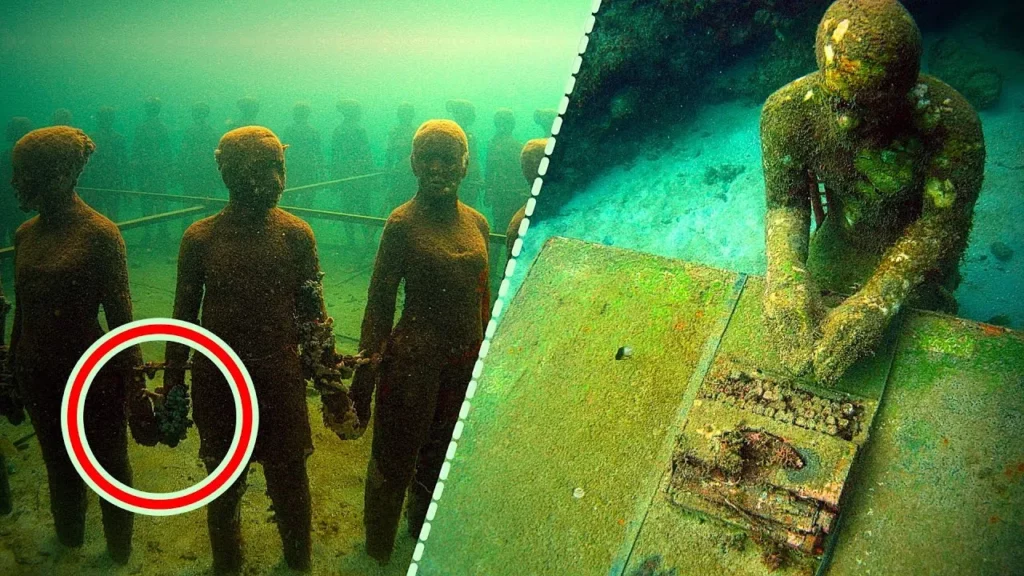
This lesson explores various mysterious monuments and structures around the world, highlighting their intriguing histories and the unanswered questions surrounding them. From the ancient stone spheres of Costa Rica to the enigmatic Nazca Lines in Peru and the underwater Yonaguni Monument in Japan, each site presents unique puzzles that continue to captivate scientists and adventurers alike. These mysteries not only spark curiosity but also invite us to ponder the lost civilizations and purposes behind these remarkable creations.
That’s Why Most Erasers Are Pink
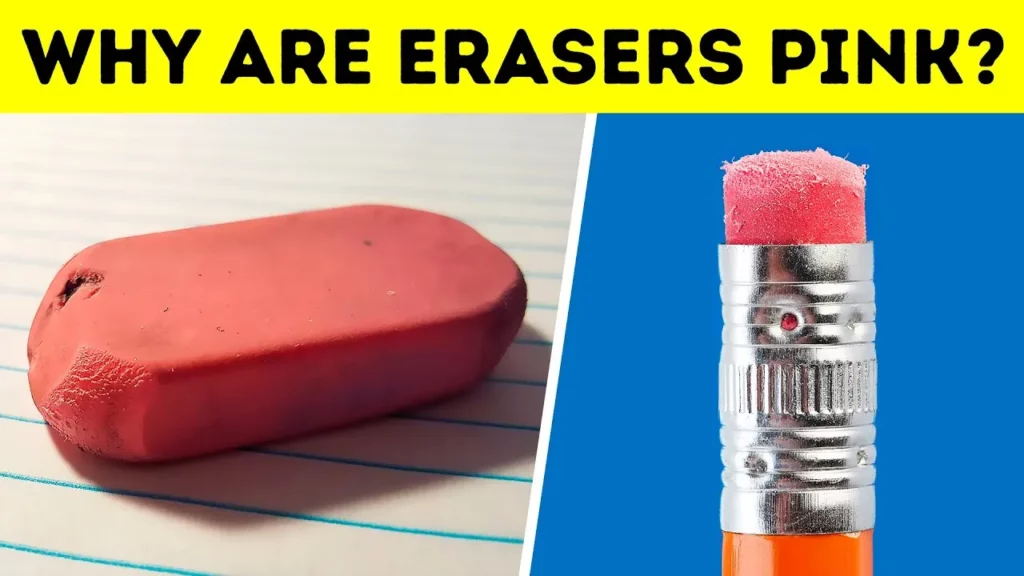
This lesson presents a collection of intriguing fun facts that explore the origins and purposes of everyday items, from shoelace aglets to barcode readers. Each fact highlights the surprising history or functionality behind familiar objects, encouraging curiosity and sharing of knowledge. By learning these tidbits, readers can brighten their day and engage in interesting conversations with others.
The Only 100% Winning Strategy for Rock, Paper, Scissors
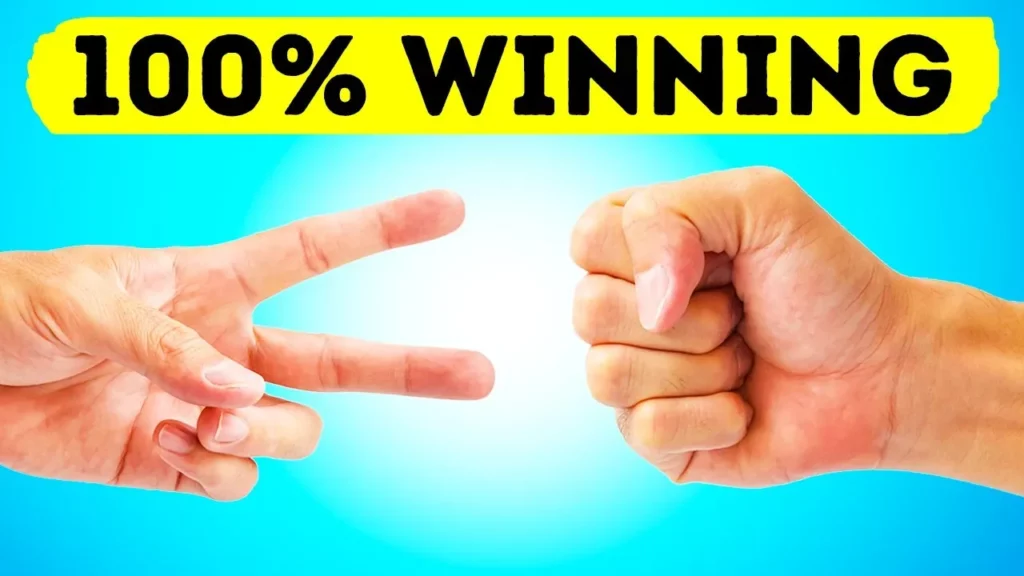
This lesson explores the history, strategies, and advanced tactics of the classic game rock, paper, scissors, highlighting its origins from the Han Dynasty to its global popularity today. It provides practical tips for improving gameplay, such as understanding human psychology and employing counter tactics, while also introducing fun variations from different cultures. With these insights, players can enhance their skills and enjoy the game in new and exciting ways.
20+ Riddles to Win a Detective Competition

The lesson features a series of engaging stories that revolve around themes of problem-solving, deception, and decision-making. Each narrative presents characters facing unique challenges, such as Ashton’s skydiving mishap, Amelia’s escape from zombies, and Detective Callum’s investigations, highlighting the importance of critical thinking and the consequences of honesty and lies. Through these tales, readers learn valuable lessons about making safe choices, recognizing the truth, and the significance of helping others.
Riddles (thumbnail Who’s not a barber?)

The lesson presents a series of intriguing mysteries and puzzles, each requiring critical thinking and observation to solve. From identifying a liar among neighbors to uncovering a smuggler based on vehicle details, the narratives emphasize the importance of attention to detail and logical reasoning. Each story concludes with a clever twist, showcasing how seemingly minor clues can reveal the truth behind complex situations.
Why Phone Screens Are Still Made From Glass And Not Plastic
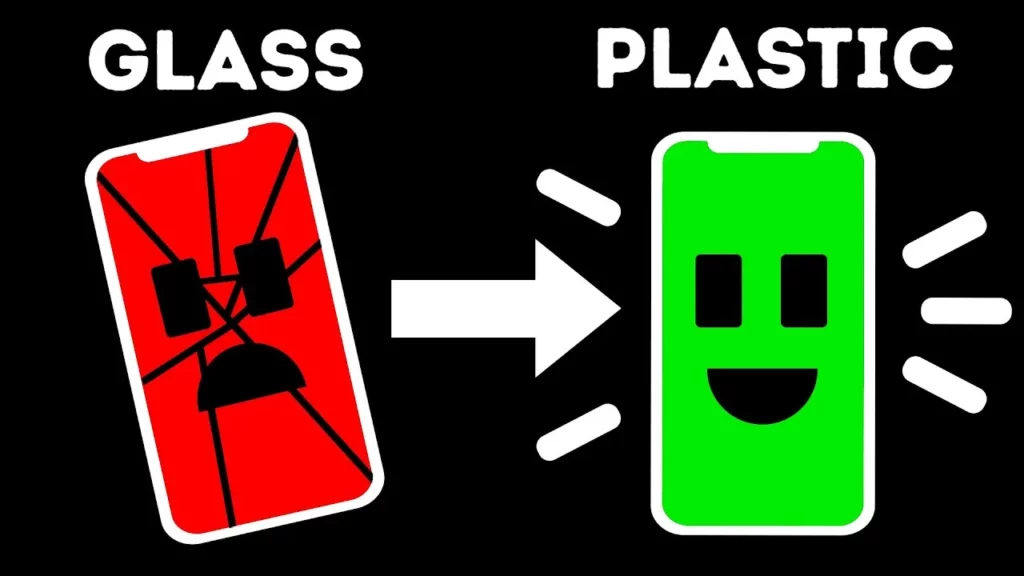
The lesson explores the ongoing debate between glass and plastic smartphone screens, highlighting the advantages of glass, such as scratch resistance and touch sensitivity, despite its vulnerability to breaking. It also discusses future innovations in smartphone technology, including flexible designs, enhanced battery life, under-screen cameras, and potential health features, suggesting that smartphones will continue to evolve significantly in both functionality and form.
Why Planes Can’t Fly Over Messi’s House

The lesson explores the unique perks of being a celebrity like Lionel Messi, particularly focusing on his $7-million mansion in Gava, Spain, which benefits from a No-Fly Zone due to environmental laws that protect the area from airplane noise. This No-Fly Zone not only preserves the tranquility of Messi’s home but also serves to protect various environmentally sensitive and historical sites around the world. Additionally, the lesson highlights the contrast between countries with few airports and those with many, illustrating the diverse aviation landscapes globally.