
Exoplanets Documentary – The Search For Other Worlds
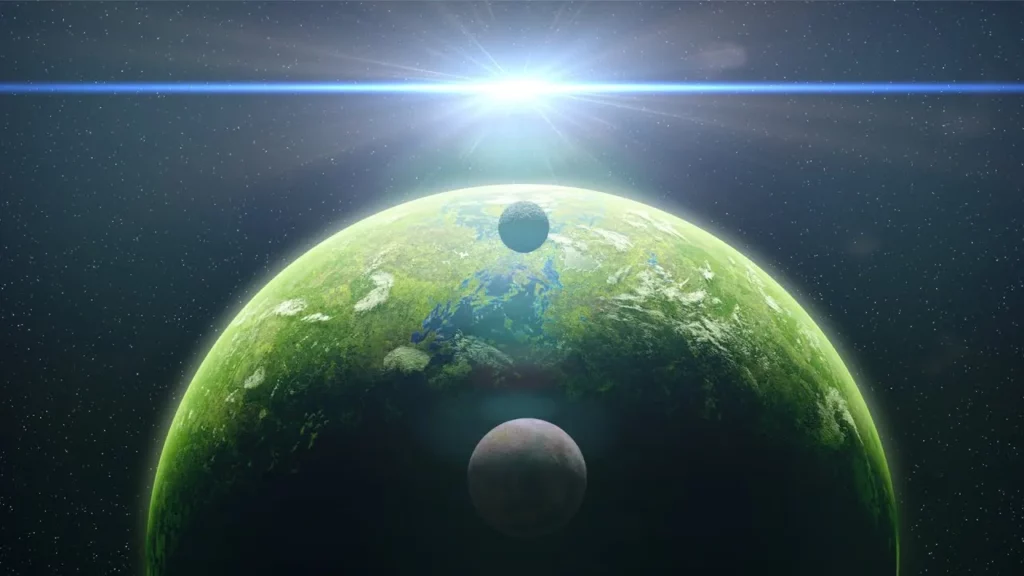
The lesson on exoplanets highlights the groundbreaking discovery of 51 Pegasi b in 1995, marking the beginning of a new era in astronomy and confirming the existence of planets beyond our solar system. It explores various methods used by scientists to detect exoplanets, such as transit photometry and Doppler spectroscopy, and discusses the diversity of these planets, including the potential for habitable Earth-sized planets in the Milky Way. The lesson concludes by emphasizing the ongoing search for extraterrestrial life and the excitement surrounding future discoveries in the universe.
What Is Quantum Supremacy? – The Rise of Quantum Computers

The lesson on quantum supremacy highlights the significant advancements in quantum computing, particularly through Google’s development of the Sycamore processor, which reportedly completed a task in 200 seconds that would take classical supercomputers around 10,000 years. While this achievement marks a pivotal moment in computing, IBM challenges Google’s claims, suggesting that classical computers still hold advantages and that both technologies will likely coexist. The lesson also discusses the fundamental differences between quantum and classical computing, the challenges faced by quantum technology, and its potential to revolutionize fields like medical research, while also addressing the risks associated with its impact on encryption and security.
The Promise of Virtual Reality in 2020 And Beyond
The lesson highlights the transformative potential of virtual reality (VR) across various sectors, predicting its market value will exceed 100 billion US dollars by 2027. Beyond gaming, VR is revolutionizing fields such as military training, education, medical practice, mental health therapy, and sports, offering immersive experiences that enhance learning and performance. While the future of VR is promising, it also raises concerns about psychological addiction, emphasizing the need for responsible engagement with this evolving technology.
CRISPR 2.0 Prime Editing To Heal 90% Of Genetic Diseases
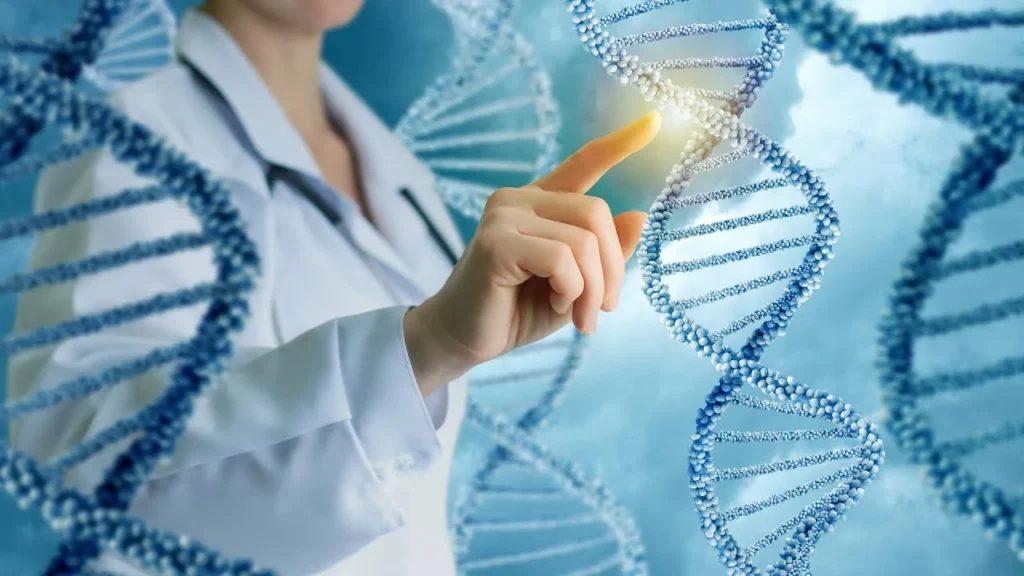
The lesson discusses the advancements in gene editing through prime editing, introduced by Dr. David Liu in 2019, which enhances the precision of genetic modifications compared to traditional CRISPR techniques. Prime editing has the potential to correct a wide range of genetic disorders by allowing targeted edits without the risk of unintended alterations, although challenges such as its large molecular size for delivery remain. Ongoing research aims to refine this technology for safe application in human therapies, highlighting its promise in treating diseases like cystic fibrosis and sickle cell anemia.
Black Hole Documentary 2019 – Part 1
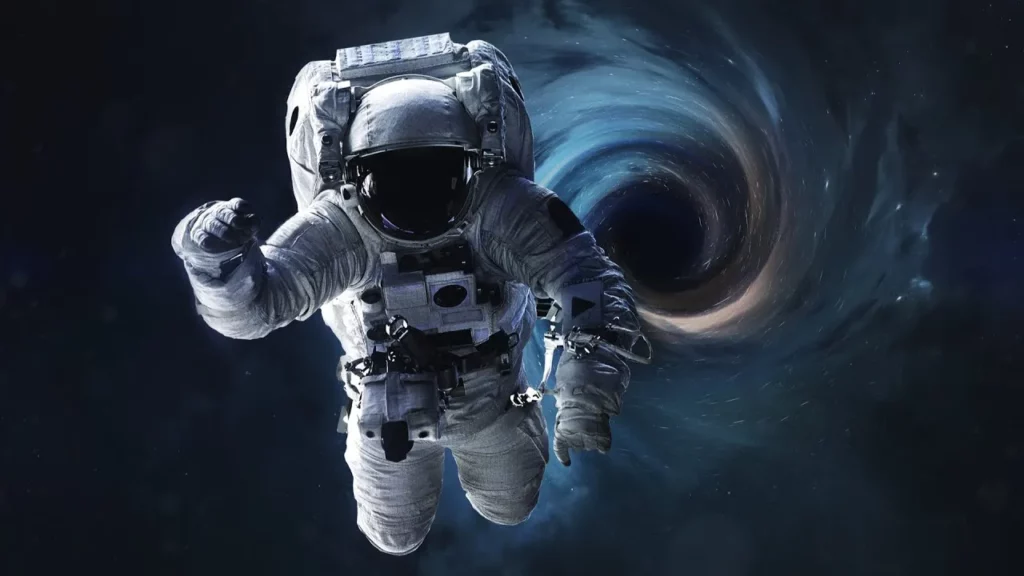
The lesson explores the fascinating concept of black holes, beginning with their theoretical origins rooted in Einstein’s general theory of relativity and Karl Schwarzschild’s explanation of the event horizon. It discusses the formation of black holes from massive stars and how they are detected through the observation of surrounding material emitting X-rays, highlighting the transition from theoretical speculation to scientific reality. The lesson sets the stage for further exploration of different types of black holes in the upcoming part of the series.
Supermassive Black Hole Documentary – Part 2

In this lesson, we explored the fascinating characteristics and discoveries surrounding Sagittarius A, the supermassive black hole at the center of the Milky Way, which has a mass approximately 4 million times that of the Sun. Utilizing advanced observational technologies, astronomers have confirmed its existence and studied the dynamics of stars orbiting it, validating Einstein’s theory of general relativity. Additionally, we learned about the existence of ultra-massive black holes, such as TION 618, which possess even greater masses and luminosities, highlighting the vast and mysterious nature of our universe.
Can We Live Longer By Reversing Biological Aging?
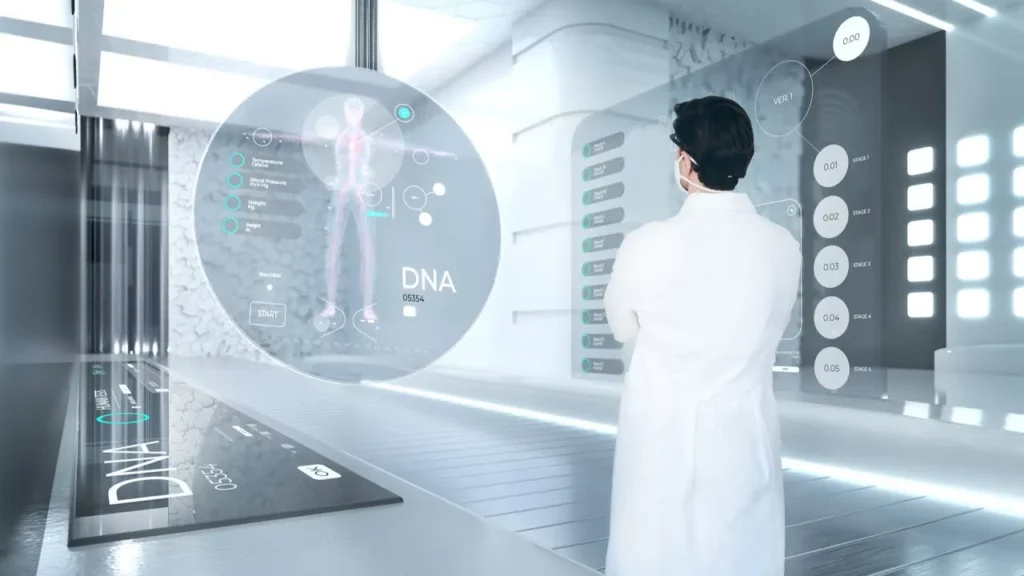
Recent scientific advancements suggest that reversing biological aging may be possible, as demonstrated by a small clinical study in California where nine healthy participants experienced a reduction of approximately two and a half years in their biological age after receiving a combination of drugs, including a growth hormone and diabetes medications. While the results, which also showed enhanced immune function, are promising, researchers urge caution due to the study’s limited sample size and lack of a control group, emphasizing the need for further trials to validate these findings. This research challenges traditional views on aging, positioning it as a condition that could potentially be treated, thereby opening new avenues for health and longevity.
What The 2019 Nobel Prize Awards in Science Mean For The World
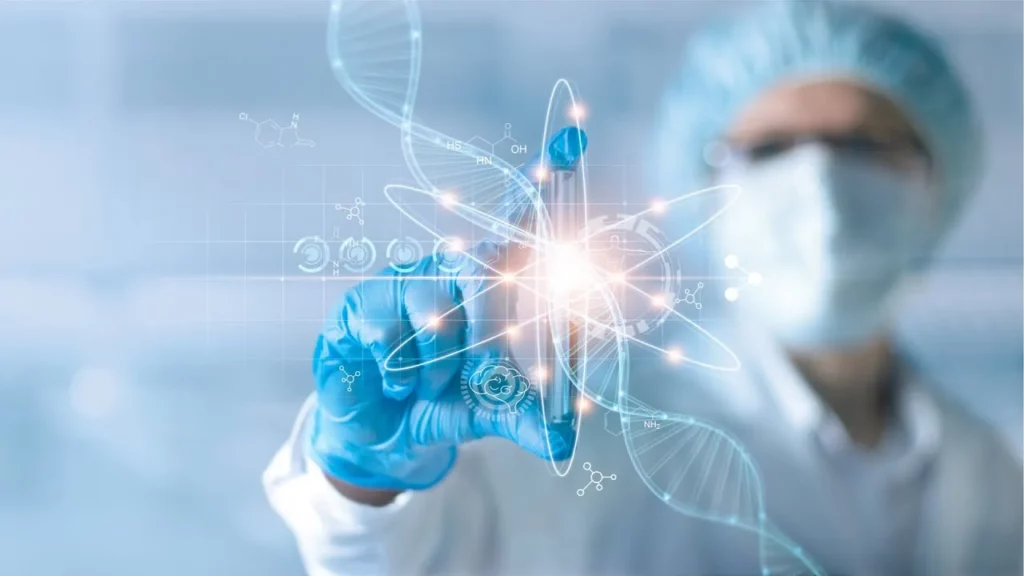
The 2019 Nobel Prizes in Science recognized groundbreaking achievements that significantly impact humanity, including advancements in medicine, physics, and chemistry. Notable winners included researchers who uncovered how cells adapt to oxygen levels, astronomers who discovered the first exoplanet, and innovators behind lithium-ion batteries, all of which contribute to our understanding of life, the universe, and sustainable technology. These awards underscore the importance of scientific research in addressing critical global challenges and enhancing our quality of life.
What’s Next For AR – Augmented Reality in 2020
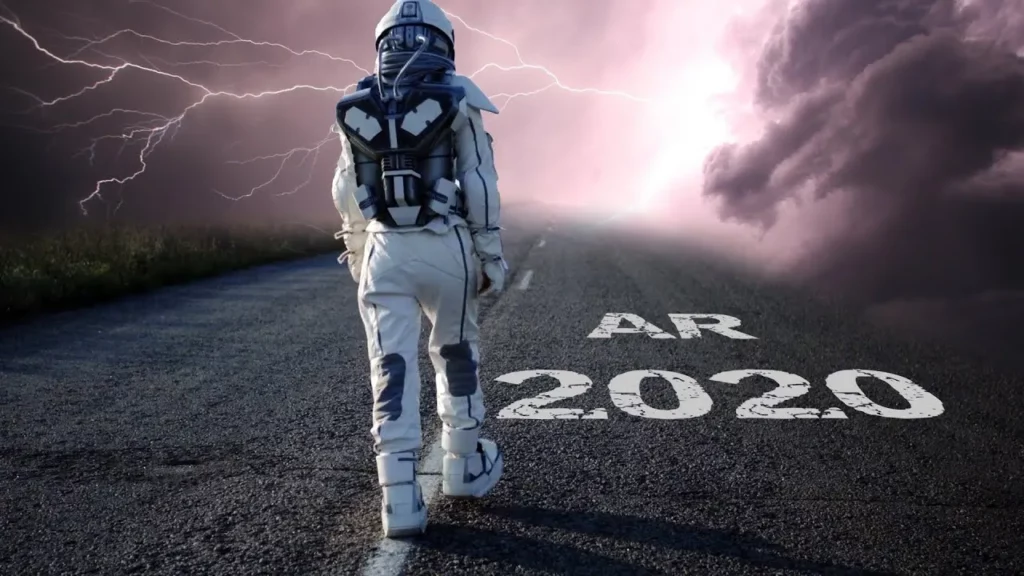
The lesson explores the evolution and applications of Augmented Reality (AR), highlighting its ability to enhance real-world experiences by overlaying digital elements. It discusses the growing accessibility of AR in everyday life, its practical uses in various sectors such as healthcare and retail, and the significant investments from tech companies to improve AR technologies. Additionally, the lesson addresses challenges like data processing speed and the potential of 5G technology to enhance AR experiences, positioning AR as a key component of the broader Extended Reality (XR) landscape.
What Happens If We Keep a “Blind Eye” Towards Climate Change In 2020?
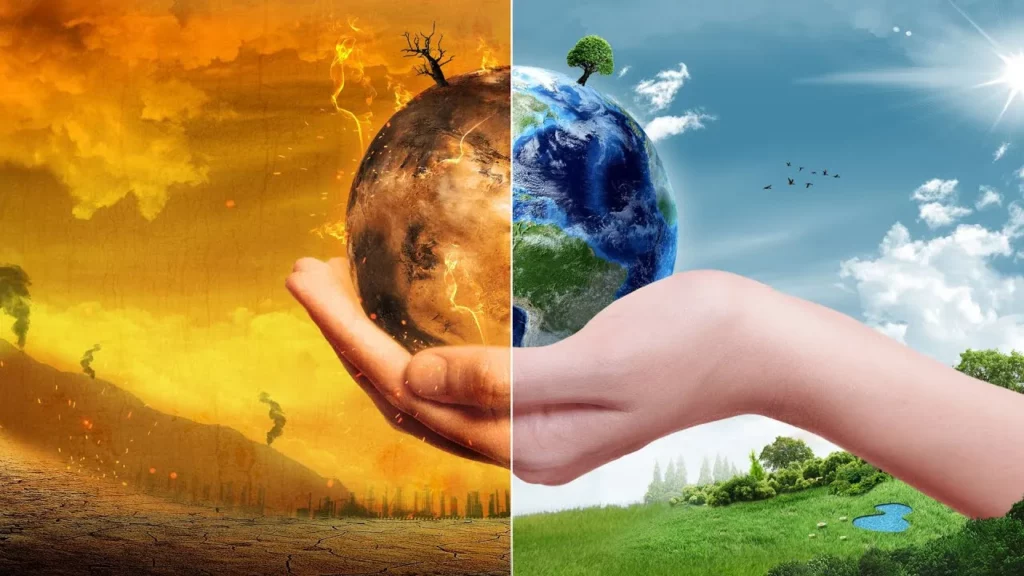
The lesson discusses the urgent issue of climate change, primarily driven by human activities that have intensified the greenhouse effect since the mid-20th century. It highlights the significant consequences of climate change, including rising temperatures, melting snowcaps, and disruptions to ecosystems, while emphasizing the need for immediate action to reduce fossil fuel consumption and adhere to international agreements like the Paris Agreement to limit global warming. Without substantial changes by 2020, the lesson warns that it may be too late to achieve critical climate goals.