
What If All People Flushed at the Same Time

The lesson explores the mechanics and implications of flushing toilets, highlighting the potential chaos that could ensue if everyone flushed at the same time. It explains how waste travels through home plumbing and into city sewage systems, emphasizing that a simultaneous flush by a large population could overwhelm these systems, leading to significant flooding and sanitation issues. Ultimately, the lesson warns against the idea of a “World Flush Day,” advocating for individual flushing to prevent disastrous consequences.
13 Logic Riddles 98% Get Wrong on First Attempt

In this lesson, participants engage in a series of logic riddles designed to test and enhance their problem-solving skills. Each riddle presents a unique scenario requiring critical thinking to identify the correct answer, encouraging learners to sharpen their detective abilities while having fun. At the end of the activity, participants receive feedback on their performance, motivating them to continue developing their skills.
Why No One Can Bring Liquids on a Plane

The lesson on airport security emphasizes the importance of liquid restrictions, which are in place to prevent potential threats from liquid explosives. It outlines the specific rules for packing liquids in carry-on luggage, including size limitations and the requirement for a transparent bag, while also providing tips for a smoother security experience. Understanding these regulations can help travelers navigate airport security more efficiently and reduce stress during their journey.
Anthropologists Made a Stunning Discovery About Neanderthals
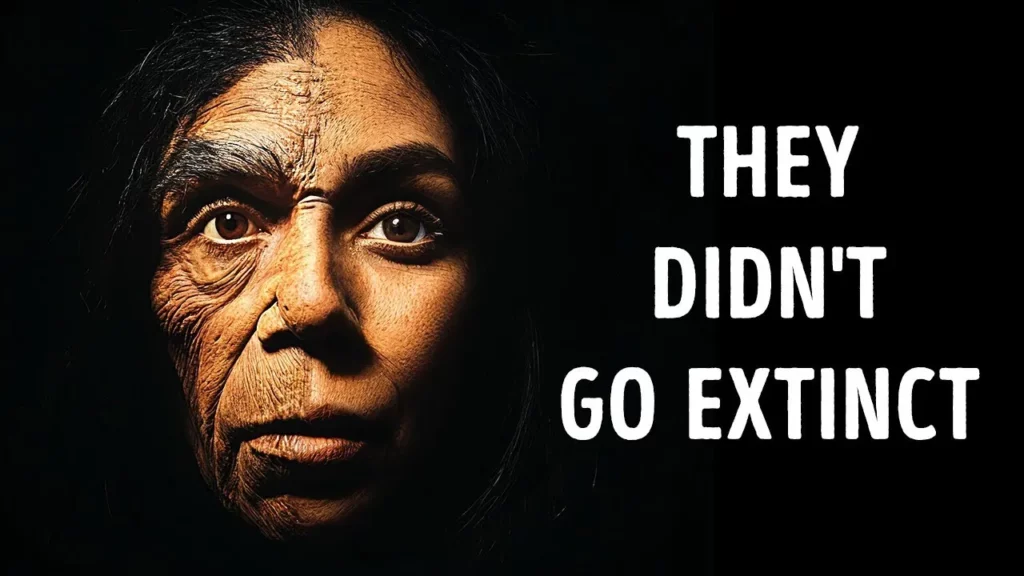
The lesson “Discovering Our Neanderthal Roots” explores the surprising connections between modern humans and Neanderthals, revealing that nearly all humans carry about 3% Neanderthal DNA due to interbreeding that occurred thousands of years ago. It highlights the complexity of human ancestry, noting the existence of other ancient relatives like Denisovans and “Hobbits,” and emphasizes how Homo sapiens, with their advanced social structures and innovations, ultimately became the dominant human species. This ongoing research sheds light on the intricate web of our evolutionary history and the impact of ancient interactions on modern genetics.
12 Extreme Riddles Test Your Survival Skills
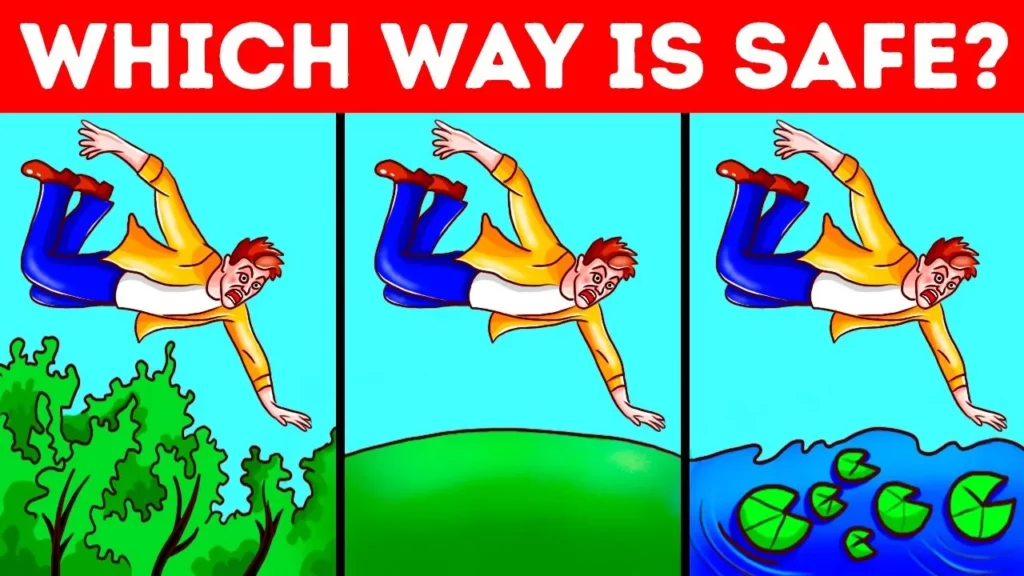
In the lesson “Surviving in the Wild: A Fun Adventure!”, participants embark on a thrilling journey after a plane crash, where they must navigate various survival challenges over eleven days in the wilderness. Key skills highlighted include finding shelter, sourcing food, avoiding dangerous wildlife, and signaling for help, all while making strategic decisions to ensure survival. The lesson emphasizes the importance of preparation and knowledge in real-life survival situations.
Who Lives at the Bottom of Volcanoes?
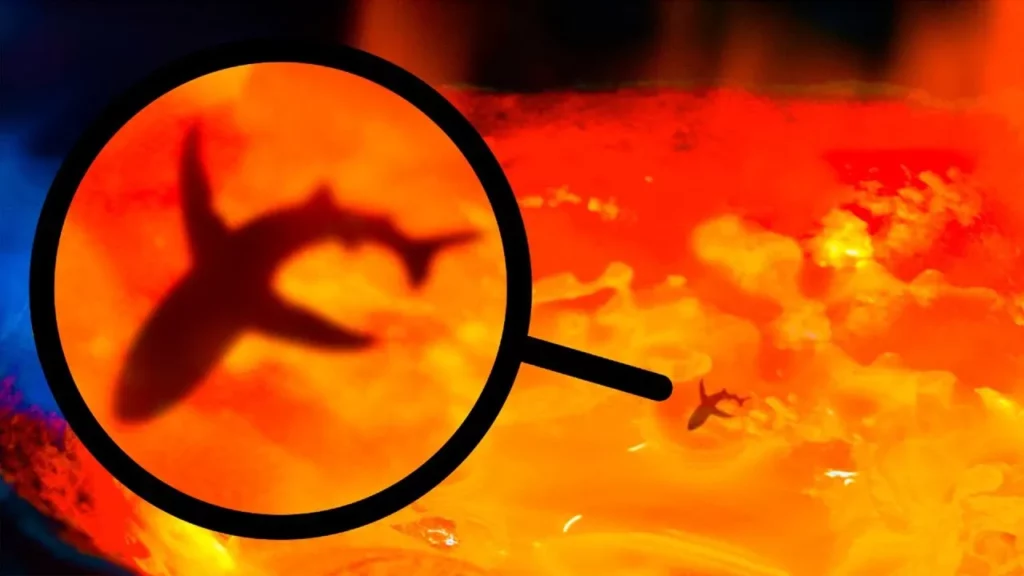
The lesson “Exploring the Mysteries of Volcanoes: Life at the Edge” delves into the fascinating ecosystems surrounding both underwater and mud volcanoes, highlighting the surprising forms of life that thrive in extreme conditions. It emphasizes that while many volcanoes can be dangerous, such as the Yellowstone supervolcano, they also showcase the resilience of life, with organisms like bacteria, shrimp, and even sharks adapting to harsh environments. The lesson encourages awareness of volcanic threats while celebrating the unique biodiversity found in these mysterious habitats.
Who Is the Fastest Living Being in the World?
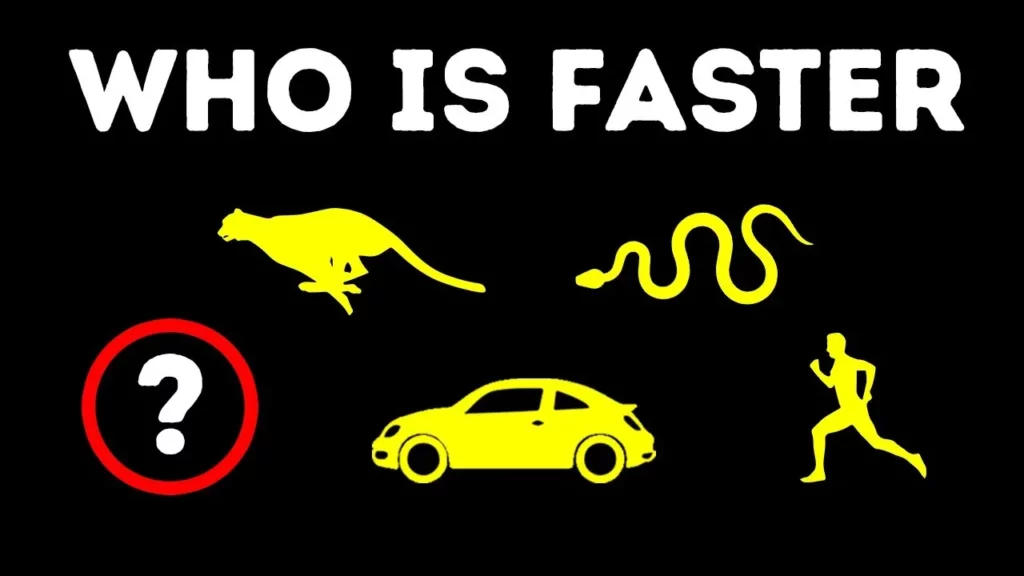
In “James’ Speedy Adventure: Racing Against Animals,” we follow James as he combines his love for wildlife and speed in a fun challenge to see how many animals he can outrun. Throughout his journey, James demonstrates that while he can outpace many land and sea creatures, he ultimately relies on human ingenuity and technology, like bikes and planes, to surpass the fastest animals, such as cheetahs and peregrine falcons. The lesson highlights the fascinating relationship between speed in nature and the advancements humans have made to achieve incredible velocities.
25 Airplane Small Details You Haven’t Noticed Yet

This lesson highlights intriguing facts about airplanes, including the record-setting speed of a commercial flight and the reasons why planes don’t carry parachutes for passengers. It also discusses safety tips, such as the advantages of sitting in the back of the plane, how to stay healthy during flights, and the complexities of piloting and aircraft operation. Overall, it aims to enhance travelers’ understanding and appreciation of air travel.
Why Planes Don’t Fly Over Antarctica
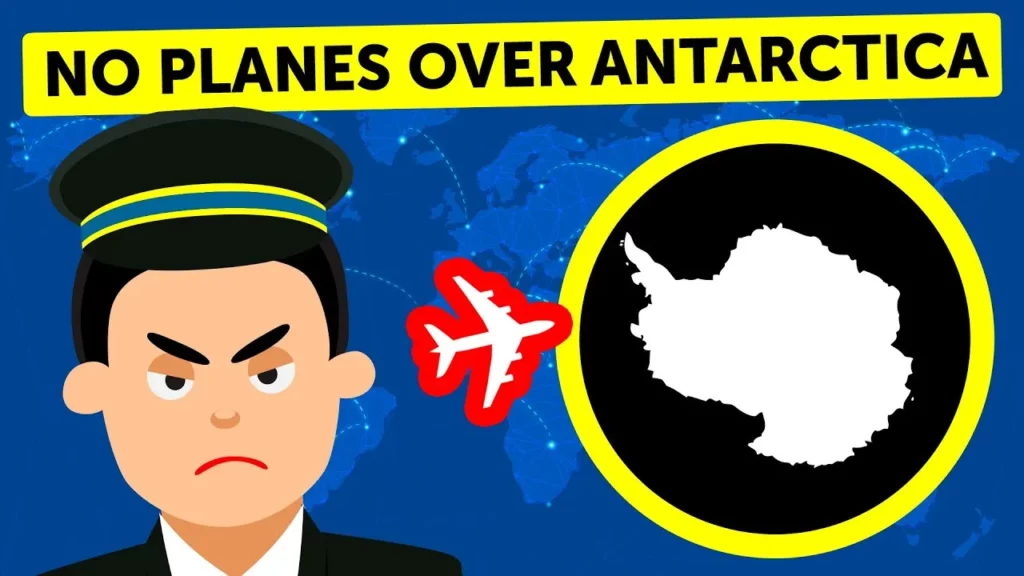
This lesson explains why airplanes avoid flying over certain areas, highlighting various locations and the reasons behind these restrictions. Factors such as harsh weather conditions, navigation challenges, safety concerns, and the protection of historic sites contribute to the establishment of no-fly zones over places like Antarctica, the North and South Poles, and significant landmarks such as the Taj Mahal and Buckingham Palace. Understanding these reasons helps clarify the flight paths taken by aircraft and the importance of safety in aviation.
How to Survive When You See a Coyote
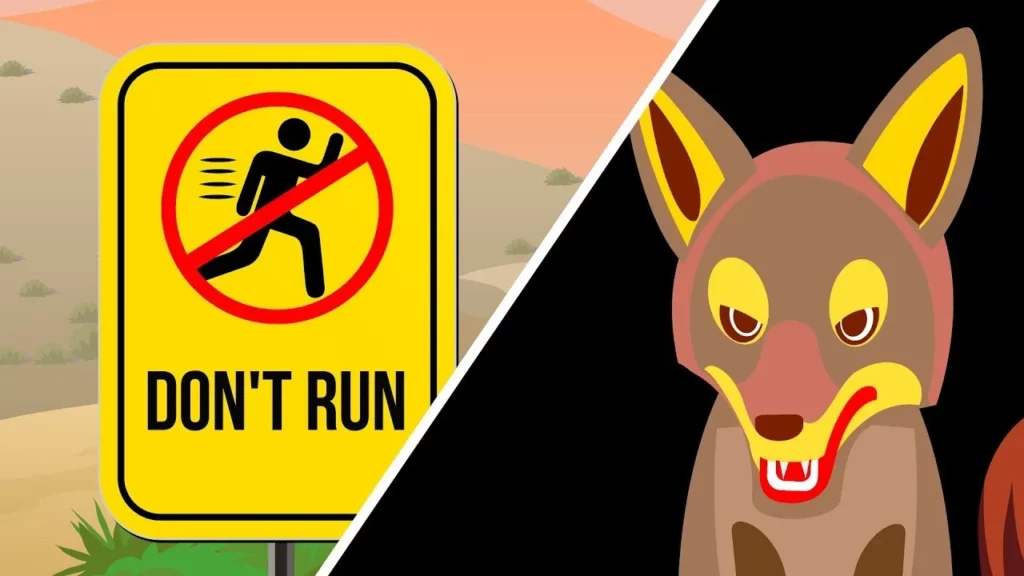
The lesson on coyotes highlights their increasing presence in suburban and urban areas, emphasizing that while they are generally shy and avoid humans, they may pose a threat to pets due to their search for food. To protect pets from coyotes, it is advised to keep them leashed, supervise them outdoors, and maintain a clean yard to eliminate food sources. In case of a coyote encounter, staying calm, making noise, and reporting sightings are recommended actions, while any pet attacks should be promptly addressed by a veterinarian.