
5 Driving Tips for New Drivers from Pros

The lesson celebrates the achievement of obtaining a driver’s license while emphasizing the responsibilities that come with driving. It provides essential tips for new drivers, covering various scenarios such as driving in bad weather, at night, in urban settings, and on interstates, highlighting the importance of practice, awareness, and calmness in challenging situations. Overall, it encourages new drivers to continue learning and to prioritize safety on the road.
What If We Built a Wall Between People and Wildlife
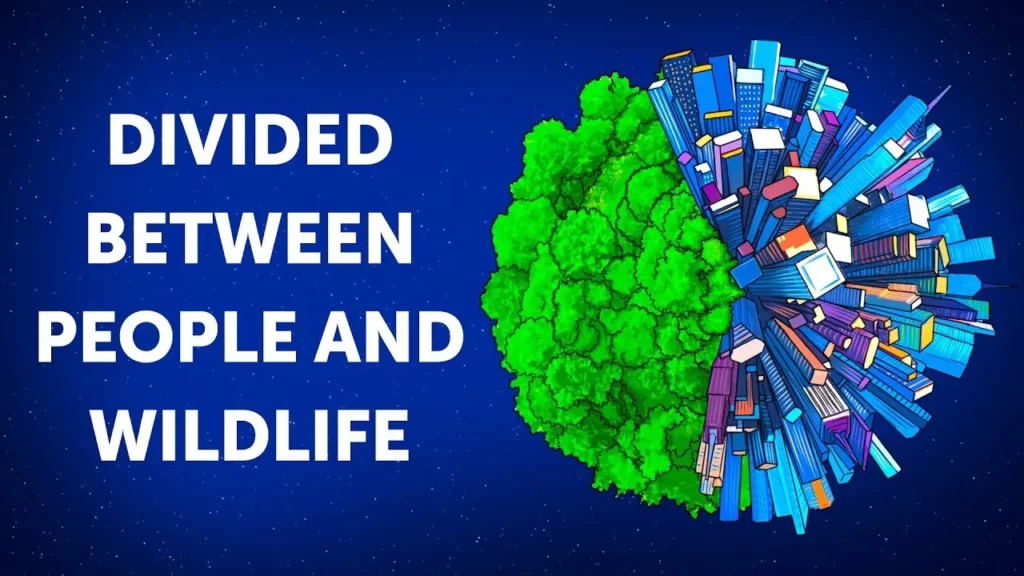
The lesson “The Great Divide: A Tale of Two Worlds” explores a future where Earth is divided into two halves—one for humans and one for nature—to protect the environment. As humans adapt to their constrained living conditions, they face challenges like pollution and resource scarcity, leading to societal divides. The narrative culminates in a character’s discovery of a lush, untouched world beyond the wall, prompting a profound choice between returning to a polluted civilization or embracing a harmonious existence with nature, ultimately encouraging reflection on our environmental impact and personal choices.
Why No One Should Swap Seats on a Plane
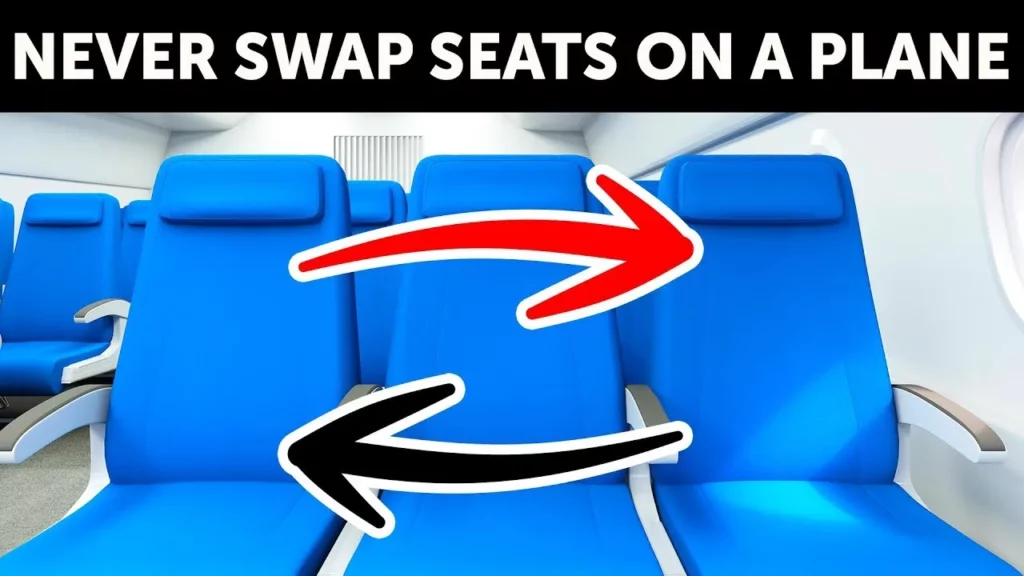
The lesson emphasizes the importance of not changing seats on a plane without permission, as it can disrupt the aircraft’s weight balance, which is critical for safe takeoff and flight. Additionally, it provides various safety tips for passengers, such as securing tray tables, choosing non-stop flights, and listening to cabin crew instructions, all aimed at enhancing overall flight safety and preparedness.
How an Ant Hill Looks Inside
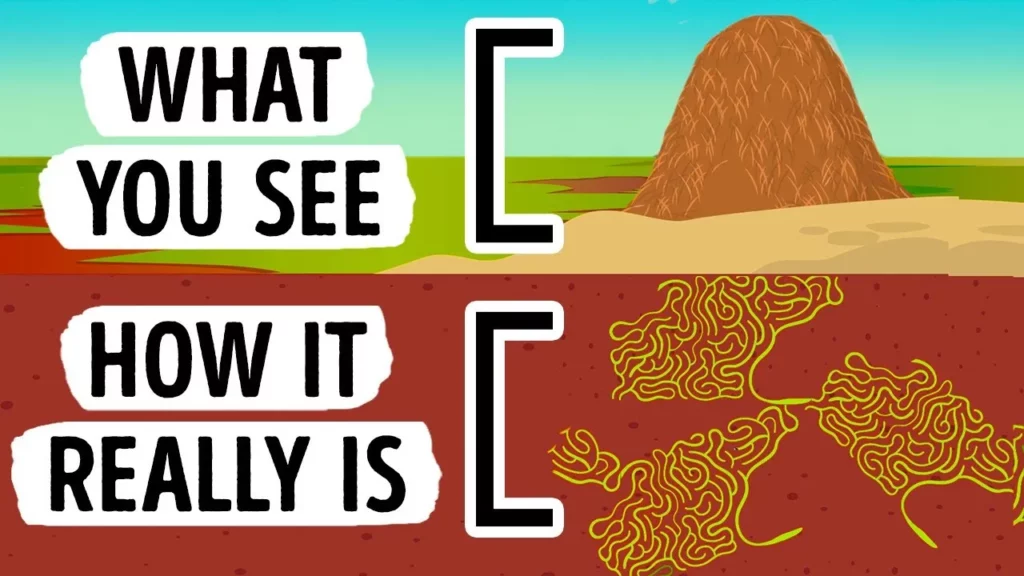
The lesson explores the fascinating world of ants, highlighting their unique communication methods through pheromones, their teamwork in finding and transporting food, and their roles within the colony, including the queen’s reproductive responsibilities. It also discusses how ants build and maintain their nests, adapt to challenges, and their long history on Earth, showcasing their success as a species due to their collaborative nature. Overall, the lesson emphasizes the intricate social structure and remarkable abilities of ants in sustaining their colonies.
What If You Swallowed the Most Venomous Spider
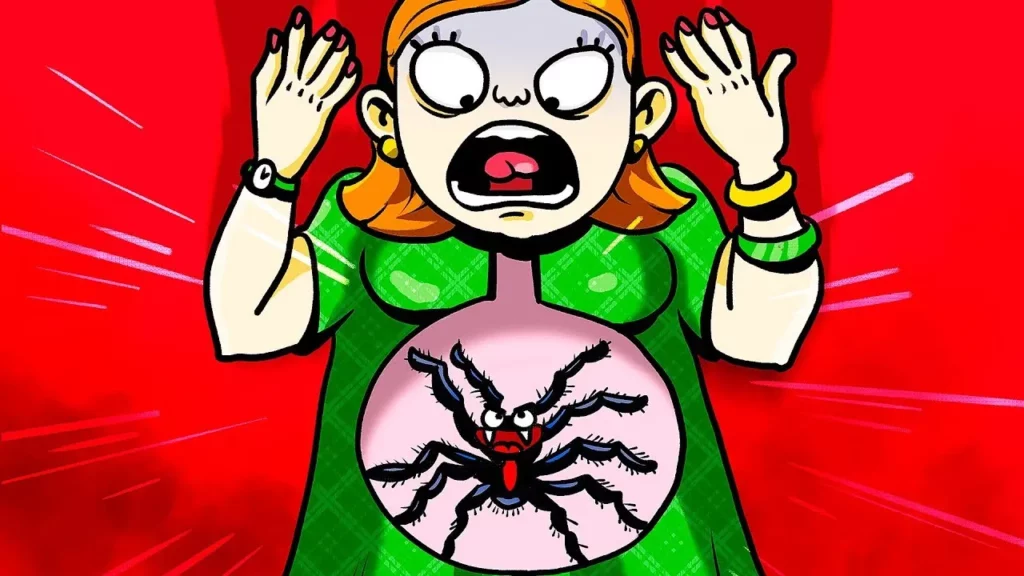
The lesson explores the myth that people swallow spiders while sleeping, specifically focusing on the Sydney funnel-web spider, one of the world’s most venomous spiders. It clarifies that while swallowing a spider is unpleasant, the real danger lies in being bitten during the process, as the venom can affect the nervous system; however, if swallowed, the venom is neutralized by stomach acid. Ultimately, the lesson emphasizes that the idea of swallowing spiders is largely a myth and encourages safe practices.
40 Rare Car Facts Most Drivers Never Heard About
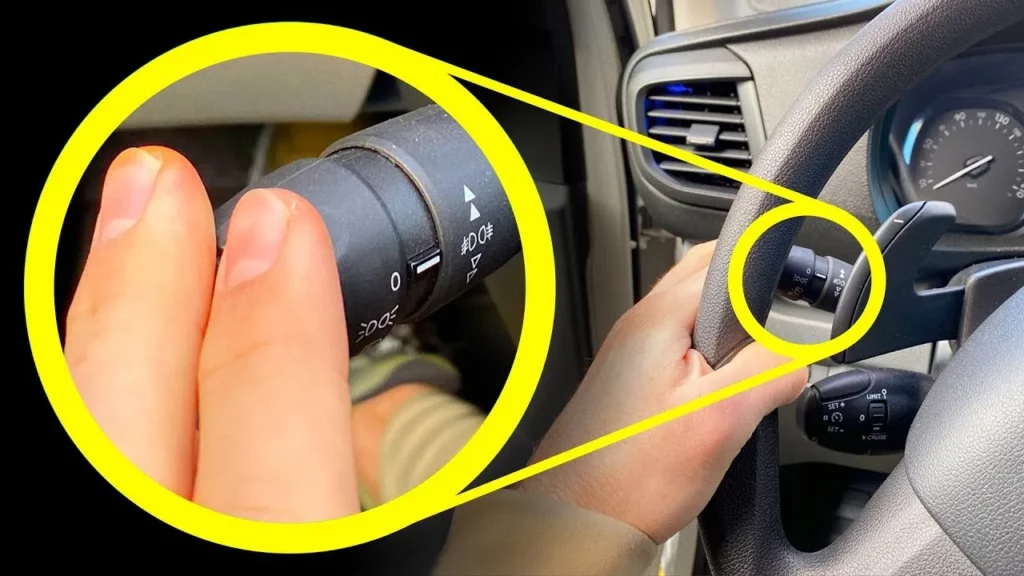
This lesson explores intriguing facts about cars, highlighting their popularity, safety features, and recycling potential. It covers unusual vehicles, historical innovations, and fun tidbits, such as the prevalence of singing while driving and the origins of car logos. Overall, it emphasizes the fascinating stories and advancements that shape the automotive world today.
How to Survive High School: The First Day
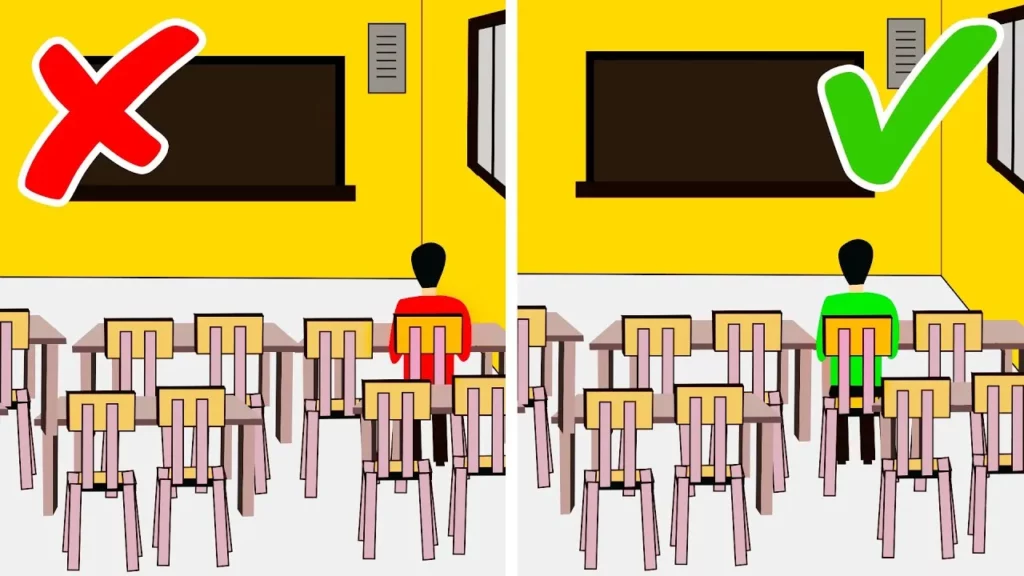
The lesson “Welcome to High School: Tips for a Great Freshman Year” provides essential advice for new high school students to navigate their first year successfully. Key recommendations include attending orientation, learning your schedule, staying organized with a planner, and actively engaging with teachers and classmates. The lesson emphasizes the importance of balancing academics with social experiences, setting personal goals, and maintaining a positive mindset throughout the year.
Why Airplanes Are White
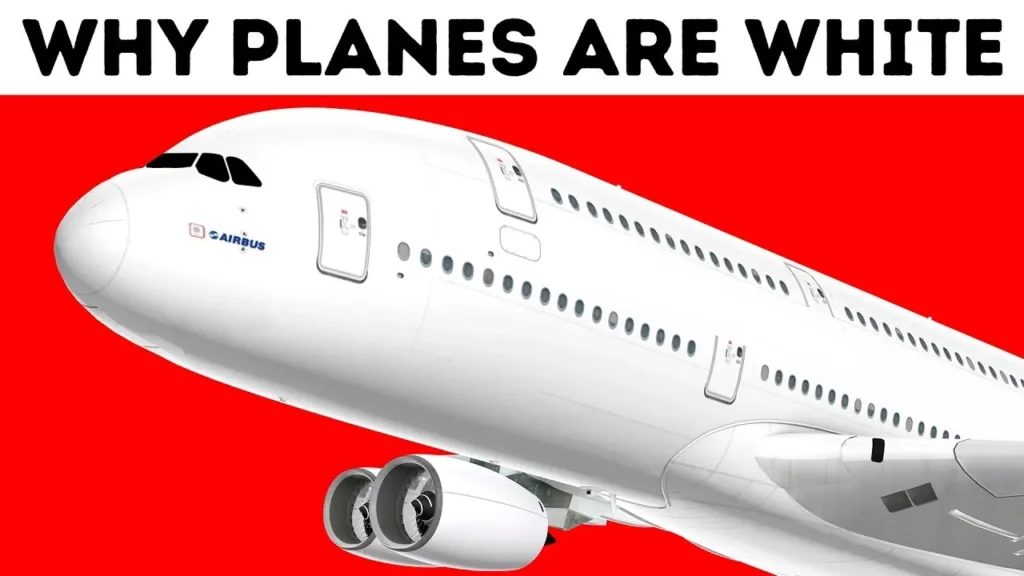
The lesson explains why most airplanes are painted white, highlighting that this choice helps keep them cool by reflecting sunlight, reduces costs associated with extra weight from paint, and enhances safety by making damage more visible and aiding in emergency situations. Additionally, it covers why planes fly at high altitudes to minimize resistance and avoid turbulence, the purpose of the small hole in airplane windows for pressure balance, and the reasons planes avoid flying over the North Pole for safety and navigation concerns. Overall, the lesson emphasizes the thoughtful design behind airplane features that prioritize safety, efficiency, and cost-effectiveness.
Why Planes Don’t Fly Faster
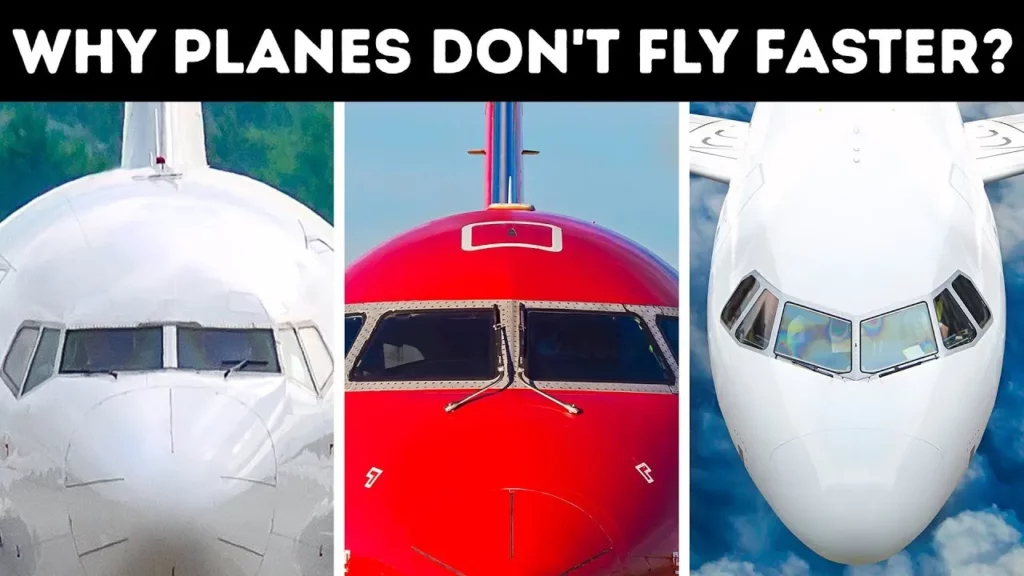
The lesson explores the reasons why commercial airplanes cannot fly faster, despite advancements in technology. It discusses the challenges of aerodynamics and control at high speeds, the history of supersonic jets like the Concorde, and the factors that led to their decline, such as high costs and passenger preferences for more economical flights. The lesson concludes with a reflection on the future of aviation and the ongoing quest for a balance between speed, safety, and affordability.
I Couldn’t Solve All 19 Riddles, I Bet You Can
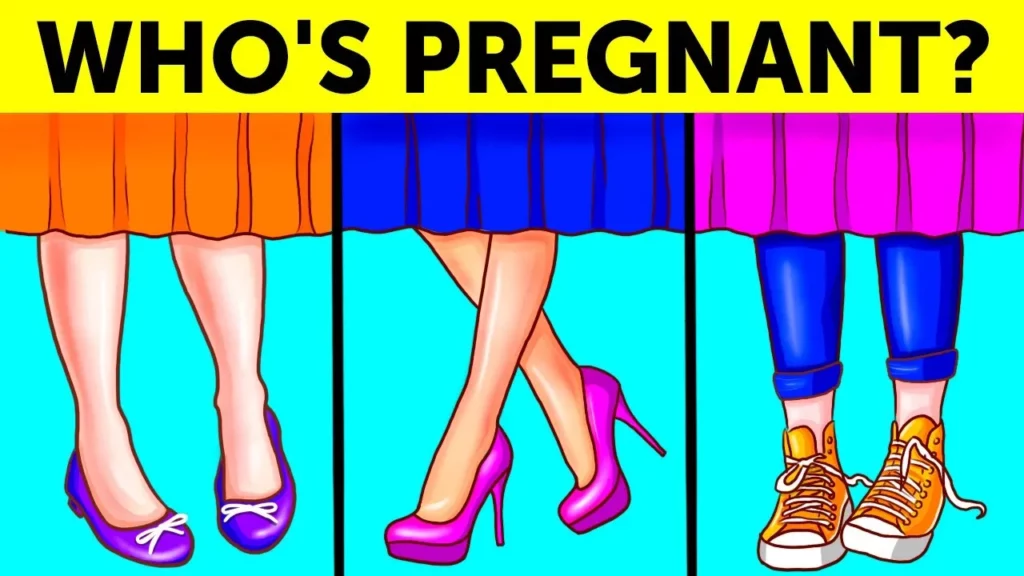
In this lesson, students engage in a fun mystery adventure that involves solving riddles and puzzles, enhancing their critical thinking and problem-solving skills. Through various scenarios, such as a deceptive taxi driver and a detective unraveling thefts at a college, learners are encouraged to think creatively and logically. The lesson culminates in a series of entertaining riddles that challenge participants to apply their reasoning abilities in a playful context.