
Coronavirus Update March – What Can You Do to Protect Yourself?
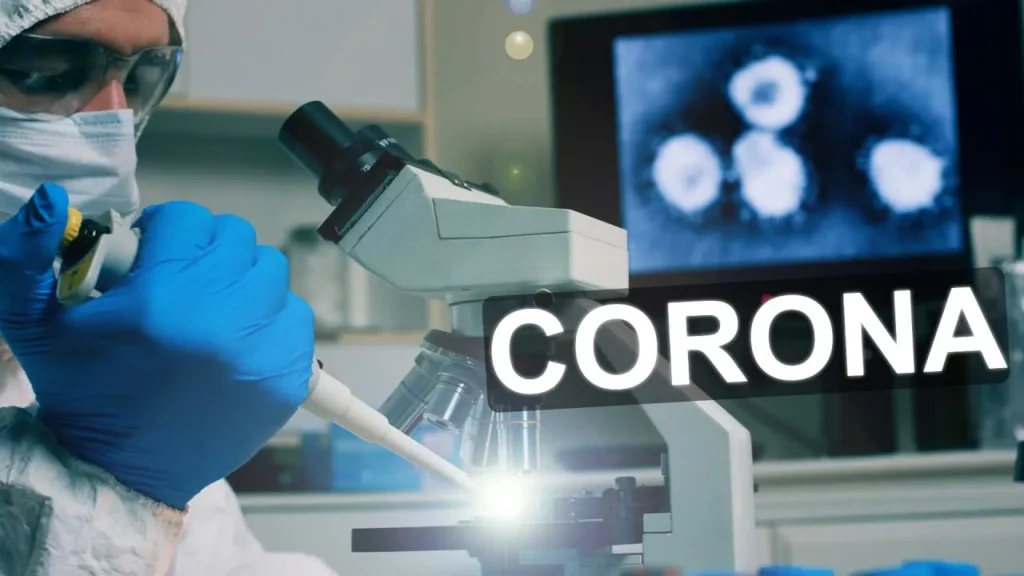
The lesson on coronavirus safety emphasizes the rapid global spread of COVID-19, classified as a pandemic by the WHO, and highlights the importance of understanding how the virus transmits, particularly through respiratory droplets. It outlines that while anyone can contract the virus, older adults and those with pre-existing health conditions are at greater risk of severe illness. To protect oneself, the lesson recommends frequent hand washing, disinfecting surfaces, and wearing masks, especially for those who are symptomatic, while also advising individuals to stay informed and adhere to health guidelines to mitigate the spread.
EARTH – The Only Home We’ve Ever Known – The Pale Blue Dot by Carl Sagan
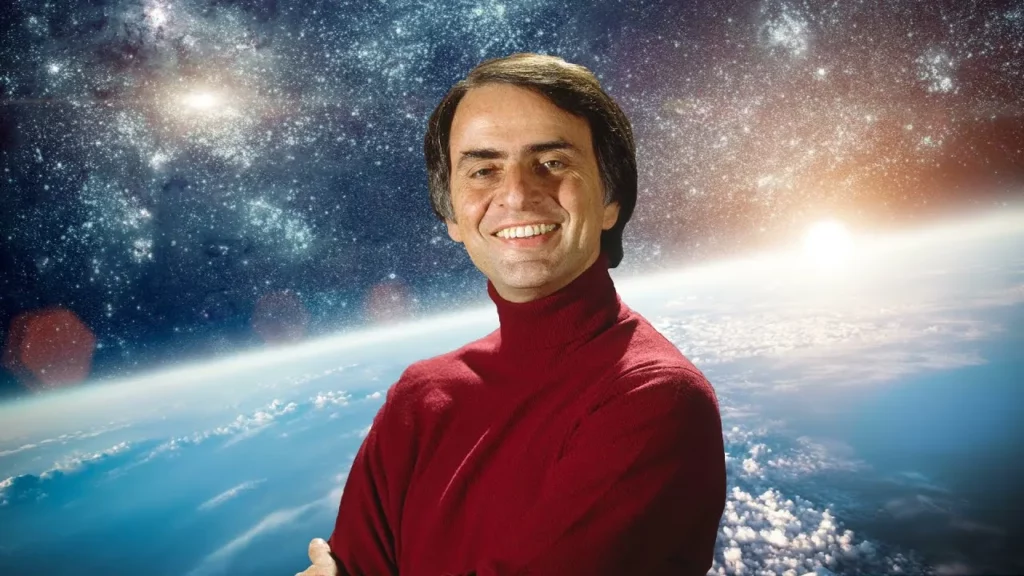
The lesson emphasizes the significance of Earth as our sole home in the vast universe, highlighting its fragility and the interconnectedness of all human experiences that have unfolded on this “pale blue dot.” It encourages a cosmic perspective that humbles us, reminding us of our responsibility to treat each other with kindness and to protect our planet, as it is the only place we can truly call home. Ultimately, the lesson calls for a greater appreciation of our shared existence and the urgent need to care for the Earth.
Yellowstone Supervolcano – Is a Mega-Colossal Eruption Overdue in Our Lifetime?
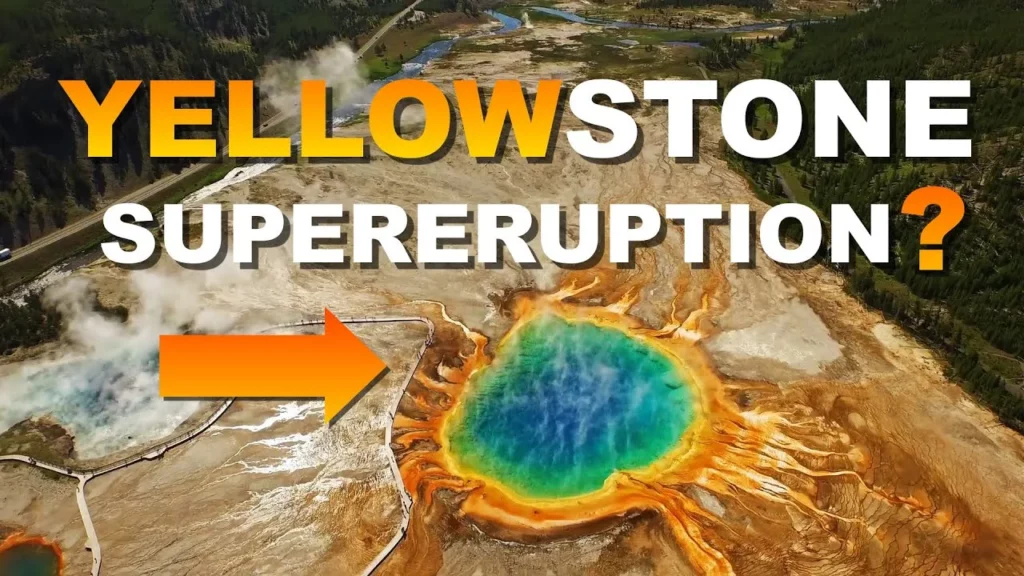
The lesson discusses the Yellowstone supervolcano, highlighting its last major eruption 640,000 years ago and the extremely low probability of another eruption occurring in our lifetime. It emphasizes ongoing monitoring by geologists, recent studies on potential eruption prevention by NASA, and the significant impact an eruption could have on the environment and agriculture. The lesson concludes with a note on the potential for future advancements in geoengineering to harness Yellowstone’s geothermal energy.
How 3D Printing Is Saving Lives In The Coronavirus Outbreak
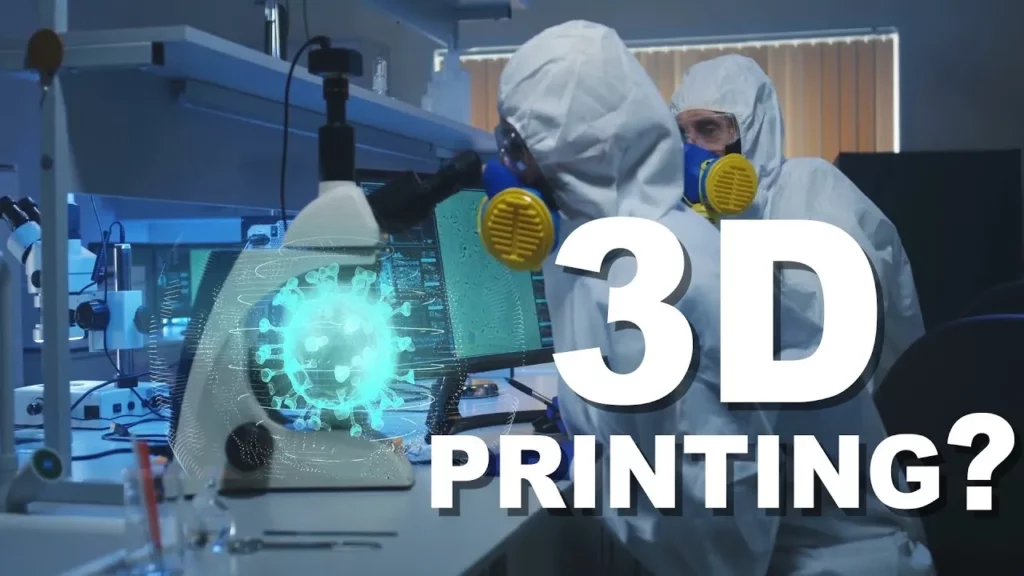
The lesson highlights how 3D printing technology has emerged as a crucial tool in addressing medical equipment shortages during the COVID-19 pandemic. Innovative solutions, such as modifying snorkeling masks into ventilator masks in Italy, have demonstrated the potential of 3D printing to rapidly produce essential medical devices, inspiring global efforts to utilize this technology in healthcare. As a result, many hospitals worldwide are now benefiting from 3D printed parts, significantly aiding in the fight against the virus.
Should We Worry About The Yellowstone Supervolcano? – A Brief History of Volcanic Eruptions
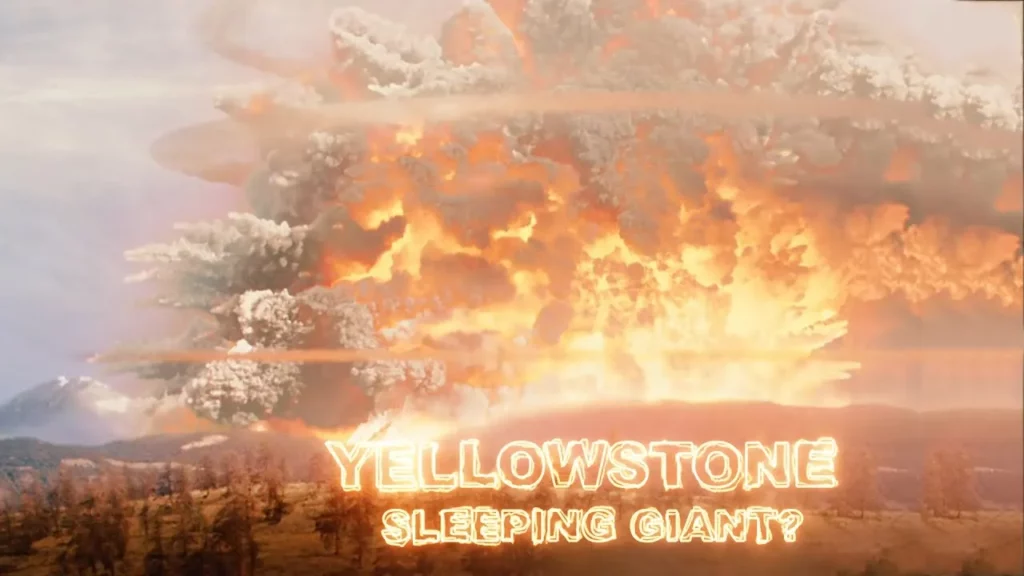
The lesson discusses the potential risks associated with the Yellowstone supervolcano and the signs that may indicate volcanic activity, such as earthquakes and ground swelling. While recent earthquakes in nearby areas raised concerns about Yellowstone, experts clarify that these events are unrelated and that current studies show no imminent threat of a super eruption, as the magma chamber lacks sufficient molten rock at this time. Overall, while supervolcanoes pose significant risks, there is no immediate cause for alarm regarding Yellowstone.
Earthquakes 101: Are You Prepared For The Next Earthquake?
The lesson “Earthquakes 101: Are You Prepared For The Next Earthquake?” provides an overview of earthquakes, their causes, and the importance of preparedness. It highlights the devastating impact of earthquakes as natural disasters, explains how they occur due to tectonic plate movements, and discusses the challenges in predicting them. The lesson emphasizes the need for individuals and families to have a safety plan in place and offers resources for preparedness, including tools from the Earth Institute and FEMA.
Yellowstone Supervolcano VS Toba Supervolcano
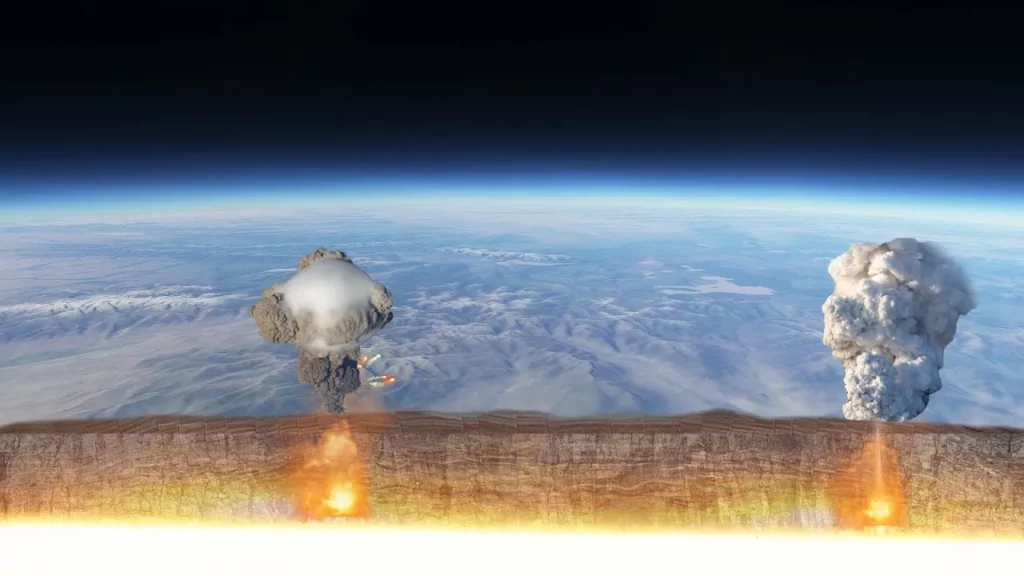
This lesson explores the characteristics and historical significance of two prominent supervolcanoes: Yellowstone in the United States and Toba in Indonesia. While Yellowstone’s magma chamber is largely molten, it is not currently at risk of erupting, whereas Toba’s massive eruption 75,000 years ago had profound effects on the planet, potentially leading to a genetic bottleneck in human evolution. The comparison highlights the potential dangers and transformative impacts of supervolcanoes on Earth’s environment and life.
NASA Will Use Lasers To Find Water Ice on The Moon
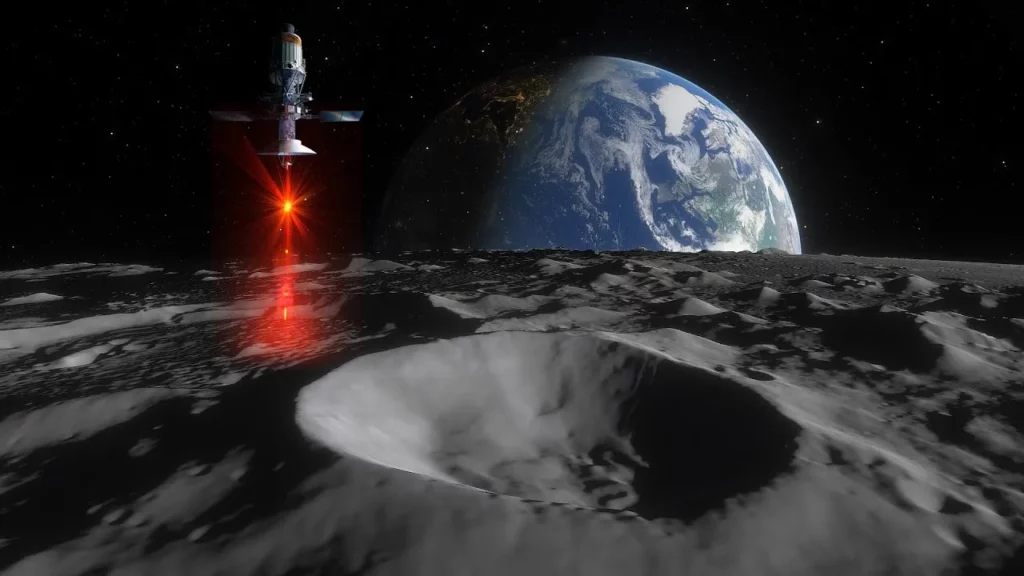
NASA is leveraging innovative technologies, including lasers, to locate water ice on the Moon as part of its Artemis program, which aims to enhance lunar exploration and reduce costs. The Lunar Flashlight, a small satellite, will utilize near-infrared lasers to analyze the composition of the Moon’s polar regions, potentially confirming the presence of water ice that could be used for future missions. This initiative not only aims to make space travel more efficient but also lays the groundwork for sustainable exploration and future missions to Mars.
The Future of Virtual Reality After The Pandemic
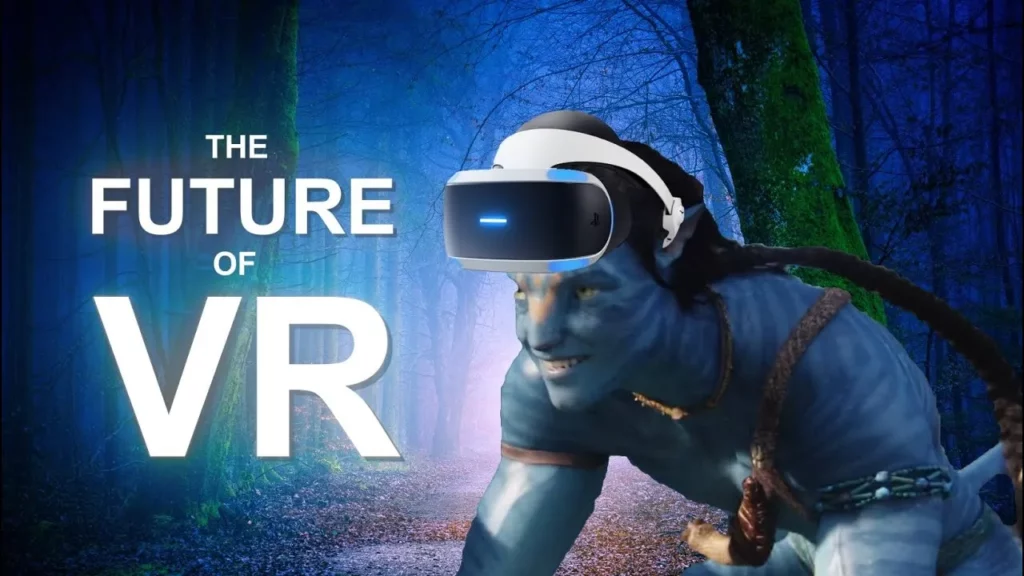
The lesson discusses the potential growth and innovation of virtual reality (VR) in the aftermath of the COVID-19 pandemic, drawing parallels to historical periods of advancement following crises. Despite current economic challenges, the increased creativity and productivity of VR developers during the pandemic, along with a significant rise in VR headset usage, suggest a promising future for the industry. With projections indicating substantial market growth and the expansion of VR beyond gaming into other entertainment sectors, the lesson highlights the likelihood of VR becoming a key component of our entertainment landscape.
Will AR Glasses Replace Smartphones By 2023? – The Science Behind Augmented Reality Technology
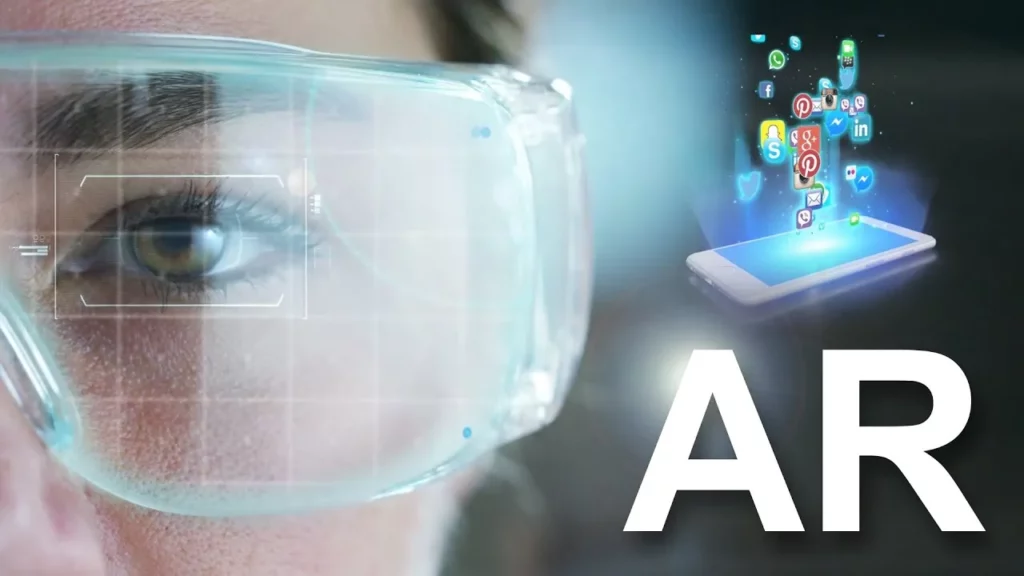
The lesson discusses the potential for augmented reality (AR) glasses to replace smartphones by 2023, driven by advancements from major tech companies like Microsoft, Apple, and Facebook. While the technology shows promise, challenges such as compactness and functionality must be overcome, and collaborations among industry leaders are essential for mass-market adoption. The integration of emerging technologies like 5G is expected to enhance the user experience and support the growth of the AR ecosystem.