
The Future of VR – Part 2: The Education System
The lesson discusses the transformative potential of virtual reality (VR) in education, particularly in light of the adaptations prompted by the COVID-19 pandemic. It emphasizes that while VR can enhance learning experiences by simulating real-world interactions and making education more engaging, it should complement rather than replace traditional methods, ensuring that social interactions remain a vital part of the learning process. Ultimately, VR and extended reality (XR) offer exciting opportunities to reshape educational practices and accessibility.
What’s 4,000 Times More Destructive Than The Yellowstone Supervolcano?

This lesson explores the destructive power of flood basalts, particularly through the example of the Siberian Traps, which released 4 million cubic kilometers of lava—4,000 times more than the Yellowstone supervolcano’s last eruption. The Siberian Traps are linked to the Permian-Triassic extinction event, which wiped out over 96% of Earth’s species, illustrating the profound impact of such volcanic events on the planet’s climate and ecosystems. Overall, the lesson emphasizes the immense geological forces at play and the importance of understanding these phenomena in the context of Earth’s history.
The Future of Augmented Reality – AR in Healthcare
The lesson highlights the transformative potential of augmented reality (AR) in healthcare, particularly when combined with artificial intelligence (AI). It discusses global advancements in AR technologies, such as AI-driven diagnostic tools and innovative applications like augmented reality microscopes and surgical visualization devices, which enhance disease detection and treatment. Despite existing challenges in adoption, the future of AR in healthcare appears promising, with ongoing developments poised to revolutionize medical practices and training.
The Rise of Artificial General Intelligence – A.G.I
The lesson discusses the rise of Artificial General Intelligence (AGI) and its transformative impact on various sectors, including finance, aviation, and healthcare, highlighting both the benefits and challenges it presents. While AI enhances efficiency and innovation, it also raises concerns about job displacement, ethical implications, and the alignment of AI systems with human values. As we advance in AI technology, it is crucial to thoughtfully navigate these complexities to maximize its potential benefits while addressing associated risks.
How Were Dinosaurs Seperated by Both Time and Space?
The lesson explores how dinosaurs were separated by both time and geography, highlighting that not all dinosaurs coexisted and that some, like the T. rex, lived closer to humans than to earlier species like the Stegosaurus. It also discusses the Mesozoic Era, the concept of mass extinctions, and the vast timescales involved in Earth’s history, illustrating that dinosaurs appeared early in the year on a metaphorical calendar of Earth’s timeline. Additionally, it touches on the idea that birds may be modern descendants of certain dinosaurs, indicating ongoing research into their evolutionary history.
The Evolution of Virtual Reality by 2025
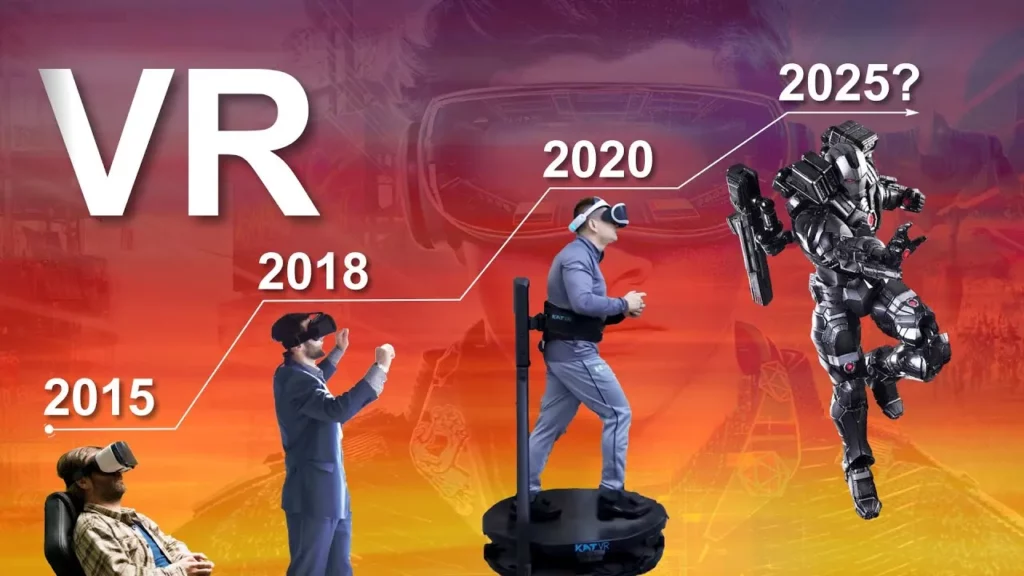
The lesson discusses the anticipated evolution of virtual reality (VR) by 2025, highlighting its potential to create immersive experiences that blur the lines between film, gaming, and education. With advancements in technology, including AI and tactile feedback, VR is expected to enhance user engagement and realism, while overcoming challenges like motion sickness. As the industry grows, projected to reach nearly $88 billion, VR could revolutionize not only entertainment but also education and remote work, making standalone headsets and cloud-based processing the new standard.
XR – The Future of VR, AR & MR in One Extended Reality
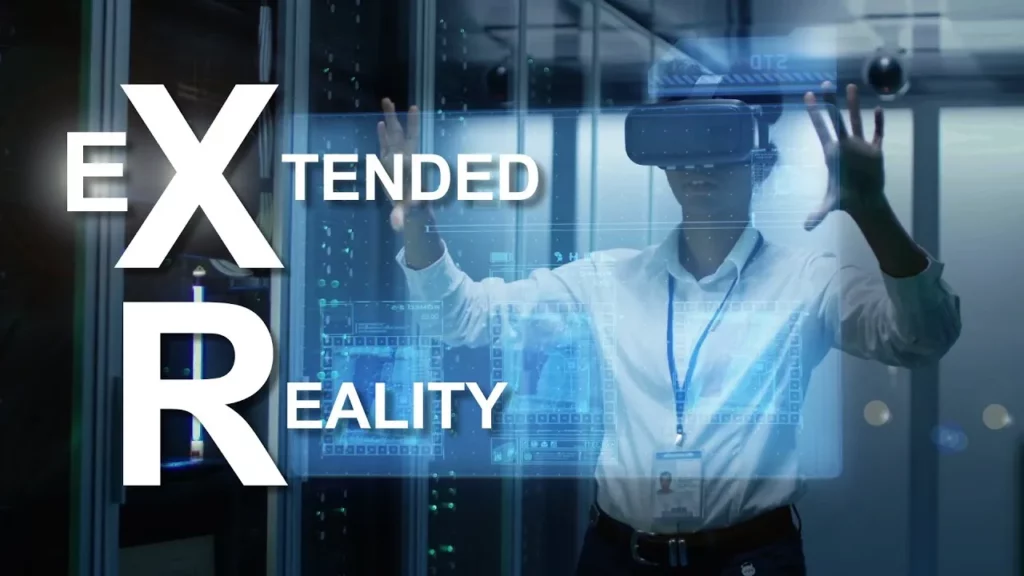
The lesson explores the concept of Extended Reality (XR), which encompasses virtual reality (VR), augmented reality (AR), and mixed reality (MR), highlighting their unique characteristics and applications. It discusses the historical context of technological evolution, emphasizing how XR represents a significant leap forward in immersive experiences, with potential uses in various fields beyond gaming. The future of XR looks promising, with advancements aimed at creating affordable, integrated devices that leverage 5G technology for enhanced user experiences.
How Internet of Things – IoT & Cyber Physical Systems Will Shape The 4th Industrial Revolution
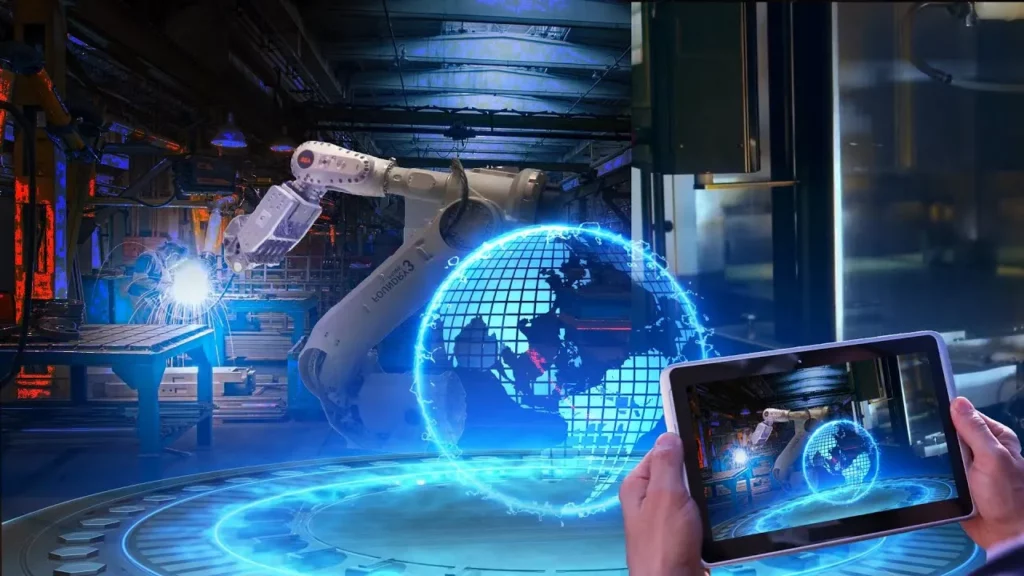
The lesson discusses the transformative impact of the Internet of Things (IoT) and cyber-physical systems on the Fourth Industrial Revolution, emphasizing the significance of data as a critical resource in modern society. It highlights the exponential growth of technology, particularly in areas like healthcare, autonomous vehicles, and agriculture, where innovations are enhancing efficiency and decision-making. Additionally, the lesson underscores the importance of data security and privacy as these technologies become increasingly integrated into everyday life.
These Mega-Colossal Eruptions Dwarf The Yellowstone Supervolcano

The lesson discusses the scale and impact of mega-colossal volcanic eruptions, particularly comparing them to the well-known Yellowstone supervolcano. It highlights three significant eruptions at Yellowstone, their geological consequences, and the potential global climatic effects of such events, including the Toba eruption, which may have drastically influenced human evolution. The lesson emphasizes the importance of understanding these eruptions to appreciate their power and the historical forces that shape our planet.
Why The Car of The Future is an Autonomous Electric Car
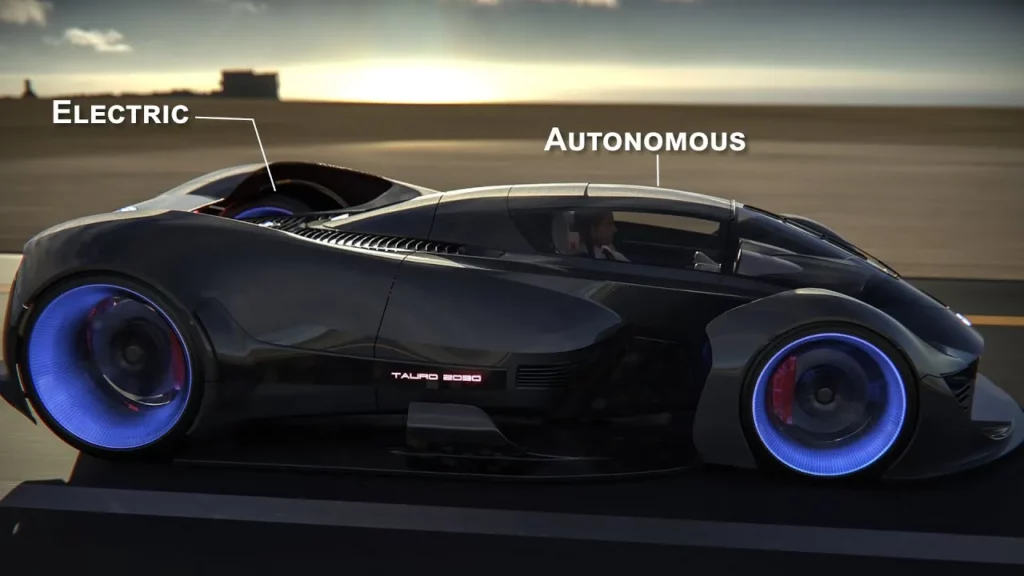
The lesson discusses the transformation of the automotive industry towards electric and autonomous vehicles, highlighting the rise of electric vehicles (EVs) and their environmental benefits, as well as the advancements in autonomous driving technology. It emphasizes the challenges of achieving full autonomy, including technical, ethical, and consumer acceptance issues, while noting that major car manufacturers are heavily investing in EV development. Ultimately, the future of transportation is expected to feature fully electric and self-driving cars, significantly impacting safety, costs, and sustainability.