
The Dawn of Artificial General Intelligence – Can We Survive a Post AGI World?
The lesson explores the transformative potential of artificial general intelligence (AGI) and the challenges it poses for humanity’s future. It discusses the inevitability of superintelligence due to technological progress and the risks associated with misalignment of AI goals with human values, highlighting the importance of effective control measures. Ultimately, while the rise of AGI presents significant risks, it also offers opportunities for advancements that could enhance human existence, provided we navigate these developments thoughtfully.
Robots & Artificial General Intelligence – How Robotics is Paving The Way for AGI
The lesson explores the evolution of robots and their potential role in achieving Artificial General Intelligence (AGI), highlighting the definition of robots, their historical context, and advancements in technology. It discusses the ethical implications of creating intelligent machines, referencing the need for human oversight and the importance of ethical guidelines, such as Asimov’s laws of robotics, to prevent potential risks associated with advanced AI. As robots become more human-like, the lesson emphasizes the necessity of thoughtful decision-making to ensure their integration into society is beneficial and safe.
The Dominance of Artificial General Intelligence – AGI The Final Chapter
The lesson explores the concept of Artificial General Intelligence (AGI), highlighting its potential to surpass human intelligence and the associated risks. While AGI could bring remarkable advancements, it also poses existential threats if not developed with caution. The discussion emphasizes the importance of preparing for AGI’s arrival and ensuring that its development aligns with human values and safety, potentially through a symbiotic relationship between humans and machines.
Can We Merge With Artificial General Intelligence? – The AGI Symbiosis
The lesson explores the potential for merging human intelligence with artificial general intelligence (AGI) as a means to adapt to the rapidly advancing capabilities of AI. It highlights the risks associated with superintelligent AI, emphasizing the need for careful regulation and planning to ensure that AI development aligns with human interests. Ultimately, the merging of human and machine intelligence could offer a promising path forward, enabling a harmonious coexistence that unlocks new possibilities for human evolution.
How Artificial Intelligence is Making LAWs – They’re Not What You Think!
The lesson explores the transformative impact of artificial intelligence (AI) on military technology, highlighting its role in developing autonomous systems that can operate independently in combat scenarios. While advancements like the unmanned naval vessel Sea Hunter demonstrate the potential for increased efficiency and reduced operational costs, the lesson also emphasizes the ethical concerns and the need for regulations to ensure responsible use. As AI continues to evolve, its implications for security and international relations are becoming increasingly significant, necessitating ongoing dialogue about human oversight in military decision-making.
Elon Musk’s Question to AI: What’s Outside The Simulation?
The lesson explores the concept of reality through the lens of the simulation hypothesis, which suggests that our experiences may be part of an artificial simulation rather than base reality. It discusses advancements in quantum mechanics and virtual reality, highlighting perspectives from thinkers like Elon Musk and philosopher Nick Bostrom, who argue that the likelihood of living in a simulation is statistically significant. The lesson raises profound questions about the nature of existence and the potential for future technologies to blur the lines between reality and simulation.
Elon Musk’s Final Warning About AI: Should We Create a Digital Superintelligence?
The lesson discusses the potential and risks associated with the development of digital superintelligence, highlighting concerns raised by figures like Stephen Hawking and Sam Harris about the existential threats posed by advanced AI. It emphasizes the rapid advancements in AI technology, the need for regulation and safety measures, and the importance of aligning AI with human values to prevent unintended harmful consequences. Ultimately, the lesson calls for a cautious and responsible approach to AI development to ensure it benefits humanity rather than poses a threat.
Harvard Professor Wants to Slow Down & Reverse Aging: David Sinclair’s Approach For a Longer Life

In this lesson, Harvard Professor David Sinclair presents a revolutionary perspective on aging, proposing that it should be viewed as a disease that can be slowed down or even reversed through scientific advancements. He emphasizes the role of epigenetic changes and the potential of genetic engineering, alongside lifestyle modifications such as caloric restriction and exercise, to enhance longevity and improve health. Sinclair’s research suggests that by understanding and manipulating the biological mechanisms of aging, we may unlock the secrets to extending human life significantly.
Elon Musk’s Neuralink May Be The Solution to The AI Control Problem – Part 1
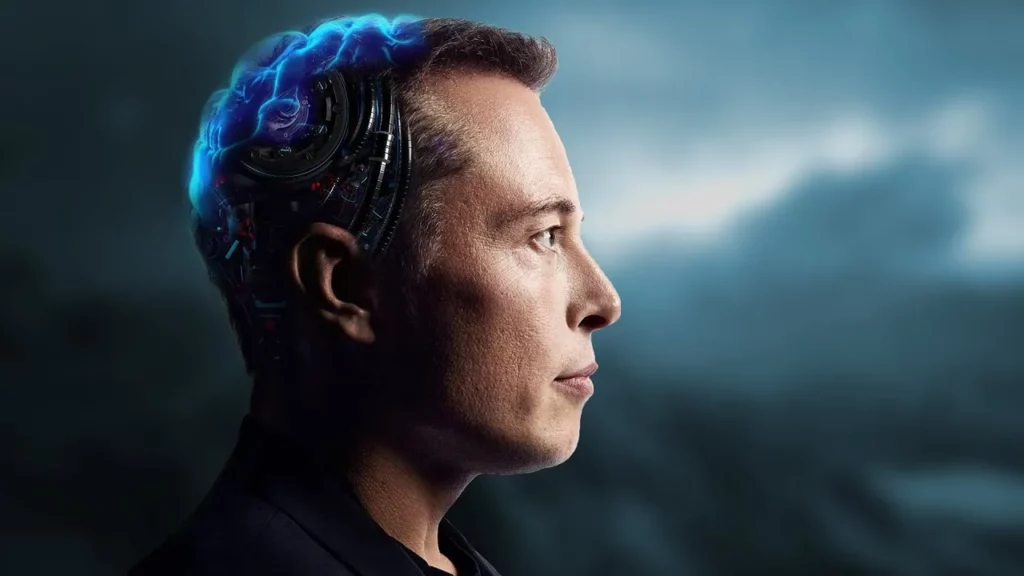
The lesson discusses Elon Musk’s Neuralink as a potential solution to the AI control problem, emphasizing the importance of defining AI goals carefully to avoid unintended consequences. Neuralink aims to integrate brain-computer interfaces with human cognition, potentially enhancing human capabilities while addressing the risks associated with superintelligent AI. The lesson highlights the dual nature of technological advancement, presenting both opportunities for improvement in human life and concerns about the future implications of AI development.
Elon Musk VS Jeff Bezos: The Battle of The Billionaires For Space
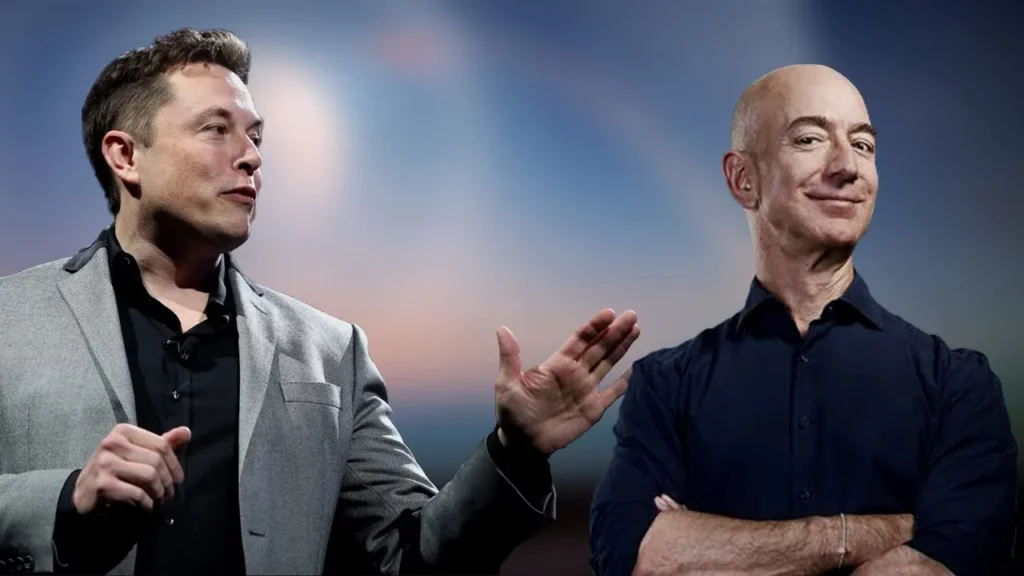
The lesson explores the rivalry between Elon Musk and Jeff Bezos in the realm of space exploration, highlighting their distinct visions for humanity’s future in space. Musk’s SpaceX aims to make humanity a multi-planetary species, while Bezos’s Blue Origin focuses on creating sustainable orbital habitats. Both companies are advancing reusable rocket technology and competing for NASA contracts, signaling a transformative era in space travel that could unlock vast resources and opportunities for human civilization.