
The Origin of The Universe With Neil deGrasse Tyson
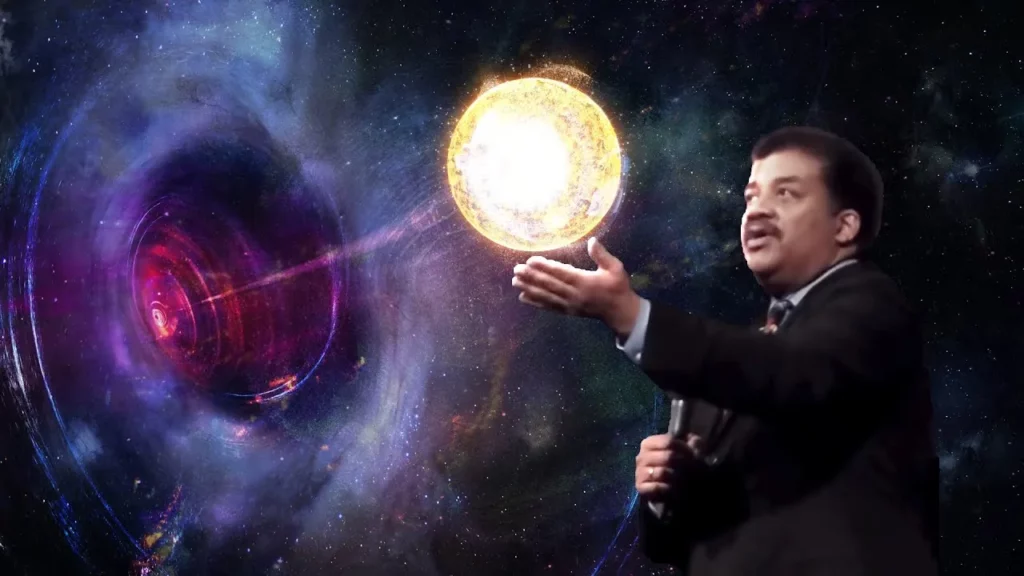
In this lesson, Neil deGrasse Tyson explores the origins of the universe, beginning with quantum fluctuations that led to the Big Bang and the subsequent inflationary period, which is evidenced by the cosmic microwave background. He discusses the evolution of the universe over approximately 13.7 billion years, the foundational Big Bang theory, and the possibility of a multiverse, while highlighting key historical discoveries that have shaped our understanding of cosmology. Ultimately, the lesson emphasizes our integral connection to the universe and the ongoing quest for knowledge about its mysteries.
Neil deGrasse Tyson: Are We Alone in The Universe?
In the lesson “Are We Alone in The Universe?” by Neil deGrasse Tyson, the origins of chemical elements essential for life are explored, highlighting their formation in stars and subsequent distribution across the galaxy. The vastness of the universe, with its estimated two trillion galaxies and countless exoplanets, raises the possibility of extraterrestrial life, prompting ongoing research through initiatives like SETI and advancements in technology such as the James Webb Space Telescope. Ultimately, the lesson emphasizes the profound implications of discovering life beyond Earth, challenging our understanding of existence and our place in the cosmos.
Elon Musk: Are We Living in a Simulation?
The lesson explores the simulation hypothesis, popularized by figures like Elon Musk and Neil deGrasse Tyson, which posits that our reality may be a computer-generated simulation. It discusses the evolution of technology, philosophical arguments by Nick Bostrom, and potential methods for testing the hypothesis, while also addressing criticisms regarding its scientific validity. Ultimately, the lesson encourages reflection on the nature of existence and the importance of living a meaningful life, regardless of whether we are in a simulation or base reality.
Is Time Travel Possible? – The Science of Time With Neil deGrasse Tyson
In the lesson “Is Time Travel Possible?” Neil deGrasse Tyson explores the intriguing concept of time travel through the lens of physics, particularly Einstein’s theories of relativity. While traveling into the future is theoretically feasible by moving at high speeds, traveling to the past presents significant challenges, including paradoxes and the need for exotic matter. The discussion also touches on experimental evidence for time dilation and various theoretical proposals, ultimately questioning the very nature of time itself.
The Multiverse Hypothesis Explained by Brian Greene
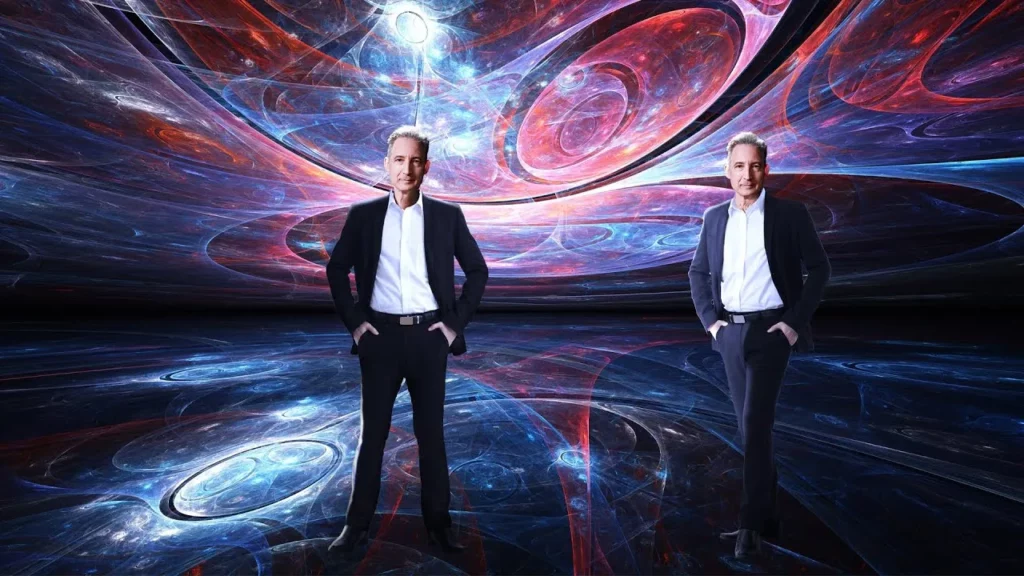
In this lesson, Brian Greene explores the multiverse hypothesis, which posits that our universe may be just one of many within a larger cosmos. He discusses various models of the multiverse, including the roles of mathematics and quantum mechanics in supporting these theories, while also addressing the challenges of proving their existence. Ultimately, Greene presents a compelling case for the multiverse as a serious consideration in modern physics, highlighting its implications for our understanding of reality.
Could Intelligent Alien Life be AI?
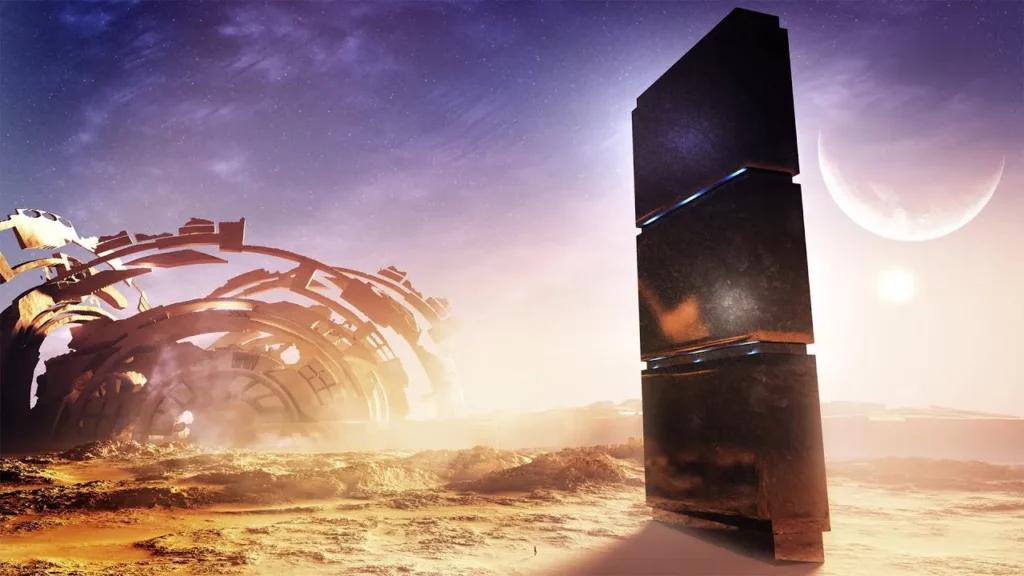
The lesson explores the possibility that intelligent alien life could be artificial intelligence (AI) rather than biological beings, challenging our assumptions about extraterrestrial life forms. It discusses the limitations of our current technology in detecting such life and emphasizes the need to consider non-biological entities in our search for intelligence in the universe. Additionally, it highlights the challenges of interstellar travel and the ongoing efforts of organizations like the SETI Institute to find signs of intelligent life, suggesting that future discoveries may come from advanced AI rather than organic civilizations.
Elon Musk Wants Mars’s Population to Reach 1,000,000 by 2050
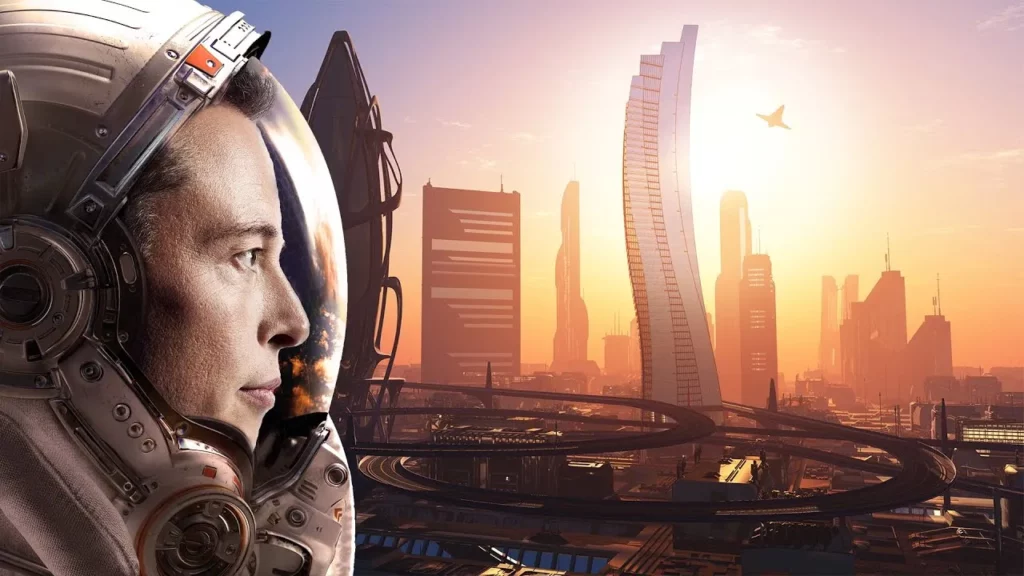
The lesson discusses Elon Musk’s ambitious vision for colonizing Mars, aiming for a population of one million by 2050. It highlights the challenges of living on the Red Planet, including its harsh environment and the need for advanced technology, such as SpaceX’s Starship spacecraft, to facilitate travel and establish a self-sustaining civilization. As interest in Mars colonization grows, the lesson emphasizes the potential for humanity to become a multi-planet species in the near future.
An Extinction Level Asteroid Impact With Neil deGrasse Tyson
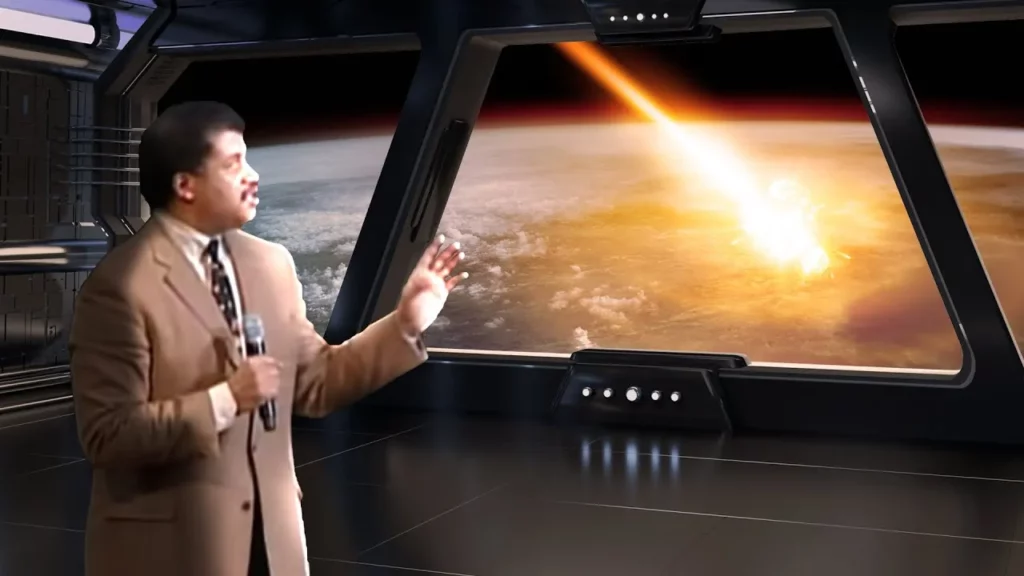
In this lesson, Neil deGrasse Tyson discusses the nature of asteroids, particularly near-Earth objects (NEOs), and the potential threats they pose to Earth. He highlights the importance of tracking these celestial bodies, exemplified by the asteroid Apophis, and emphasizes the need for advanced strategies, such as gravitational tractor beams, to prevent potential collisions. The lesson underscores the significance of ongoing research and international collaboration in safeguarding our planet from asteroid impacts.
Is Superintelligent AI an Existential Risk? – Nick Bostrom on ASI
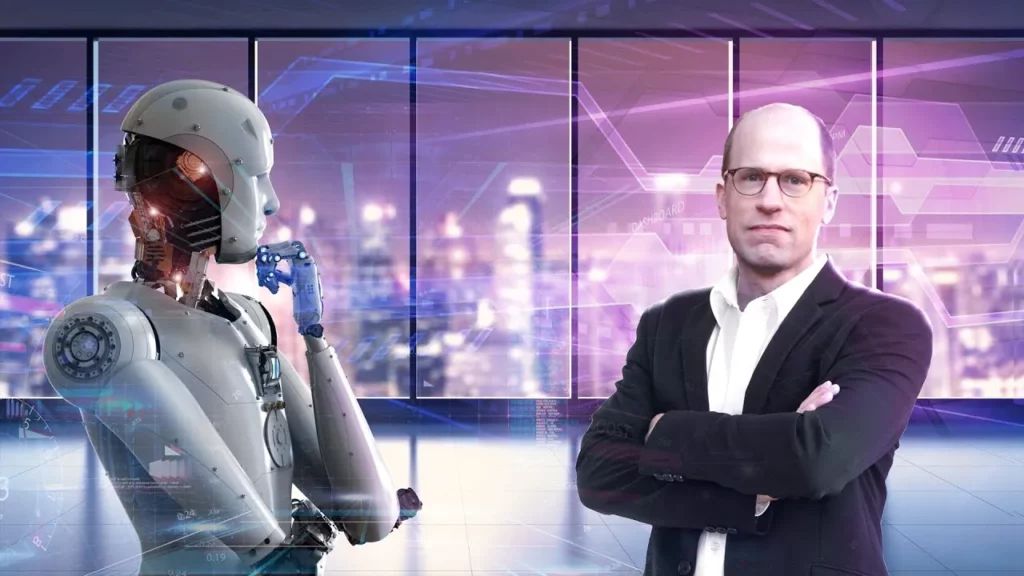
The lesson discusses the concept of superintelligent AI, which could surpass human intelligence and potentially lead to an “intelligence explosion,” as introduced by I.J. Good. While superintelligence poses significant existential risks, it also has the potential to address other global threats. Experts predict that artificial general intelligence (AGI) could emerge between 2040 and 2050, highlighting the importance of preparing for the ethical and safety implications of advanced AI development.
The Multiverse Hypothesis Explained by Max Tegmark
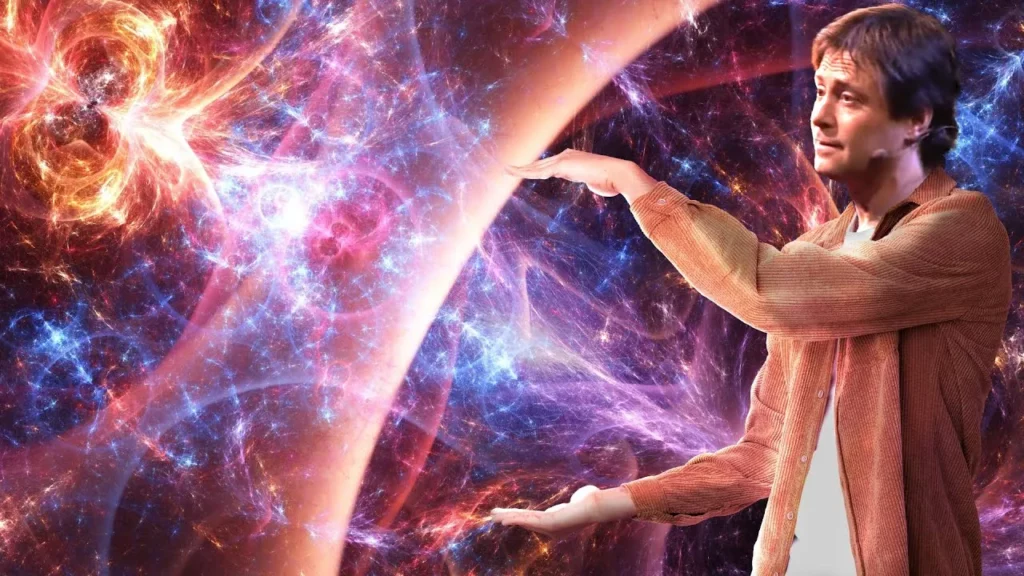
The lesson on the multiverse hypothesis, as explained by Max Tegmark, delves into the concept of parallel universes, originating from Hugh Everett’s work in quantum mechanics. Tegmark categorizes these multiverses into four distinct levels, each presenting different implications for our understanding of space, time, and the fundamental laws of physics, while also sparking ongoing debates about the scientific validity of such theories. Ultimately, the multiverse hypothesis challenges our perceptions of reality and encourages exploration beyond the limits of our observable universe.