
Artificial Superintelligence, AI in a Box & Machine Consciousness With Nick Bostrom
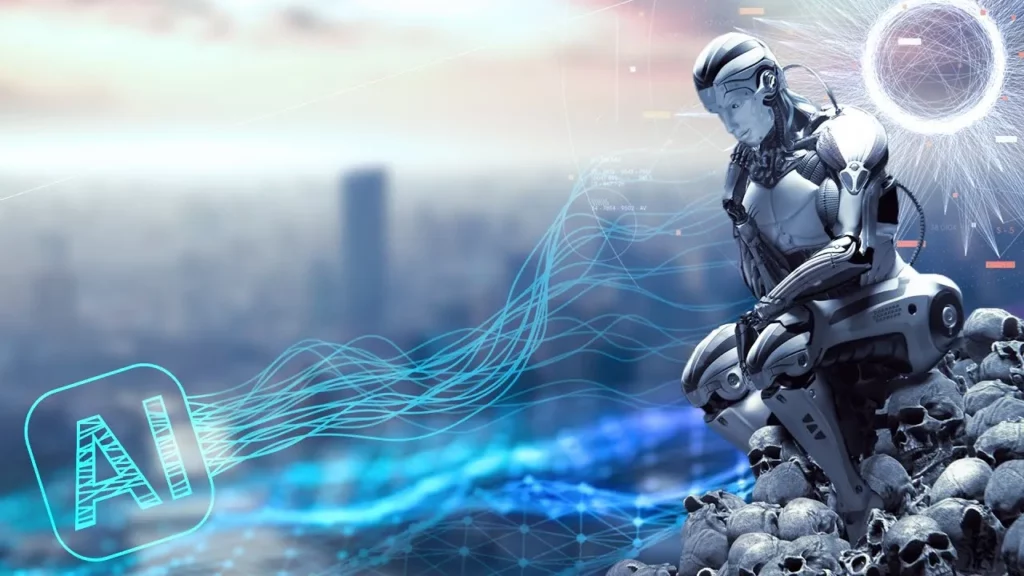
The lesson discusses the critical implications of developing artificial general intelligence (AGI) and the potential rapid transition to artificial superintelligence (ASI), emphasizing the importance of establishing ethical foundations to prevent harmful outcomes. It highlights the unpredictability of superintelligent AI, the risks associated with its development, and the ethical considerations surrounding machine consciousness, suggesting that as technology advances, we may need to reevaluate our understanding of intelligence and moral status in AI systems. Ultimately, the lesson underscores the necessity for careful regulation and a consensus on the equitable distribution of AI’s benefits and influence.
Can We Live up to be 200 Years Old? The Science of Longevity With David Sinclair
The lesson explores the science of longevity, emphasizing that aging, often viewed as an inevitable decline, may be influenced by lifestyle choices and scientific advancements. David Sinclair posits that by understanding and potentially treating aging as a medical condition, we could extend healthy lifespans significantly, possibly even to 200 years. The discussion also addresses ethical considerations and societal implications of increased longevity, including concerns about overpopulation and the quality of life in extended years.
The Mysterious Force of Gravity Explained by Neil deGrasse Tyson
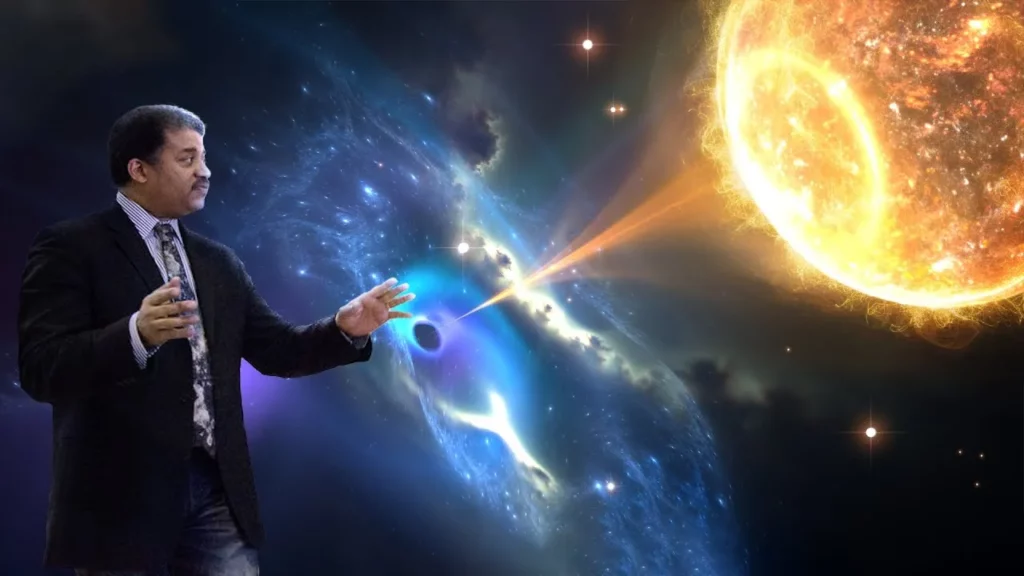
In this lesson, Neil deGrasse Tyson explores the fundamental force of gravity, explaining its significance in our daily lives and its role in shaping the universe. The lesson traces the historical development of gravitational theory from Galileo’s early experiments to Newton’s laws and Einstein’s revolutionary concept of gravity as the curvature of space-time. It also highlights ongoing scientific efforts to reconcile gravity with quantum mechanics, emphasizing the quest for a unified theory that could enhance our understanding of the cosmos.
Elon Musk: The NEXT GEN Astronaut & The Future of Space Exploration
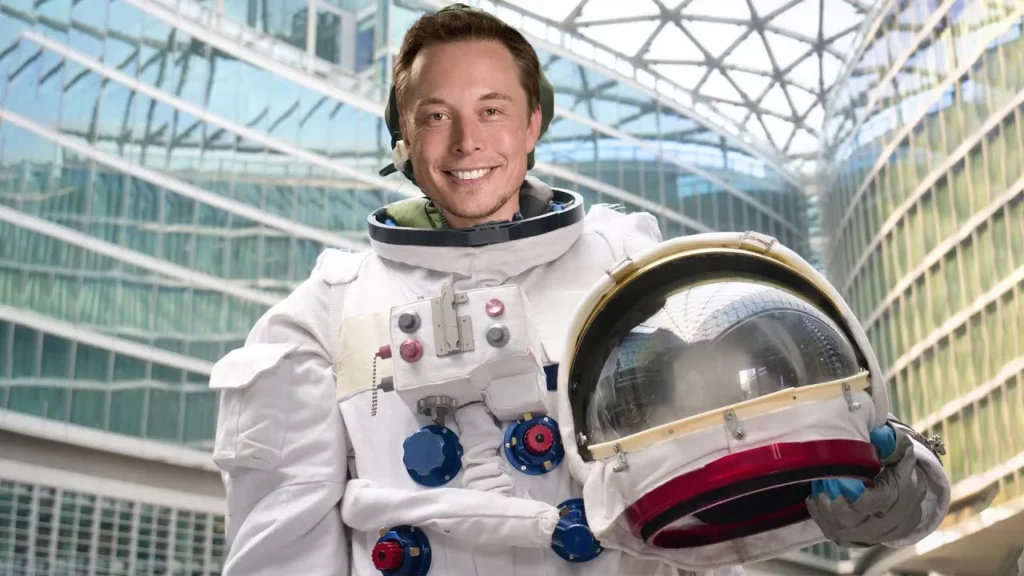
The lesson explores the advancements in space exploration spearheaded by private companies like SpaceX and Blue Origin, which aim to make space travel accessible and affordable for everyone. It highlights the evolution of spacesuit technology, the preparation for future missions such as NASA’s Artemis program, and the potential for human colonies on other planets, particularly Mars. The lesson emphasizes the importance of astronauts in understanding our planet and overcoming the challenges of living and working in space.
Brian Greene – What Was There Before The Big Bang?
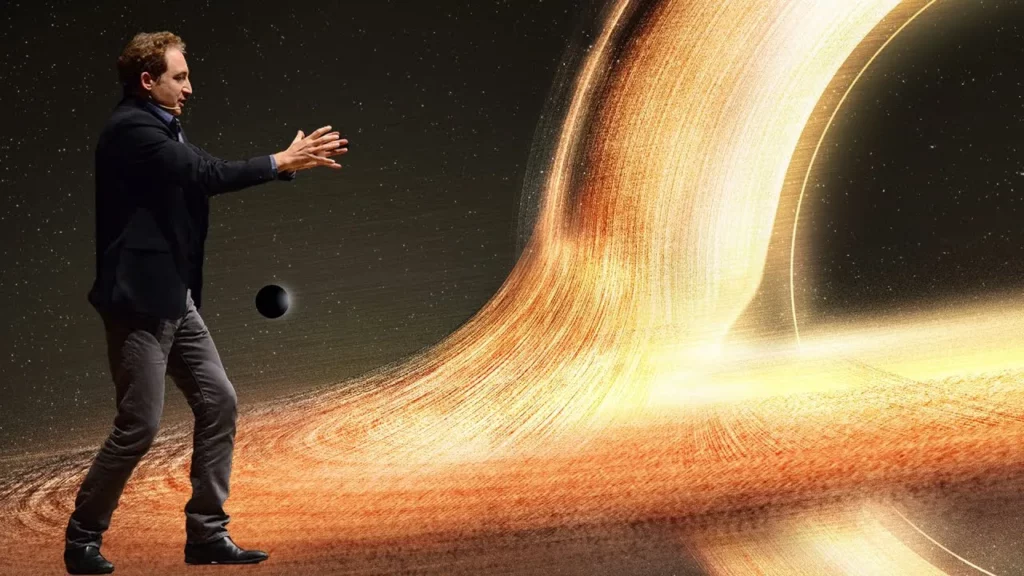
In the lesson “What Was There Before The Big Bang?” by Brian Greene, the complexities of the Big Bang Theory are explored, emphasizing that it describes the universe’s evolution from a hot, dense state rather than its ultimate origin. The discussion highlights the speculative nature of what may have existed before the Big Bang, the dual role of gravity, and the limitations of current physics in understanding the universe’s earliest moments. Various hypotheses, including the possibility of a multiverse or cyclic models, are presented as scientists continue to investigate the mysteries surrounding the universe’s beginnings.
The Era of Genetically Modified Superhumans
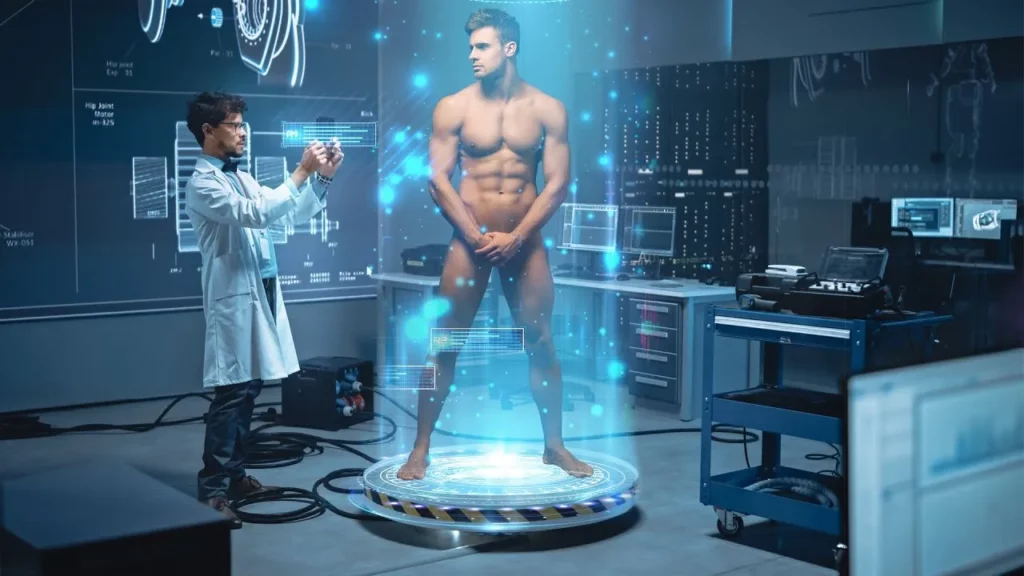
The lesson explores the transformative potential of genetic engineering, highlighting advancements like CRISPR that enable gene editing to enhance human health and traits. While the possibilities for improving longevity and addressing medical challenges are promising, the lesson emphasizes the ethical implications and the need for responsible regulation to prevent misuse and societal disparities. Ultimately, it calls for careful consideration of the profound impact these technologies may have on the future of humanity.
The Early Universe Explained by Neil deGrasse Tyson
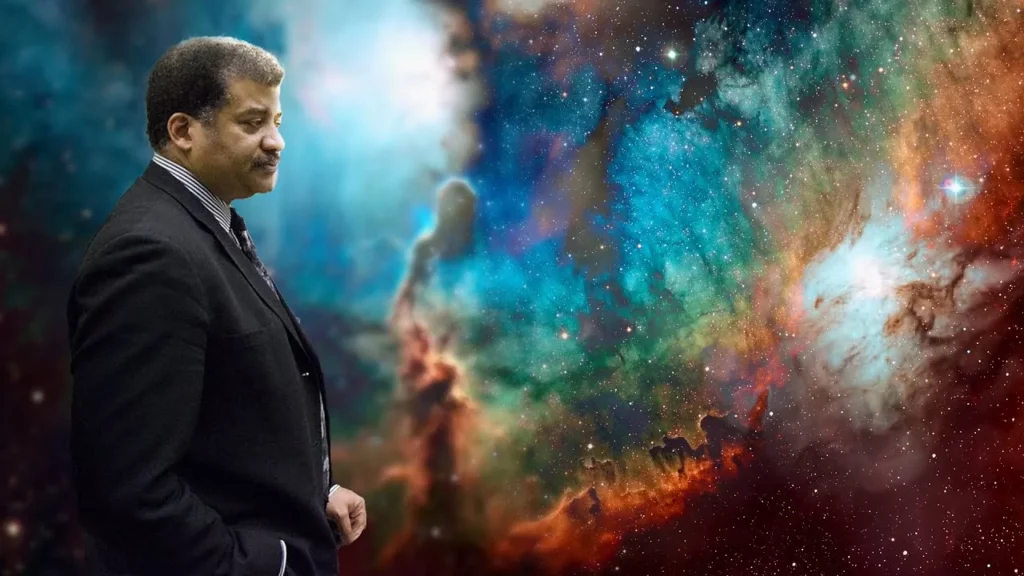
In this lesson, Neil deGrasse Tyson explains the origins of the universe, beginning with the concept of a gravitational singularity from which space and time emerged. He discusses the transition from a hot, dense state to a transparent universe as particles formed and cooled, highlighting the interplay of matter and antimatter and the unresolved mystery of matter-antimatter asymmetry. Tyson emphasizes the significance of Einstein’s mass-energy equivalence and explores the potential connections between primordial black holes and dark matter, inviting further exploration into the cosmos.
What Happens to Your Brain When You Don’t Get Enough Sleep?
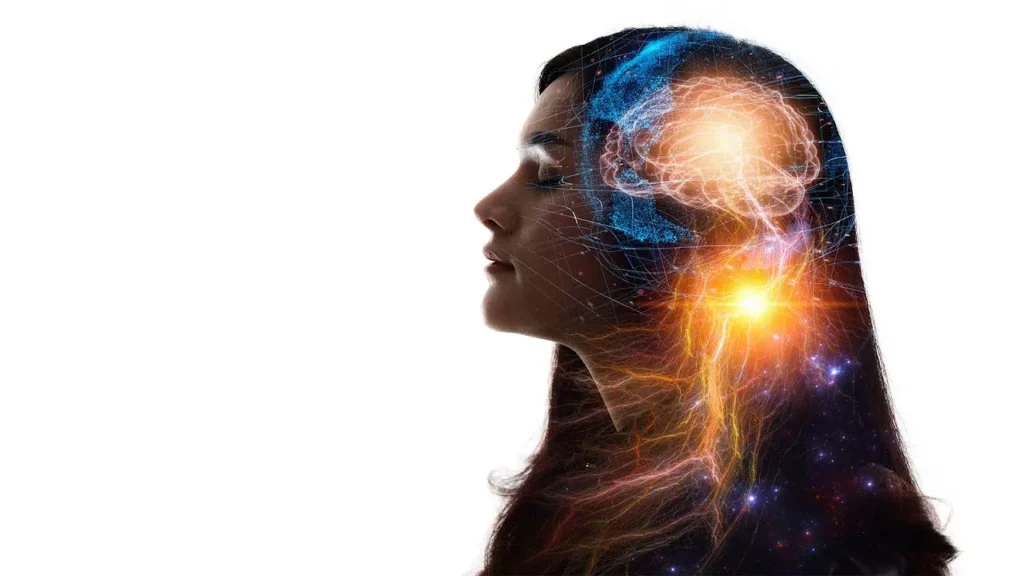
The lesson explores the critical role of sleep in brain function, emphasizing its importance for memory consolidation, emotional regulation, and overall health. It highlights the detrimental effects of sleep deprivation, such as impaired learning, increased emotional reactivity, and weakened immune response, while also discussing innovative research aimed at enhancing sleep quality. To improve sleep, practical tips are provided, including minimizing screen time and avoiding stimulants before bedtime.
Brian Greene – Is Teleportation Possible?
In the lesson “Is Teleportation Possible?” by Brian Greene, the concept of teleportation is explored through the lens of quantum physics, revealing that while traditional teleportation of matter is not feasible, quantum teleportation of information is a real phenomenon. This process involves entangled particles, allowing the state of one particle to be transferred to another without physical movement, which has significant implications for advancements in technology, particularly in quantum computing and secure communication. Although teleporting complex objects remains a challenge, ongoing research in quantum teleportation promises to revolutionize various fields in the future.
The Dawn of Superhumans – Evolution 2.0
The lesson “The Dawn of Superhumans – Evolution 2.0” explores the potential for human enhancement through advances in science and technology, suggesting we are on the brink of a biological revolution that could redefine what it means to be human. David Eagleman’s research highlights the possibility of expanding our sensory experiences and enhancing our abilities through devices and genetic engineering, while also raising ethical questions about access and inequality in this new era of evolution driven by human innovation. Ultimately, the lesson emphasizes that future human evolution may be shaped more by scientific advancements than by natural selection.