
The World’s Smelliest Flower
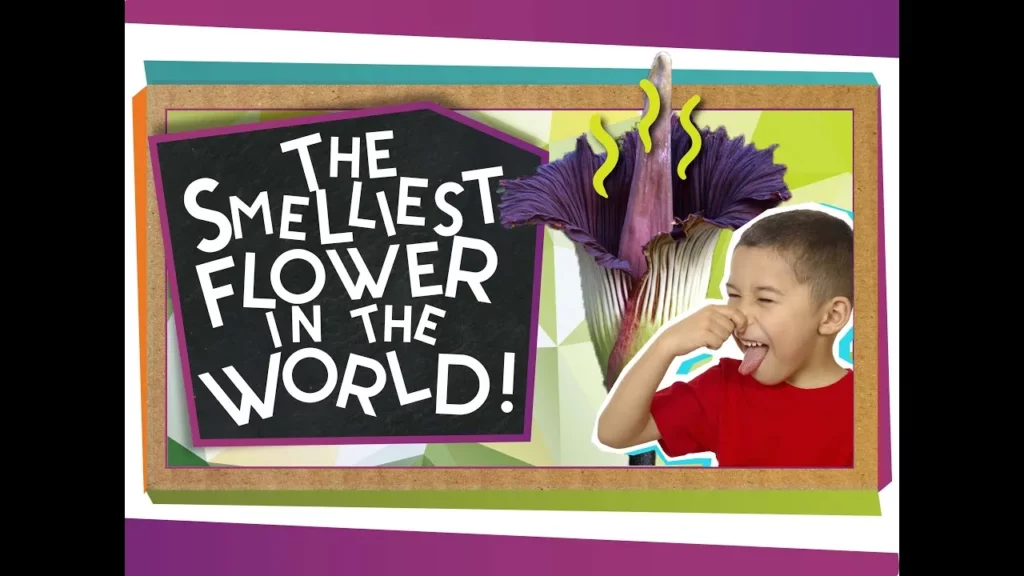
In today’s lesson, we explored the fascinating world of flowers, highlighting both sweet-smelling varieties like tulips and lilacs, as well as the infamous corpse flower, Trudy, known for its unpleasant odor. We learned about the process of germination, the importance of flowers in attracting pollinators for reproduction, and how even the smelliest flowers play a vital role in nature. Despite its stinky reputation, Trudy attracts many visitors when it blooms, showcasing the diverse and intriguing characteristics of flowers.
Constellations: Connect the Dots in the Sky!
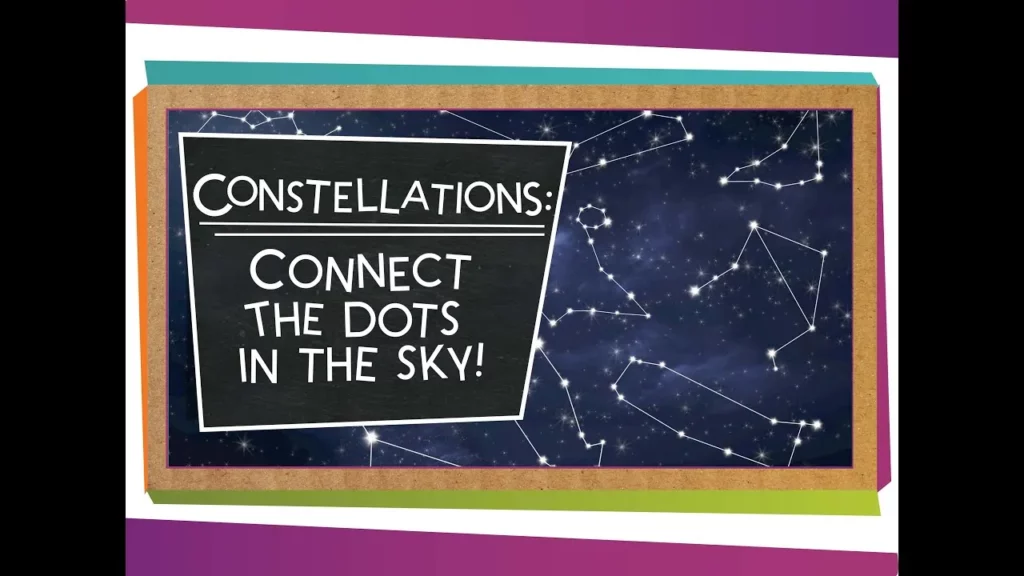
In this lesson, students explore the fascinating world of constellations, learning how groups of stars form recognizable patterns and stories that have captivated people for centuries. They discover famous constellations like the Big Dipper and Orion, as well as variations in names and interpretations across different cultures. The lesson encourages creativity by inviting students to observe the night sky and invent their own star stories.
3 Fun Facts About Bats!
In this lesson, students explore the fascinating world of bats, learning about their unique characteristics and behaviors. While some may find bats intimidating due to their nocturnal habits and associations with vampire bats, the lesson highlights their remarkable abilities, such as echolocation, their ability to hang upside down, and their nurturing nature as mothers. Overall, the lesson aims to shift perceptions of bats from scary to “scary-cool” by showcasing their importance and intriguing traits.
What Makes Bridges So Strong?
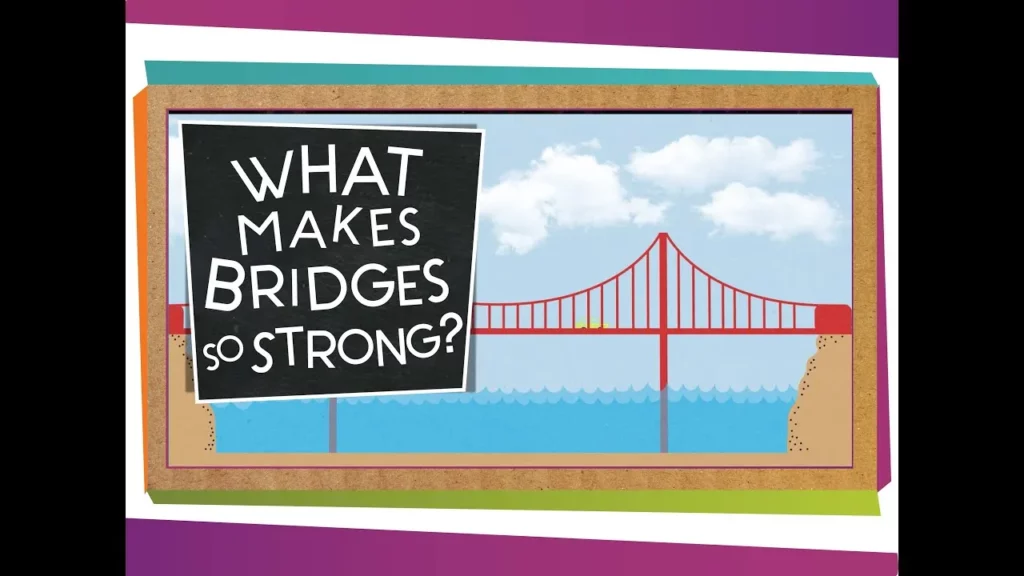
In this lesson, we explored the fascinating world of bridges and what makes them strong. We learned that engineers use special materials like iron and steel, along with smart designs that often incorporate strong shapes like triangles, to ensure bridges can support heavy loads. Different types of bridges, such as beam and suspension bridges, utilize unique structural elements to manage weight and span large distances effectively.
Why do We Brush Our Teeth?
In this lesson, we learned the importance of brushing our teeth to maintain oral health and prevent cavities. Brushing removes leftover food and harmful bacteria that can damage our teeth, ensuring they stay strong and functional for eating throughout our lives. By brushing at least twice a day, we can keep our teeth clean and healthy, contributing to our overall well-being.
Fun Facts About Groundhogs!
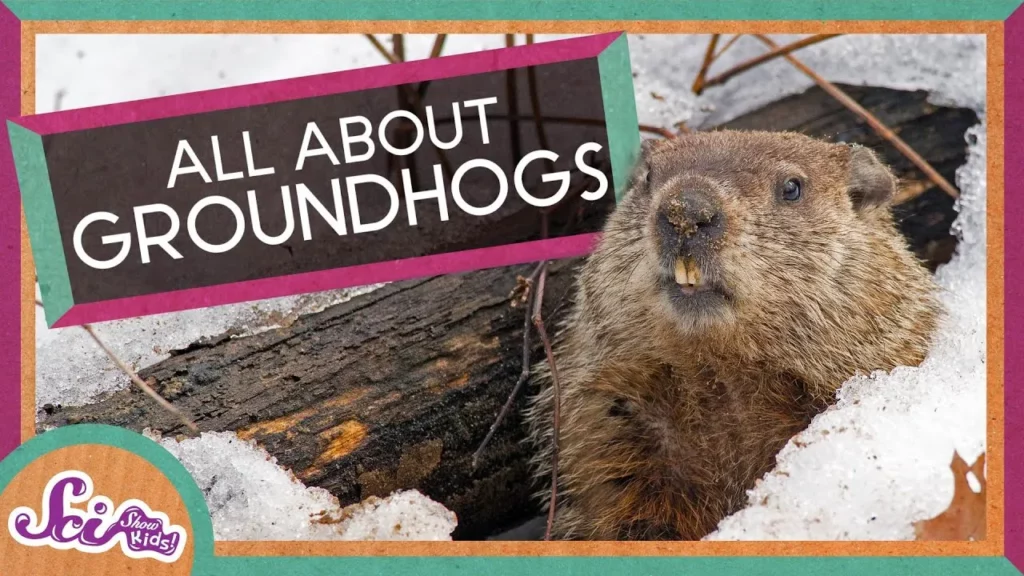
In this lesson, students explore Groundhog Day, celebrated on February 2nd, which features the famous groundhog Punxsutawney Phil predicting the weather. The lesson also delves into the biology and behavior of groundhogs, including their diet, unique burrows, and hibernation process, highlighting how these fascinating rodents adapt to their environment.
What Are Stars?
In this lesson, we explored the fascinating world of stars, starting with the question posed by young stargazer Alice: “What are stars and how do they work?” We learned that stars are massive balls of hot gas that produce energy, shining in various colors and sizes, from our average yellow dwarf Sun to the enormous blue supergiant Rigel and the small red dwarf Proxima Centauri. The lesson encourages curiosity about the night sky and invites further questions about the universe.
See Your Own Fingerprints!

In today’s lesson, we explored the fascinating world of fingerprints, which are unique patterns found on our fingertips that we carry with us everywhere and leave behind on surfaces we touch. Through a fun riddle and a simple experiment, we learned how to see our own fingerprints and discovered that they come in three main patterns: arches, loops, and whorls. Additionally, we discussed the importance of fingerprints in identifying individuals and their use in crime-solving and technology.
How Do Fish Breathe?
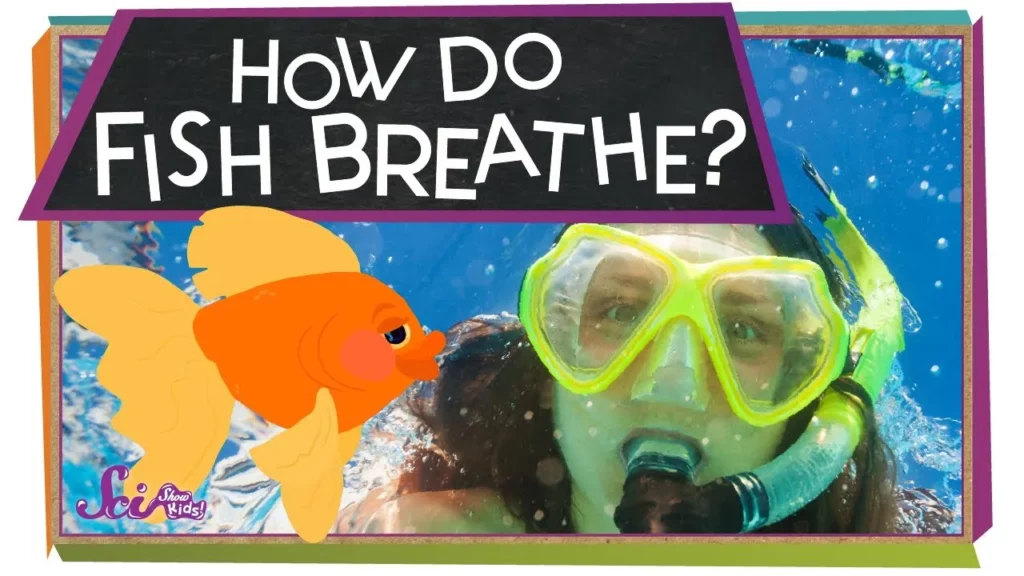
In this lesson, we introduced a new pet goldfish and explored his unique adaptations that enable him to thrive in water, such as his fins for swimming and gills for breathing. Unlike humans, who use lungs to extract oxygen from air, goldfish and other aquatic animals utilize gills to absorb oxygen from water. This highlights the fascinating differences in how various creatures adapt to their environments to survive.
Take a Tour of the Space Station
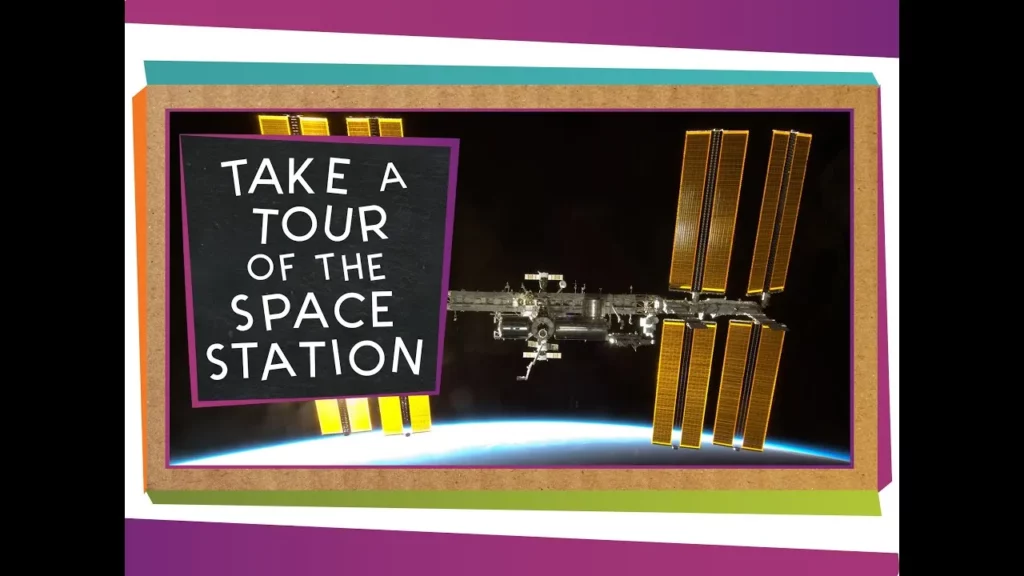
The lesson explores life on the International Space Station (ISS), where astronauts live and work while conducting scientific experiments in a unique low-gravity environment. It highlights the ISS’s structure, the challenges of daily living in space, and the importance of exercise and teamwork in maintaining health and conducting research. Ultimately, it emphasizes the incredible opportunity astronauts have to experience life beyond Earth and inspires future generations to consider space exploration.