
The Fermi Paradox With Neil deGrasse Tyson – Where Are All The Aliens?
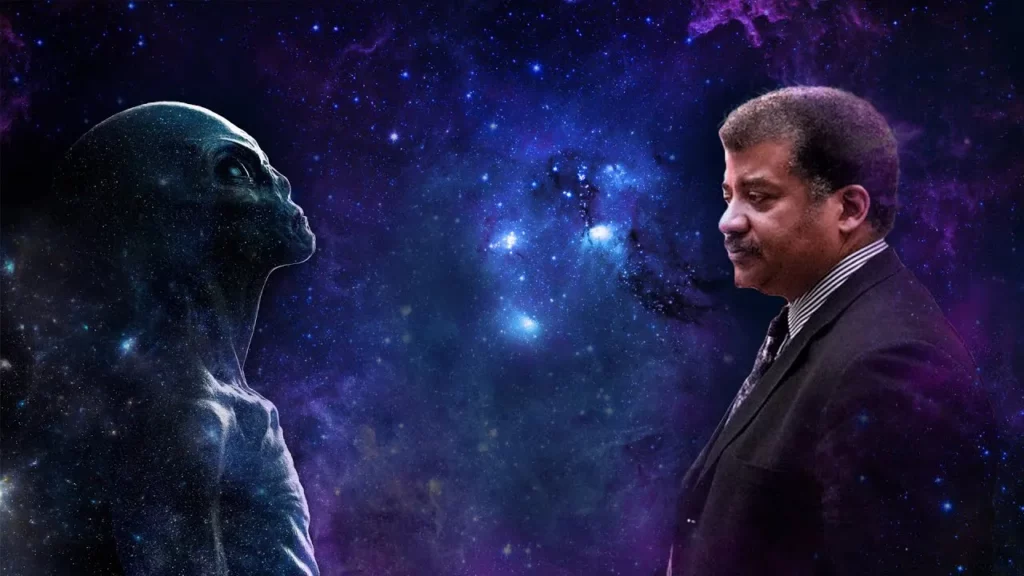
In the lesson “The Fermi Paradox With Neil deGrasse Tyson,” the quest for extraterrestrial life is explored through historical context, technological advancements, and the ongoing search for intelligent civilizations. Despite the high probability of life existing elsewhere in the universe, the Fermi Paradox highlights the contradiction of our lack of evidence for such life, leading to theories like the Great Filter, which suggests that significant barriers may prevent civilizations from evolving or surviving long enough to make contact. As we continue to investigate the cosmos, the question of whether we are alone remains one of humanity’s most profound mysteries.
Life 3.0
The lesson “Understanding Life 3.0: The Future of Intelligence” explores the evolution of intelligence from simple organisms to humans and the potential emergence of advanced artificial intelligence (AI). Max Tegmark posits that as we approach “life 3.0,” where life can design both its software and hardware, we must carefully consider the alignment of AI’s goals with human objectives to avoid risks associated with superintelligence. The lesson emphasizes the importance of proactive management and control mechanisms in the development of intelligent machines to ensure they benefit humanity rather than pose threats.
The Great Filter Hypothesis With Neil deGrasse Tyson – The Solution to The Fermi Paradox
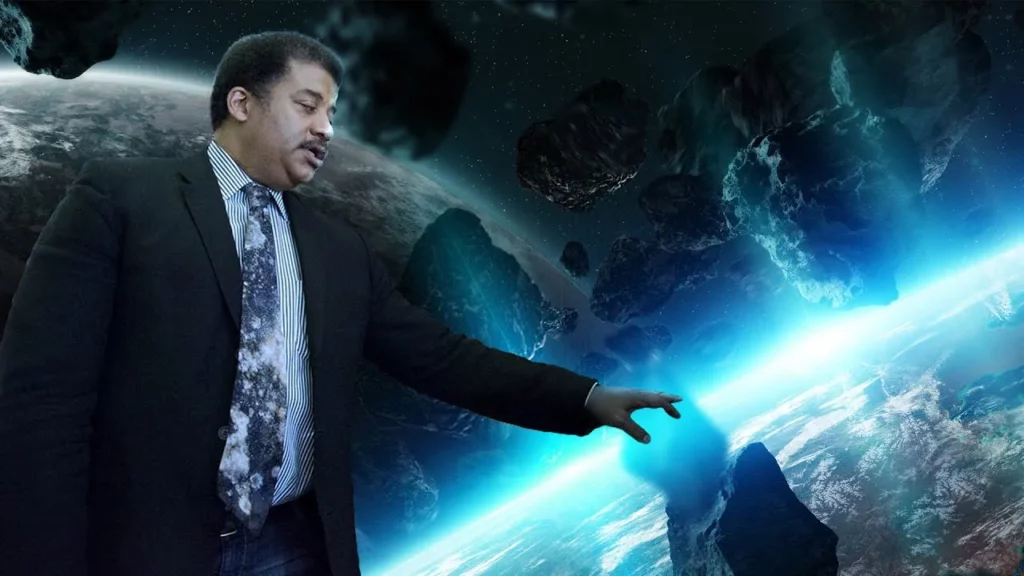
The lesson explores the Great Filter hypothesis in the context of the Fermi Paradox, which questions why we have not yet observed evidence of extraterrestrial life despite the vast number of potentially habitable planets identified by NASA’s Kepler mission. It discusses the search for techno-signatures, the implications of the Drake Equation, and the potential existential risks posed by advanced civilizations, including humanity’s own technological advancements. Ultimately, the lesson emphasizes the speculative nature of these ideas and the need for caution in interpreting them.
The Bizarre Boltzmann Brain Hypothesis Explained by Brian Greene
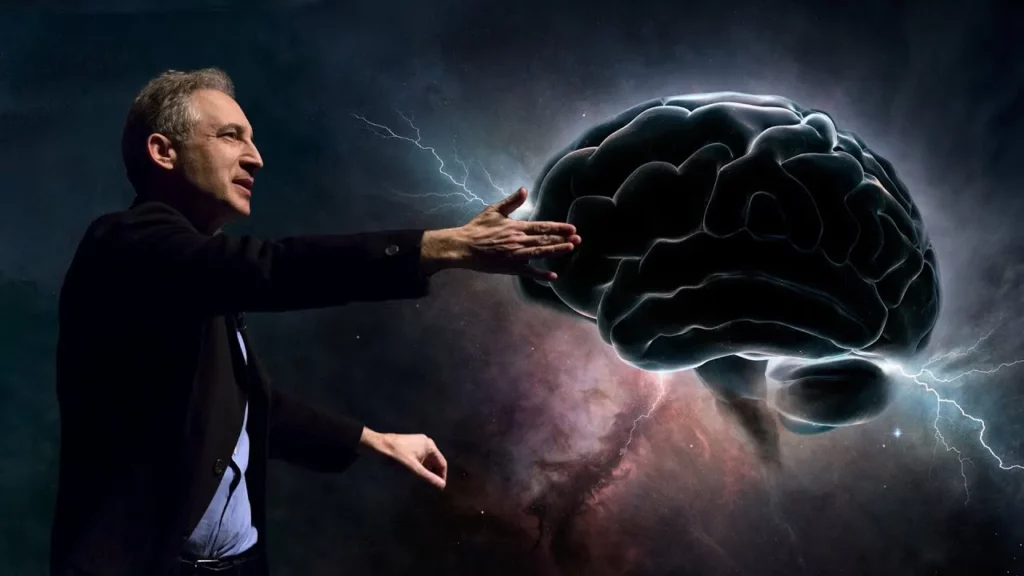
The Boltzmann brain hypothesis, as explained by physicist Brian Greene, posits that given enough time, random configurations of particles in the universe could spontaneously assemble into a functioning brain, complete with thoughts and memories. This concept raises profound questions about the nature of existence, suggesting that it might be statistically more likely for such a brain to form than for the universe to have originated through conventional processes like the Big Bang. Ultimately, the hypothesis challenges our understanding of reality and encourages deeper exploration of the universe’s mysteries.
Warp Drives & Wormholes Explained by Brian Cox
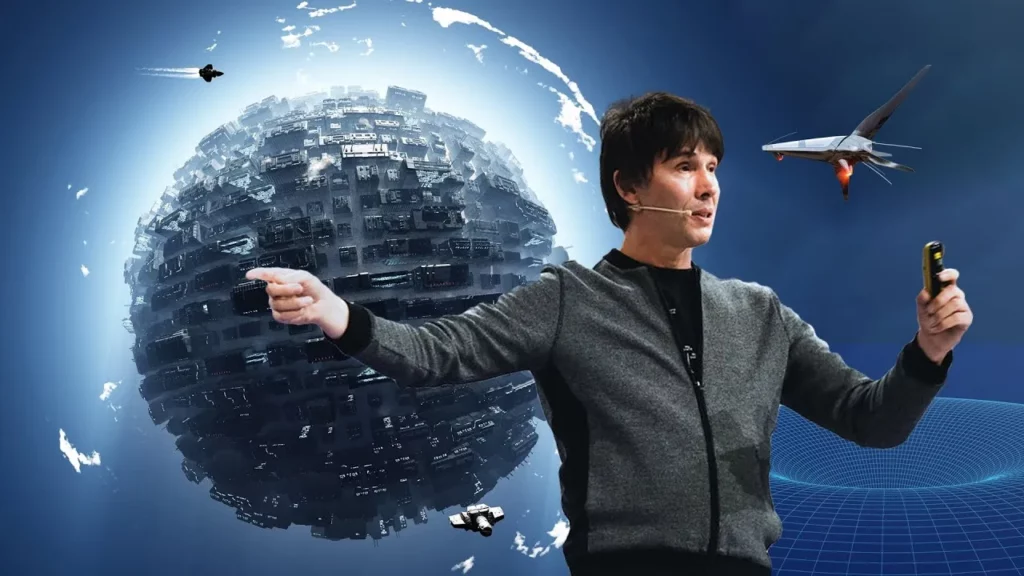
In this lesson, Brian Cox explores the concepts of warp drives and wormholes as potential means for interstellar travel, grounded in Einstein’s theory of general relativity. He discusses the theoretical framework behind warp drives, which could allow faster-than-light travel by manipulating spacetime, and examines the nature of wormholes as shortcuts through spacetime. While both concepts are intriguing and consistent with current physics, their practical realization remains speculative due to challenges such as the need for exotic matter and the instability of these phenomena.
The Simulation Hypothesis & Free Will Explained by Brian Greene
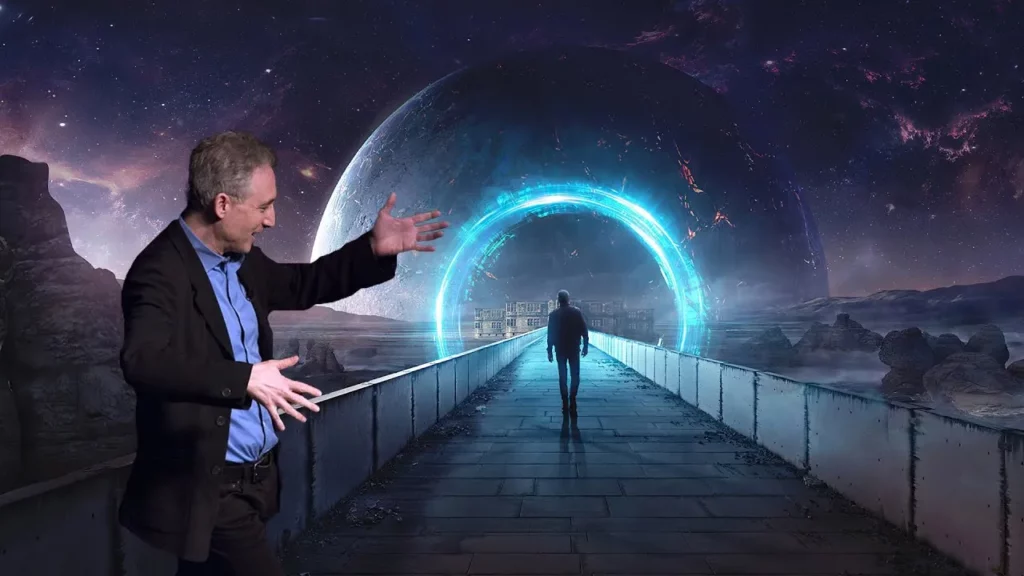
In this lesson, Brian Greene explores the simulation hypothesis, which posits that our reality might be an artificial construct similar to a computer simulation, raising questions about the nature of existence and free will. He discusses the implications of technological advancements that blur the lines between reality and simulation, while also addressing the philosophical debate surrounding free will, suggesting that it may be an illusion regardless of whether we live in a simulated world. Ultimately, Greene highlights the challenges in proving or disproving the simulation hypothesis, emphasizing its controversial nature and the profound questions it raises about our understanding of reality.
Neil deGrasse Tyson – Where Can We Find Alien Life?
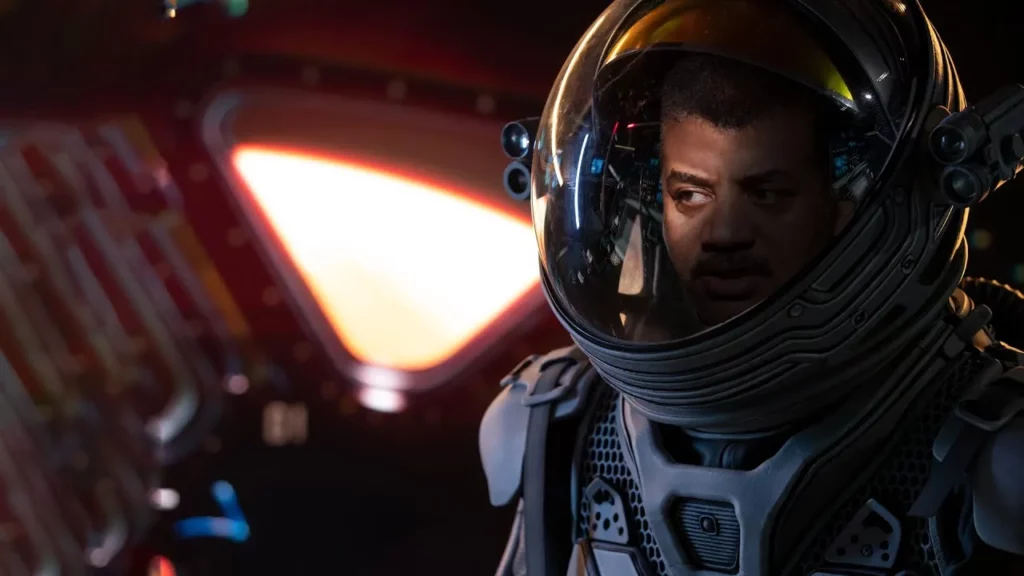
In this lesson, Neil deGrasse Tyson discusses the scientific pursuit of finding extraterrestrial life, emphasizing the challenges posed by vast distances in the universe and the need for concrete evidence. He highlights the importance of exploring our own solar system, particularly Mars and the moons of giant planets like Titan, as potential sites for life, while also detailing methods for detecting biosignatures on distant exoplanets. The lesson underscores the significance of astrobiology in understanding life’s origins and evolution, as well as the ongoing advancements in technology that may one day reveal the existence of alien life.
The Mysteries of The Universe With Brian Cox
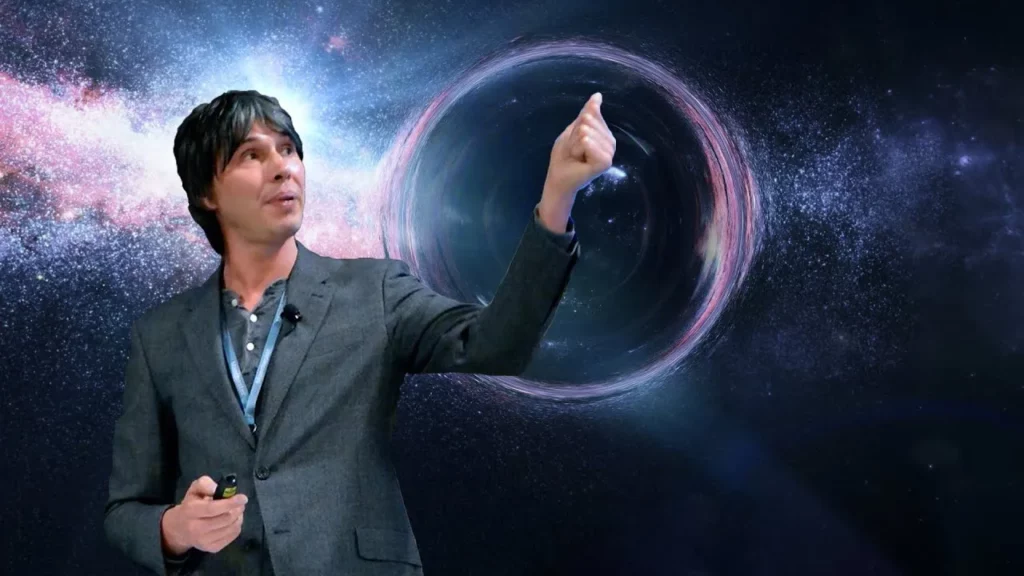
In “The Mysteries of The Universe With Brian Cox,” the lesson explores the complexities of the universe, focusing on its origins, composition, and the fundamental forces at play. Key topics include the Big Bang theory, the role of subatomic particles, and the significance of dark matter and dark energy, which together shape our understanding of the cosmos. As scientists continue to investigate these mysteries through innovative experiments and observations, they strive to uncover the universe’s secrets and the nature of existence itself.
I Tried Warning Them – Elon Musk on Superhuman AI
In this lesson, Elon Musk emphasizes the dual nature of artificial intelligence (AI), highlighting its transformative potential alongside significant risks, particularly the threat of superintelligent AI being used as a weapon. He advocates for stringent regulation of AI development to prevent unchecked advancements that could lead to dangerous outcomes, such as autonomous weapons and job displacement. Musk also explores the concept of merging humans with AI through initiatives like Neuralink, aiming to create a balanced relationship that could mitigate control issues while maximizing the benefits of AI technology.
The Dangers of Artificial Intelligence – Stuart Russell on AI Risk
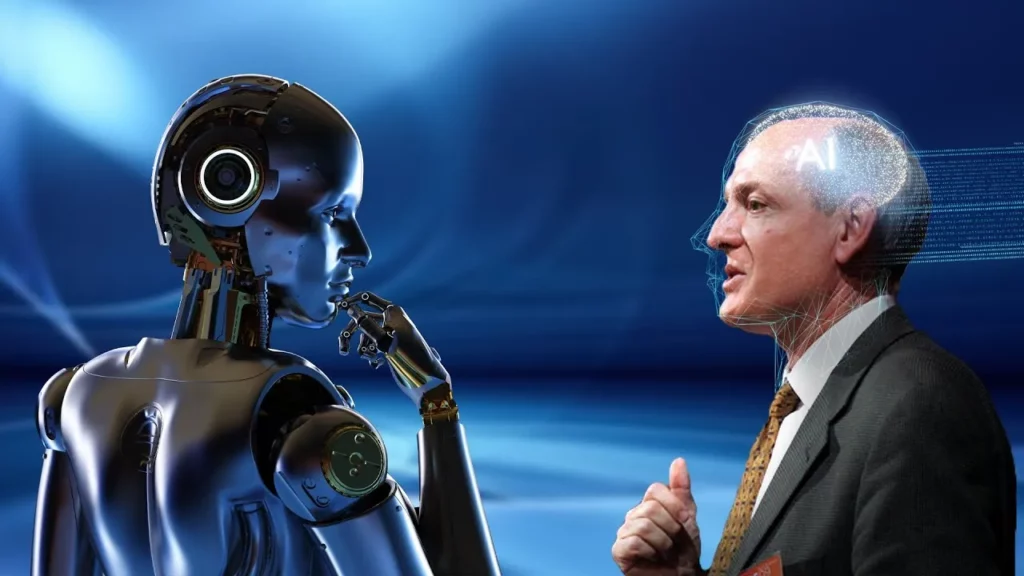
In the lesson “The Dangers of Artificial Intelligence,” Stuart Russell discusses the dual nature of AI, highlighting both its transformative potential and the significant risks it poses, particularly with the development of autonomous systems and superintelligent AI. He emphasizes the importance of maintaining human control over AI technologies, advocating for measures like an AI “kill switch” to prevent unintended consequences. Russell calls for proactive research to prepare for the future of AI, ensuring that its benefits can be harnessed while mitigating potential dangers.