
Can we Mine Large Asteroids? Neil deGrasse Tyson on The Risks & Benefits of Giant Asteroids
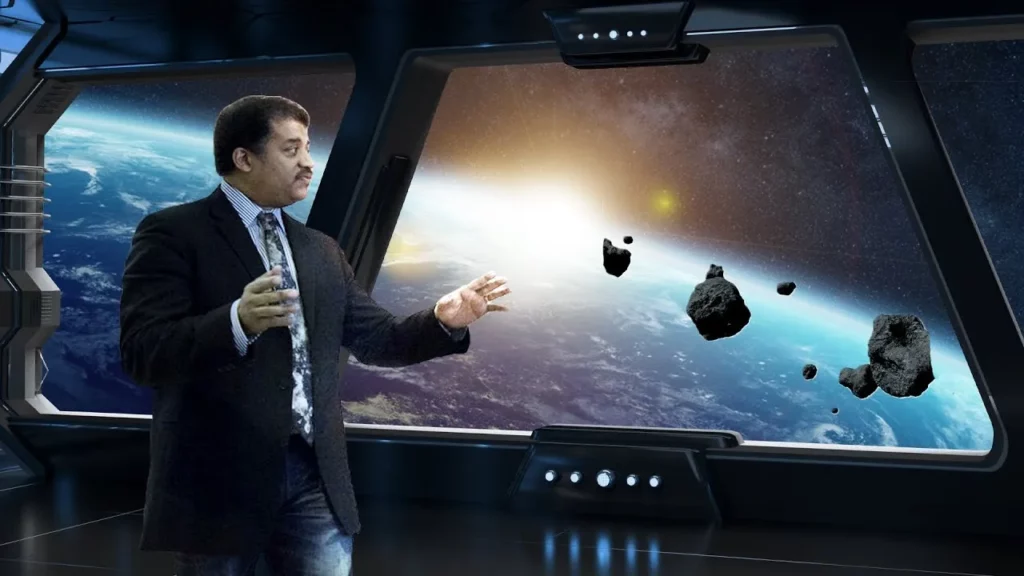
The lesson discusses the risks and benefits associated with large asteroids, highlighting their potential to cause catastrophic impacts on Earth, as evidenced by the extinction of the dinosaurs. It emphasizes the importance of space exploration for both preventing future asteroid collisions and exploring the economic opportunities of asteroid mining, despite current challenges such as high costs and technological limitations. Ultimately, the lesson advocates for advancing our space programs to safeguard humanity and harness the resources of asteroids for future innovation.
When Black holes & Neutron Stars Collide – Brian Cox on Gravitational Waves
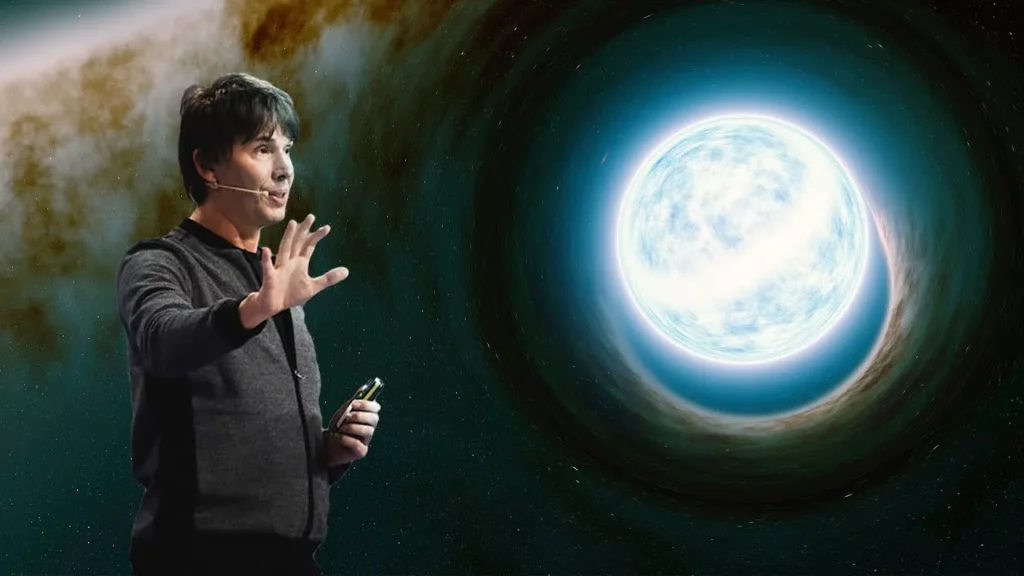
The lesson explores the origins of the universe, beginning with the Big Bang and the formation of massive stars that eventually lead to the creation of black holes. It highlights Einstein’s general theory of relativity, which explains gravity as the curvature of space-time, and introduces gravitational waves—ripples in space-time generated by massive cosmic events like black hole collisions and neutron star mergers. The lesson emphasizes the significance of detecting these waves through facilities like LIGO, which provides astronomers with unprecedented insights into the universe and its fundamental nature, potentially unlocking secrets about its early history and the existence of a multiverse.
The Bizarre Nature of Black holes Explained by Brian Greene
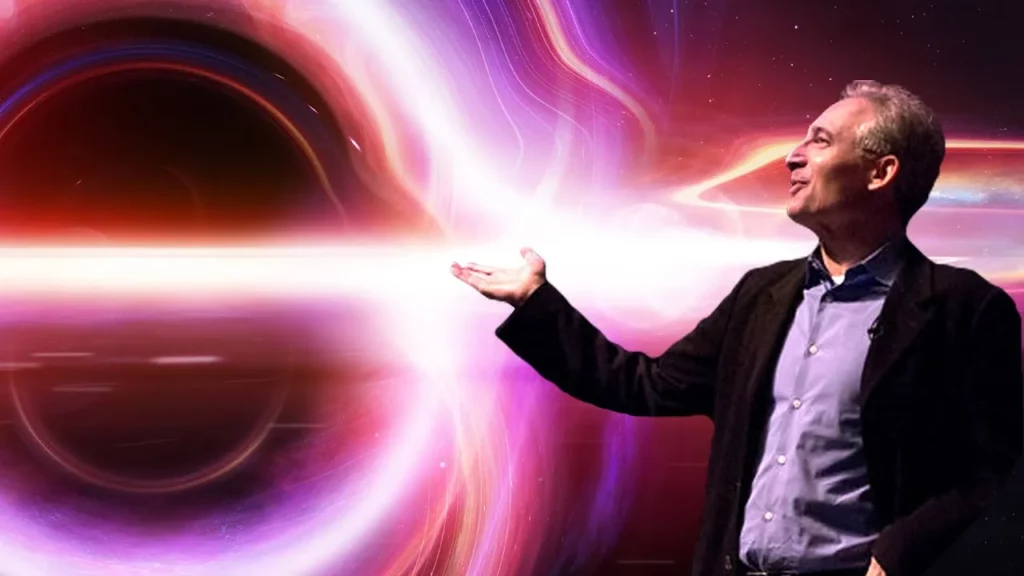
In this lesson, Brian Greene explores the fascinating nature of black holes, highlighting their prevalence at the centers of galaxies and their formation from massive stars. He discusses significant advancements in our understanding of black holes through the detection of gravitational waves by LIGO and the imaging of a black hole by the Event Horizon Telescope, while also delving into the implications of quantum mechanics and the holographic principle for future technological innovations. Ultimately, the study of black holes not only enhances our comprehension of the universe but also holds promise for breakthroughs in quantum technology.
The Beginning of The Universe – Sir Roger Penrose on His Conformal Cyclic Cosmology Model
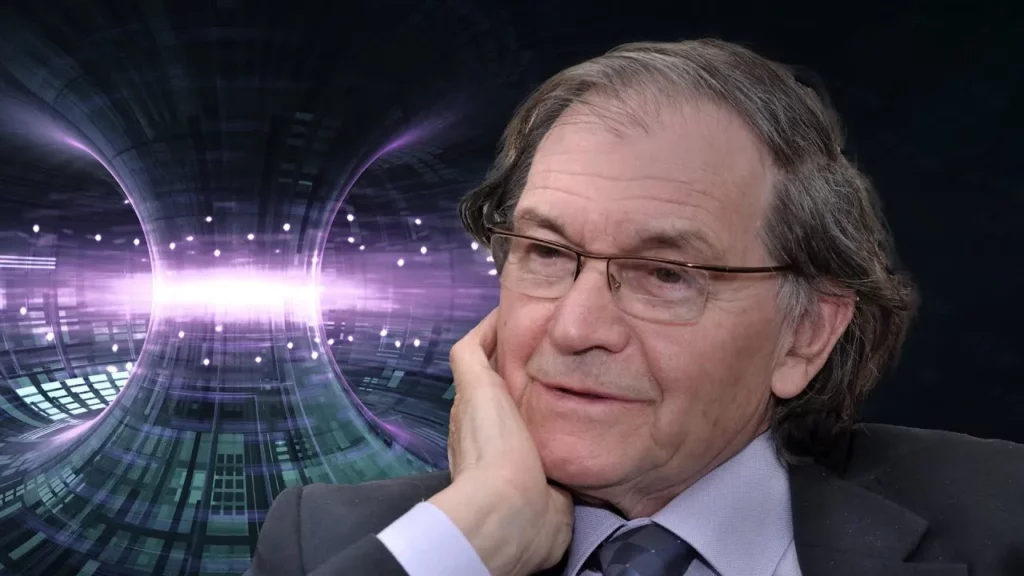
In this lesson, Sir Roger Penrose presents his conformal cyclic cosmology model, challenging the traditional Big Bang theory by proposing that the universe undergoes endless cycles of expansion and contraction rather than having a definitive beginning. He argues that the Big Bang was not the start of everything, suggesting that something existed before it and will continue to exist in future cycles, while also addressing the implications of dark energy and entropy in the universe’s evolution. Despite facing criticism, Penrose’s ideas encourage a reevaluation of established cosmological concepts and highlight the importance of questioning scientific theories for progress.
What Keeps Physicists Up at Night? Sean Carroll on The Biggest Questions About The Universe
In the lesson, Sean Carroll explores the profound mysteries that continue to challenge physicists, despite our solid understanding of the fundamental components of matter, such as atoms and their subatomic particles. He highlights that while we comprehend about 5% of the universe, the remaining 95% consists of dark matter and dark energy, which remain largely enigmatic. The lesson emphasizes the ongoing quest to unravel these cosmic mysteries, including the origins of atoms, the nature of consciousness, and the complexities of quantum mechanics versus classical experiences.
Yuval Noah Harari on The Future of Humanity
In his lesson on “The Future of Humanity,” Dr. Yuval Noah Harari explores the profound implications of technological advancements, particularly in artificial intelligence and genetic engineering, on the evolution of Homo sapiens. He warns that as data becomes the most valuable resource, the concentration of power could lead to societal divisions and digital authoritarianism, fundamentally altering the nature of democracy and human existence. Harari emphasizes the need for careful navigation of these changes to shape a future that aligns with our values and aspirations.
Is Free Will an Illusion? Brian Greene & Sam Harris Tackle an Age Old Question

In the lesson “Is Free Will an Illusion?”, Brian Greene and Sam Harris engage in a thought-provoking discussion about the nature of free will, questioning whether our choices are genuinely our own or merely the result of deterministic physical laws. They explore the tension between our subjective experience of making choices and the objective reality of causation, suggesting that both determinism and randomness fail to support the traditional notion of free will. Ultimately, this inquiry invites a reevaluation of human agency and the implications of our understanding of choice on morality and personal identity.
Brian Greene Explains The Science Behind Wormholes
In this lesson, Brian Greene explores the concept of wormholes, which are theoretical passages through space-time that could enable rapid travel across vast distances. While wormholes are often depicted in science fiction, their real-world application is hindered by instability and the need for materials with negative energy density. Recent theories suggest that wormholes may be more stable than previously thought, potentially allowing for both space and time travel, though their existence remains a topic of ongoing scientific investigation.
Are We Alone in The Galaxy? Brian Cox on Alien Life
The lesson explores the intriguing question of whether we are alone in the universe, highlighting advancements in technology, particularly the James Webb Space Telescope, which may soon help detect signs of life on distant planets. It discusses the methods used to study exoplanets, the potential for microbial life within our solar system, and the rarity of intelligent life, emphasizing the challenges posed by the Fermi Paradox. Ultimately, while microbial life may be common, the evolution of complex, intelligent civilizations appears to be an exceptional occurrence.
Can We Prevent an Asteroid From Hitting Earth?
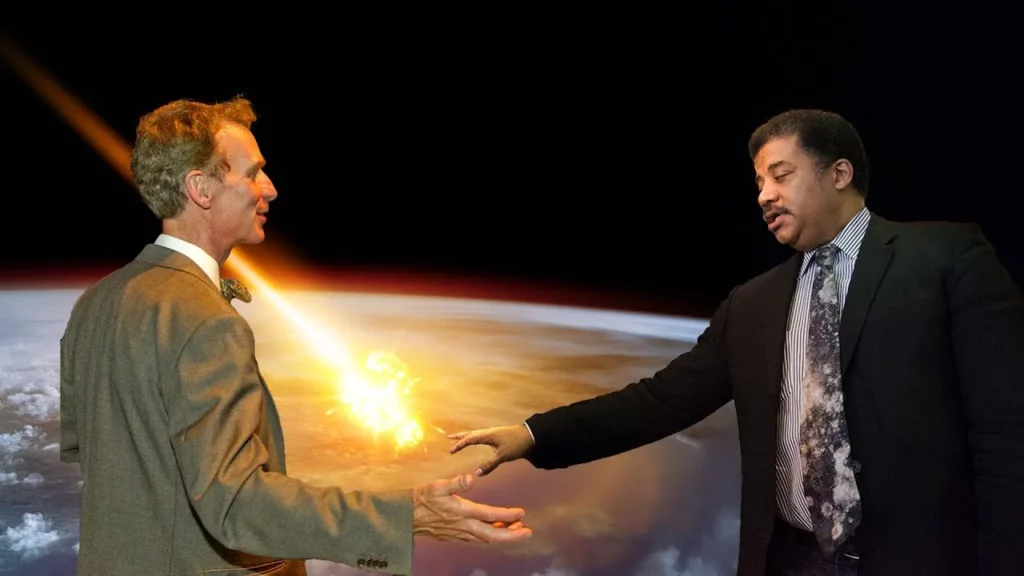
The lesson discusses the potential threat of asteroids to Earth and the ongoing efforts in planetary defense to detect and deflect them. It highlights the importance of understanding asteroids, the historical impacts they have had, and the technological advancements being made, such as NASA’s DART mission, to prevent future collisions. Emphasizing early detection and various deflection techniques, the lesson underscores the need for continued vigilance in safeguarding our planet from these celestial hazards.