
Making Contact – Neil deGrasse Tyson on Alien Life
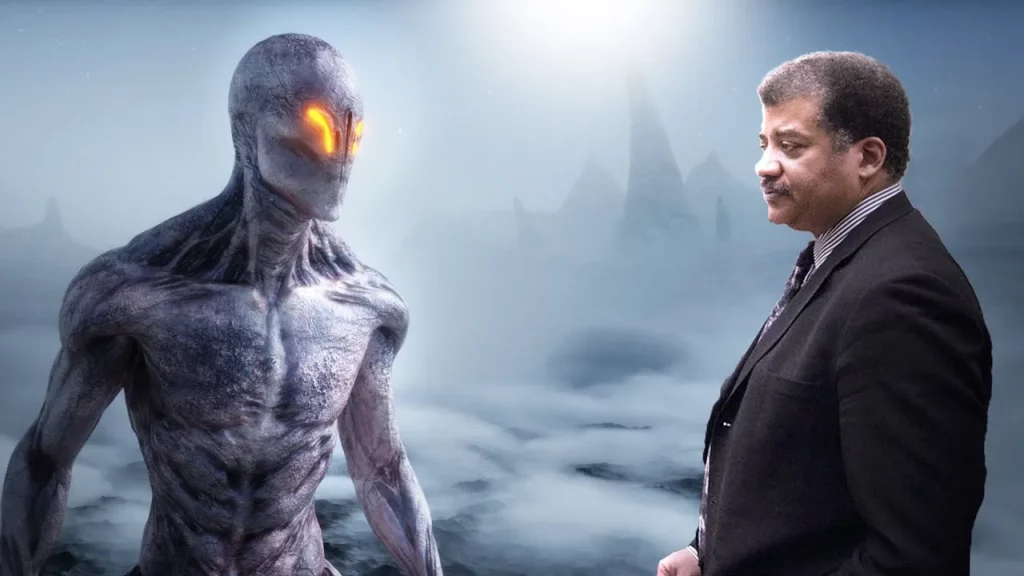
In the lesson “Making Contact – Neil deGrasse Tyson on Alien Life,” the exploration of extraterrestrial life is discussed, highlighting the ongoing efforts by scientists, including those at the SETI Institute and NASA, to find evidence of intelligent life in the universe. With the vastness of the cosmos and discoveries of Earth-like planets, the possibility of alien civilizations remains a significant topic of interest, despite the challenges of communication and the need for rigorous scientific validation of any findings. The lesson emphasizes the importance of expanding our understanding and perspectives as we search for life beyond our planet.
The Aliens Around Us – Can We Find Signs of Extraterrestrial Life?
The lesson explores the enduring question of whether extraterrestrial life exists beyond Earth, emphasizing the conditions necessary for life and the ongoing search for habitable planets. It highlights advancements in technology, such as the James Webb Space Telescope, and discusses theories like the Drake Equation and Fermi’s Paradox, which address the likelihood of intelligent civilizations and the absence of communication signals. Ultimately, the lesson conveys hope that continued exploration and inquiry may one day uncover signs of life beyond our planet.
Inside The Mind of a Genius – Brian Greene on Albert Einstein
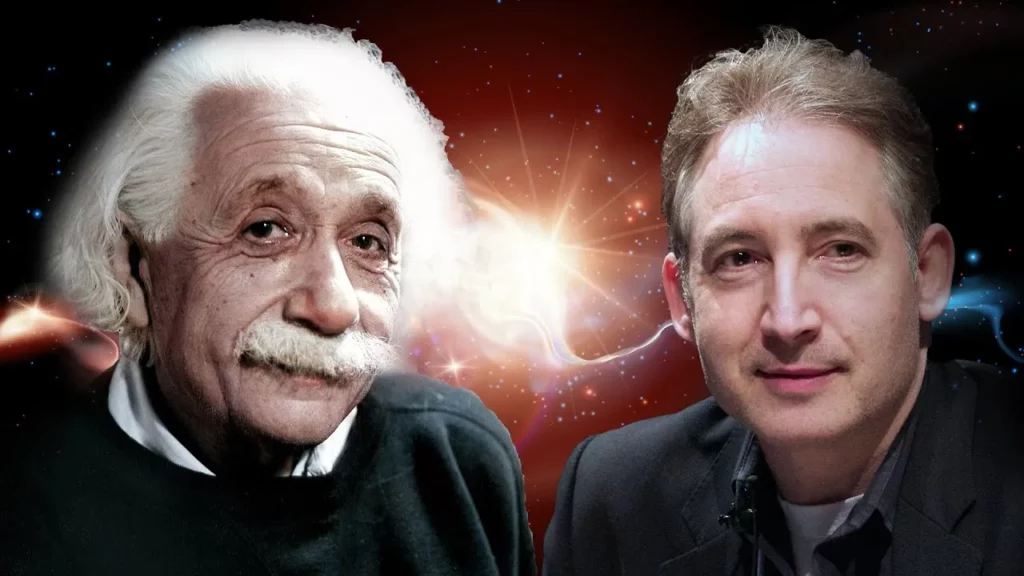
In this lesson, Brian Greene explores Albert Einstein’s revolutionary contributions to physics, particularly focusing on the theory of special relativity introduced in 1905. This theory fundamentally altered our understanding of time and space, demonstrating concepts like time dilation, where time can slow down for objects moving at high speeds, as illustrated by the twin paradox. Einstein’s insights not only challenged existing notions about light and time but also laid the groundwork for modern physics, influencing technologies such as GPS that rely on precise time measurements.
Brian Cox: Is There Alien Life in The Solar System?
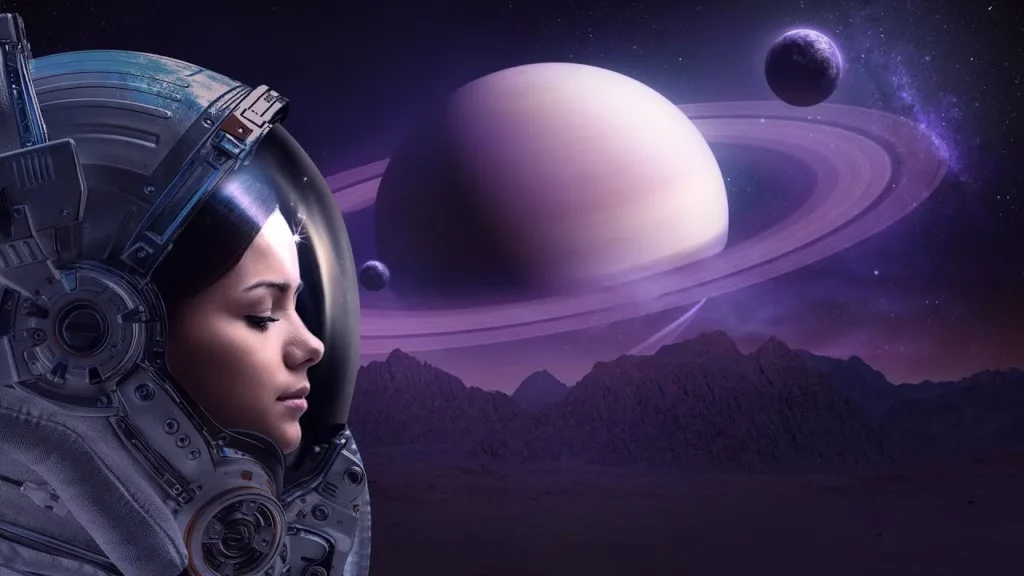
In the lesson “Brian Cox: Is There Alien Life in The Solar System?”, the exploration of extraterrestrial life within our solar system is discussed, highlighting the ongoing scientific search for signs of life beyond Earth. Key locations such as Saturn’s moons Titan and Enceladus, as well as Jupiter’s moon Europa and Mars, are examined for their potential to harbor life due to their unique environments and the presence of water. The lesson emphasizes that understanding early Earth can provide insights into the conditions necessary for life, suggesting that if life exists elsewhere, it may do so under similar circumstances.
ROMULUS – The First City on Mars
The lesson explores the ambitious vision of establishing the first city on Mars, highlighting the challenges and potential of colonizing the planet. It discusses the importance of creating a self-sustaining settlement to ensure humanity’s survival as a multi-planetary species, while addressing the engineering and environmental obstacles that must be overcome. Ultimately, the lesson emphasizes the need for innovative solutions and international collaboration to make this dream a reality.
Brian Greene – Do Parallel Universes Exist?
In the lesson “Do Parallel Universes Exist?” Brian Greene explores the intriguing concept of parallel universes, suggesting that our universe may be just one of many within a larger multiverse. He discusses the historical context of humanity’s understanding of the cosmos, the theoretical foundations supporting the existence of multiple universes, and the implications of theories like eternal inflation and the many-worlds interpretation of quantum mechanics. Despite criticisms regarding the lack of empirical evidence, Greene emphasizes that the multiverse concept continues to inspire both scientific exploration and imaginative storytelling.
Intragalactic Alien Civilizations With Neil deGrasse Tyson
In this lesson, Neil deGrasse Tyson explores the intriguing question of whether intelligent life exists beyond Earth, highlighting the optimism surrounding the discovery of exoplanets and the ingredients for life found throughout the universe. He discusses the challenges of interstellar communication, the Fermi Paradox, and the Great Filter hypothesis, which suggests that critical steps in the development of intelligent life may be improbable. Ultimately, the lesson encourages reflection on the implications of our potential solitude in the galaxy and the responsibilities that come with being the only known intelligent civilization.
The Generation of Superhumans – Can We Edit Our Genes?
The lesson explores the concept of superhuman abilities through the lens of genetics and genetic engineering, highlighting how advancements in technology, such as CRISPR, may allow us to modify our genetic makeup to enhance human potential. It discusses real-life examples of extraordinary capabilities linked to genetic variations, while also addressing the ethical implications of manipulating our genes. Ultimately, the lesson emphasizes the balance between scientific progress and moral responsibility in the pursuit of enhanced human abilities.
Brian Cox – Is The Universe Infinite?
In the lesson “Brian Cox – Is The Universe Infinite?”, the exploration of the universe’s boundaries reveals that while the observable universe is finite, extending 46 billion light-years from Earth, the true extent of the universe remains uncertain. Modern physics, including theories of inflation and dark energy, suggests that the universe could be much larger than what we can see, and possibly infinite, although definitive answers about its size and structure are still elusive. The vastness of the cosmos is illustrated through observations of galaxies and the intricate mapping of the universe, highlighting the awe-inspiring scale of existence.
Brian Cox – What Can The James Webb Space Telescope Tell Us About The Universe?
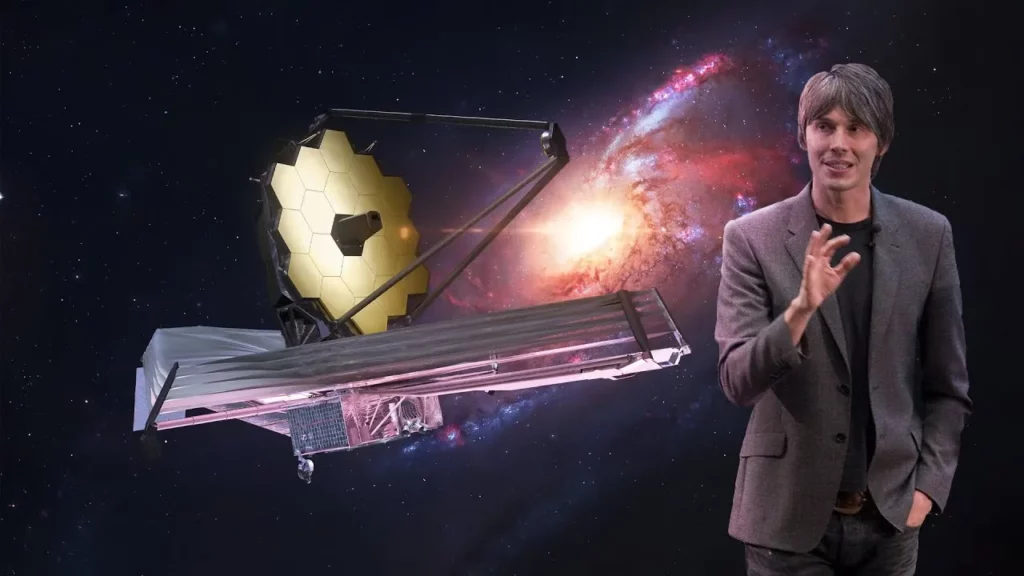
In this lesson, Brian Cox discusses the significance of the James Webb Space Telescope (JWST) in advancing our understanding of the universe. He highlights how JWST’s ability to observe in the infrared spectrum allows it to uncover the origins of life, explore the formation of the first stars and galaxies, and search for potentially habitable exoplanets. The lesson emphasizes our unique moment in time to explore cosmic mysteries and the implications of the “great silence” regarding intelligent life beyond Earth.