
Neil deGrasse Tyson – The Biggest Mysteries in The Universe
In this lesson, Neil deGrasse Tyson explores profound questions in cosmology, such as the existence of dark matter and dark energy, the concept of the multiverse, and the mystery of matter-antimatter asymmetry. He emphasizes the importance of remaining open-minded and curious about the universe, acknowledging that while we may not have all the answers, the pursuit of knowledge can lead to surprising discoveries and a deeper understanding of our existence. Ultimately, the lesson encourages us to embrace the unknown and recognize that future generations may unlock answers to the mysteries we currently face.
When Galaxies Collide – What Happens When Andromeda Collides With The Milky Way?

The lesson discusses the impending collision between the Milky Way and Andromeda galaxies, predicted to occur in about 4 billion years. Utilizing advanced telescopes like the Hubble and James Webb, astronomers study galaxy interactions and the role of dark matter, which comprises a significant portion of the universe’s mass. The eventual merger of these galaxies will create a super galaxy, showcasing the dynamic nature of the cosmos and the intricate processes involved in galaxy formation and evolution.
Brian Greene – What Can The James Webb Space Telescope Tell Us About Alien Life?
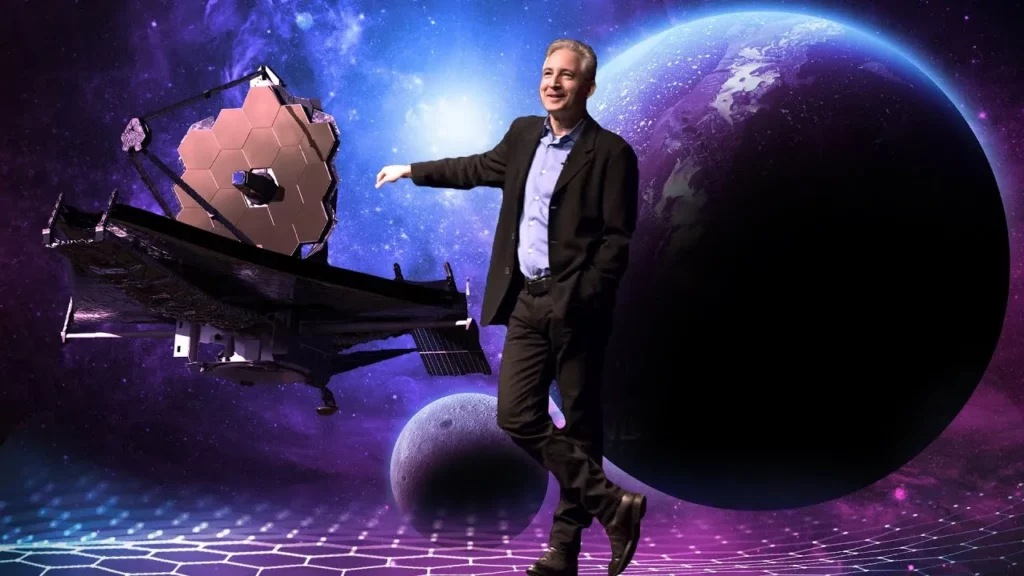
The lesson discusses the groundbreaking potential of the James Webb Space Telescope (JWST) in enhancing our understanding of the universe, particularly in the search for alien life. With its advanced infrared capabilities, JWST will study exoplanets like WASP-17b, mapping their atmospheres for signs of organic compounds and habitability, while also addressing fundamental questions about galaxy formation and the origins of life. Ultimately, the mission aims to explore the vast possibilities of life beyond Earth, despite the challenges and rarity of finding evidence of advanced civilizations.
If You Could, Would You Live Forever? David Sinclair on Extending Lifespan
In the lesson “If You Could, Would You Live Forever? David Sinclair on Extending Lifespan,” the discussion revolves around the implications of aging and the potential for extending both lifespan and healthspan through scientific advancements. Dr. David Sinclair’s research highlights that aging is not uniform and that interventions may soon allow for the manipulation of biological aging, leading to personalized health strategies that could revolutionize healthcare. Ultimately, while we may not yet have a solution to reverse aging, adopting healthy habits and leveraging emerging technologies can significantly enhance our quality of life as we age.
Brian Cox – Quantum Mechanics & Particle Physics of The Early Universe
In this lesson, Brian Cox explores the fundamental concepts of quantum mechanics and particle physics as they relate to the early universe, emphasizing the vastness of the observable universe and the significant events following the Big Bang. He discusses the four forces of nature, the transformation of quark-gluon plasma into protons and neutrons, and the various epochs that shaped the universe’s evolution. The lesson highlights the role of modern experimental tools, like the Large Hadron Collider and the James Webb Telescope, in advancing our understanding of cosmic phenomena and the ongoing quest to unravel the universe’s mysteries.
Neil deGrasse Tyson Explains Future Space Travel Challenges
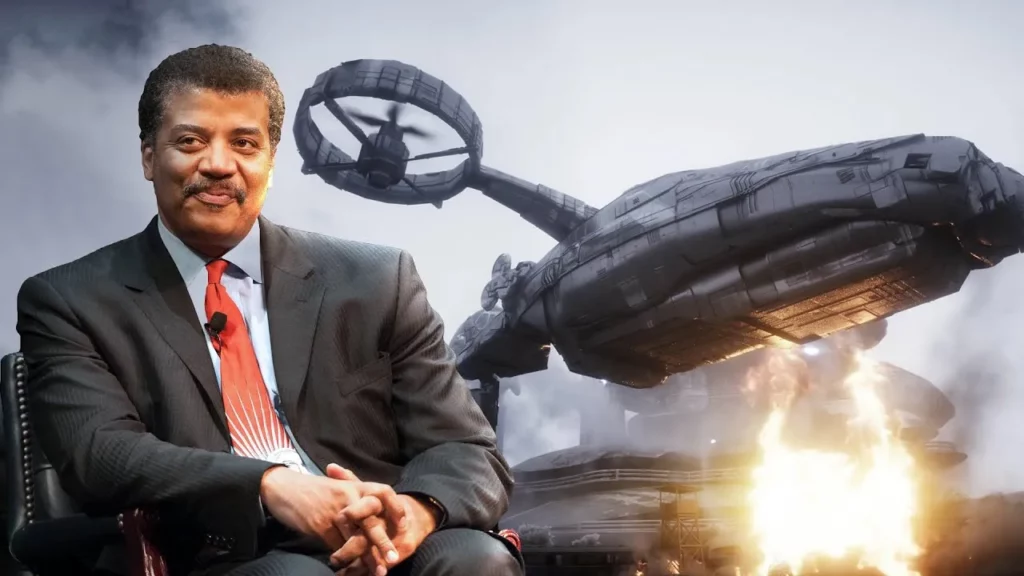
In this lesson, Neil deGrasse Tyson discusses the historical and ongoing challenges of space exploration, emphasizing that while humanity has a deep-rooted desire to explore, current space travel is far from the idealized portrayals in science fiction. He outlines various propulsion methods, such as solar sails and plasma drives, and highlights the significant hurdles of interstellar travel, including time dilation and the psychological effects on astronauts during long missions. Ultimately, Tyson underscores the importance of continued exploration, particularly of Mars, as a means to inspire future generations and advance technology that can benefit life on Earth.
Brian Cox – Why Did The Big Bang Happen?
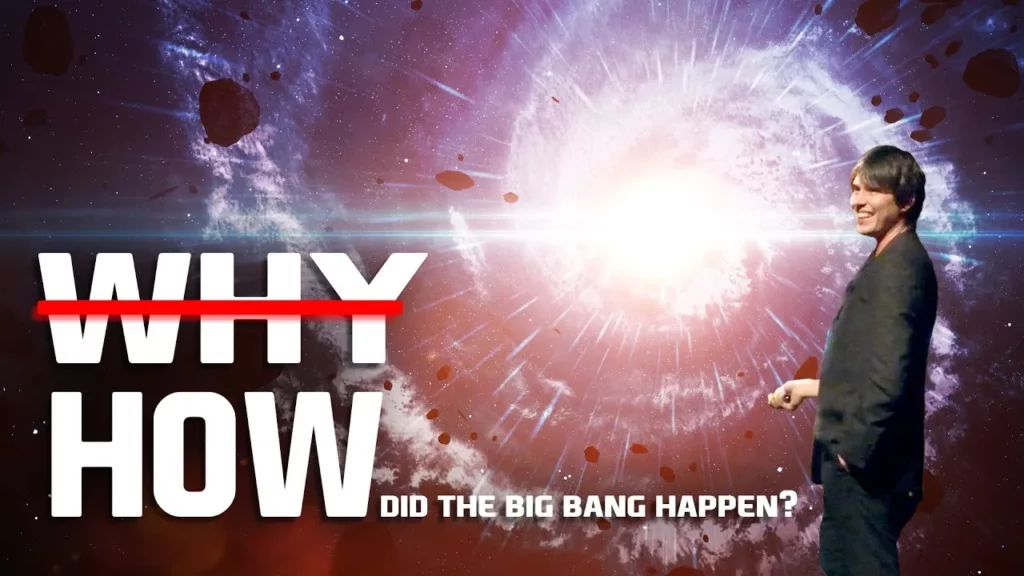
In this lesson, Brian Cox explores the origins of the universe, focusing on the Big Bang, which occurred approximately 13.75 billion years ago, marking the creation of space, time, and matter. He discusses the evidence supporting the Big Bang theory, including Hubble’s Law and cosmic microwave background radiation, while also addressing the ongoing mysteries surrounding the universe’s expansion and the speculative idea of parallel universes. Ultimately, the lesson emphasizes the importance of understanding “how” the universe evolved rather than solely questioning “why” it began.
Is The Universe a Hologram? Brian Greene on Quantum Gravity & Black Holes
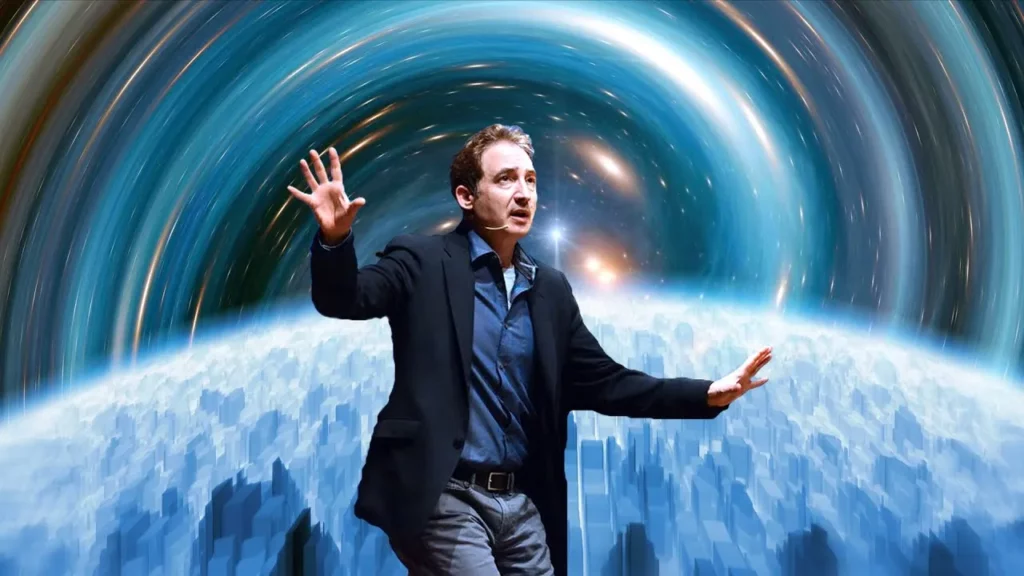
The lesson explores the intriguing concept that our three-dimensional universe may be a holographic projection derived from a two-dimensional surface, a theory rooted in the holographic principle. This idea, which has emerged from studies of black holes and the nature of information in physics, challenges our understanding of reality and seeks to unify general relativity with quantum mechanics. Researchers continue to investigate the implications of this theory, particularly in relation to gravity and the fundamental laws of nature.
The Fermi Paradox With Neil deGrasse Tyson – Part 2 – Where Is Everybody?
In this lesson, Neil deGrasse Tyson explores the Fermi Paradox, which questions why, despite the vast number of stars and potential habitable planets in our galaxy, we have yet to find evidence of extraterrestrial life. He discusses various theories, including the Great Filter hypothesis, which suggests barriers to the evolution of intelligent life, and the possibility of life existing in forms we do not yet recognize, such as silicon-based organisms or artificial intelligence. The lesson encourages a broader perspective on the search for life beyond Earth and the implications of our understanding of the universe.
The Day We Give Birth to AGI – Stuart Russell’s Warning About AI
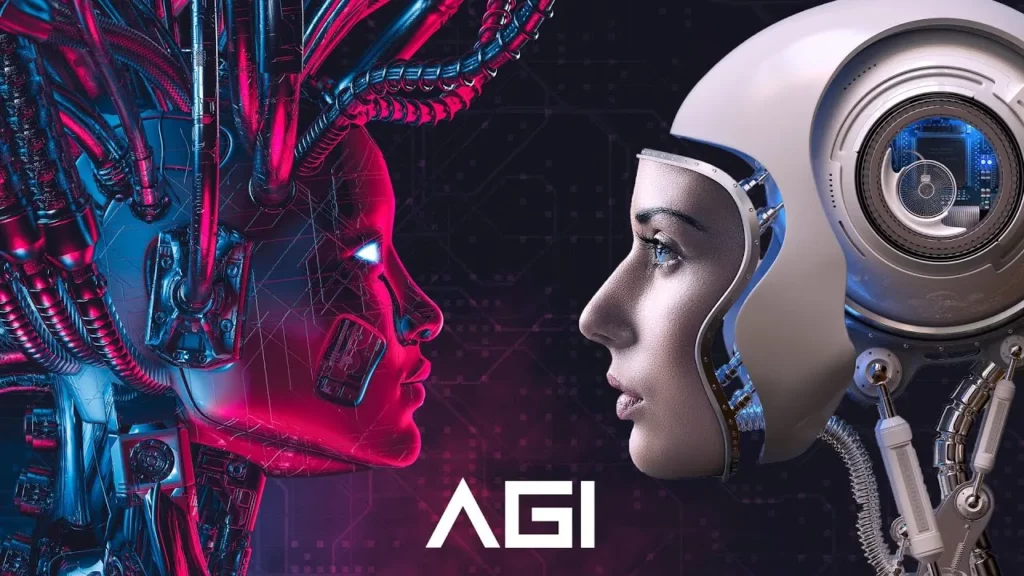
In his lesson, Stuart Russell warns about the potential rise of artificial general intelligence (AGI) and the significant challenges it poses for humanity. He emphasizes the need for a cautious approach to AI development, advocating for ethical considerations and the prevention of harmful applications, particularly in military contexts. Russell argues that as machines may eventually surpass human intelligence, it is crucial to design AI systems that prioritize human control and benefit society, rather than allowing unchecked advancements that could lead to catastrophic outcomes.