
The Science of Time Explained by Brian Greene
In “The Science of Time Explained,” Brian Greene delves into the complex nature of time, highlighting its role as both a familiar and elusive concept that shapes our understanding of the universe. He discusses how time is intertwined with space in the framework of spacetime, influenced by motion and gravity, and explores the philosophical debates surrounding its reality versus illusion. The lesson also touches on the intriguing possibilities of time travel, particularly the theoretical feasibility of traveling into the future, while acknowledging the paradoxes associated with traveling back in time.
The James Webb Space Telescope, Aliens & Wormholes With Kip Thorne
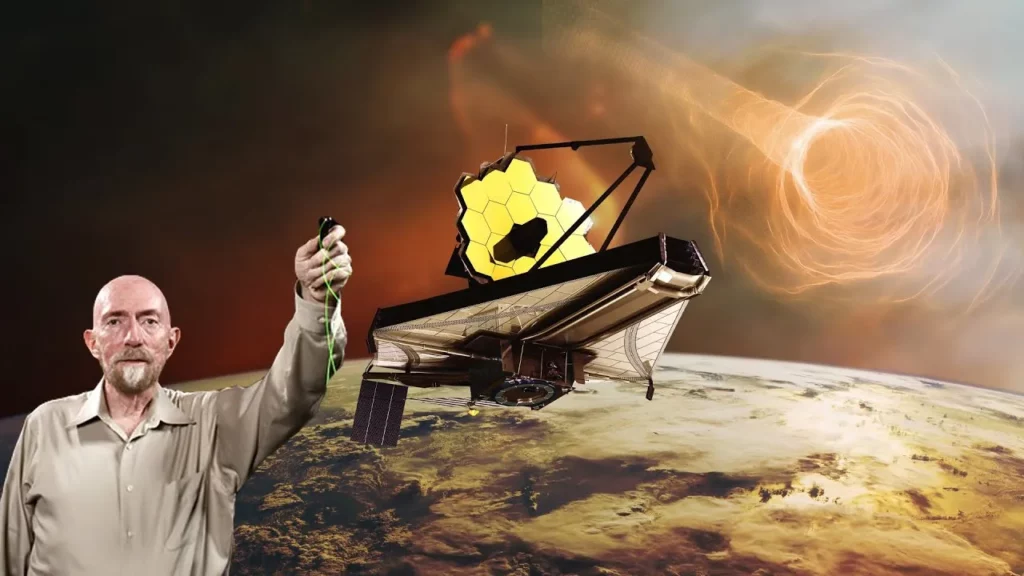
The lesson explores the groundbreaking capabilities of the James Webb Space Telescope (JWST) in capturing detailed measurements of exoplanet atmospheres, revealing potential signs of habitability. It discusses the ongoing search for extraterrestrial life, the theories surrounding intelligent civilizations, and the intriguing concept of wormholes as potential means for intergalactic travel. Additionally, the lesson touches on gravitational waves and their implications for understanding the universe, while contemplating the paradox of why we have yet to encounter time travelers or extraterrestrial life.
Are we Being Visited by Aliens? Neil deGrasse Tyson on UFO’s
In this lesson, Neil deGrasse Tyson explores the intriguing question of whether we are being visited by aliens, emphasizing the importance of evidence when it comes to UFO sightings. He discusses the vastness of the universe and the psychological factors that lead people to jump to conclusions about unidentified flying objects, while also highlighting the limitations of eyewitness accounts and the need for clearer proof. Ultimately, the lesson leaves the question of extraterrestrial visitation open, encouraging further exploration of the universe’s mysteries.
Seeing The Unseeable – Brian Cox on Black Hole Physics
In the lesson “Seeing The Unseeable,” Brian Cox discusses the groundbreaking capabilities of the James Webb Space Telescope in exploring black holes and the hidden regions of the universe. The telescope’s infrared vision allows scientists to study the formation of stars and the life cycles of celestial bodies, revealing how massive stars can collapse into black holes and the intriguing phenomena surrounding them, such as singularities and the event horizon. The lesson highlights the profound implications of black holes on our understanding of physics, time, and the universe, illustrating how they challenge our perceptions of reality.
The Building Blocks of The Universe – Quarks & Supersymmetry Explained by Brian Greene
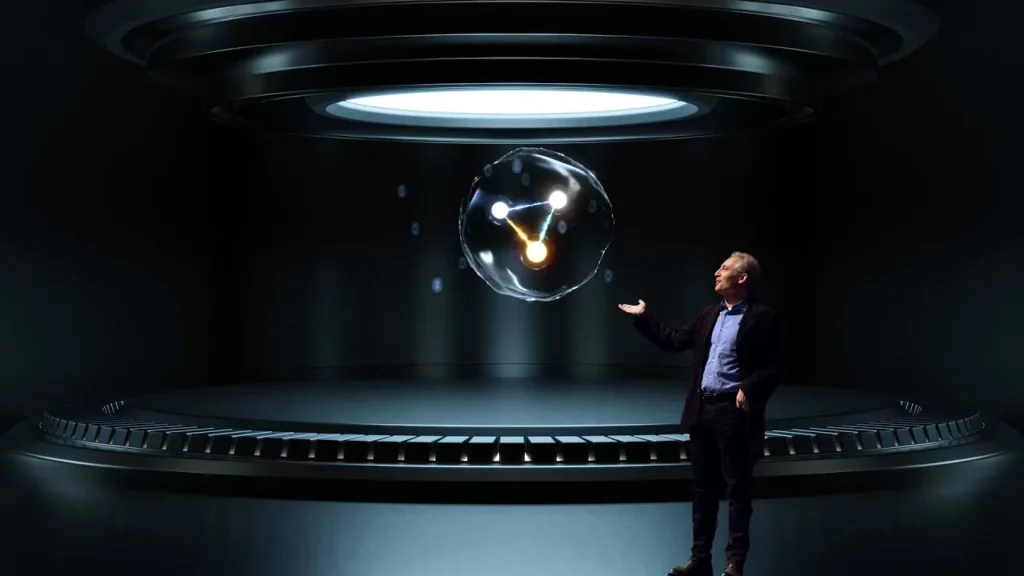
In this lesson, Brian Greene explores the fundamental components of matter, focusing on quarks and the concept of supersymmetry. Quarks, which are essential building blocks of protons and neutrons, exhibit unique behaviors and properties, while supersymmetry addresses the “hierarchy problem” by proposing that each particle has a partner, potentially explaining the nature of dark matter. The lesson emphasizes the ongoing quest to understand the universe and the complexities of particle physics, highlighting both the advancements made and the mysteries that remain.
Hubble Catches The Merging of 2 Galactic Realms #hubble #science #nasa
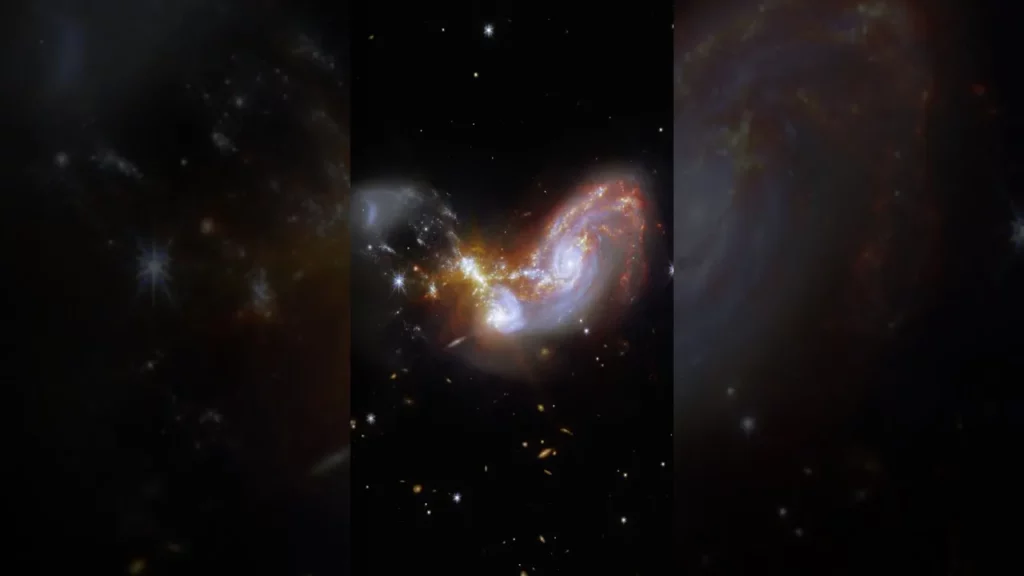
The Hubble Space Telescope has captured a stunning image of the ARP 107 system, where two galaxies are merging 465 million light-years away. The larger spiral galaxy, with its bright core and active galactic nucleus, is absorbing its smaller companion, facilitating the creation of new stars as they share materials. This observation is crucial for understanding the interactions and evolution of galaxies over time, highlighting the dynamic nature of the universe.
Decoding the ‘Glitches’ of the Universe’s Extreme Stars #cosmology #astronomy #space
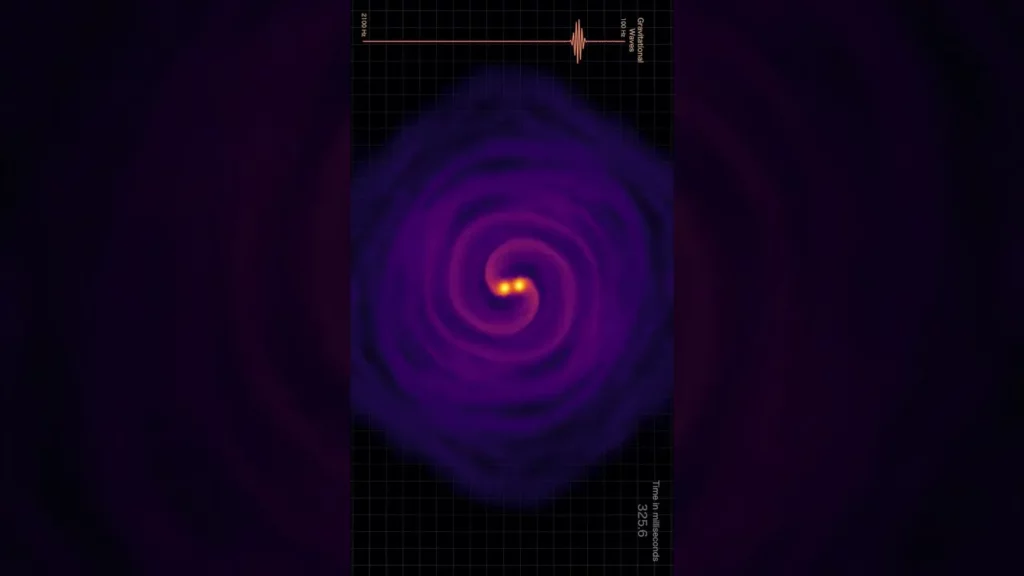
Recent research has made significant strides in understanding the “glitches” in neutron stars, which are sudden changes in their rotation speed. By investigating the role of superfluids within these dense celestial bodies, scientists have discovered that the movement of vortices in superfluids can lead to these glitches. This groundbreaking work bridges quantum mechanics and astrophysics, allowing researchers to simulate neutron star conditions on Earth and enhancing our comprehension of these extreme cosmic phenomena.
The Power Source of The Universe – Can Nuclear Fusion Help us Reach Type 1 Civilization?
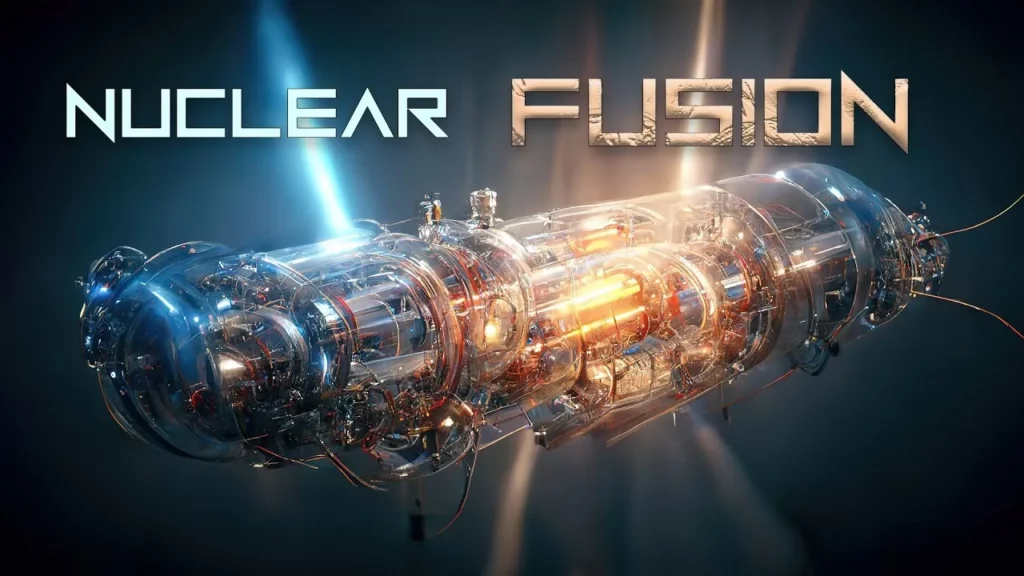
The lesson explores the potential of nuclear fusion as a sustainable energy source that could help humanity achieve a Type 1 civilization on the Kardashev scale. By understanding and replicating the fusion process that powers the sun, scientists aim to harness limitless, clean energy on Earth, despite the significant challenges involved in containing plasma and achieving practical fusion reactions. Ongoing research and innovative projects worldwide are paving the way toward this transformative energy solution.
How Can We Find Them? Neil deGrasse Tyson on Intelligent Alien Life
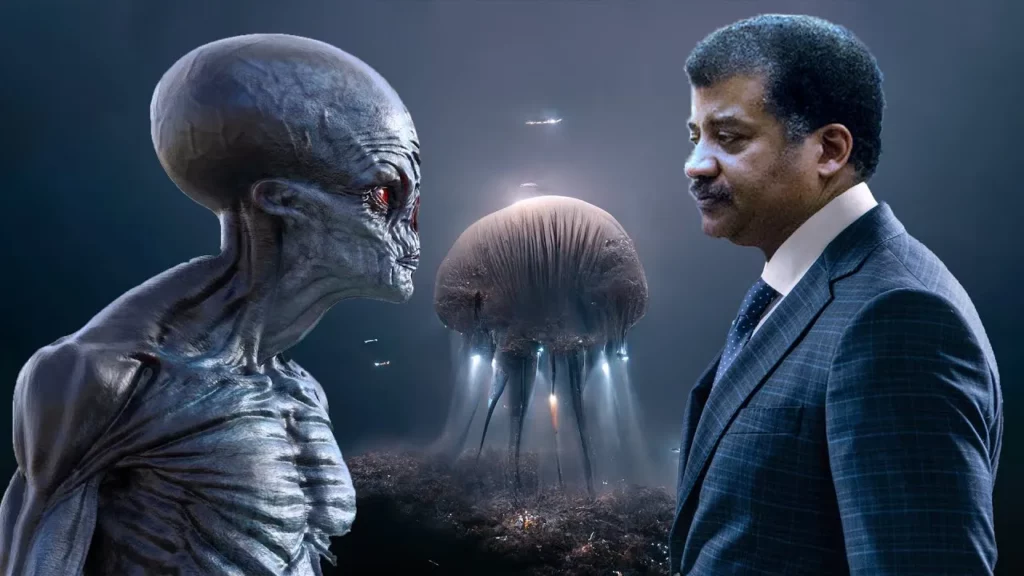
In this lesson, Neil deGrasse Tyson discusses the search for intelligent alien life and emphasizes the importance of skepticism until solid evidence is found. With advancements in technology, such as the James Webb Space Telescope, we can explore the vast universe filled with billions of exoplanets, suggesting that life beyond Earth may not be unique. Tyson also highlights the Fermi Paradox and the potential for discovering biomarkers in exoplanet atmospheres, which could indicate the presence of life.
Can The James Webb Space Telescope Find Alien Life?
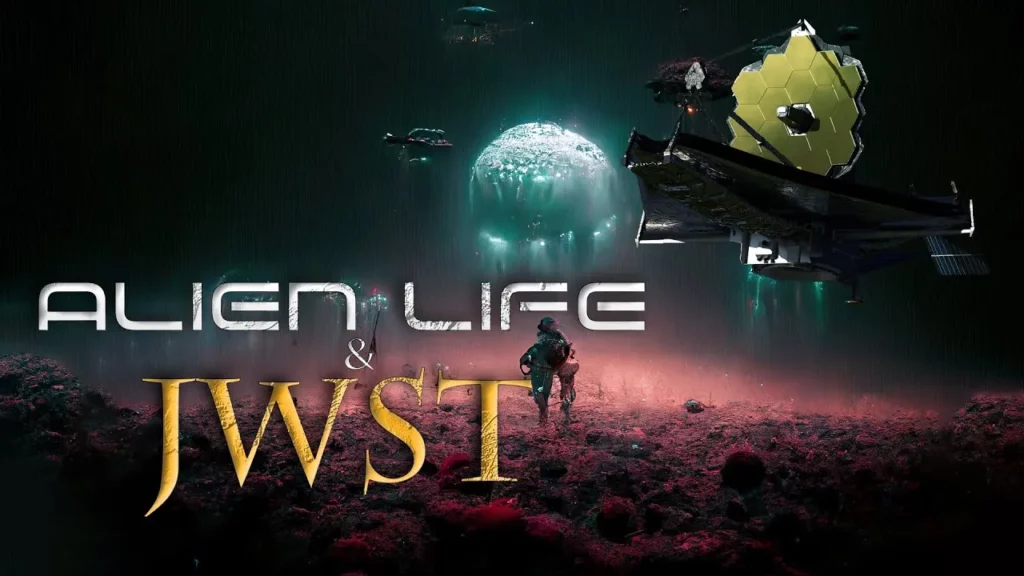
The lesson explores the potential of the James Webb Space Telescope (JWST) in the ongoing search for alien life, highlighting its advanced capabilities in analyzing the atmospheres of over 5,000 known exoplanets. By detecting atmospheric biomarkers, such as oxygen and methane, JWST aims to uncover signs of life beyond Earth, while also prompting reflections on humanity’s place in the universe. Despite the challenges faced in finding extraterrestrial intelligence, scientists remain optimistic about future discoveries that could reshape our understanding of life in the cosmos.