
If The Multiverse Exists, Are There Infinite Copies of You? Brian Greene on Multiple Universes
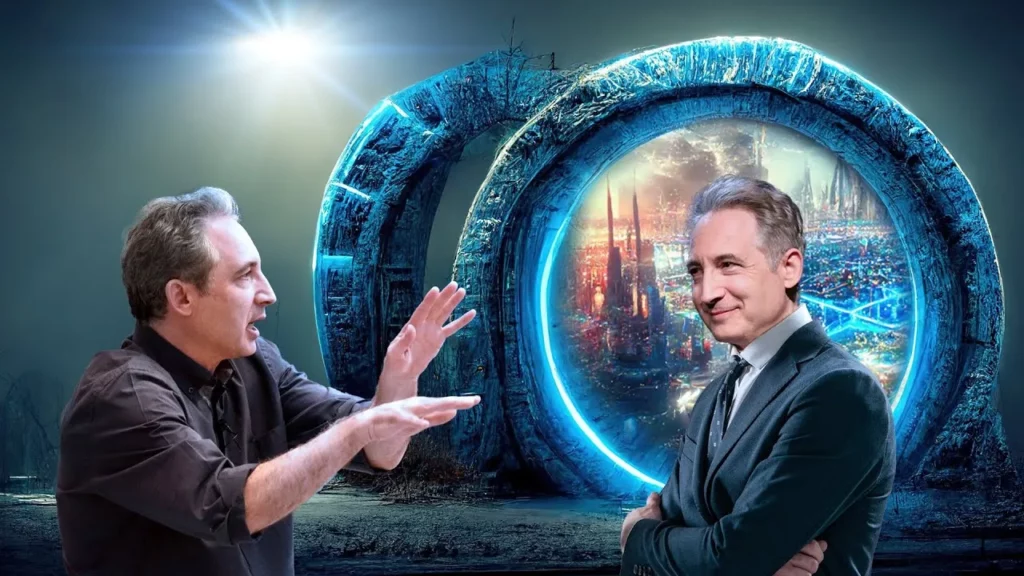
The lesson explores the concept of the Multiverse, a scientifically valid hypothesis that suggests the existence of infinite parallel universes, potentially containing infinite versions of ourselves. The discussion delves into various types of multiverses, including the Quantum Multiverse and the Brane Multiverse, and examines the implications of infinite configurations of matter, as well as the relationship between quantum mechanics and the idea of multiple realities. Ultimately, these theories challenge our understanding of identity and the nature of the cosmos, inviting us to consider the vast possibilities that lie beyond our observable universe.
Neil deGrasse Tyson – Is The Big Bang Theory Wrong?
In this lesson, Neil deGrasse Tyson explores the Big Bang Theory, which posits that the universe originated from a hot, dense point and has been expanding for approximately 13.8 billion years. While the theory is supported by substantial evidence, including cosmic microwave background radiation, it also faces challenges and unanswered questions, particularly regarding dark matter and cosmic inflation. Tyson emphasizes the evolving nature of scientific inquiry, highlighting how new discoveries can modify existing theories and deepen our understanding of the universe.
How Many Alien Civilizations Exist in Our Galaxy?
The lesson explores the intriguing question of whether we are alone in the universe, highlighting the vast number of Earth-like planets in our Milky Way galaxy and the potential existence of intelligent civilizations. With estimates ranging from 36 to millions of civilizations based on the Drake Equation and new cosmic evolution methods, the lesson emphasizes the importance of understanding these civilizations’ technological levels through the Kardashev scale. It also addresses the Fermi Paradox, which questions the lack of evidence for intelligent life despite its potential abundance, encouraging a humble and curious approach to the search for extraterrestrial intelligence.
Brian Cox – Is The Whole Universe Inside a Black Hole?

In this lesson, Brian Cox explores the intriguing hypothesis that our universe may exist within a black hole, linking concepts of singularities from both black holes and the Big Bang. He discusses the universe’s low entropy at its inception, the role of black holes in cosmic evolution, and the implications of recent research on information loss and the nature of reality. Ultimately, while the idea is captivating, it underscores the need for experimental evidence to deepen our understanding of the universe’s origins and the interplay between gravity and quantum mechanics.
Neil deGrasse Tyson – Can We Go Back in Time Using a SpaceTime Machine?
In this lesson, Neil deGrasse Tyson explores the concept of time travel, highlighting that while moving forward in time is supported by Einstein’s theory of relativity through phenomena like time dilation, traveling back in time presents significant theoretical challenges, such as the grandfather paradox. He discusses potential methods for backward time travel, including traversable wormholes and the Tipler cylinder, but emphasizes that these ideas remain speculative and beyond our current technological capabilities. Ultimately, the lesson underscores the ongoing fascination with time travel in both science and science fiction.
Where Are The Aliens? The Search For Extraterrestrial Life
The lesson explores the ongoing search for extraterrestrial life, focusing on the quest for technosignatures and the Fermi Paradox, which questions why we haven’t encountered evidence of advanced civilizations despite the vastness of the universe. Utilizing the Drake Equation, scientists estimate the likelihood of other technologically advanced civilizations existing, while various projects and technological advancements, such as the James Webb Space Telescope, aim to enhance our search for signs of life beyond Earth. Ultimately, the lesson emphasizes the potential for discovering intelligent life and the implications it could have on our understanding of the universe.
Neil Tyson Explains The Big Bang in 19 Seconds
The Big Bang marks the origin of the universe, occurring approximately 14 billion years ago as a rapid expansion of space rather than an explosion. This event initiated the formation of space, time, energy, and matter, leading to the ongoing expansion of the universe, where galaxies continue to move away from each other. Understanding the Big Bang is crucial for exploring the universe’s origins and the fundamental laws of physics, despite many unanswered questions about what preceded it and the nature of dark matter and dark energy, which constitute most of the universe.
Historic Nuclear Fusion Breakthrough Has Been Made
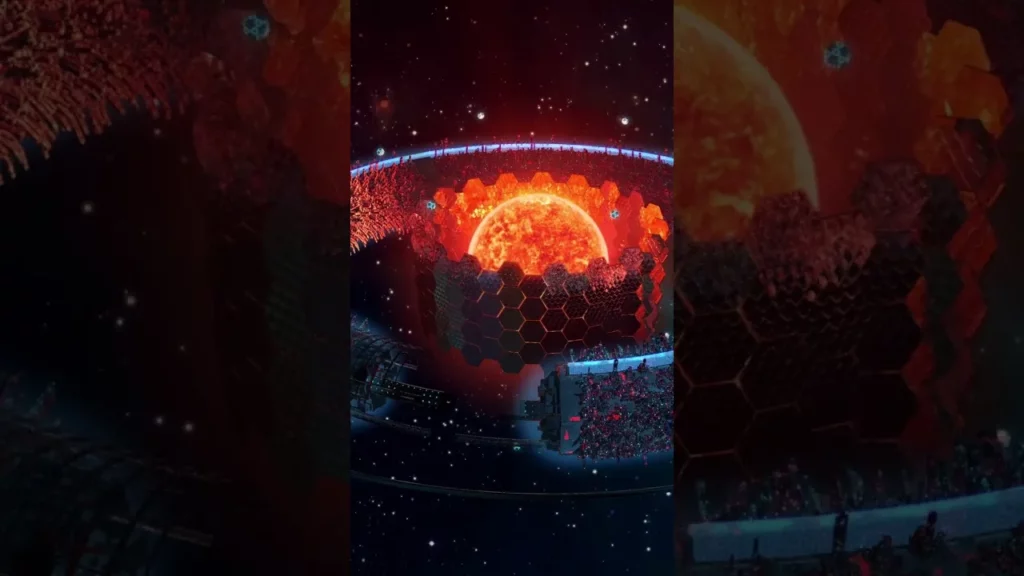
Scientists have achieved a historic breakthrough in controlled nuclear fusion, generating more energy than was initially input into the system for the first time. This milestone not only highlights the potential of fusion as a clean and nearly limitless energy source but also brings humanity closer to becoming a Type I civilization on the Kardashev scale. While challenges remain in refining the technology and making it commercially viable, this advancement offers hope for a sustainable energy future free from greenhouse gas emissions and long-lived radioactive waste.
NEW Species of Bacteria Discovered is Visible to The Naked Eye
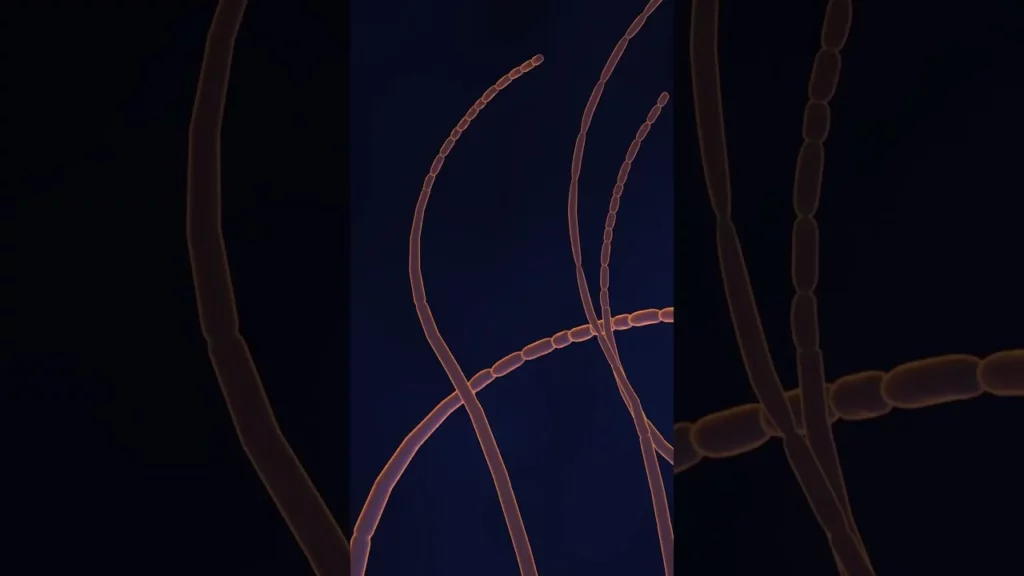
The lesson discusses the discovery of a giant bacterium, *Thiomargarita magnifica*, found in the mangroves of Guadeloupe, which is notable for being visible to the naked eye and measuring up to two centimeters long. This remarkable find challenges existing perceptions of bacterial size and highlights the diversity of life on Earth, emphasizing the importance of scientific discoveries in expanding our understanding of single-celled organisms and their roles in ecosystems. The discovery encourages further exploration and research into the natural world, revealing that there is still much to learn.
Brian Cox – Is Intelligent Alien Life Rare?
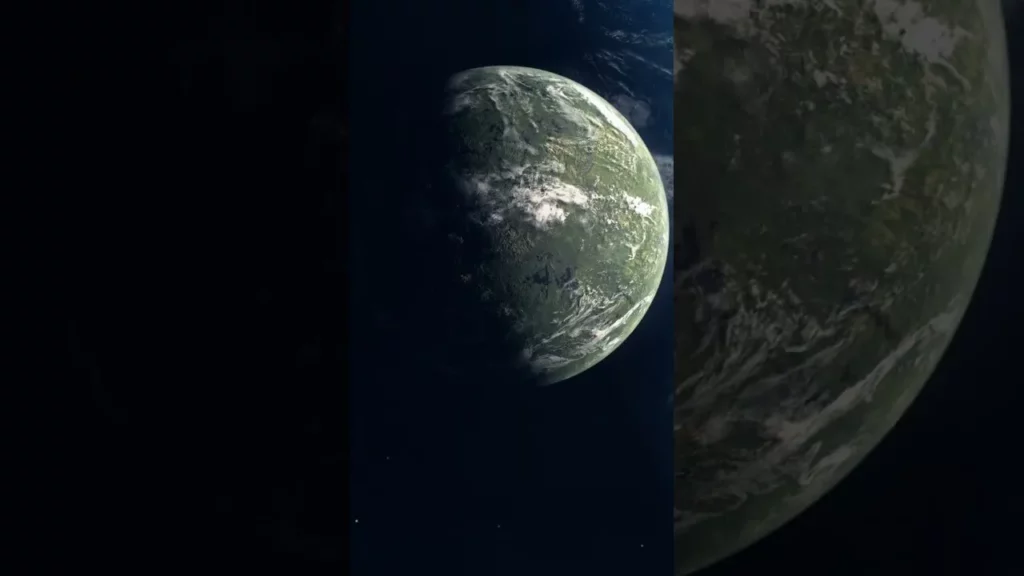
In the lesson “Brian Cox – Is Intelligent Alien Life Rare?”, it is discussed that while simple life forms have existed on Earth for billions of years, the emergence of complex life took a significant amount of time, suggesting that intelligent alien life may be rare in the universe. The conditions necessary for the evolution of complex organisms are not commonly found, leading scientists to believe that while many planets may host simple life, the existence of intelligent beings like humans could be much less frequent. This understanding guides ongoing efforts to search for signs of life beyond Earth.