
The dark history of the overthrow of Hawaii – Sydney Iaukea

The lesson on the overthrow of Queen Lili’uokalani highlights a critical moment in Hawaiian history, marking the end of the monarchy and the beginning of American control over the islands. Following the arrival of American missionaries and the establishment of the Missionary Party, Lili’uokalani’s efforts to restore power to Native Hawaiians were thwarted by a coup supported by U.S. military intervention. Despite her imprisonment and the loss of her throne, Lili’uokalani’s legacy of resilience and commitment to her people continues to inspire movements for Hawaiian rights and sovereignty.
Why don’t we cover the desert with solar panels? – Dan Kwartler

The lesson discusses the immense potential of solar energy in the Sahara Desert, which receives over 22 million terawatt hours of solar energy annually, far exceeding global energy consumption. It highlights advancements in solar panel efficiency and the establishment of solar farms in desert regions, while also addressing challenges such as extreme heat and energy transmission. The lesson emphasizes the versatility of solar energy solutions, ranging from large industrial farms to smaller installations, as essential for meeting rising energy demands sustainably.
No one can figure out how eels have sex – Lucy Cooke
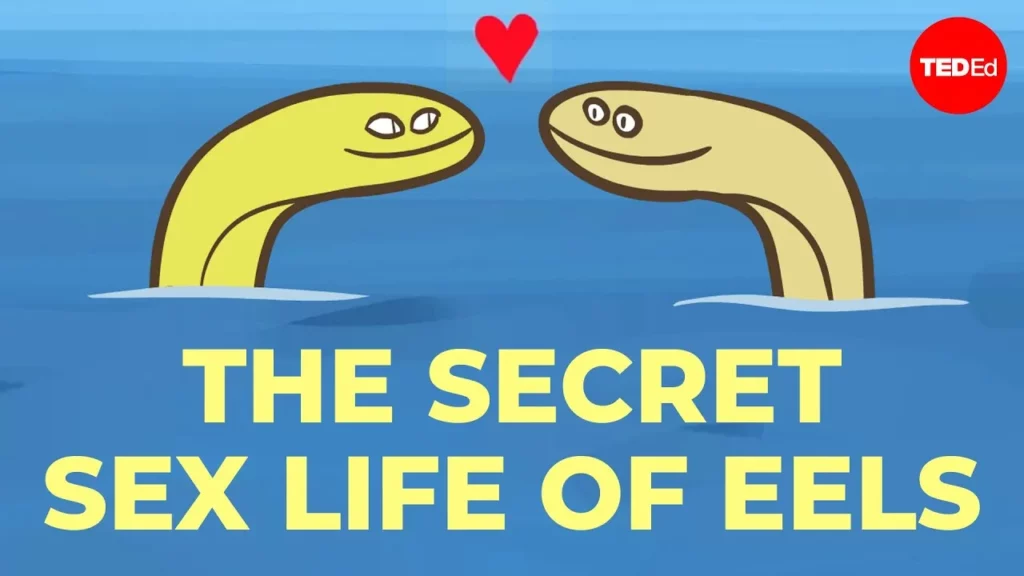
The lesson explores the long-standing mystery surrounding the reproduction of freshwater eels, specifically *Anguilla Anguilla*, which has puzzled scholars from Aristotle to modern scientists. Despite extensive research revealing the eel’s complex lifecycle and migratory patterns from the Sargasso Sea to European rivers, the actual process of mating and egg-laying remains unobserved and elusive, with theories suggesting external fertilization in challenging oceanic conditions. This enduring enigma highlights the gaps in our understanding of natural phenomena and the intricate journeys of these remarkable creatures.
Einstein’s twin paradox explained – Amber Stuver
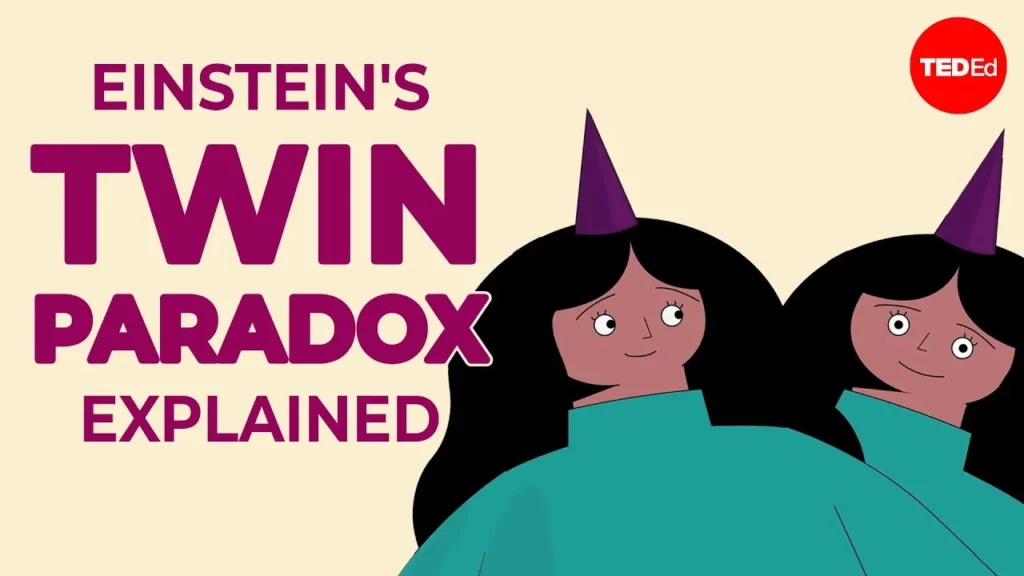
In “The Twin Paradox: A Journey Through Time and Space,” identical twin astronauts Terra and Stella embark on a space mission to explore the effects of special relativity. While Stella travels at 86.6% the speed of light, experiencing time dilation due to the Lorentz factor, Terra remains on Earth, aging normally. Upon their reunion, they discover that Terra is older than Stella, illustrating the complexities of time perception and reference frames in the context of special relativity.
Can you solve the wizard standoff riddle? – Dan Finkel
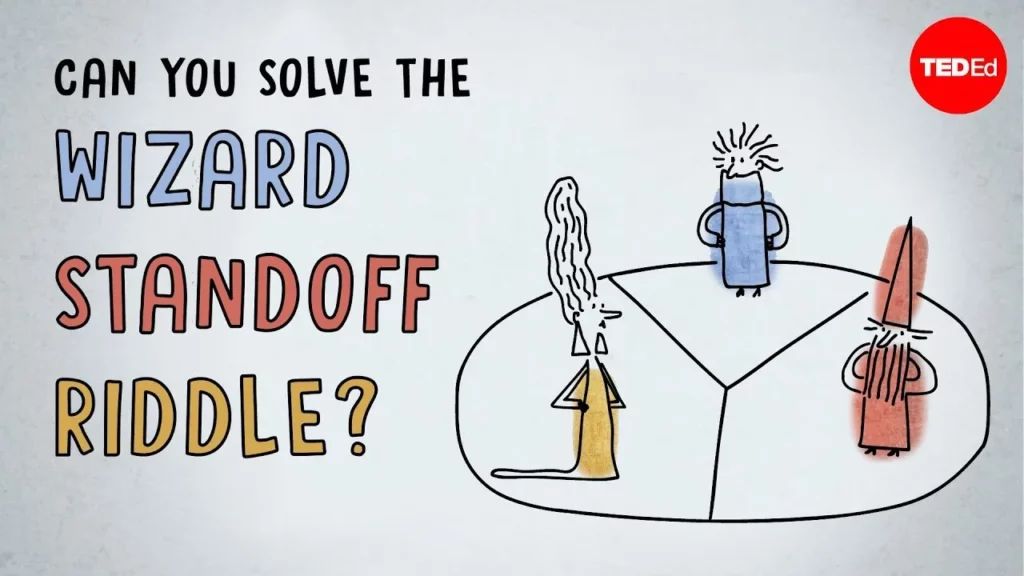
In the lesson “Mastering the Magic Duel: Choosing the Right Wand and Strategy,” students learn that success in a magical duel hinges on both wand selection and strategic decision-making. While the most powerful wand, the Noether 9000, offers perfect accuracy, it also makes the wielder a prime target; instead, opting for the weaker Bannekar and intentionally missing can manipulate opponents’ actions, ultimately increasing the chances of victory. This lesson emphasizes the importance of understanding opponents’ strengths and weaknesses to devise a winning strategy.
A glimpse of teenage life in ancient Rome – Ray Laurence
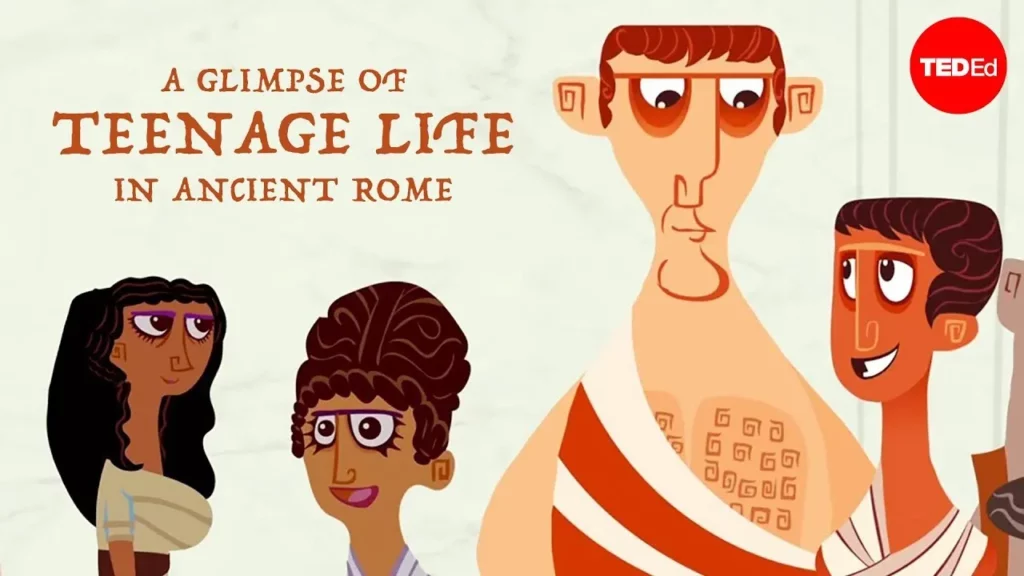
The lesson explores a day in the life of Lucius Popidius Secundus, a 17-year-old Roman living in A.D. 73 during the vibrant Liberalia festival, which celebrates the coming of age of his younger brother. It highlights Lucius’s education, family responsibilities, and the cultural significance of the festival, while also reflecting on the grandeur of ancient Rome and the uncertainties of the future as the empire expands. Through Lucius’s experiences, the lesson illustrates the daily life, traditions, and societal expectations of a young Roman citizen.
What do all languages have in common? – Cameron Morin
The lesson explores Noam Chomsky’s theory of universal grammar, which posits that all humans are born with an innate ability to understand and produce language through hardwired grammatical rules. Chomsky’s work revolutionized linguistics and cognitive science, leading to the development of generative syntax as a tool for analyzing language structures. Despite challenges and revisions to his theory, including the introduction of principles and parameters, the concept of universal grammar has significantly influenced the study of language and our understanding of the cognitive mechanisms behind language acquisition.
History’s deadliest king – by Georges Nzongola-Ntalaja
The lesson explores the atrocities committed during King Leopold II’s rule over the Congo Free State, highlighting the brutal exploitation of the Congolese people for rubber production, which resulted in the deaths of an estimated 10 million individuals. Through testimonies like that of Chief Lontulu, the lesson illustrates the horrific human cost of colonial ambitions during the late 19th century and the eventual international outcry that led to the end of Leopold’s reign in 1908. Despite the transfer of power to the Belgian government, the legacy of suffering and injustice persisted in the Congo, affecting its political landscape for decades to come.
What happened to the lost Kingdom of Kush? – Geoff Emberling
The lesson explores the rise and fall of the ancient Kush civilization, which thrived along the Nile River in what is now northern Sudan. Initially influenced by Egypt, Kush experienced a period of prosperity and expansion under leaders like King Piankhy, who conquered Egypt, but faced challenges from the Assyrians and later the Aksumites, leading to its decline. Despite its significant contributions to history, Kush’s legacy has often been overshadowed by Egypt, leaving much of its culture and achievements underexplored.
The myth of Hades and Persephone – Iseult Gillespie
The myth of Demeter and Persephone illustrates the profound connection between the changing seasons and the themes of sacrifice and maternal love. When Persephone is abducted by Hades, Demeter’s grief leads to a barren Earth, prompting the gods to negotiate a compromise that allows Persephone to spend part of the year with her mother and part in the underworld. This cyclical journey symbolizes the eternal cycle of life and death, reflecting the natural rhythms of growth and decay in the world.