
Can We Grasp How Big Our Cosmos is?
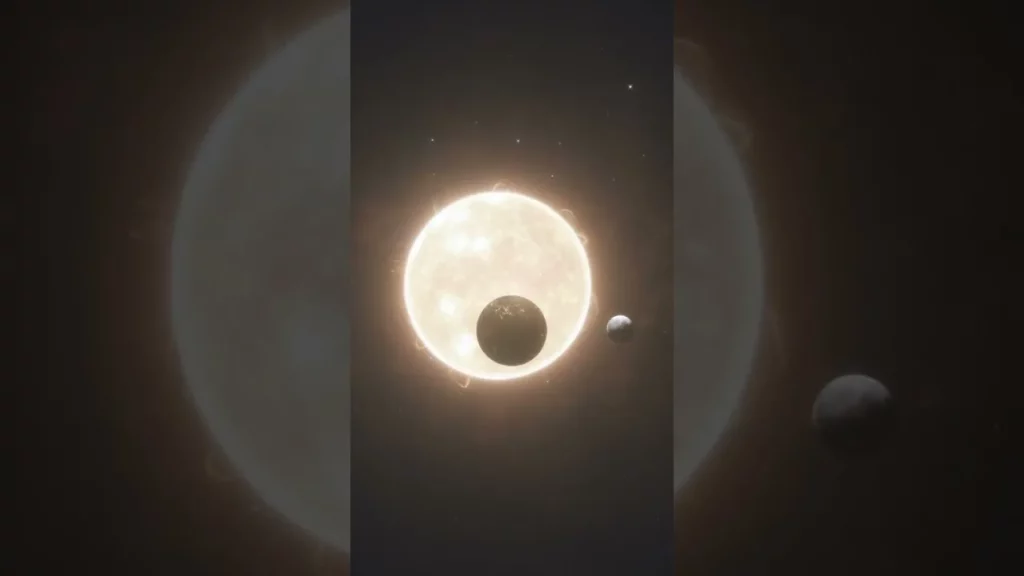
The lesson explores the vastness and complexity of the cosmos, highlighting that our universe is far larger than we can fully comprehend. It discusses the expanding universe, the existence of dark matter and energy, and the intriguing possibility of parallel universes, emphasizing humanity’s relentless curiosity and ability to explore and understand these mysteries. Ultimately, it suggests that while the cosmos is immense, our quest for knowledge continues to drive us toward new discoveries about our place in the universe.
NASA Intentionally Crashes Space Probe Into Asteroid
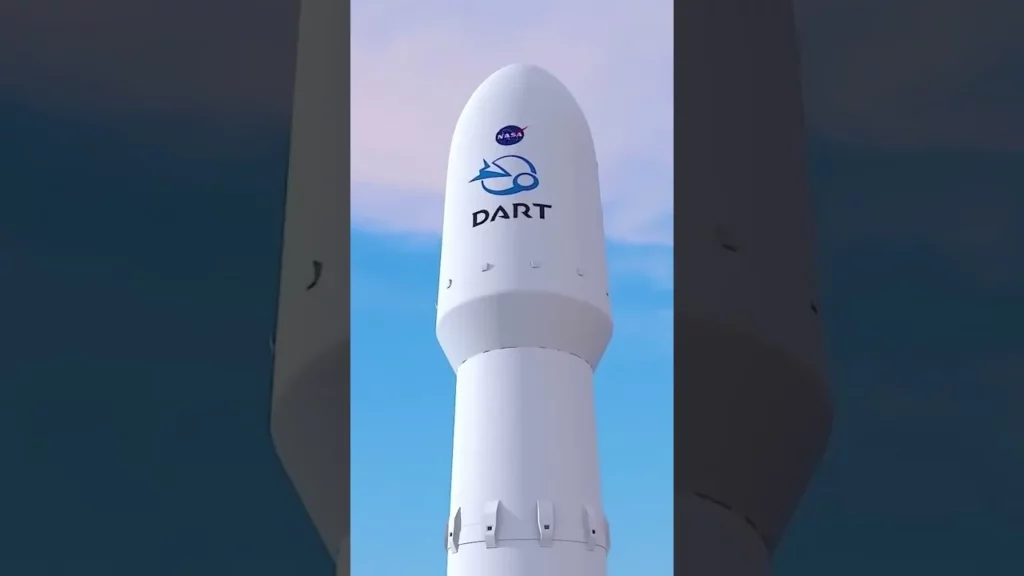
NASA’s recent mission involved intentionally crashing a spacecraft into the asteroid moon Dimorphos to test whether such an impact could alter its trajectory, a crucial step in developing planetary defense strategies against potential asteroid threats to Earth. The collision created a cloud of debris, which scientists are analyzing to understand the impact’s effects and the transfer of momentum, providing insights into how we might prevent future asteroid collisions. This mission represents a significant advancement in our ability to safeguard our planet from space hazards.
Warp Drives as Depicted in Science Fiction
The lesson explores the concept of warp drives as portrayed in science fiction, highlighting their potential for faster-than-light travel by manipulating space and time. While current physics, particularly Einstein’s theory of relativity, presents significant challenges to achieving such travel, theoretical models like the Alcubierre Drive suggest possibilities for bending space-time. Ongoing research into exotic matter and quantum phenomena continues to inspire hope for future advancements in this area, pushing the boundaries of our understanding of the universe.
Does Entropy Increase Forever?
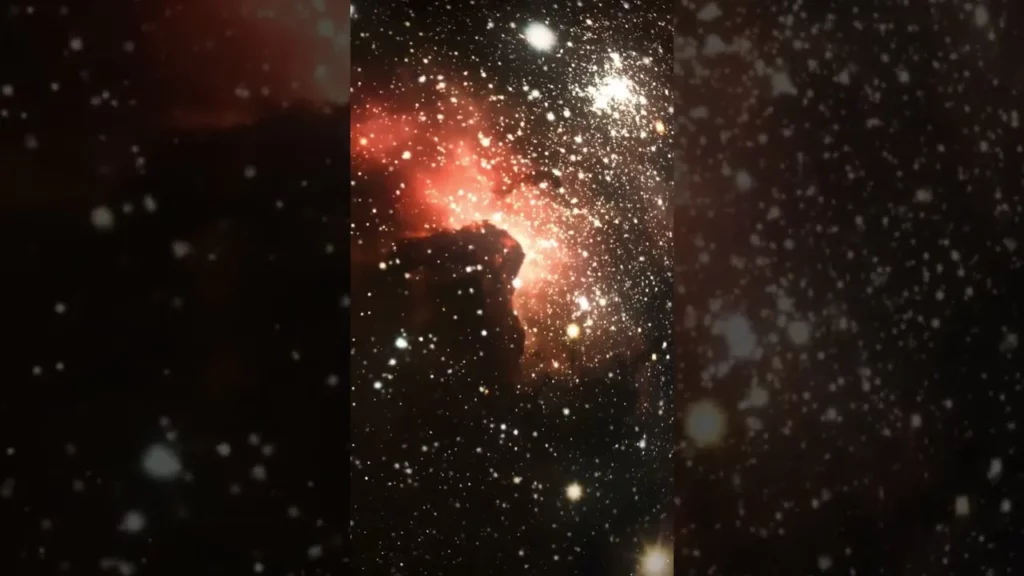
The lesson explains the concept of entropy, highlighting that while the total entropy of an isolated system, such as the universe, always increases over time, local decreases in entropy can occur. These local decreases, which can be seen in processes like cleaning a room or the formation of stars, require energy and result in increased entropy elsewhere. Ultimately, this balance between increasing disorder and localized order is fundamental to understanding the dynamics of the universe.
Brian Cox – What Was There Before The Big Bang?
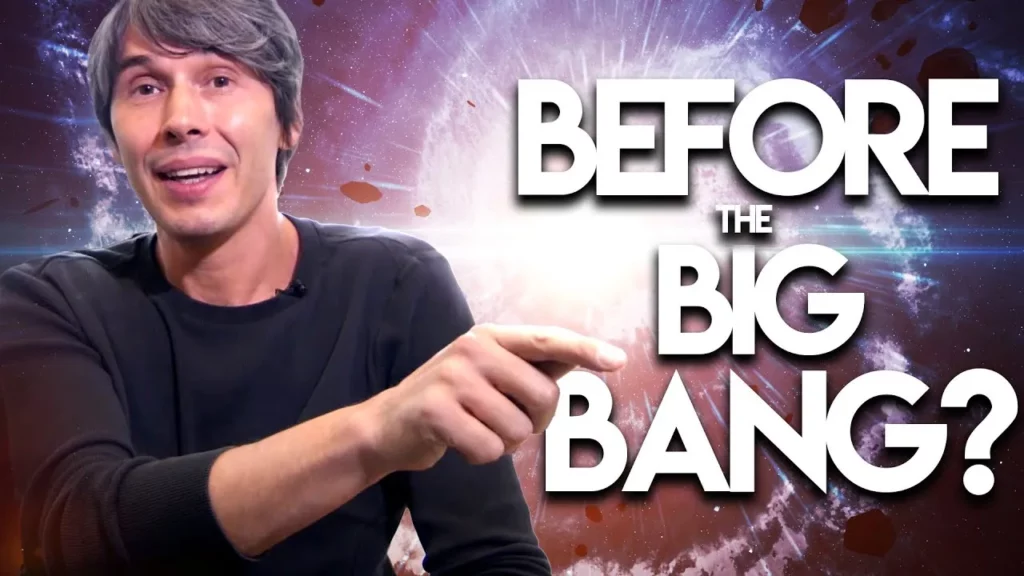
In this lesson, Brian Cox explores the origins of the universe, focusing on the Big Bang and the preceding phase of inflation, where the universe expanded exponentially in a fraction of a second. He discusses the mysteries surrounding inflation, the intriguing concept of the multiverse, and the need for a unification of general relativity and quantum theory to fully understand the universe’s beginnings. Additionally, the lesson touches on the observable universe’s limitations and the implications of its ongoing expansion, suggesting that the universe may continue to grow indefinitely.
Physicists Simulated a Black Hole in a Lab
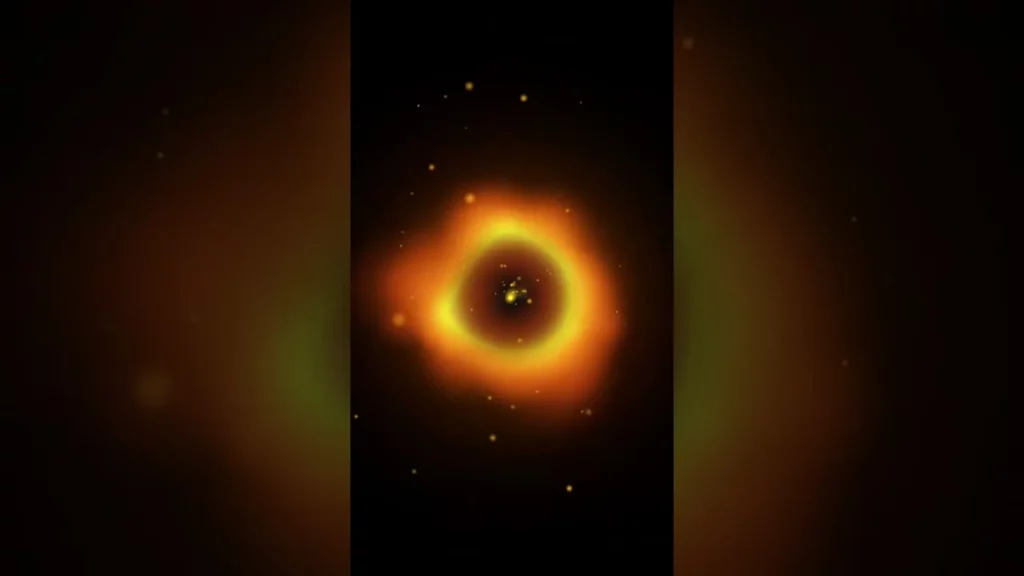
In a groundbreaking experiment, physicists successfully simulated a black hole in a laboratory, demonstrating the emission of Hawking radiation, which supports Stephen Hawking’s theory that black holes can emit thermal radiation due to quantum effects at their event horizons. This simulation represents a significant advancement in bridging the gap between general relativity and quantum mechanics, potentially leading to a unified understanding of these fundamental theories. The experiment opens new avenues for research into black hole physics and could pave the way for revolutionary discoveries about the universe.
Black Holes According to Einstein
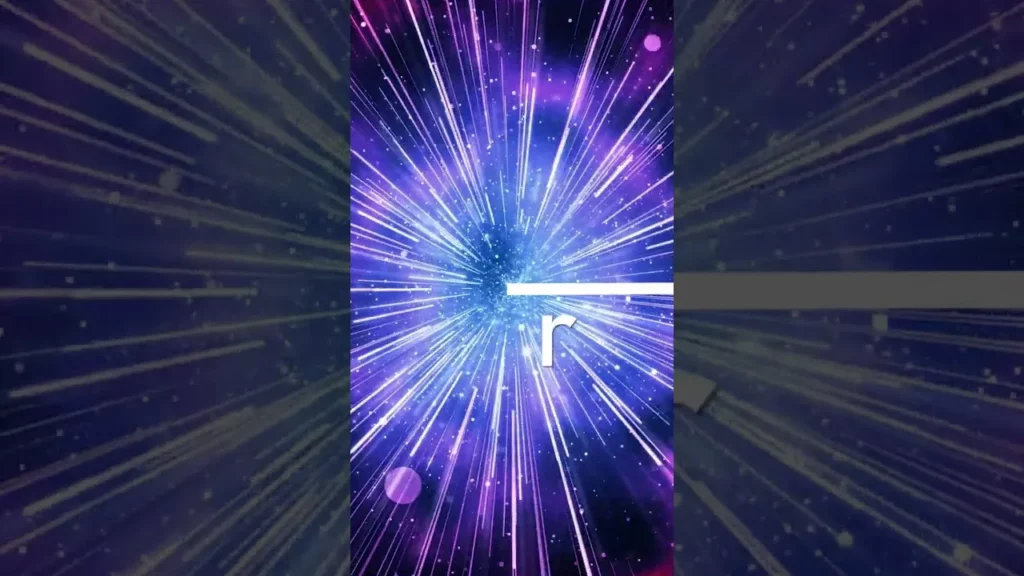
The lesson explores black holes through Einstein’s theory of general relativity, focusing on the critical concept of the Schwarzschild radius, which determines when a mass becomes a black hole. By compressing a mass into a radius smaller than this critical value, the escape velocity exceeds the speed of light, rendering the black hole invisible. Ongoing research, aided by advanced technology, continues to deepen our understanding of these enigmatic phenomena and their implications for the laws of physics and the universe.
Dark Matter Explained by Brian Greene
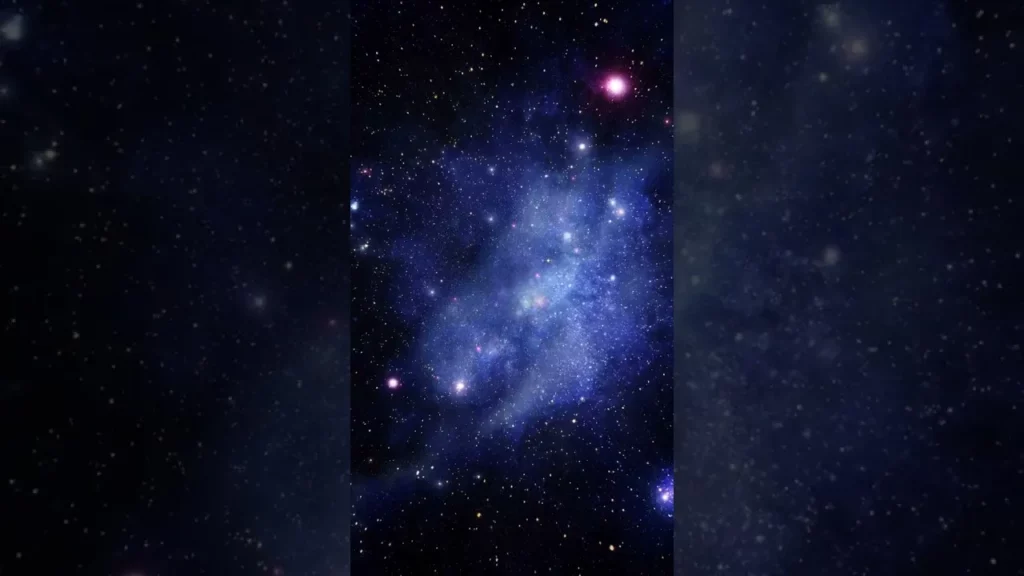
In the lesson “Dark Matter Explained” by Brian Greene, dark matter is introduced as a mysterious substance that constitutes about 27% of the universe, yet does not interact with light, making it invisible to traditional observation methods. Scientists infer its existence through gravitational effects, such as the unusual rotation of galaxies, and phenomena like gravitational lensing, which indicate more mass than what is visible. Understanding dark matter is crucial for comprehending the formation and structure of galaxies and the overall workings of the universe.
Einstein & The Speed of Light

The lesson on “Einstein & The Speed of Light” explores the historical confusion surrounding the speed of light and highlights Albert Einstein’s revolutionary insight that the speed of light is constant, regardless of the observer’s motion. This understanding was pivotal in the development of his theory of relativity, fundamentally transforming our comprehension of space, time, and energy, and paving the way for modern physics. Ultimately, Einstein’s work emphasizes the value of curiosity and open-mindedness in scientific discovery.
The Great Filter Hypothesis
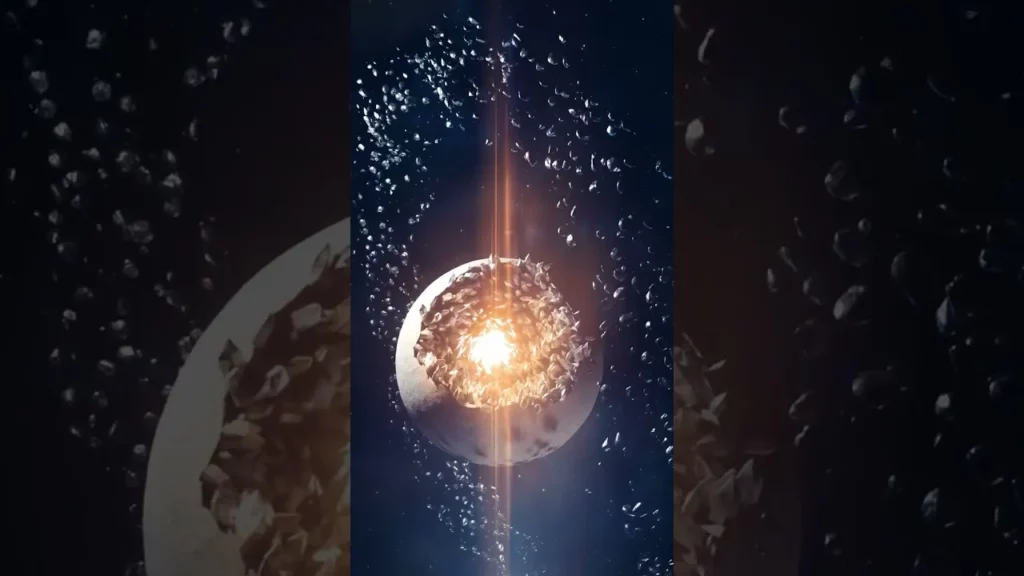
The Great Filter Hypothesis addresses the Fermi Paradox by suggesting that there may be a critical stage in the evolution of life that is exceedingly difficult to surpass, potentially explaining the absence of advanced alien civilizations. This hypothesis posits that advanced civilizations might self-destruct before achieving interstellar communication or travel, as seen in human history through conflicts and environmental challenges. Ultimately, it emphasizes the importance of sustainable development and responsible technological advancement to ensure a positive future for humanity as we explore the universe.