
Football physics: The "impossible" free kick – Erez Garty
The article discusses the physics behind Roberto Carlos’s famous free kick during a 1997 match, highlighting the role of the Magnus effect in the ball’s dramatic curve. By striking the ball with a specific spin, Carlos created a pressure differential that caused the ball to swerve unexpectedly into the goal, exemplifying the complexity and beauty of executing a banana kick in soccer. The piece also touches on the Magnus effect’s application in various sports and the theoretical limits of achieving extreme ball curves.
The ferocious predatory dinosaurs of Cretaceous Sahara – Nizar Ibrahim
The article explores the “River of Giants,” an ancient river system that existed in the Sahara Desert around 100 million years ago during the Mid-Cretaceous period, which was a vibrant ecosystem teeming with diverse life, including apex predators like the Spinosaurus. Fossils from the Kem Kem Beds reveal a unique predator-rich environment where various species coexisted, adapting to hunt specific aquatic prey. The eventual extinction of these prehistoric creatures, due to rising sea levels and catastrophic events, marked a significant transition in Earth’s biological history, paving the way for the emergence of new species, including mammals and humans.
The Irish myth of the Giant’s Causeway – Iseult Gillespie
The Giant’s Causeway, located on the Northern Irish coast, is a stunning geological formation of basalt columns created by volcanic activity, but it is also steeped in Irish mythology. The legend tells of the giant Finn MacCool, who built a causeway to confront his rival, Benandonner, but ultimately retreated in fear after seeing the giant’s size. Finn’s wife, Oonagh, cleverly tricked Benandonner into believing Finn was much larger than he actually was, leading to Benandonner’s hasty retreat and the destruction of the causeway, leaving behind two rock formations as a testament to both the scientific and mythical narratives.
Why should you read “Kafka on the Shore”? – Iseult Gillespie
Haruki Murakami’s “Kafka on the Shore” is a complex novel that explores themes of fate, identity, and the supernatural through the intertwined journeys of a teenage boy named Kafka and an elderly man named Satoru Nakata. As Kafka seeks to escape his troubled past and a family curse, Nakata, who communicates with cats after a wartime coma, embarks on a parallel quest that reveals their deep connection amidst bizarre occurrences and magical realism. The narrative is enriched by cultural references and a unique blend of reality and dreamlike elements, showcasing Murakami’s mastery in crafting thought-provoking literature.
An athlete uses physics to shatter world records – Asaf Bar-Yosef
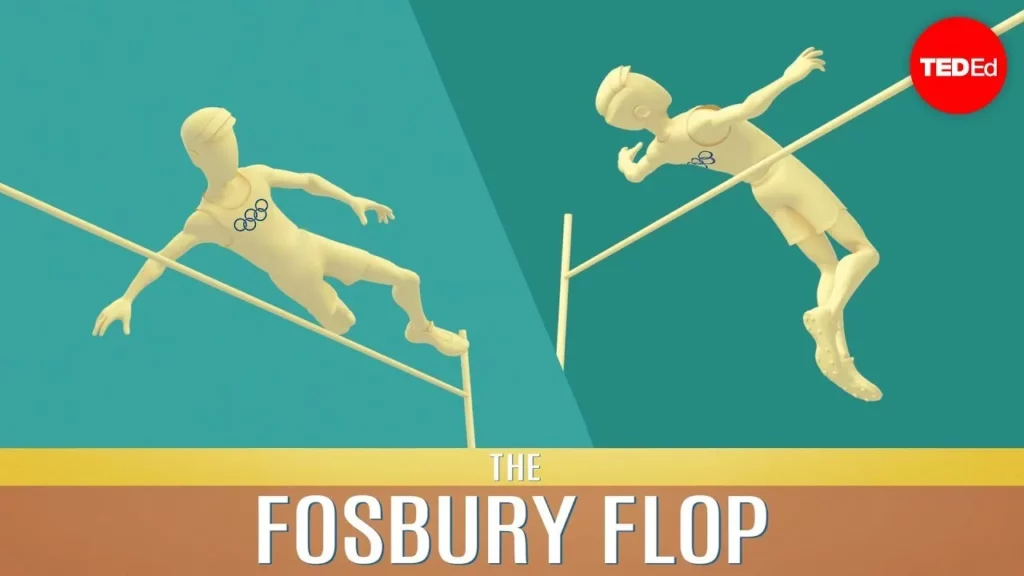
The article discusses the revolutionary high jump technique known as the Fosbury Flop, developed by athlete Dick Fosbury in the 1960s. Struggling with traditional methods, Fosbury innovated by jumping backwards, which allowed him to achieve remarkable heights and ultimately win a gold medal at the 1968 Olympics. His technique, based on the physics of center of mass, transformed high jumping and has since become the standard approach in the sport.
What Happens In Your Body During A Miscarriage?
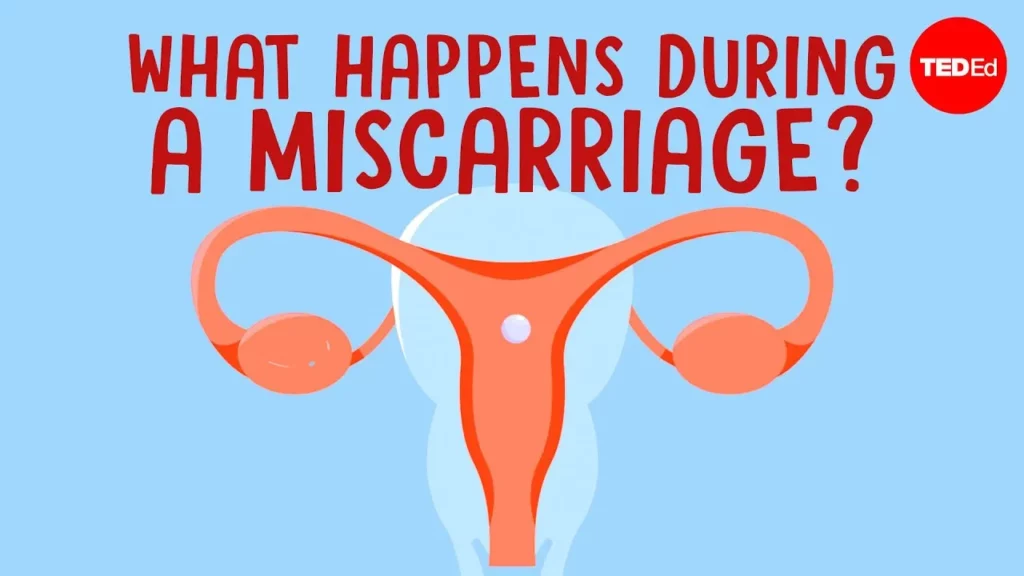
The article discusses the prevalence and complexities of miscarriage, highlighting that approximately 23 million pregnancies end in miscarriage each year, often leaving individuals feeling isolated due to societal stigma and misconceptions. It explains the biological processes involved in early pregnancy, the common causes of miscarriage, and outlines three treatment options available for those experiencing a miscarriage, emphasizing the importance of access to care and compassionate support during such a challenging time.
What Causes Headaches?
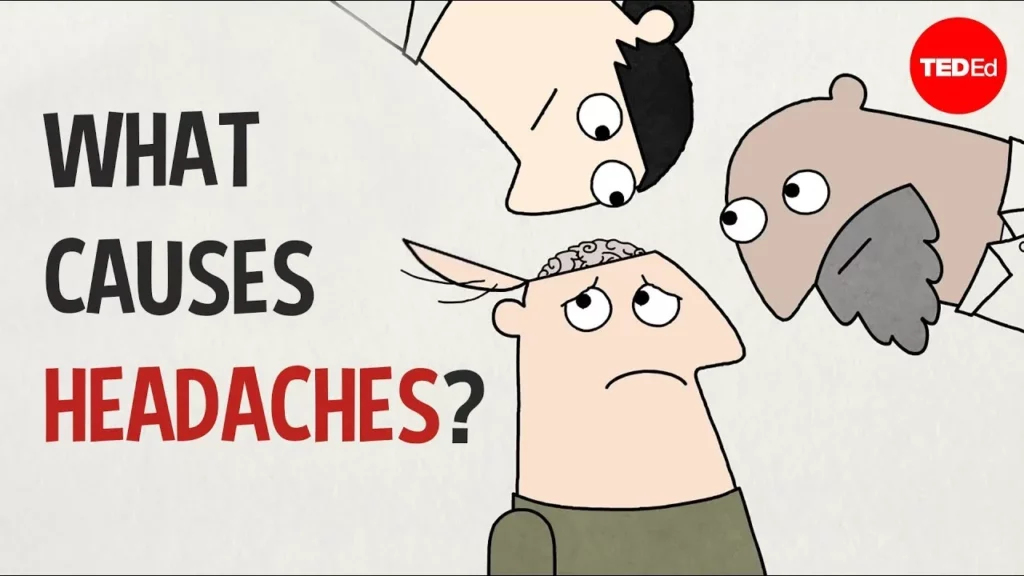
The article explores the historical and modern understanding of headaches, highlighting their classification into primary and secondary types. While primary headaches, such as migraines and tension headaches, remain poorly understood, secondary headaches are linked to other health issues and have identifiable causes. Current treatments focus on managing symptoms and avoiding triggers, but ongoing research aims to uncover more effective solutions for the complex nature of primary headaches.
Why Is It So Dangerous To Step On A Rusty Nail
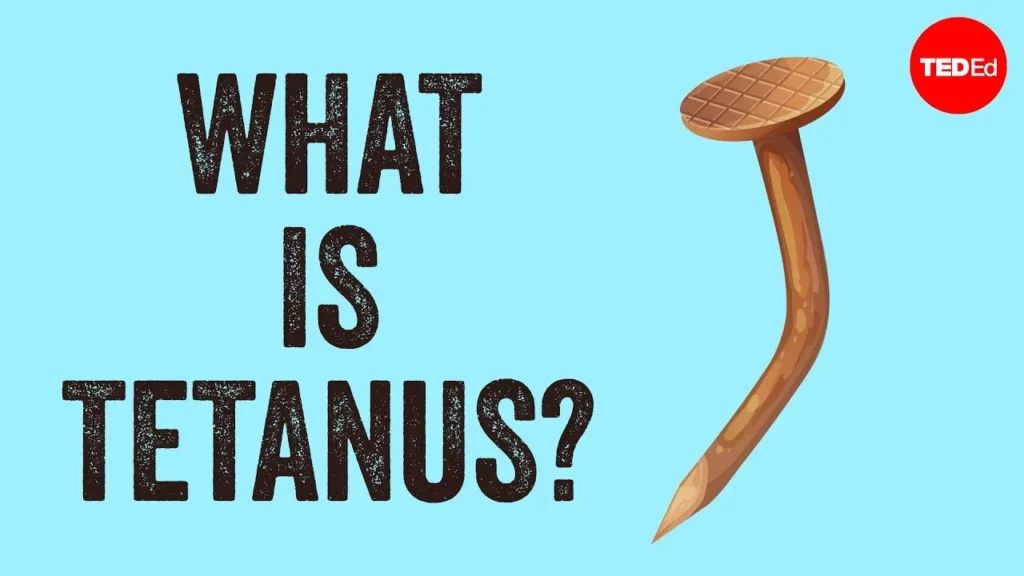
The article discusses the historical context and modern understanding of tetanus, tracing its recognition back to Hippocrates in the 5th century. It explains that tetanus is caused by the bacterium *Clostridium tetani*, which enters the body through wounds, leading to severe muscle spasms and potentially suffocation if untreated. Modern medicine has developed effective treatments and preventive measures, including vaccinations, yet tetanus remains a significant health threat, particularly in low-income regions where access to vaccines is limited.
Why Is Alzheimer’s Disease So Difficult To Treat
Alzheimer’s disease, affecting millions globally, presents a significant challenge due to its impact on memory and cognitive abilities, as well as the emotional and financial strain it places on families. Despite extensive research, an effective treatment or cure remains elusive, with the disease’s complexity stemming from a combination of genetic, lifestyle, and environmental factors. Current studies are exploring various aspects of the disease, including the roles of beta-amyloid plaques, tau protein tangles, and immune cell changes, while management strategies focus on symptom relief and slowing progression.
What The Oil Industry Doesn’t Want You To Know
The article discusses the origins and motivations behind climate change denial, tracing its roots to the oil industry’s efforts to obscure the scientific consensus on climate change. Beginning in the 1970s, oil companies, aware of the environmental risks posed by fossil fuels, chose to fund a multi-billion-dollar public relations campaign to discredit climate science rather than transition to renewable energy. Despite the industry’s claims of alignment with scientific consensus, evidence suggests a deliberate strategy to manipulate public perception and political discourse, ultimately delaying necessary action against climate change.