
The First Trillionaire
The lesson explores the potential of asteroid mining as a pathway to becoming the world’s first trillionaire, highlighting the valuable materials found within asteroids, such as gold and platinum. It discusses the scientific and technological advancements needed to extract these resources and emphasizes the broader implications for future space exploration and sustainability. Ultimately, the lesson conveys that asteroid mining could not only lead to immense wealth but also pave the way for humanity’s expansion into space.
Brian Greene – Did The Universe Emerge Inside a Black Hole?
In this lesson, Dr. Brian Greene explores the fascinating idea that our universe could exist within a black hole, suggesting that the properties of dark matter and dark energy might be influenced by such a cosmic structure. He discusses the nature of black holes, the implications of being inside one, and the potential for black holes to act as gateways to other universes, while acknowledging the speculative nature of these concepts. Ultimately, Greene emphasizes the importance of continued exploration and discovery in understanding the universe’s mysteries.
Alien Communication
The lesson “Alien Communication: Exploring the Possibilities” delves into the complexities and rarity of the transition from simple life forms to advanced civilizations capable of communication. It highlights the challenges faced when different societies merge, drawing parallels from Earth’s history, while also emphasizing the exciting potential for knowledge exchange with alien civilizations. Ultimately, it advocates for an optimistic outlook on the possibility of interstellar dialogue, which could lead to profound insights and a greater sense of unity across the cosmos.
Brian Cox on Dark Matter
In this lesson, Brian Cox explores the concept of dark matter, a mysterious substance that interacts through gravity but does not behave like ordinary matter. He explains its crucial role in the universe, particularly in the rotation of galaxies and the patterns observed in the Cosmic Microwave Background radiation, which provide evidence of dark matter’s existence. The ongoing search for dark matter particles is essential for understanding the universe’s structure and the fundamental laws of physics, highlighting the significance of this elusive component in modern science.
Are You in a Simulation or in Base Reality?

The lesson explores the intriguing concept of the simulation hypothesis, which posits that advanced technology could enable the creation of numerous simulations of human history, potentially making it more likely that we are living in a simulated reality rather than the original one. This idea raises profound philosophical questions about the nature of existence, consciousness, and free will, prompting us to reconsider our understanding of reality and our place within it. Ultimately, whether or not we are in a simulation, the hypothesis encourages critical thinking about technological advancements and their implications for our perception of reality.
The Universe is Interesting & Complex
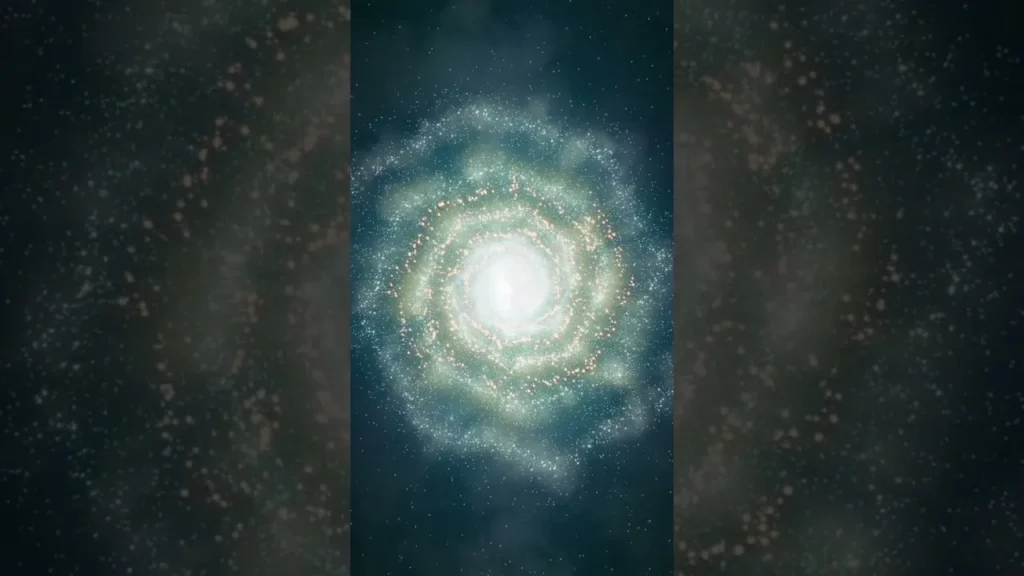
The lesson explores the fascinating evolution of the universe, emphasizing the interplay between entropy and complexity over billions of years. Initially simple after the Big Bang, the universe became increasingly complex through gravitational interactions that formed stars, galaxies, and planets, creating diverse environments. However, as stars eventually exhaust their fuel, the universe is expected to revert to a simpler state, illustrating the transient nature of complexity in the cosmos.
Neil Tyson on UFOs
In this lesson, Neil Tyson emphasizes the importance of maintaining an open mind when encountering unidentified flying objects (UFOs). He cautions against jumping to conclusions, such as assuming that unexplained phenomena are extraterrestrial, and encourages a scientific approach of inquiry and evidence-gathering. Ultimately, the lesson advocates for curiosity and exploration of the universe while recognizing that not all unknowns are extraordinary.
Our Place in Space & Time
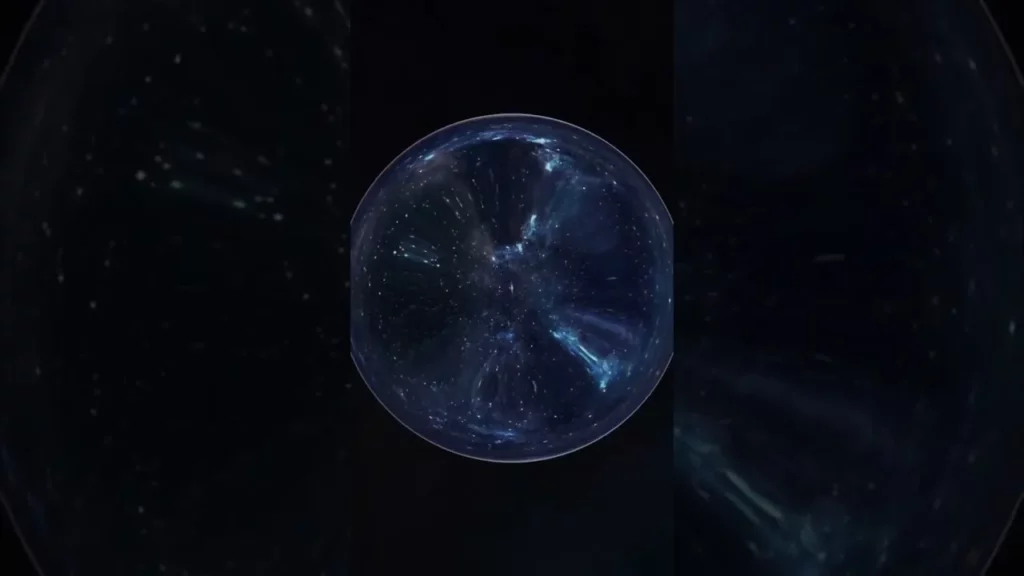
The lesson “Our Place in Space & Time” explores the inflation theory, which explains the universe’s rapid expansion from a tiny point, leading to the vast cosmos we see today. It highlights the infinite nature of space, the colorful objects at the edge of the observable universe, and the concept of time as scientists study light from distant galaxies to understand the universe’s 13.8 billion-year history. Ultimately, the lesson emphasizes the excitement of ongoing discoveries and our connection to the mysteries of the universe.
Neil deGrasse Tyson Explains Faster Than Light Interstellar Travel
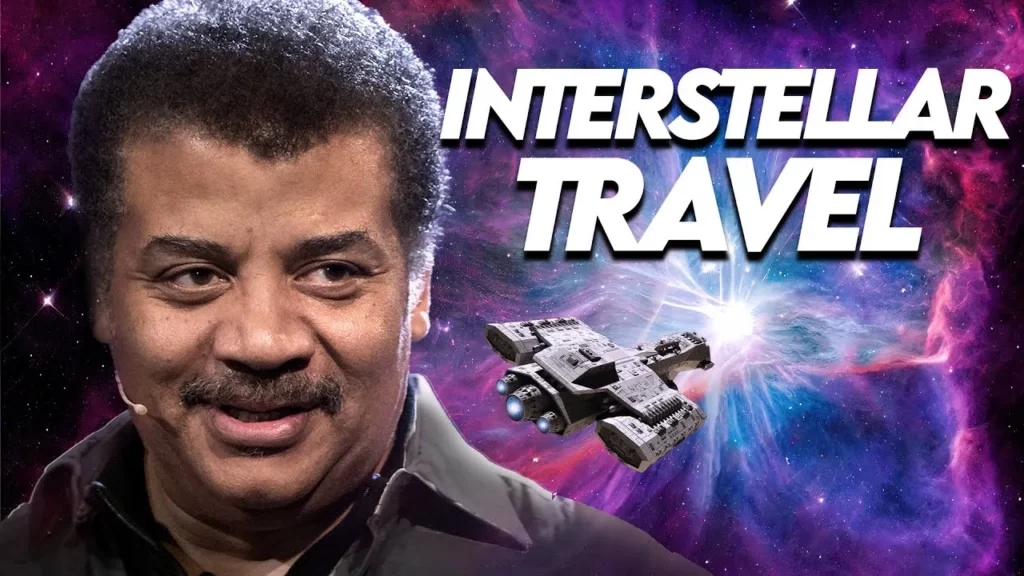
In this lesson, Neil deGrasse Tyson discusses the challenges and theoretical concepts surrounding faster-than-light interstellar travel, emphasizing that current technology is insufficient for such journeys due to the vast distances involved and the limitations imposed by Einstein’s theory of special relativity. He explores ideas like warp drives and wormholes as potential solutions, while also addressing the ethical implications of generation starships designed for long-term space exploration. Ultimately, Tyson highlights the ongoing scientific exploration of these concepts, expressing hope for future advancements in interstellar travel.
Why Elon Musk Wants to go to Mars
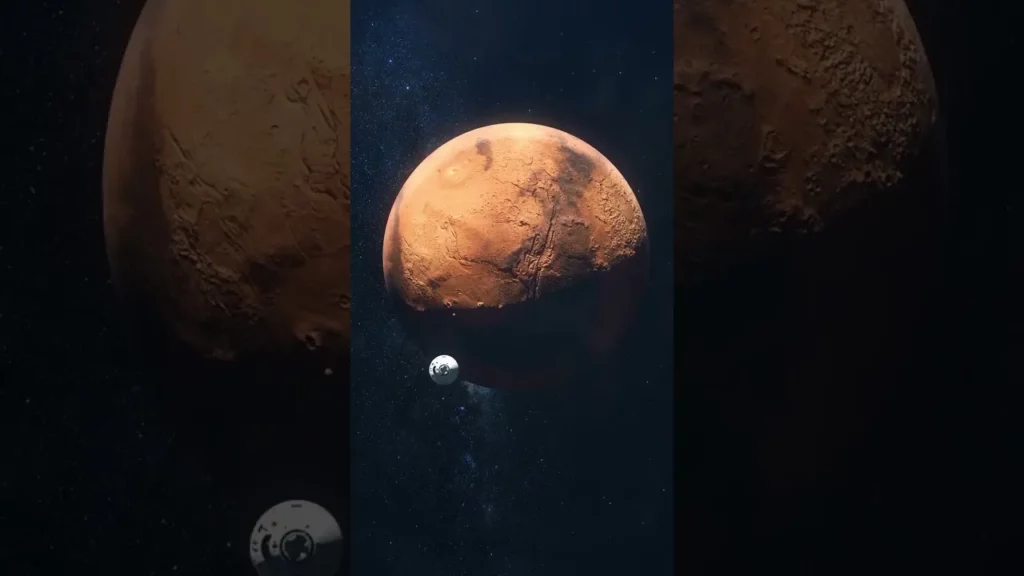
Elon Musk’s ambition to travel to Mars is driven by the desire to create a self-sustaining city on the planet, making humanity a multi-planet species and ensuring our survival in the face of potential catastrophes on Earth. He aims to reduce the high costs of space travel to make this vision a reality, emphasizing the importance of continuous exploration and development on Mars rather than a one-time visit. Ultimately, Musk’s mission represents a significant leap for humanity, opening up new possibilities for discovery and innovation in space exploration.