
Alien Life in Our Solar System
The lesson explores the intriguing possibility of extraterrestrial life within our solar system, focusing on the moons Europa and Enceladus, which are believed to harbor vast oceans beneath their icy surfaces. These environments, along with their active geological processes, may provide the necessary conditions for life, prompting scientific missions to investigate further. The search for life on these moons, as well as on Mars, represents a significant frontier in space exploration, aiming to answer the profound question of whether we are alone in the universe.
String Theory Explained in 1 Minute
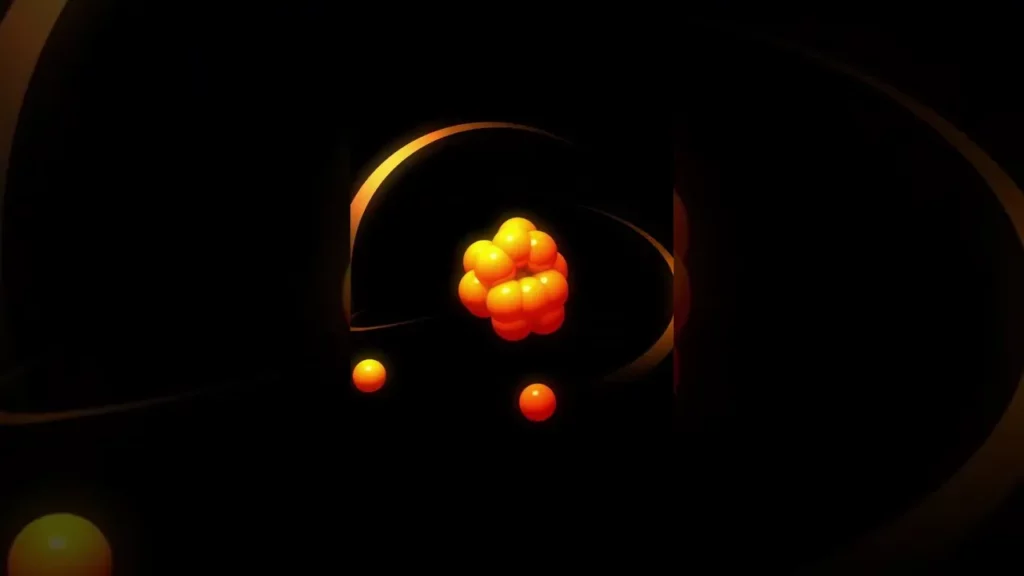
The lesson on string theory introduces the concept of the universe’s fundamental building blocks, starting from atoms and progressing to quarks, which are the components of protons and neutrons. It then presents string theory, which posits that these particles are made up of tiny, vibrating strings of energy, suggesting that the vibrations of these strings determine the properties of different particles. This theory aims to unify all fundamental forces and particles, potentially leading to a comprehensive understanding of the universe.
The Multiverse Explained in a Minute
The lesson explores the concept of the multiverse, suggesting that if the universe is infinite, there could be countless versions of ourselves existing in different configurations across space. This idea not only challenges our understanding of reality but also encourages curiosity about the vastness of the cosmos and our place within it. Ultimately, contemplating the multiverse inspires both scientific inquiry and philosophical reflection on existence.
Brian Cox – How We Create Antimatter

The lesson discusses the concept of antimatter, highlighting its significance in physics and the challenges associated with its creation. Recent breakthroughs in producing stable anti-hydrogen atoms allow scientists to study the differences between matter and antimatter, potentially addressing fundamental questions about the universe’s composition and the imbalance between the two. This advancement opens new avenues for testing the fundamental laws of nature and deepening our understanding of the cosmos.
Are We Alone in The Galaxy?
The lesson explores the question of whether we are alone in the galaxy by examining recent discoveries of over 4,000 exoplanets, many of which are Earth-sized and could potentially support life. With billions of Earth-like planets in our galaxy, the likelihood of extraterrestrial life seems increasingly plausible, prompting ongoing scientific exploration and curiosity about the universe. Ultimately, while definitive proof of life beyond Earth remains elusive, the search continues to inspire wonder and discovery.
This Green Comet Will NOT Hit Earth
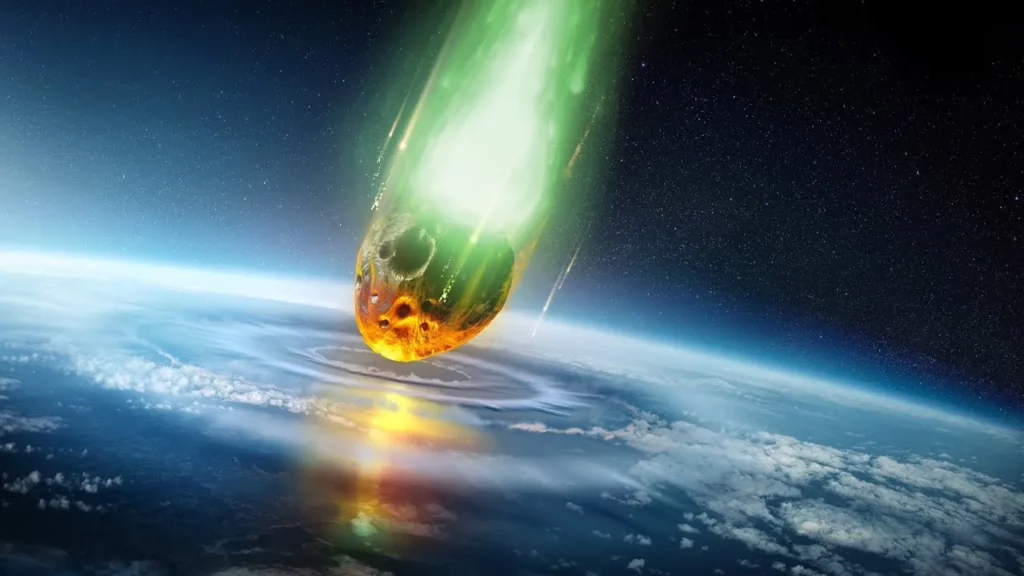
The lesson discusses the fascinating nature of comets, specifically focusing on the recently discovered green comet C/2022 E3 (ZTF), which is making a close approach to Earth after 50,000 years. While some may worry about potential impacts, the lesson reassures that this comet will safely pass at a distance of 26 million miles. It highlights the comet’s unique characteristics, its origins from the Oort Cloud, and the importance of studying comets to understand planetary formation and the history of our solar system.
What is Time?
The lesson explores the concept of time, highlighting its significance in our daily lives and its role in organizing our experiences through measurement with clocks and calendars. Despite our ability to measure time and its critical importance in scientific theories like relativity, the true nature of time remains a profound mystery, influenced by both physical laws and our subjective perceptions. This duality of familiarity and enigma invites deeper contemplation about the essence of time and its impact on our existence.
Have We Found Aliens Yet?
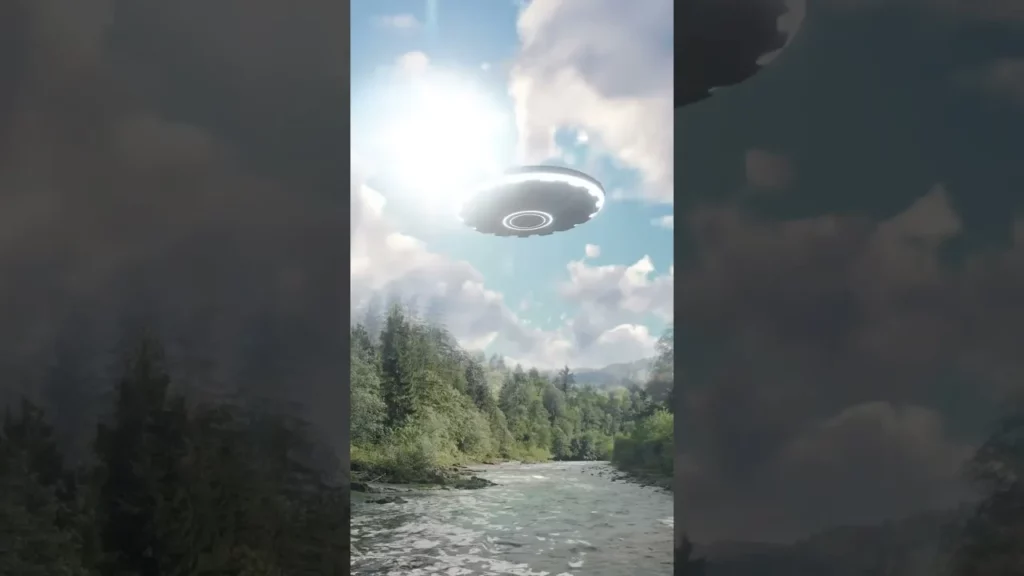
The lesson explores the intriguing question of whether we are alone in the universe and the ongoing search for extraterrestrial life. Scientists utilize advanced telescopes and various methods to detect signals and study planets that may harbor life, but despite extensive efforts, no definitive evidence of aliens has been found yet. The search remains a vital scientific pursuit, with the potential to reshape our understanding of life and intelligence in the cosmos.
Can We Simulate Consciousness?
The lesson explores the intriguing concept of simulating consciousness, comparing it to the fictional world of the Matrix, and examines the potential for advanced simulations as technology progresses. It highlights the complexities of consciousness, the current limitations in replicating the human brain, and the ethical implications of creating conscious entities. Ultimately, while true simulation of consciousness remains unattainable at present, ongoing research in artificial intelligence and neuroscience continues to push the boundaries of what may be possible in the future.
The Concept of Emergence in Quantum Physics
The lesson on the concept of emergence in quantum physics explores how complex behaviors and properties arise from the interactions of fundamental particles, which are governed by the laws of quantum mechanics. Emergence illustrates that while individual components may follow simple rules, their collective interactions can lead to new and intricate patterns, observable in various fields such as biology and sociology. This understanding not only bridges the gap between the microscopic and macroscopic worlds but also has practical implications for technology, biology, and social dynamics.