
Can Machines Become Conscious?
The lesson explores the intriguing question of whether machines can become conscious, highlighting its significant moral implications, particularly regarding ethics and responsibility in legal contexts. It discusses the complexities of assigning rights and accountability to conscious machines and examines the impact of machines on human life, regardless of their consciousness. Ultimately, the lesson emphasizes the ongoing exploration of machine consciousness and its relevance to both technological advancement and philosophical inquiry.
The Problem With The Speed of Light
The lesson explores the speed of light, which, while incredibly fast at 186,000 miles per second, is not instantaneous. This finite speed leads to delays in communication over long distances, such as a three-second delay for a conversation with someone on the Moon, and highlights the vastness of the universe, where light can take billions of years to travel from distant galaxies to Earth, allowing us to observe the universe as it was in the past. Understanding these concepts deepens our appreciation for the intricate relationship between time, distance, and the cosmos.
Brian Cox on The Life Cycle of Stars

In this lesson, Brian Cox explores the life cycle of stars and their profound connection to our existence, emphasizing that the elements in our bodies originated from stars that have long since died. He explains the processes of star formation, nuclear fusion, and the eventual fate of stars, including their transformation into red giants, white dwarfs, or even black holes. The lesson highlights the intricate relationship between cosmic events and our understanding of the universe, underscoring the importance of these celestial phenomena in shaping our reality.
An Alien 5% Smarter Than Us
The lesson explores the profound implications of small genetic differences on intelligence by comparing humans to chimpanzees, illustrating how a mere half percent in DNA can lead to vast disparities in capabilities. It then extends this idea to consider an alien species that is 5% smarter than humans, prompting us to reflect on how we might appear to them and the potential limitations of our own intelligence. Ultimately, the lesson encourages us to appreciate our advancements while remaining open to the possibility of greater knowledge and creativity in the universe.
Brian Cox – Just How Big is Our Universe?
In the lesson “Brian Cox – Just How Big is Our Universe?”, we explore the concept of the observable universe, which encompasses approximately 350 billion large galaxies and spans about 90 billion light-years. This vastness highlights the complexity of the universe and our ongoing quest to understand its origins, structure, and potential for life beyond Earth, aided by advanced technologies like telescopes. Ultimately, this exploration not only satisfies human curiosity but also challenges our understanding of existence and our place in the cosmos.
Brian Cox – Is The Universe Infinite?
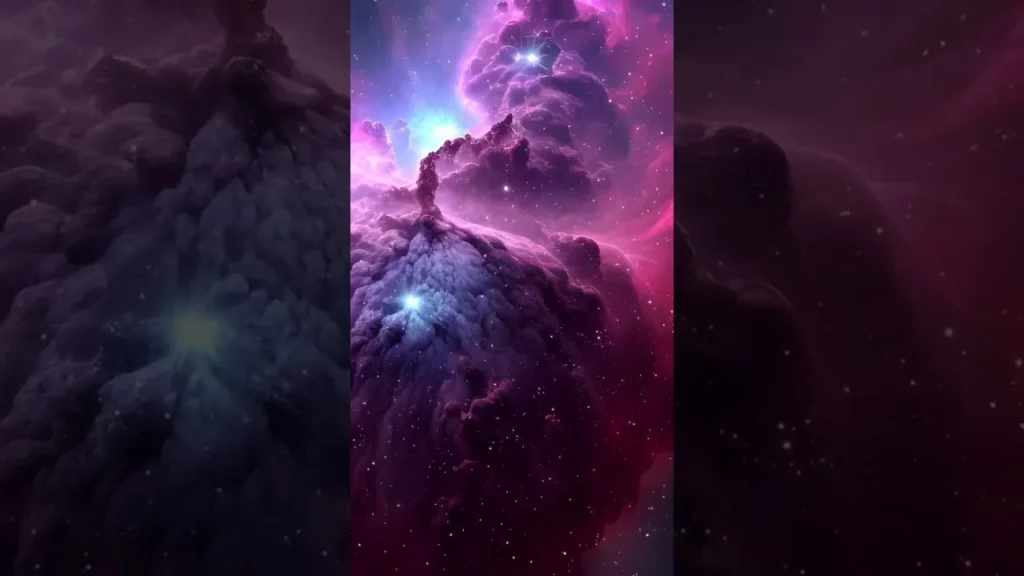
In this lesson, Brian Cox discusses the vastness of the universe and the ongoing debate about its potential infinity, utilizing data from the Sloan Digital Sky Survey to map galaxies and understand the cosmos. The concept of infinity is explored as a challenging idea that scientists approach through mathematics and observation, emphasizing the significance of this inquiry in shaping our understanding of reality and our place within it. Ultimately, while the question remains unresolved, advancements in astronomical research continue to enhance our comprehension of the universe’s scale.
Best Ways For Space Travel
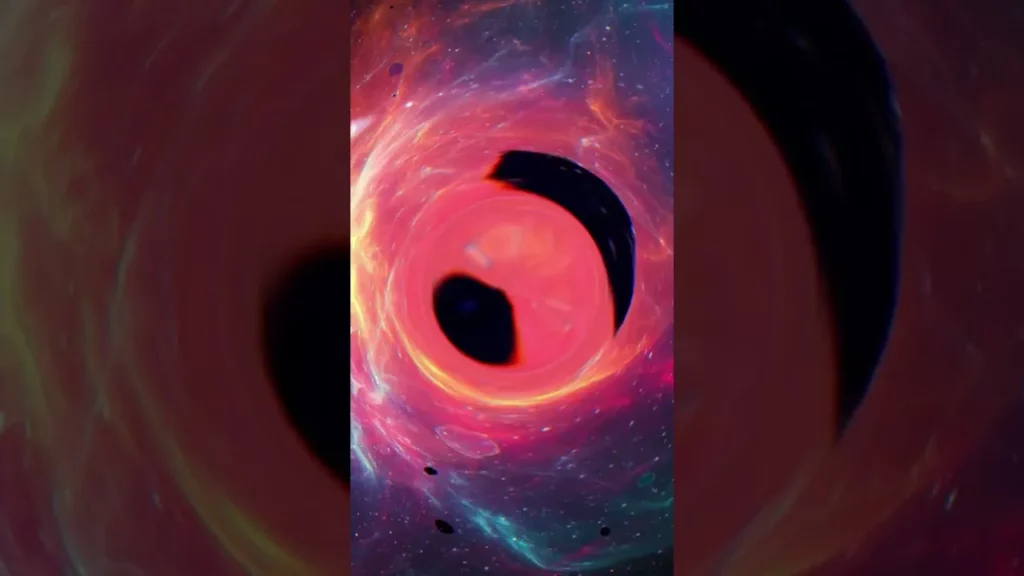
The lesson explores innovative methods for space travel, highlighting solar sails as a sustainable propulsion technology that utilizes sunlight for efficient travel to destinations like Mars. It also discusses theoretical concepts such as wormholes and near-light-speed travel, which could revolutionize our ability to explore the cosmos by overcoming the vast distances of space. Ultimately, advancements in technology and our understanding of relativity may pave the way for future interstellar exploration.
How Did Supermassive Black Holes Form?
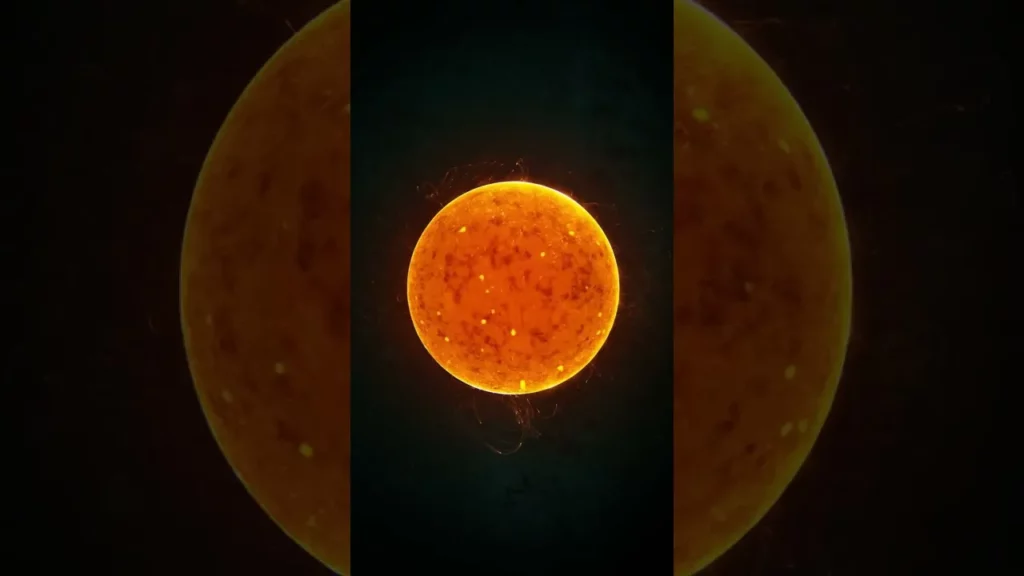
The lesson explores the formation of supermassive black holes, which are found at the centers of most galaxies and can be millions to billions of times more massive than the Sun. It discusses theories suggesting that these black holes may have originated from the remnants of the universe’s first massive stars and subsequently grew through the accumulation of surrounding material. Despite ongoing research and advancements in technology, the exact processes behind their formation remain uncertain, highlighting their significance in understanding galaxy evolution and the cosmos.
Neil Tyson on e=mc2

The lesson discusses the significance of Einstein’s equation E=mc², which illustrates the relationship between mass and energy, particularly in the context of the early universe where extreme temperatures allowed matter to transform into energy. While we don’t observe this conversion in our daily lives due to lower energy levels, the equation is fundamental to understanding cosmic phenomena, such as how stars shine and the principles behind nuclear power. Ultimately, E=mc² highlights the profound connection between matter and energy, emphasizing the potential impact of even the smallest quantities of mass.
This is How We Find Them – David Kipping on Alien Life
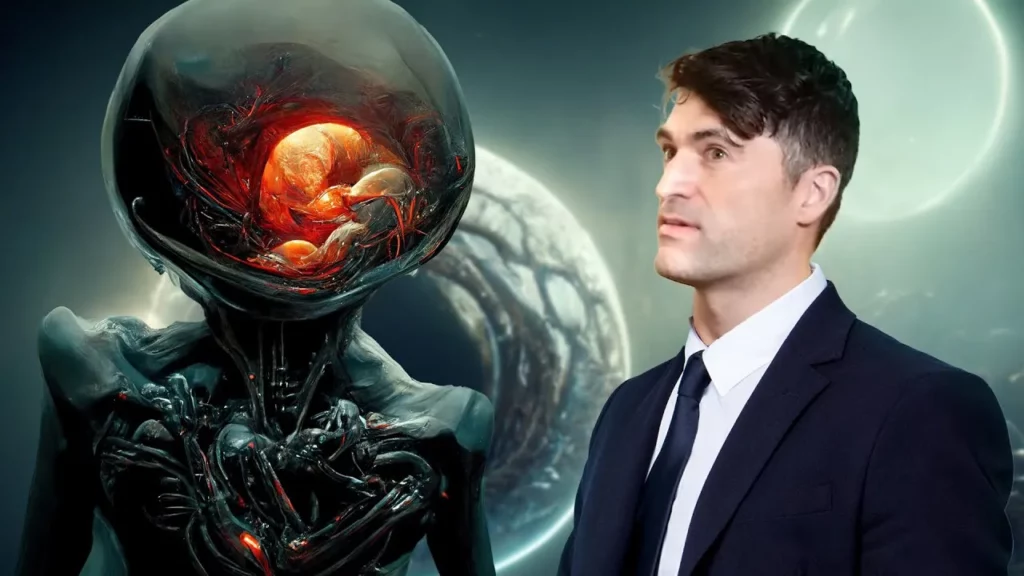
In the lesson “This is How We Find Them,” David Kipping discusses the ongoing search for extraterrestrial life, highlighting advancements in technology and the discovery of exoplanets that fuel scientific curiosity. Key questions focus on where to look for life, potential biosignatures, and the challenges faced in proving the existence of alien life, while also considering the vast diversity of what such life might entail and the complexities of potential communication with intelligent civilizations. Despite the lack of definitive evidence, the exploration continues, driven by hopeful discoveries like water on other planets and the identification of habitable zones.