
What is the coldest thing in the world
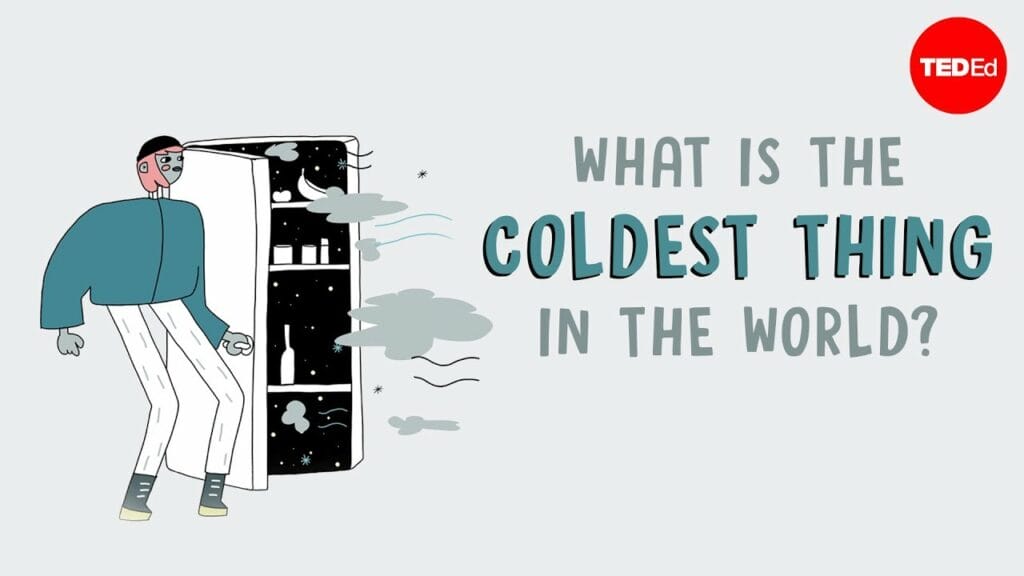
Scientists are able to create the coldest materials in the world in physics labs by using laser beams to slow down moving particles. This allows for a better understanding of the inner workings of matter and the development of sensitive instruments, such as atomic clocks and detectors for underground resources. Cold atoms also have the potential to be used in the study of atomic and subatomic phenomena and the detection of gravitational waves.
Why don’t we throw trash in volcanoes?

The article explains why using volcanoes as a solution for waste disposal is not a viable option. It highlights the high cost and impracticality of transporting trash to volcanoes, as well as the risks involved in waiting for eruptions or drilling into magma chambers. The article also discusses the environmental impact and potential dangers associated with using volcanoes for garbage disposal. Ultimately, it concludes that exploring sustainable and less harmful waste disposal methods is necessary.
How did the deepest part of the ocean get so polluted
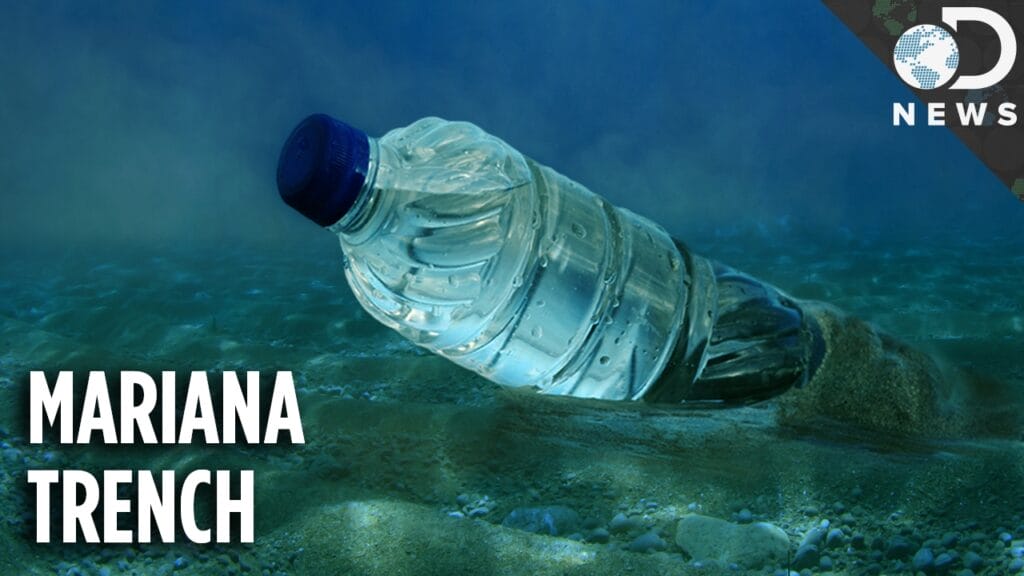
The Mariana Trench, the deepest part of the ocean, is found to be alarmingly polluted with physical trash and chemicals. Plastics, which are not easily broken down by organisms, and persistent organic pollutants (POPs), including banned chemicals, are contaminating the ocean floor. This pollution not only harms marine life but also poses a threat to human health, as these chemicals can enter the food chain. Moreover, ocean pollution reduces oxygen levels and causes mass death of marine life and reproductive issues for animals. The article highlights the need to address ocean pollution and its consequences.
Why do venomous animals live in warm climates
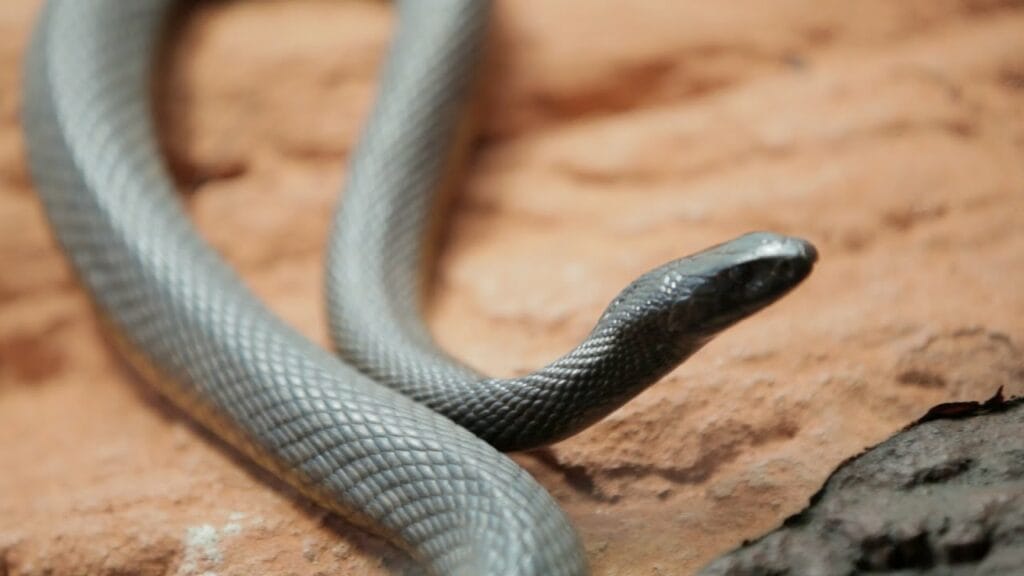
The article explores the phenomenon of why the most venomous species are found in the warmest places on Earth. It discusses the correlation between global average temperatures and the number of venomous species in each country. The article also explains the functions of venom molecules, the effects of venomous bites, the production of anti-venom, and the role of evolutionary history in the distribution of venomous species.
The bees that eat corpses
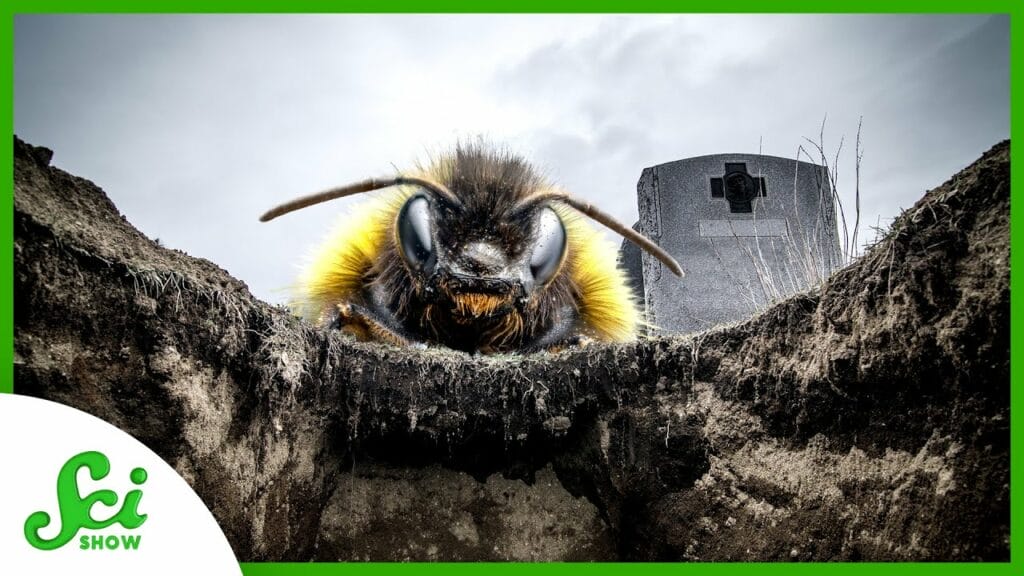
The article discusses vulture bees, a species of bees that are unique in their diet of carrion, or dead animals. The study explored the microbiome of vulture bees and found that they have adapted their gut microbes to accommodate their meat-eating diet. This adaptation sheds light on how the microbiome can change in response to changes in diet.
The most horrifying parasites on the planet
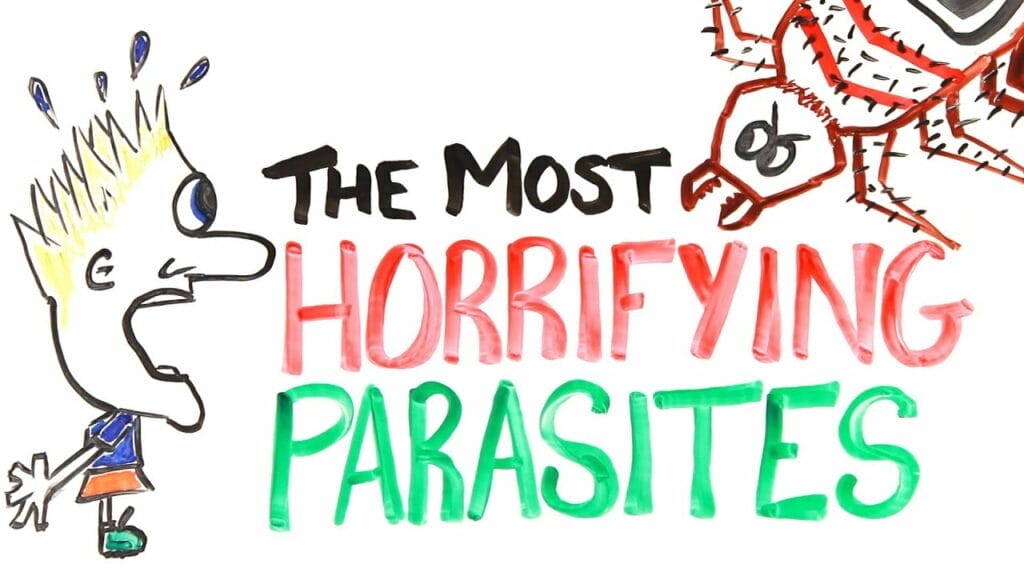
The article discusses several terrifying parasites and their effects on humans. It highlights parasites such as the Filarial Worm, pinworms, pubic lice, and marine parasites. The article also mentions the Cordyceps fungus, which can take over the bodies of ants and manipulate their behavior.
Why humans are so bad at thinking about climate change
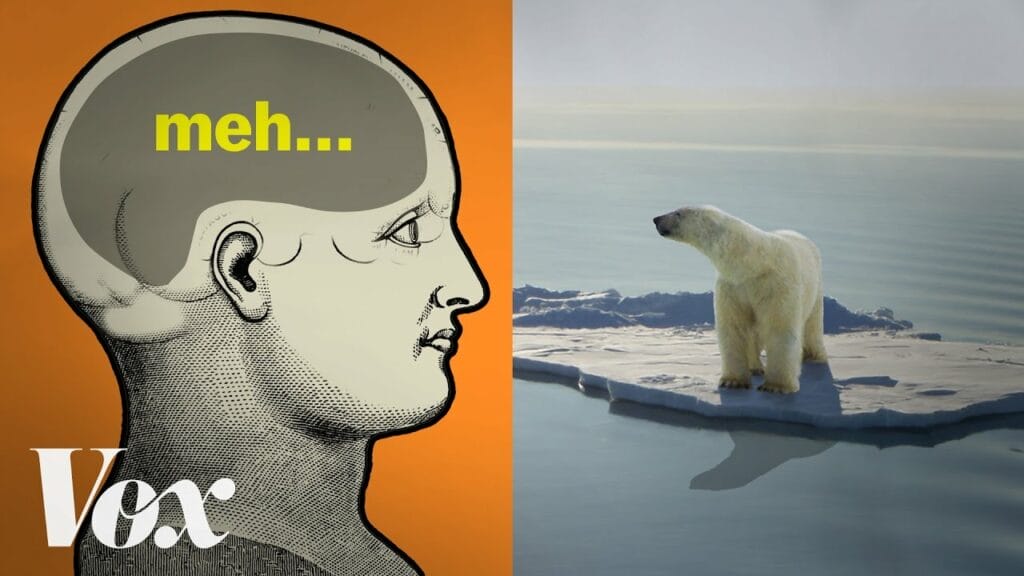
The article discusses the need for a new approach to addressing climate change, as the current doom-and-gloom messaging is not effectively engaging people. The author suggests learning from past successes, such as the ozone layer crisis, and making the invisible problem of greenhouse gases more visible. The article also highlights the power of social competition and behavioral nudges in encouraging energy conservation. Overall, the author emphasizes the importance of embracing what makes us human and moving from apathy to action in tackling climate change.
Why you dont hear about the ozone layer anymore
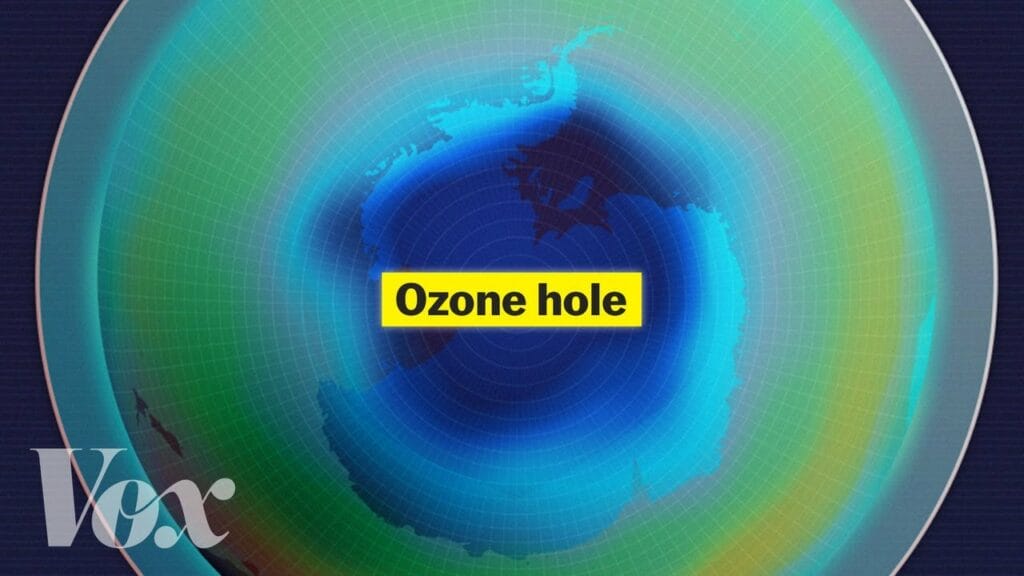
The article discusses the discovery of a hole in the ozone layer in the 1980s and the subsequent efforts to heal it. It highlights the role of Chlorofluorocarbons (CFCs) in causing the depletion of ozone and the global cooperation through the Montreal Protocol to reduce their consumption. While the ozone hole is expected to fully recover by 2065, the article emphasizes the ongoing challenge of climate change and the need for collective action to address it.
The fascinating physics of boat wakes
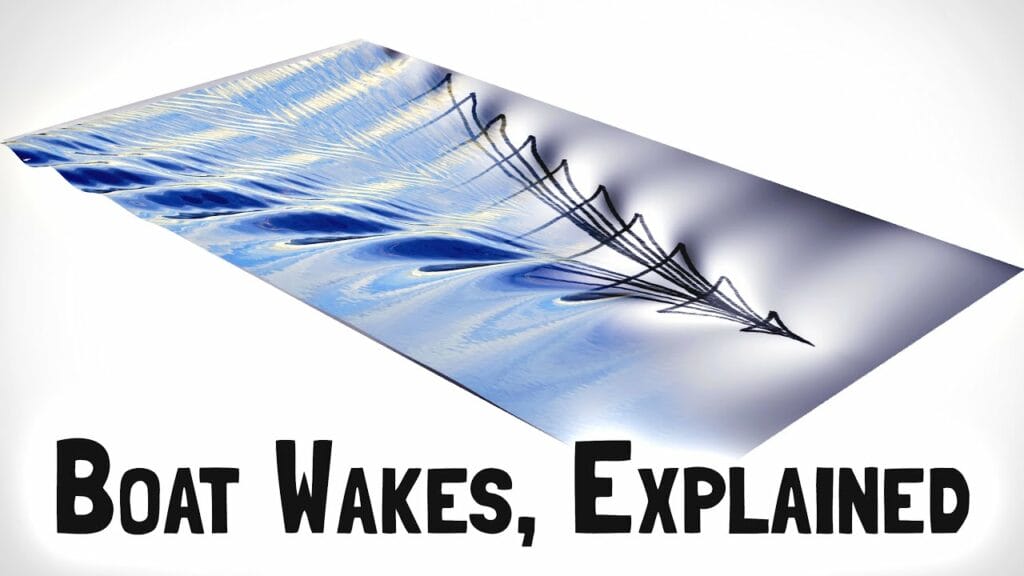
The article explains the physics behind the unique shape of water wakes. Water waves travel at different speeds due to dispersion, causing slower waves to create narrow, closely spaced V-shaped wakes, and faster waves to create wider V-shaped wakes that are further apart. When all these different patterns are combined, they result in the distinct feathery ripple pattern of water wakes.
Natures fortress How cacti keep water in and predators out
Cacti have evolved various adaptations to survive in harsh desert climates. Their spines serve multiple functions, including reducing water loss, shading the plant, and acting as an insulating layer. Cacti also have thick skin and specialized root systems that allow them to store water and quickly take up available water after rainfall. These adaptations enable cacti to thrive in a range of environments, from the driest desert to the tropical rainforest.