
Is Intelligent Alien Life Ubiquitous?

The lesson explores the vastness of the universe and the intriguing question of whether intelligent alien life is common. Despite the numerous planets that exist, the search for signs of life has yet to yield definitive evidence, prompting scientists to consider the possibility of life forms that differ significantly from our expectations. As technology advances, the quest to understand both biological and intelligent life continues, enriching our knowledge of the cosmos and our place within it.
Brian Cox – Is The Universe Flat
In this lesson, Brian Cox explores the intriguing concept of the universe’s shape, specifically its flat geometry, which is likened to a giant piece of paper. Through Einstein’s theory of general relativity, we learn that the universe’s flatness results from a perfect balance of matter, allowing space to remain flat rather than curving into a sphere or saddle. Understanding this shape is essential for scientists as it provides insights into the universe’s origins, expansion, and ultimate fate.
Does The Universe Have a Beginning or is it Eternal?
The lesson explores the debate surrounding the origins of the universe, highlighting the widely accepted view that it began approximately 13.8 billion years ago, as evidenced by the movement of galaxies. It also introduces the intriguing possibility that the universe may be eternal, prompting deeper questions about time and existence. Ultimately, this exploration encourages a greater understanding of the cosmos and our place within it, while connecting to concepts like the Big Bang theory.
Brian Cox – How You Can Travel Into The Future
In this lesson, Brian Cox explores the concept of time travel through the lens of Einstein’s theory of relativity, particularly focusing on the phenomenon of time dilation. He explains that as one approaches the speed of light, time slows down relative to those who remain stationary, allowing for the possibility of traveling into the future. Real-world examples, such as the behavior of protons in the Large Hadron Collider and the slight aging differences experienced by astronauts, illustrate that time travel, while not yet practical, is grounded in scientific principles.
Oppenheimer – Now I am Become Death The Destroyer of Worlds
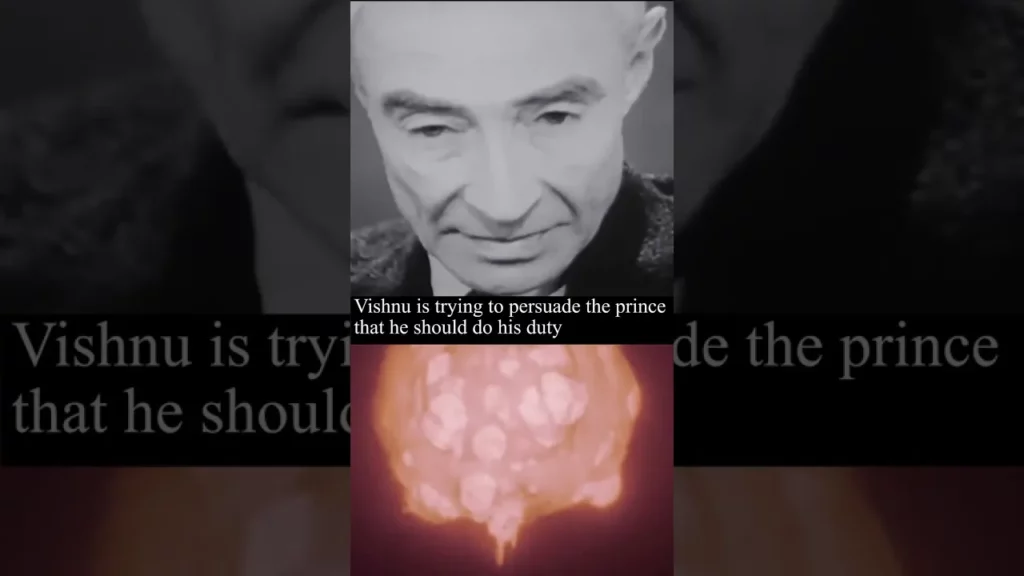
The lesson on J. Robert Oppenheimer highlights the profound impact of his work on the atomic bomb during World War II, which not only ended the war but also raised significant ethical concerns about the use of such destructive technology. Oppenheimer’s reflection on the power unleashed during the bomb’s testing underscores the dual nature of scientific advancement—capable of both incredible progress and devastating consequences. Ultimately, the lesson emphasizes the importance of considering the moral implications of scientific discoveries to ensure that technology serves humanity positively rather than destructively.
The True Nature of The Atom
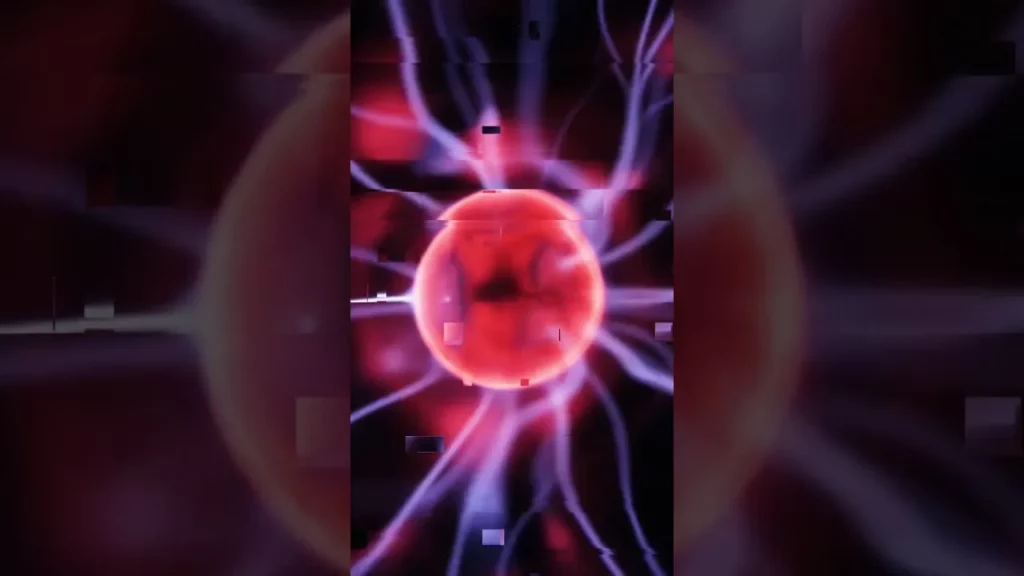
The lesson on “The True Nature of The Atom” explains that atoms are the fundamental building blocks of matter, consisting of a central nucleus made of protons and neutrons, with electrons orbiting around it. Understanding the structure and role of atoms is essential for grasping how different materials interact and behave, which is crucial for advancements in various scientific fields. The lesson highlights the significance of atoms in forming molecules and conducting electricity, emphasizing their importance in both everyday life and scientific research.
Michio Kaku Explains The Mysteries of String Theory & Quantum Physics

In this lesson, Michio Kaku explores the fundamental building blocks of the universe through the lenses of string theory and quantum physics, suggesting that all particles are tiny vibrating strings that create the diverse phenomena we observe. He highlights the peculiar behaviors of particles at the quantum level, such as superposition and entanglement, while also discussing the historical context provided by ancient philosophers. Despite the challenges string theory faces in terms of experimental validation, Kaku remains optimistic about its potential to deepen our understanding of the cosmos and the possibility of a multiverse.
Brian Cox – How Will The Universe End?
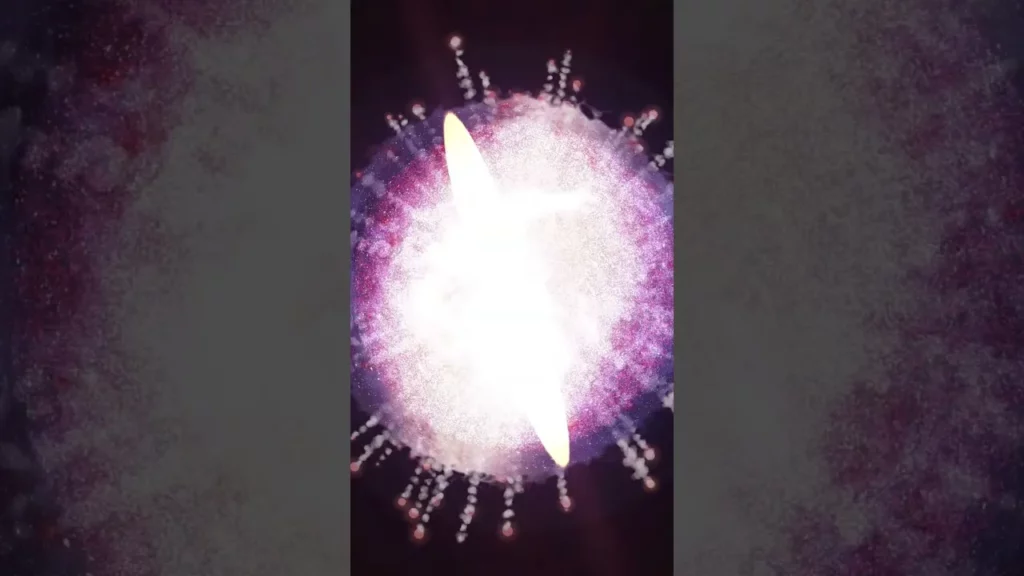
In the lesson “Brian Cox – How Will The Universe End?”, it is discussed that the universe is currently expanding at an accelerating rate, defying previous expectations that gravity would slow this expansion over time. This acceleration suggests that the universe will continue to expand indefinitely, leading to a future characterized by a cold, dark cosmos known as the “Big Freeze” or “Heat Death.” Despite the seemingly bleak outcome, this ongoing exploration of the universe presents opportunities for new scientific discoveries that could reshape our understanding of its ultimate fate.
Brian Cox – Alien Civilizations in The Milky Way
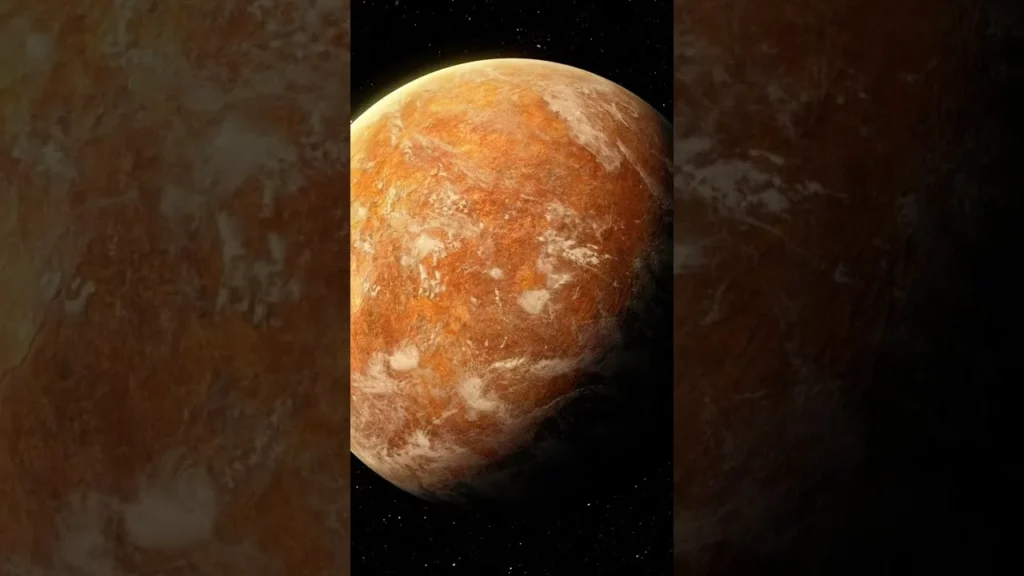
In this lesson, Brian Cox explores the intriguing possibility of advanced civilizations existing within the Milky Way galaxy, highlighting the vast age of the universe compared to the relatively short existence of humanity. He discusses the Fermi Paradox, which questions why, despite the high probability of extraterrestrial life, we have yet to find evidence of such civilizations. The lesson emphasizes the ongoing search for alien life and the potential implications of discovering advanced civilizations, encouraging curiosity and exploration of the cosmos.
Newton VS Quantum Mechanics

The lesson explores the transition from Newtonian physics to quantum mechanics, highlighting how the latter challenges the deterministic view established by Newton. While Newton’s laws effectively predict the behavior of macroscopic objects, they fail at the microscopic level, where quantum mechanics introduces a probabilistic framework that better explains phenomena like electron behavior and light properties. This shift has not only deepened our understanding of the universe but also led to significant technological advancements, underscoring the importance of both perspectives in scientific inquiry.