
How The Universe Made Us
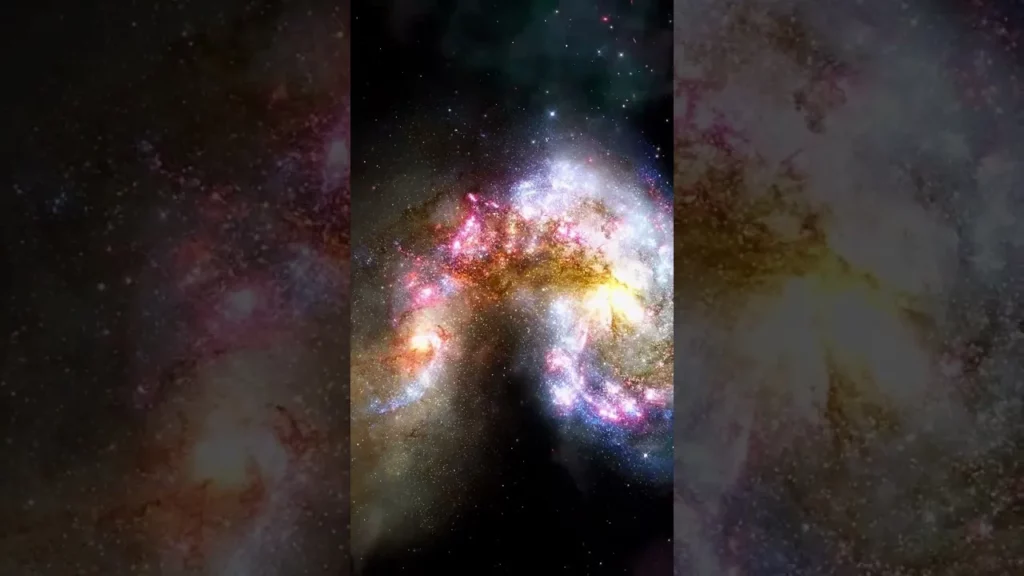
The lesson “How The Universe Made Us” explores the 13.8 billion-year journey of the universe, highlighting two key processes: expansion and the transition from uniformity to complexity. It details the crucial roles of natural forces—strong interaction, electric force, and gravitational force—in shaping matter, forming atoms, and ultimately leading to the creation of stars, galaxies, and planets, including Earth, where life emerged. This narrative underscores the intricate interplay of these forces in the evolution of the cosmos and the complexity we observe today.
What Are Gravitons?
The lesson explores the concept of gravitons, theoretical particles that would mediate the force of gravity within a quantum mechanical framework, similar to how photons carry the electromagnetic force. It highlights the challenge of unifying quantum mechanics and general relativity, emphasizing that understanding gravitons could lead to significant insights into the nature of gravity and the universe, including phenomena like black holes and the early universe. Despite their theoretical status, gravitons represent a promising area of research in modern physics.
Neil Tyson Explains Matter Asymmetry in 20 Seconds
The lesson on “Understanding Matter Asymmetry” explores the intriguing question of why our universe is predominantly composed of matter rather than antimatter. It explains that shortly after the Big Bang, matter and antimatter were created in nearly equal amounts, but a slight imbalance—where matter slightly outnumbered antimatter—allowed matter to persist and form the galaxies, stars, and life we see today. This concept of matter asymmetry not only deepens our understanding of the universe’s origins but also challenges fundamental physics and inspires ongoing scientific inquiry.
What is The Crisis in Cosmology?
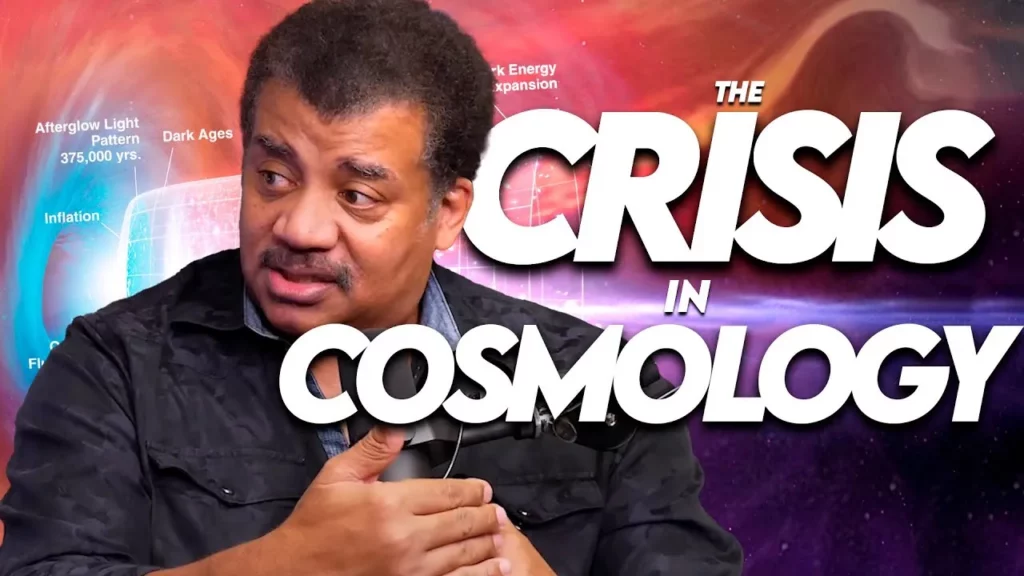
The lesson explores the ongoing crisis in cosmology, particularly focusing on the age of the universe and the discrepancies in measuring the Hubble constant, which affects our understanding of cosmic expansion. Despite advancements in technology that have refined age estimates to around 13.8 billion years, varying methods of calculating the Hubble constant have led to a phenomenon known as Hubble tension, prompting researchers to investigate new theories, such as early dark energy, to reconcile these differences. Future explorations, particularly with tools like the James Webb Space Telescope, aim to deepen our understanding of the universe’s structure and evolution amidst these challenges.
Brian Cox – Can a Nano Alien Civilization Exist?
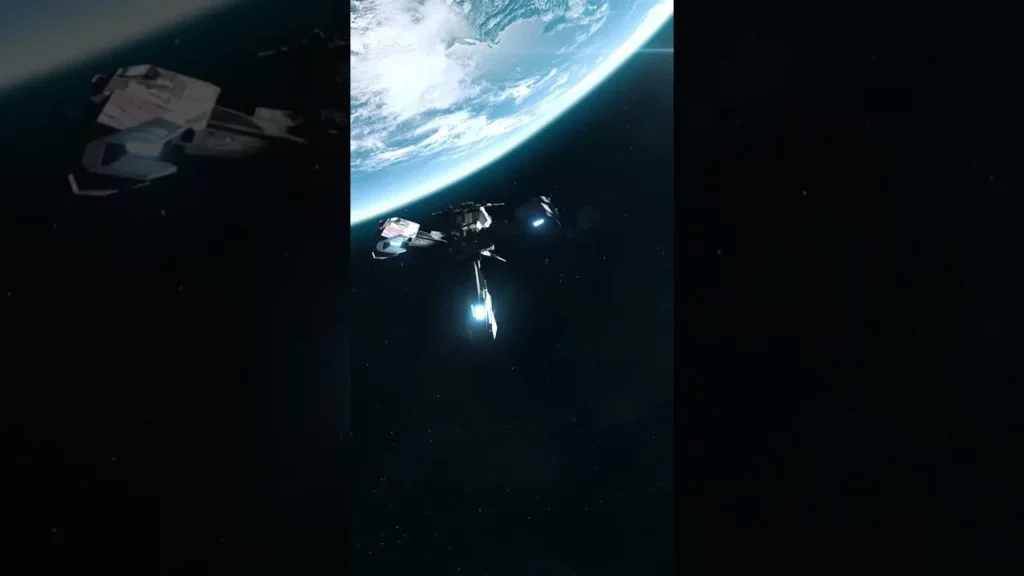
In the lesson “Can a Nano Alien Civilization Exist?” by Brian Cox, the concept of advanced alien technology is explored through the idea of “nano-civilizations,” which may utilize tiny, efficient probes instead of large spacecraft. This perspective challenges traditional views on extraterrestrial life and emphasizes the need for innovative detection methods to uncover these potentially undetectable nano-probes that could be observing us from afar. Ultimately, it encourages a broader imagination in the search for alien life and the technologies that may exist beyond our current understanding.
JWST Finds 6 Ancient Galaxies That Shatter Our Understanding of The Universe
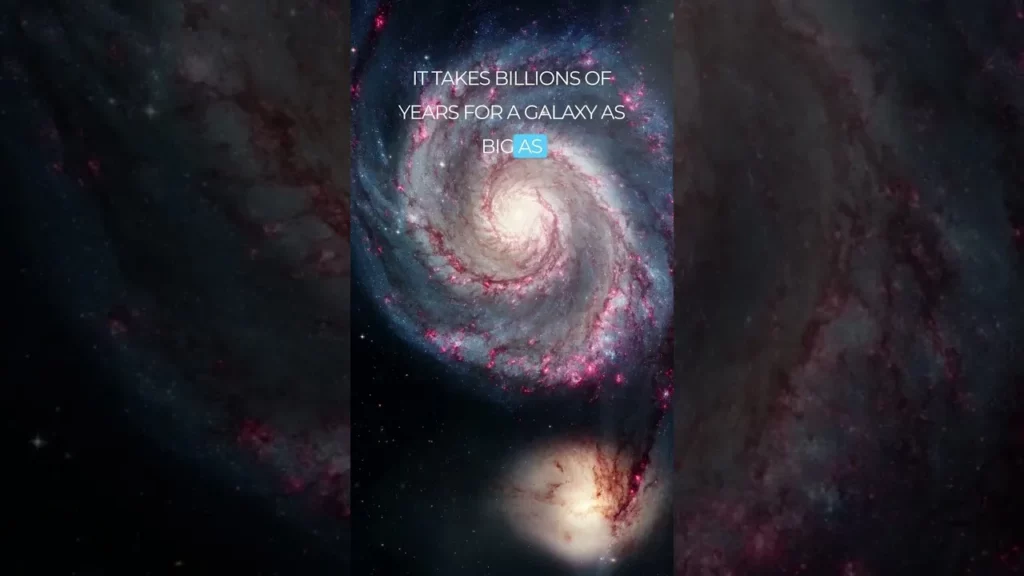
The James Webb Space Telescope (JWST) has discovered six ancient galaxies that challenge existing theories about galaxy formation, as they are significantly larger than expected and existed just half a billion years after the Big Bang. This finding suggests that our understanding of the universe’s early development may need to be revised, highlighting the potential for new insights into cosmic evolution. As scientists continue to investigate these galaxies, the JWST is proving to be a crucial tool in unraveling the mysteries of the universe.
Did AI Detect 8 Signals From Aliens?
In a groundbreaking advancement in the search for extraterrestrial intelligence, researchers have employed artificial intelligence (AI) to analyze data for technosignatures, leading to the identification of eight intriguing signals that may indicate intelligent alien life. This innovative approach enhances the efficiency of data analysis, allowing scientists to focus on promising signals more effectively than traditional methods. The initial success of AI in detecting these signals highlights its potential to revolutionize space exploration and deepen our understanding of the universe.
Top 3 Largest Asteroid Impacts on Earth’s History
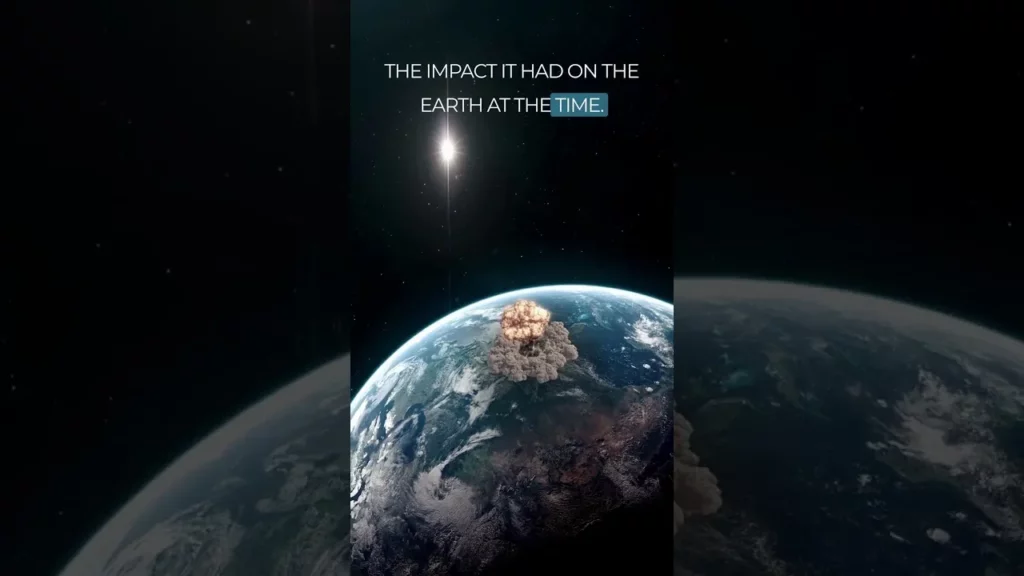
This lesson explores the three largest asteroid impacts in Earth’s history, highlighting their significance in shaping the planet. The first impact occurred about two billion years ago in South Africa, creating a massive crater, followed by a 214-million-year-old impact in Quebec, Canada. The most notable event, which led to the extinction of the dinosaurs around 66 million years ago, underscores the destructive potential of asteroids and emphasizes the importance of studying them to understand Earth’s history and prepare for future threats.
Can We Grow Food on The Moon?

The lesson explores the potential for growing food on the Moon, focusing on the work of the Norwegian company Solace, which is investigating lunar regolith for its nutrient content. By utilizing hydroponics—a soil-less farming method—astronauts could cultivate plants, providing fresh food and oxygen during long-term lunar missions. This innovative approach highlights the possibilities of sustainable living in space and the future of lunar agriculture.
New Theory Suggests Black Holes May Be a Source of Dark Energy
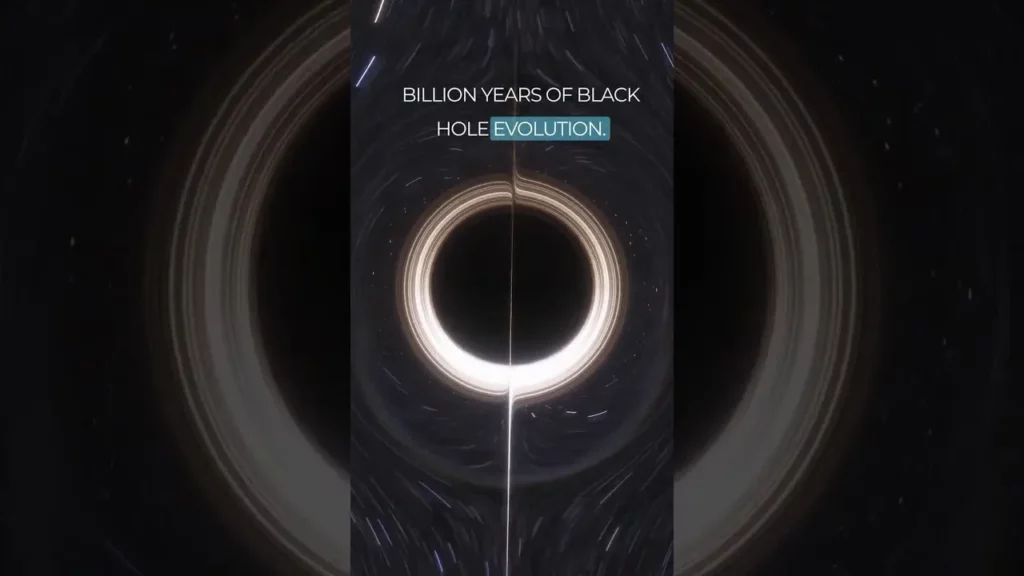
Scientists have proposed a new theory suggesting that supermassive black holes at the centers of galaxies may be a source of dark energy, the mysterious force driving the universe’s accelerating expansion. This theory aligns the growth of black holes with predictions from Einstein’s theory of gravity, potentially offering a unified explanation for the observed acceleration. While promising, the theory requires further research to validate its implications and deepen our understanding of the cosmos.