
Brian Cox – Alien Life & The Dark Forest Hypothesis
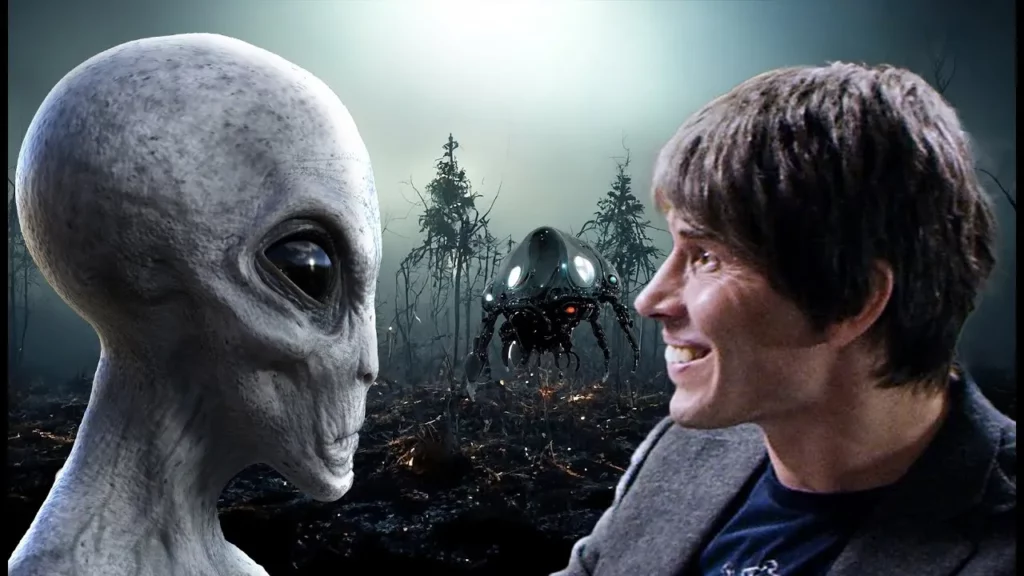
In this lesson, Brian Cox discusses the ongoing search for extraterrestrial life, focusing on missions like the Perseverance rover on Mars and the upcoming Europa Clipper, which aims to explore the ocean beneath Europa’s icy surface. He addresses the Fermi Paradox and the “great silence” of the universe, introducing the Dark Forest Hypothesis, which suggests that civilizations may remain silent to avoid detection by more advanced beings. Despite the challenges, initiatives like Breakthrough Listen are actively searching for signals from intelligent life, highlighting the vast potential for discovery in our universe.
This Antenna Found a Parallel Universe?

The lesson discusses a potential discovery by the Antarctic Impulsive Transient Antenna (ANITA), which has detected unusual particles that may indicate the existence of a parallel universe where time flows backward. This finding challenges our conventional understanding of time and space, suggesting that multiple temporal directions could exist. The implications of this research are significant, prompting further investigation into the nature of reality and the cosmos.
This is How Ultra Massive Black Holes Formed

Astrophysicists have discovered that ultra-massive black holes, which exceed 5 billion solar masses, form primarily through the mergers of massive galaxies during a period known as “cosmic noon,” approximately 10 to 11 billion years ago. Advanced simulations revealed that these extraordinary cosmic events create the conditions necessary for the formation of such colossal black holes, enhancing our understanding of the universe’s evolution and the intricate interactions that shape it. This research underscores the significance of ultra-massive black holes in influencing galaxy dynamics and the broader cosmic landscape.
What is Quantum Reversal?
The lesson discusses a groundbreaking discovery by researchers from the Austrian Academy of Sciences regarding the manipulation of time within quantum systems, specifically through a technique called the rewind protocol that allows photons to be returned to their original state. While this advancement offers exciting possibilities for quantum technology, such as quantum computing and secure communication, applying these concepts to larger systems, like humans, presents significant challenges and remains impractical at this time. Overall, the research underscores the potential of quantum technology while highlighting the complexities involved in scaling these findings.
Aliens Use Black Holes as Quantum Computers?

The lesson explores the intriguing hypothesis that advanced extraterrestrial civilizations could be utilizing black holes as quantum computers, leveraging their unique properties to perform complex computations and secure communications. It discusses the intersection of quantum physics and gravity, referencing Roger Penrose’s idea of extracting energy from a black hole’s ergosphere, which could serve as a powerful energy source for these civilizations. Ultimately, this concept not only expands our understanding of potential alien technology but also inspires new possibilities for human advancements in energy and computation.
AI Masters Game 6,000 Times Faster by Reading The Manual

In a groundbreaking achievement, AI has mastered the Atari skiing game “Skiing” by reading the game’s instructions, learning six thousand times faster than previous systems. This innovative approach to AI learning, which leverages human-readable instructions, has the potential to revolutionize various fields, such as autonomous vehicles and robotics, by enabling machines to quickly adapt to new tasks and environments. As AI technology continues to evolve, this method could significantly enhance efficiency and problem-solving capabilities across diverse applications.
Brian Greene – The Science of Time Near a Black Hole
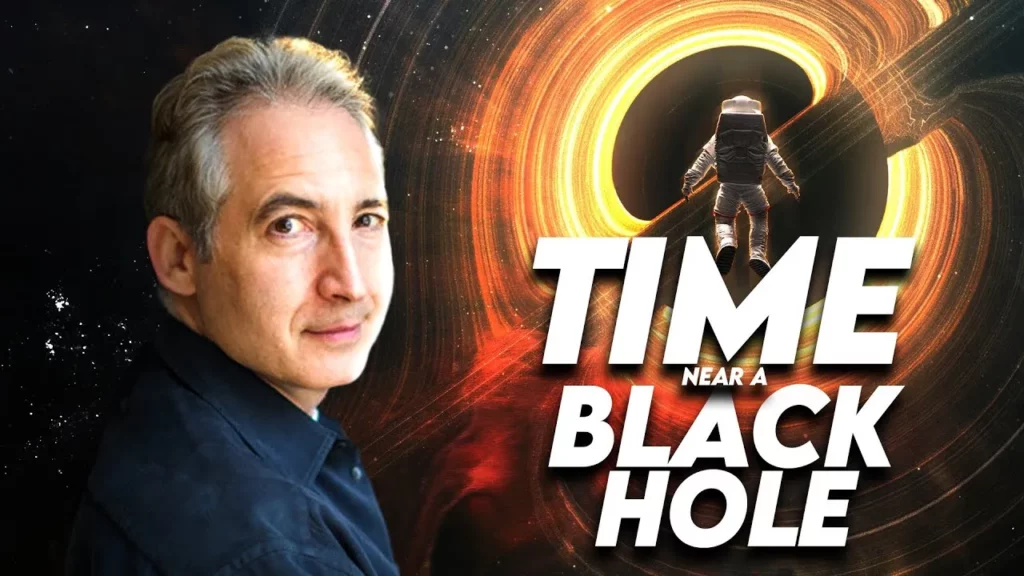
The lesson explores the intriguing behavior of time near a black hole, highlighting how Einstein’s theory of relativity reshapes our understanding of time as a relative concept influenced by speed and gravity. It explains that as one approaches a black hole, time slows down significantly due to its immense gravitational pull, leading to dramatic differences in the passage of time compared to Earth. Through analogies and references to popular culture, the lesson emphasizes the captivating and mysterious nature of black holes and their implications for our understanding of the universe.
NASA Discovers “Forbidden” Planet
NASA has discovered a new planet, TOI 5205b, nicknamed the “Forbidden Planet,” which challenges existing theories of planetary formation due to its unusual orbit around a low-mass red dwarf star. This Jupiter-like planet completes an orbit in less than three days, prompting scientists to rethink their understanding of how planets can form in such conditions. The discovery highlights the ongoing evolution of scientific knowledge and the mysteries that still await exploration in the universe.
What if There Was an Extra Planet Between Mars & Jupiter?
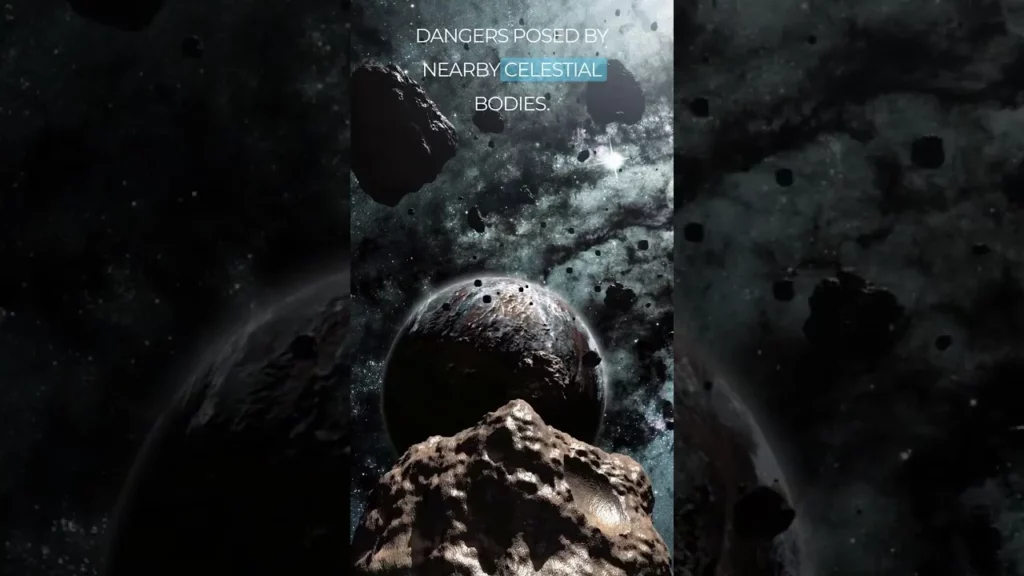
The lesson explores the hypothetical scenario of an additional planet appearing between Mars and Jupiter, emphasizing the potential dramatic consequences for our solar system, particularly for Earth. Research from UC Riverside reveals that the delicate balance of celestial dynamics is crucial for maintaining stability, with Jupiter playing a key role in this equilibrium. The introduction of a new planet could significantly alter Earth’s orbit, highlighting the fragility of our solar system and the importance of understanding gravitational interactions among celestial bodies.
Why is Our Black Hole Eating X7?
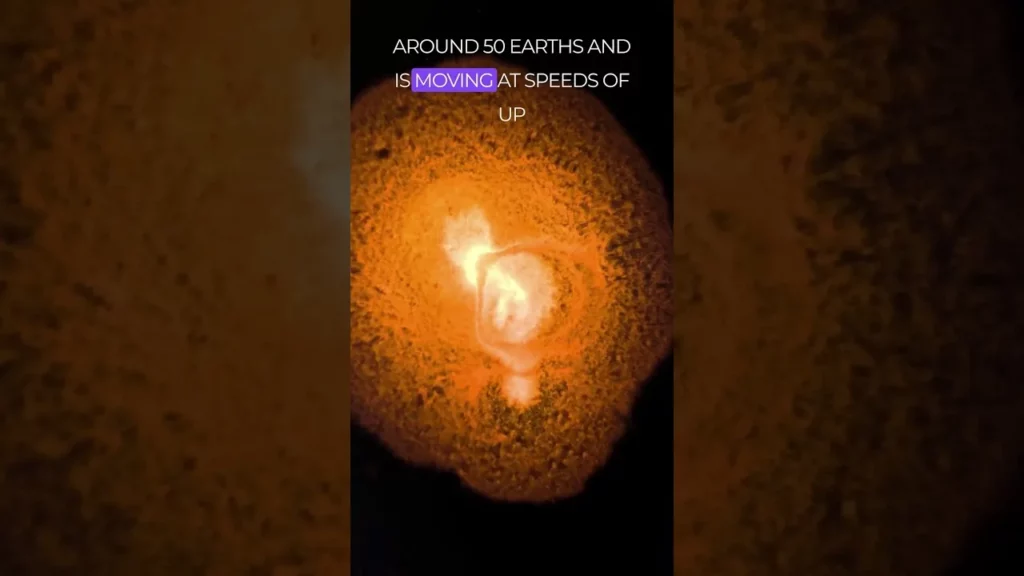
The lesson explores the intriguing object known as X7, which is being drawn towards the supermassive black hole at the center of the Milky Way. Initially thought to be debris from merging stars, X7 is now understood to be a unique blob with a mass of about 50 Earths, moving at speeds of up to 700 miles per second due to the intense tidal forces of the black hole. This study highlights the complex dynamics near supermassive black holes and aims to deepen our understanding of the universe’s mysteries.