
Neil Tyson – Simulations All The Way Down
In the lesson “Simulations All The Way Down,” Neil Tyson explores the concept of advanced computing power enabling the creation of nested virtual worlds, each with its own set of rules and characters that may perceive themselves as having free will. This leads to the intriguing possibility that our own reality could be a simulation created by a more advanced civilization, prompting deep philosophical questions about existence and the nature of reality. As technology progresses, the distinction between reality and simulation may increasingly blur, inviting ethical considerations regarding the creation of sentient beings within these simulated environments.
What Are White Holes?
White holes are theoretical cosmic entities that are considered the opposite of black holes, ejecting matter and energy into the universe rather than pulling them in. Rooted in Einstein’s theory of general relativity, the existence of white holes remains unproven, yet they present intriguing possibilities for understanding the universe, potentially linking to black holes through wormholes. The exploration of white holes could lead to significant discoveries about space, time, and the fundamental laws of physics.
How Does Time Dilation Work?
The lesson on time dilation explores how time can vary based on speed and gravitational influence, as described by Einstein’s theory of relativity. It illustrates that time moves slower for objects traveling at high speeds or in strong gravitational fields, with real-world evidence from experiments confirming this phenomenon. Understanding time dilation is essential for technologies like GPS, highlighting its significance in both physics and everyday applications.
Neil deGrasse Tyson – What Asteroid Can Render Us Extinct?
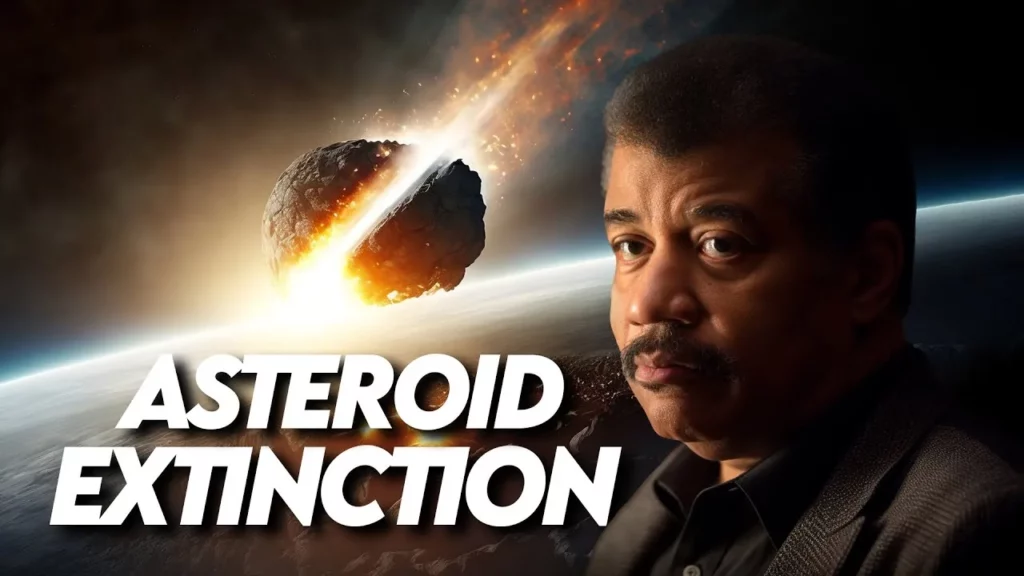
In the lesson, Neil deGrasse Tyson discusses the historical impact of asteroids on Earth, particularly focusing on the extinction event that wiped out the dinosaurs and the ongoing threat posed by both large and small asteroids. He highlights significant events like the Tunguska explosion and recent close calls with asteroids, emphasizing the importance of early detection and potential deflection strategies being developed by NASA to protect our planet from future impacts. Ultimately, the lesson underscores the need for vigilance and preparedness in the face of cosmic threats.
What if The Asteroid That Wiped Out The Dinosaurs Hit Earth Today?
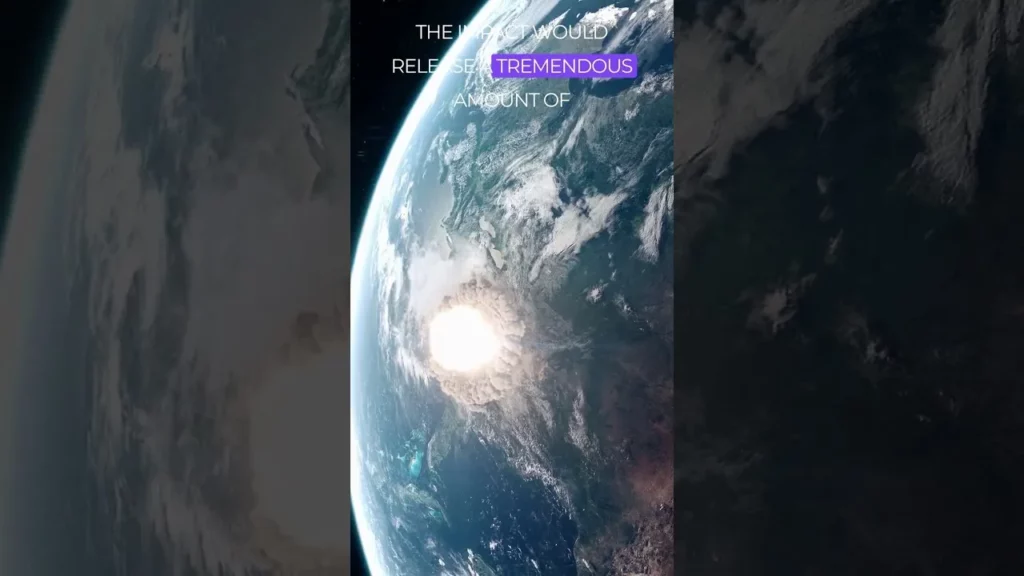
The lesson explores the potential consequences of a giant asteroid impact on Earth today, highlighting the destructive forces such an event could unleash, including earthquakes, tsunamis, and a prolonged “global winter.” It emphasizes the importance of monitoring asteroids and preparing for potential threats, drawing lessons from the past to enhance our understanding and readiness for future impacts. Ultimately, the lesson encourages support for space research and preparedness efforts to safeguard our planet.
2 Black Holes Merging in Dwarf Galaxies
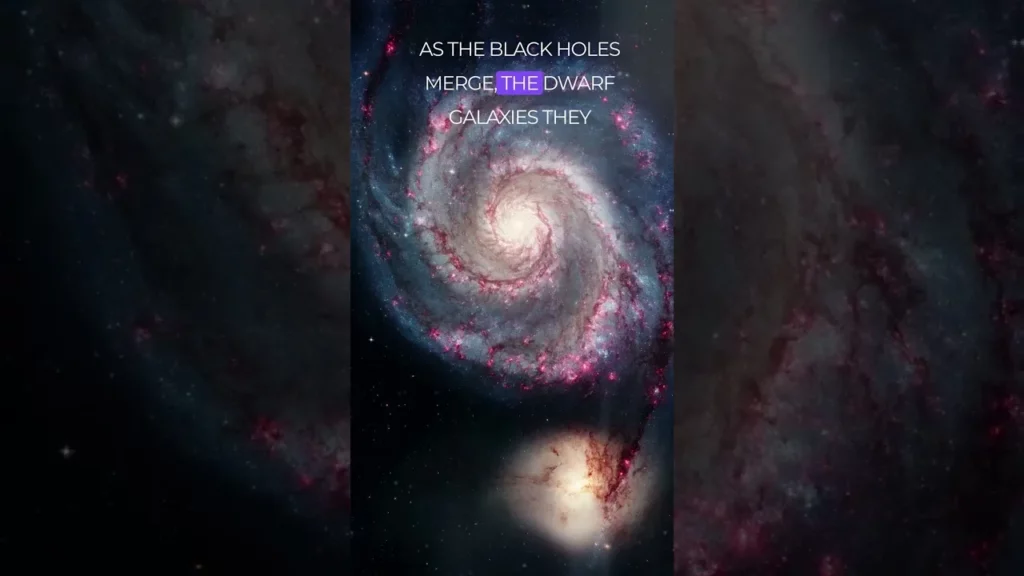
The lesson explores the discovery of two pairs of black holes in dwarf galaxies that are on a collision course, as revealed by NASA’s Chandra X-ray Observatory. As these black holes race towards each other, they consume surrounding gas, grow larger, and eventually merge, leading to the formation of a more massive black hole and a larger galaxy. This phenomenon not only illustrates the dynamic processes shaping the universe but also provides insights into the evolution of galaxies and black holes over billions of years.
How To Spot Wormholes
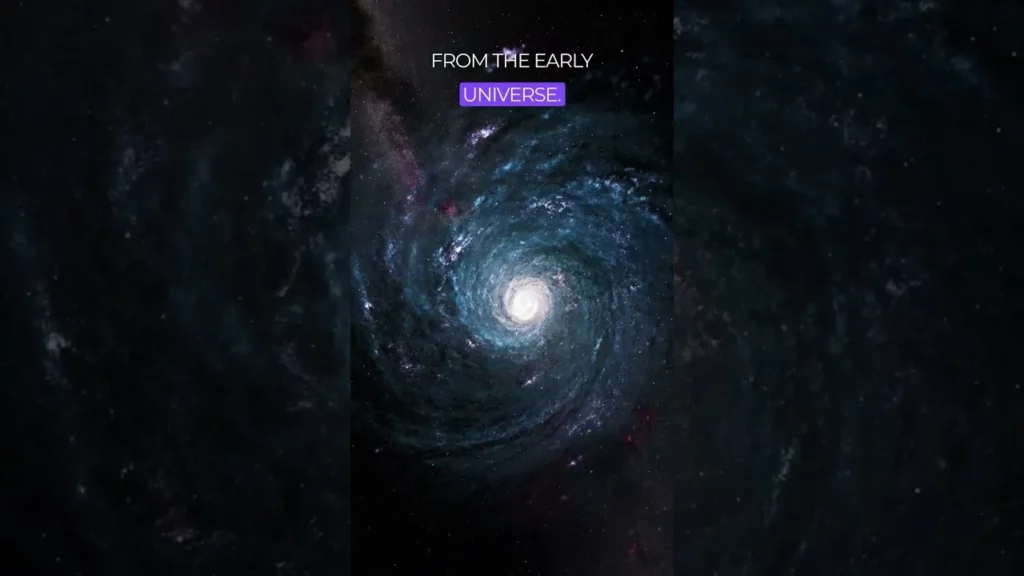
The lesson explores the theoretical concept of wormholes as potential shortcuts through space that could allow for rapid travel across vast distances. It discusses how researchers have simulated electrically charged spherical wormholes, which could magnify the light from distant objects, aiding astronomers in observing the early universe. However, detecting wormholes poses challenges, as their microlensing effects would be similar to those caused by other massive objects, necessitating the development of new methods to identify their unique signatures.
Tiny Water Bears Are Super Robust
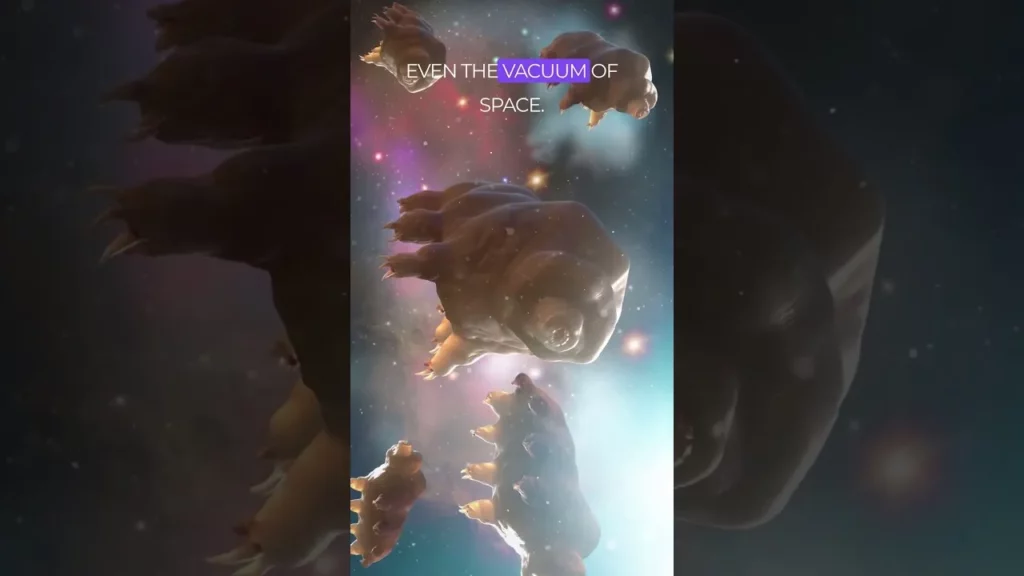
The lesson introduces tardigrades, also known as water bears, highlighting their remarkable ability to survive extreme conditions such as freezing temperatures, boiling water, and even the vacuum of space. Researchers are fascinated by these tiny creatures due to their unique genetic makeup, which includes genes acquired from other organisms through horizontal gene transfer, granting them exceptional resilience. Studying tardigrades could lead to advancements in agriculture, food preservation, and insights into the potential for life on other planets.
The Fate of The Universe in 3 Scenarios
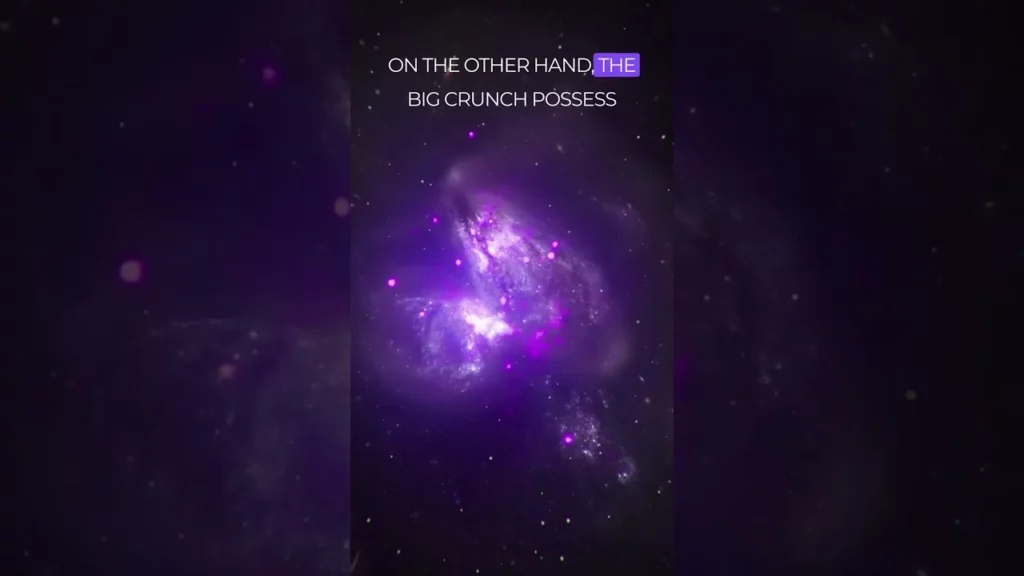
The lesson explores three potential scenarios for the ultimate fate of the universe: the Big Freeze, where galaxies drift apart and the cosmos becomes cold and dark; the Big Crunch, where gravity reverses expansion and everything collapses into a singular point; and the Big Rip, where accelerated expansion tears the universe apart. Each scenario highlights the dynamic nature of the universe and the powerful forces shaping its future, emphasizing the ongoing quest for understanding in cosmology.
The Multiverse, The Big Bang & The Big Bounce
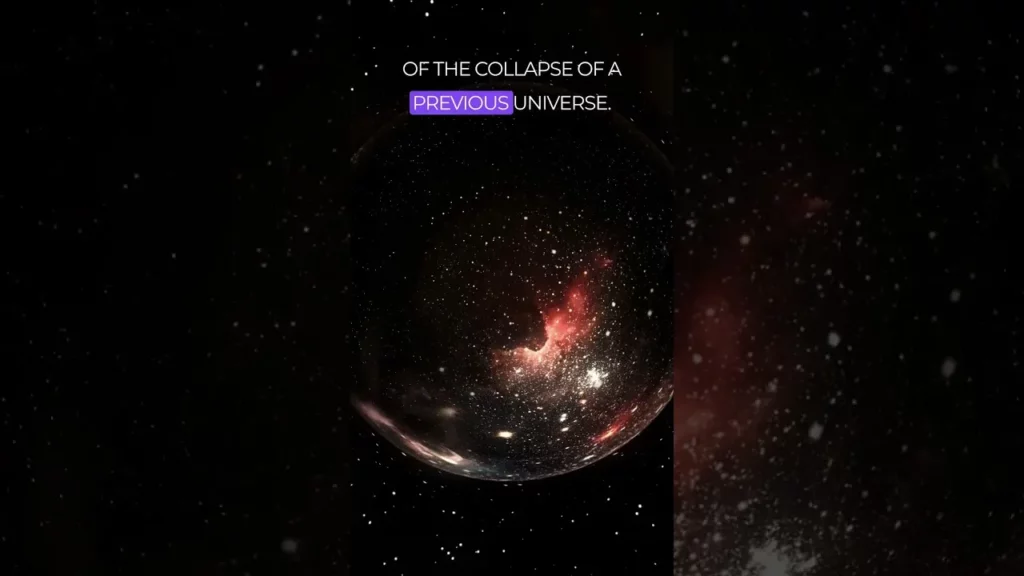
The lesson explores the intriguing concepts surrounding the origins of the universe, particularly through the study of cosmic microwave background radiation, which may indicate the existence of other universes and a pre-Big Bang universe. The multiverse theory suggests that our universe is part of a larger cycle of universes, with the Big Bounce Theory proposing that the universe undergoes continuous cycles of expansion and contraction rather than having a singular beginning. These theories challenge traditional views and inspire ongoing scientific inquiry into the nature of reality and the cosmos.