
Roger Penrose – Consciousness & The Laws of Physics
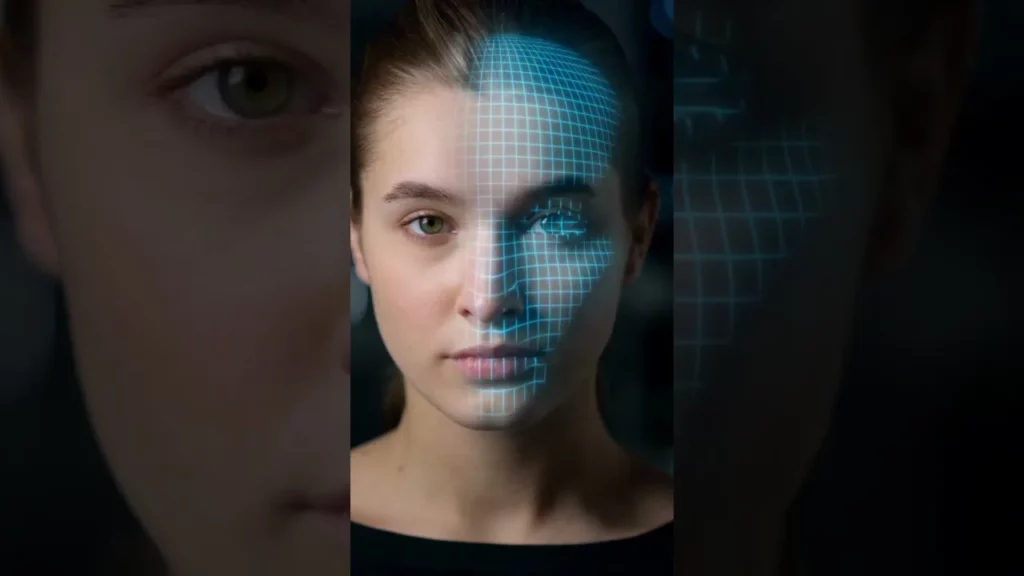
The lesson by Roger Penrose emphasizes that consciousness is a complex phenomenon that transcends mere algorithms and computational processes, involving a deeper understanding and awareness. It posits that the workings of the mind align with the laws of physics, suggesting that consciousness, while not fully understood, operates within a physical framework. This exploration invites a reevaluation of scientific and philosophical approaches to understanding consciousness, highlighting the need for interdisciplinary insights to grasp its intricate nature and significance in our lives.
Brian Cox – What Are The Biggest Mysteries in The Universe?
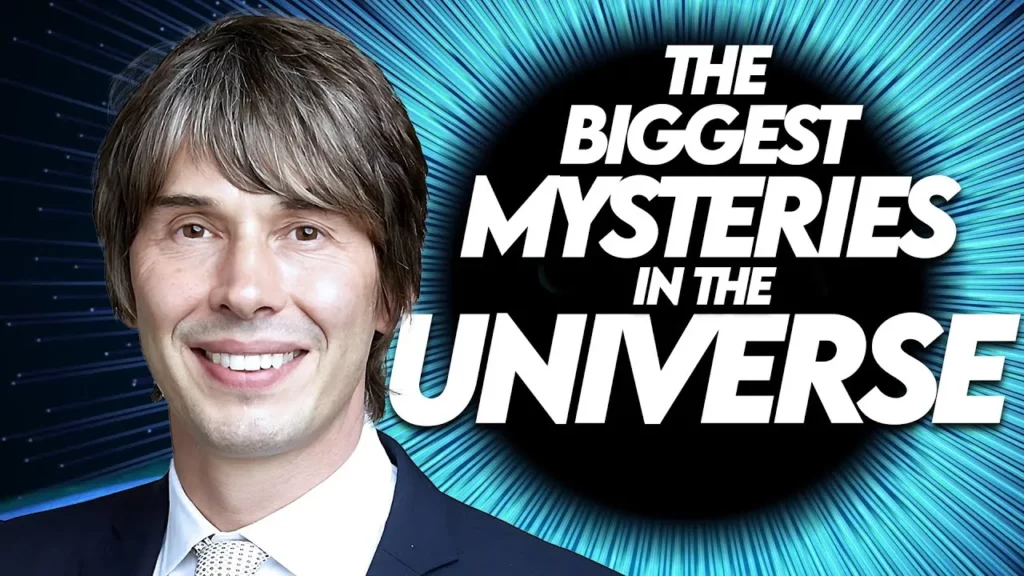
In this lesson, Brian Cox explores the profound mysteries of the universe, emphasizing the role of the Large Hadron Collider at CERN in unraveling these enigmas. By recreating conditions similar to those just after the Big Bang, scientists aim to understand fundamental cosmic laws, including the perplexing matter-antimatter asymmetry and the nature of dark matter and dark energy. The lesson also highlights Einstein’s revolutionary theory of general relativity, which reshaped our understanding of gravity and the universe’s expansion, guiding our quest for knowledge about the cosmos.
Brian Greene Explains a Supernova
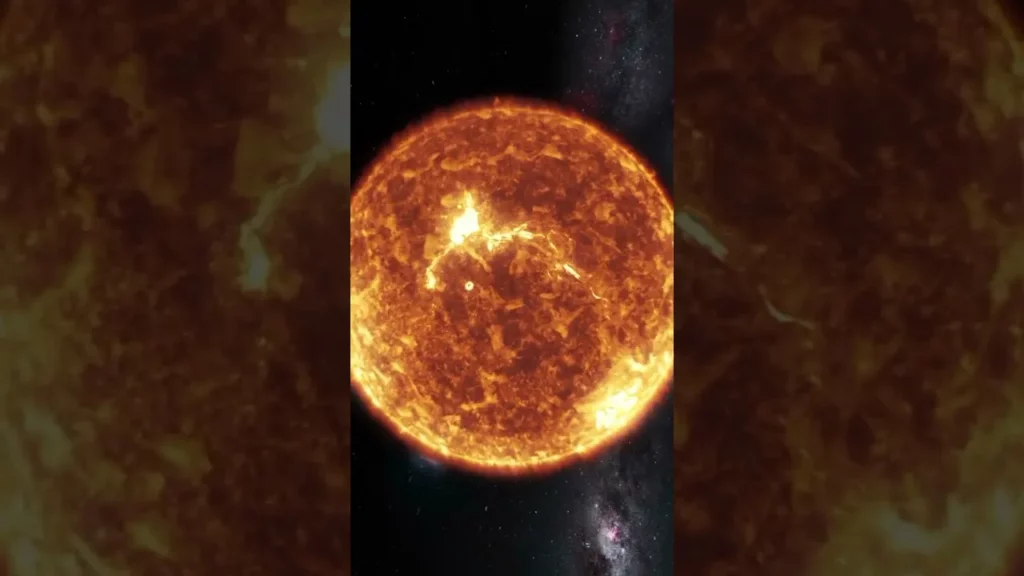
In this lesson, Brian Greene explains that a supernova is a powerful explosion marking the end of a star’s life, shining billions of times brighter than the sun. The process of nuclear fusion within stars creates essential elements for life, and when a star exhausts its fuel, it collapses and explodes, scattering these elements into space, which contributes to the formation of new stars and planets. Understanding supernovas enhances our knowledge of the universe’s dynamic nature and the life cycle of stars.
Are Aliens Predators?

The lesson explores the factors contributing to human intelligence and how they might relate to potential alien life. It highlights three key aspects: our advanced eyesight for hunting, the dexterity provided by opposable thumbs, and the ability to communicate through language. These traits suggest that if aliens exist, they may have evolved similar capabilities, offering insights into their potential intelligence and behavior.
JWST Detects Galaxies That Shouldn’t Exist
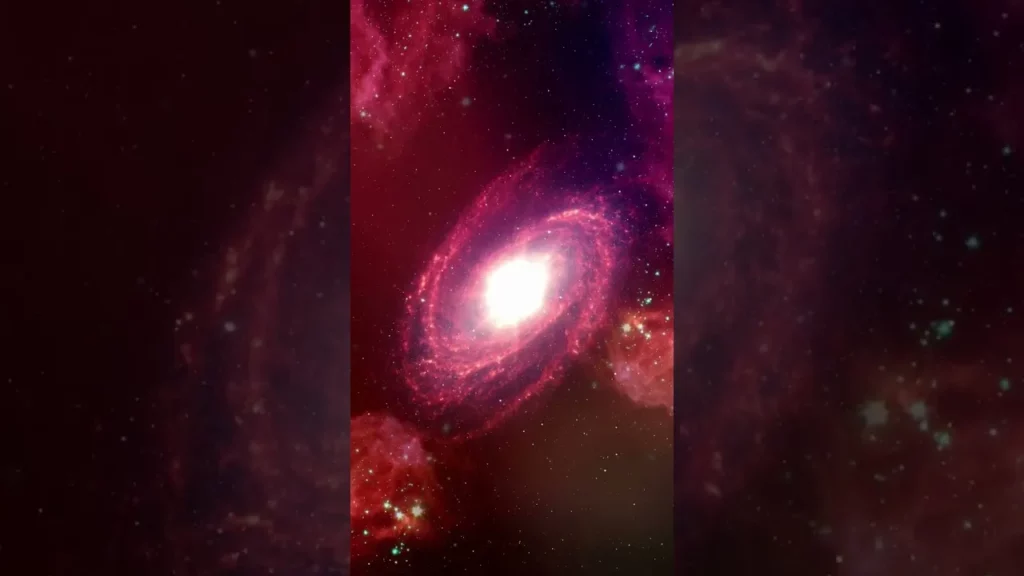
The James Webb Space Telescope (JWST) has discovered massive galaxies that formed just 500 to 700 million years after the Big Bang, challenging existing models of galaxy formation. This finding suggests that the early universe may have been more efficient at creating galaxies than previously thought, prompting scientists to reevaluate their understanding of cosmic evolution. As JWST continues its exploration, it is expected to reveal further insights into the universe’s history and the processes behind galaxy formation.
What is Quantum Entanglement?
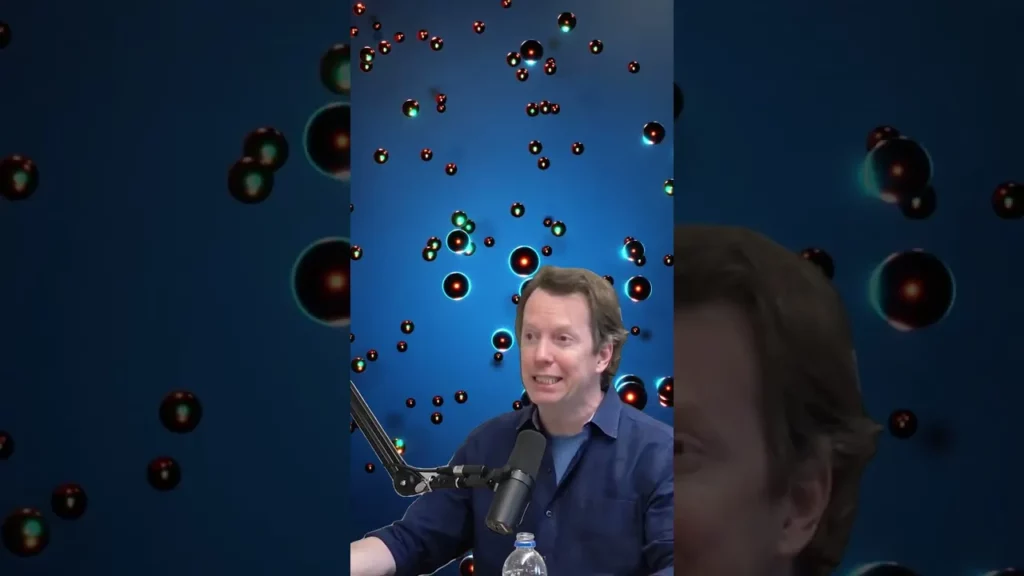
Quantum entanglement is a key concept in quantum mechanics that reveals the interconnectedness of particles, challenging classical notions of independence. It describes how the state of one particle can instantaneously influence another, regardless of distance, through a shared wave function that defines their probabilities. This phenomenon has significant implications for advancements in fields like quantum computing and quantum cryptography, paving the way for faster computations and secure communication.
JUICE Explores Jupiter’s Moons
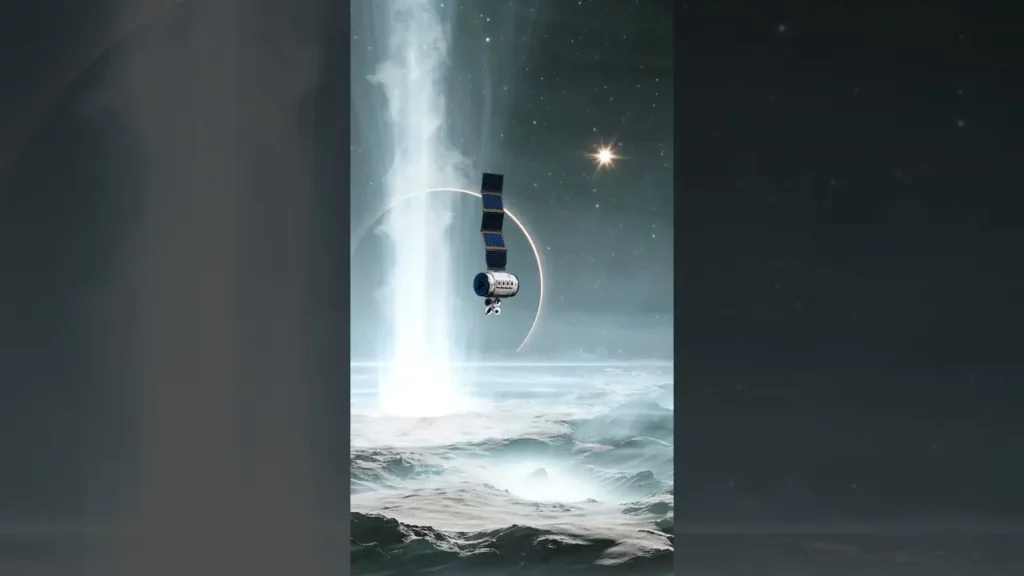
The JUICE (Jupiter Icy Moons Explorer) mission, launched by the European Space Agency, aims to investigate Jupiter’s moons Ganymede, Europa, and Callisto, which are believed to harbor vast oceans beneath their icy surfaces. By utilizing advanced scientific instruments, JUICE will explore these moons to assess their habitability and search for signs of life, potentially reshaping our understanding of life beyond Earth. This groundbreaking mission promises to uncover the mysteries of these intriguing celestial bodies and their potential for supporting life.
What Existed Before The Big Bang?
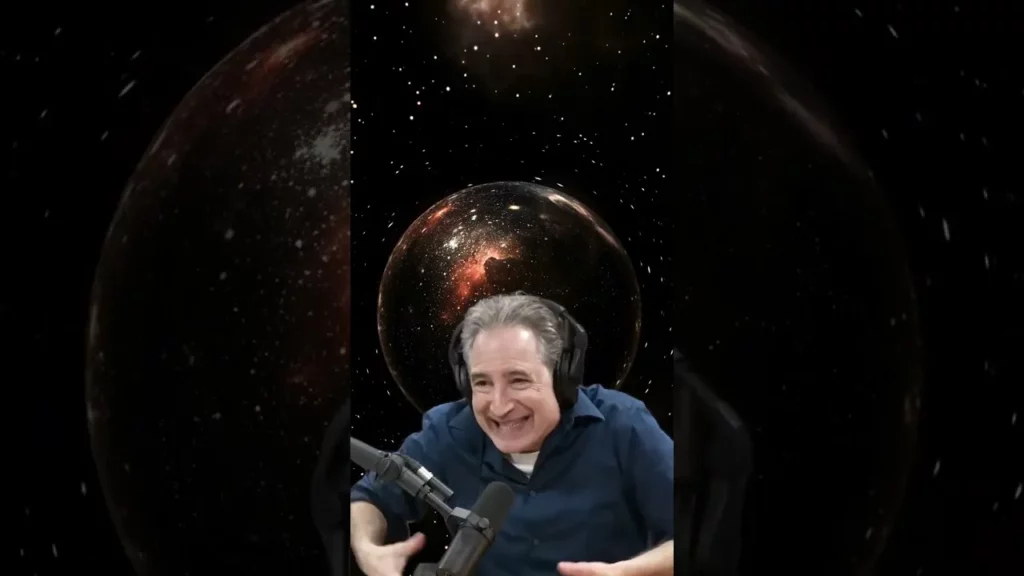
The lesson explores the intriguing concept that the Big Bang may not have been the first event in the universe’s history, suggesting instead that it could be part of a larger cosmic landscape with multiple Big Bangs and quantum events preceding it. This idea aligns with theories like the multiverse, proposing that our universe is just one of many, each with unique properties. While these notions remain speculative due to current scientific limitations, they encourage deeper contemplation of the universe’s origins and the complexities of reality beyond our observable limits.
Roger Penrose – Bridging Consciousness, Quantum Physics & The Universe
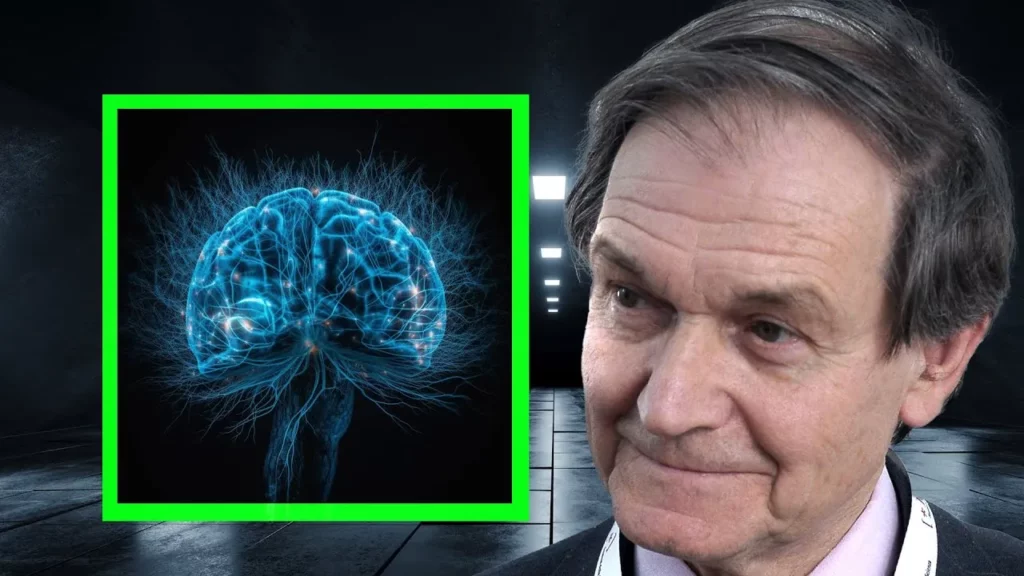
In this lesson, Roger Penrose and Stuart Hameroff present the orchestrated objective reduction theory, which posits that consciousness arises from quantum processes within neuron microtubules, challenging traditional neuroscience perspectives. They explore the implications of this theory for understanding consciousness, the nature of reality, and the potential connections to artificial intelligence, emphasizing the need for new physics to fully comprehend these complex relationships. Ultimately, their work invites deeper inquiry into the interplay between consciousness, quantum mechanics, and the universe.
Did Gravity Create Light?
The lesson explores the intriguing concept that gravity may have played a role in the creation of light during the early universe, a time characterized by unique and extreme conditions. It highlights the significance of gravitational waves, which were powerful enough to influence space-time and generate radiation and light, a phenomenon not observed in the present universe. This discovery not only challenges existing scientific understanding but also opens new avenues for exploration and appreciation of the cosmos.