
Brian Greene – On Intelligent Aliens
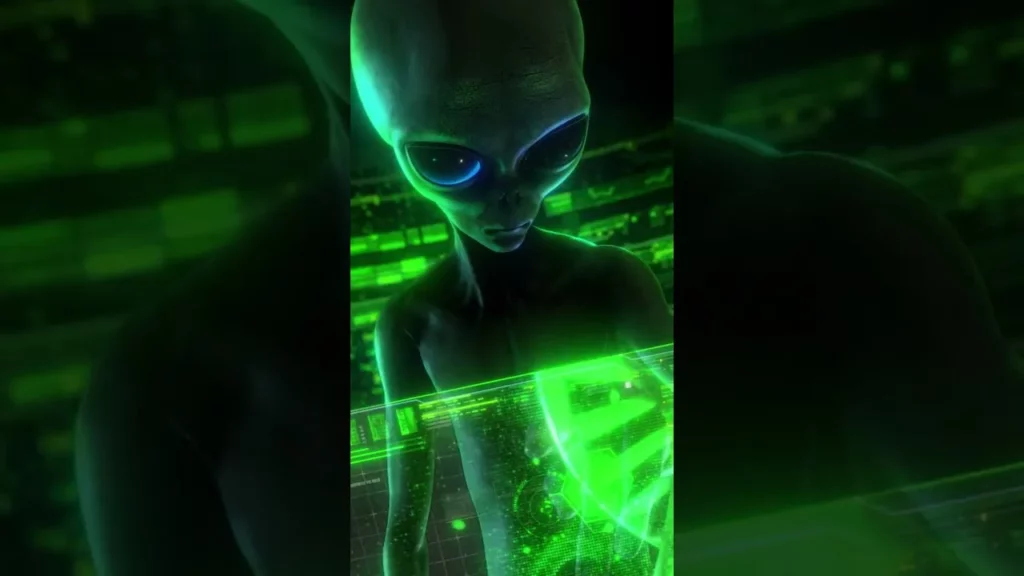
In his lesson, Brian Greene explores the concept of intelligent aliens and how they might perceive humanity, likening us to ants in a bustling city—potentially uninteresting to advanced civilizations. He emphasizes the vastness of the universe and the possibility of forms of intelligence beyond our comprehension, encouraging an open-minded approach to scientific exploration and philosophical inquiry. Ultimately, Greene invites us to reflect on our significance in the cosmos and the importance of curiosity in uncovering the unknown.
Advanced Life In The Universe
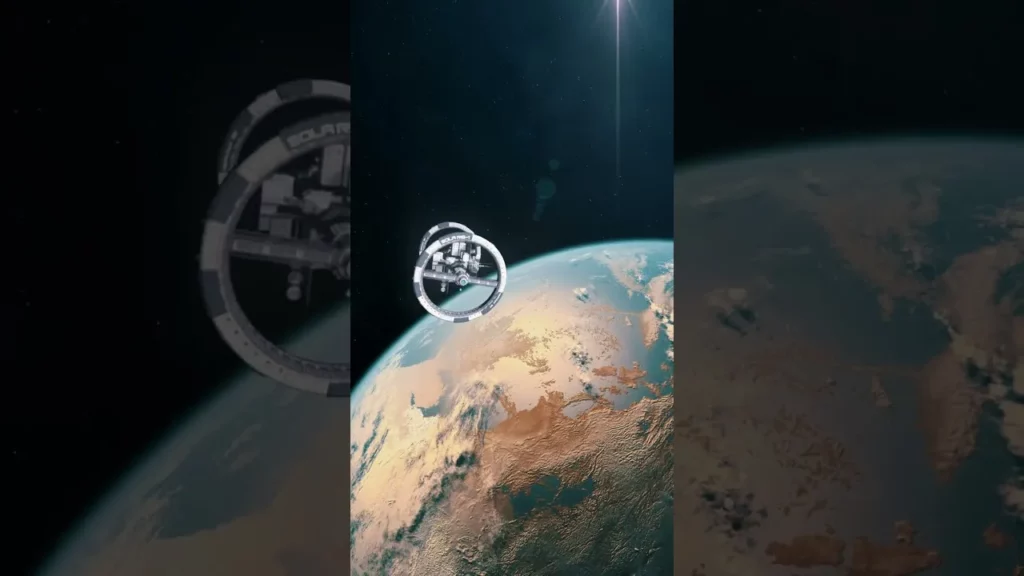
The lesson on “Advanced Life In The Universe” explores how the lifespan of stars significantly influences the potential for advanced life to develop on orbiting planets. It highlights that longer-lived stars, such as red dwarfs, provide more time for life to evolve, increasing the probability of advanced life emerging by an astronomical factor. This understanding encourages a broader perspective on the future of life in the universe, suggesting that advanced life forms may arise trillions of years from now, as the cosmos continues to evolve.
6 Reasons Alien Intelligence is Artificial – Michio Kaku on Alien Life
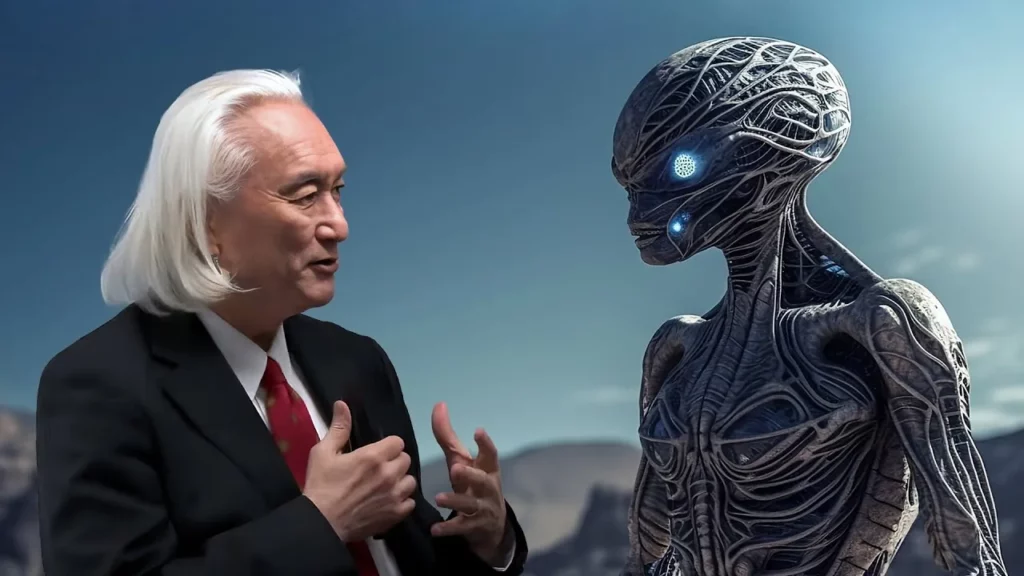
In this lesson, Michio Kaku discusses the implications of recent discoveries made by the James Webb Space Telescope, which revealed mature galaxies existing shortly after the Big Bang, suggesting that advanced life could have evolved earlier than previously thought. He explores the Fermi Paradox, proposing that extraterrestrial intelligence may be artificial rather than biological, and highlights the potential of artificial intelligence to surpass human capabilities, possibly leading to advanced civilizations that communicate in ways we cannot yet comprehend. Kaku emphasizes the importance of managing AI development responsibly, as it could play a crucial role in overcoming existential challenges and facilitating interstellar exploration.
Michio Kaku – Digital Life in Space
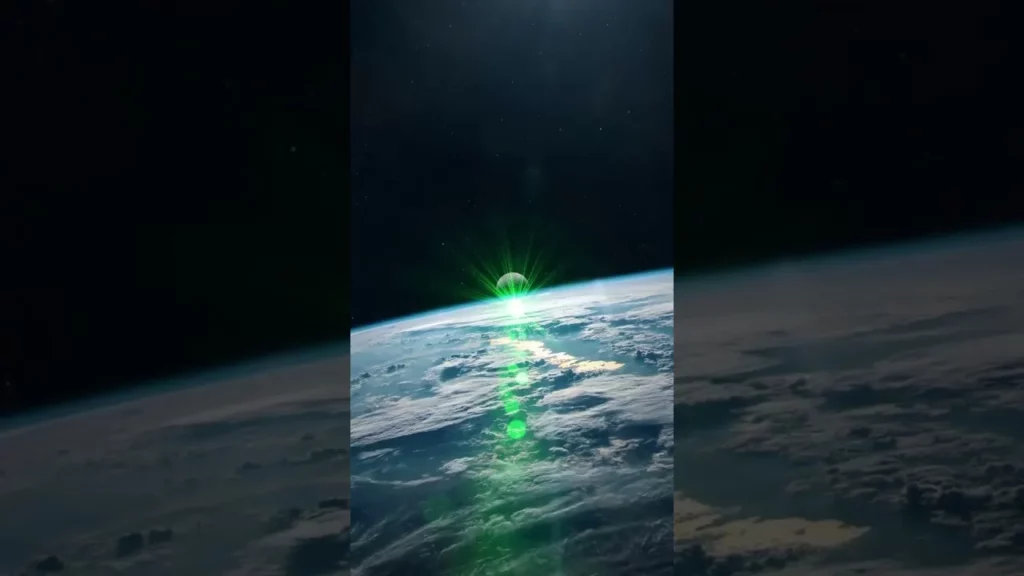
In the lesson “Digital Life in Space” by Michio Kaku, the concept of digital immortality is explored, envisioning a future where human consciousness can be digitized and transmitted across vast distances in space. This idea suggests that individuals could experience life in different locations, such as traveling from Earth to Mars in just 20 minutes, fundamentally altering our understanding of identity and existence. As technology advances, this theoretical framework encourages creative thinking about the future of human exploration and the potential merging of physical and digital realities.
Neil Tyson – Can We Use Negative Time?
The lesson explores the concept of “negative time,” which challenges our traditional understanding of time by suggesting the possibility of redefining the zero point of our time scale, currently set at the Big Bang. This idea encourages both scientific inquiry and philosophical reflection, as it raises questions about causality, the origins of the universe, and the limits of human knowledge, inviting us to remain open to new discoveries that could reshape our understanding of time and existence.
The Moment Before The Big Bang
The lesson explores the concept of the Big Bang, which is believed to be the beginning of our universe approximately 13.8 billion years ago, and discusses the implications of this event on our understanding of time. It highlights that if the Big Bang marks the start of time, then asking what occurred before it may not be meaningful, akin to questioning what lies north of the North Pole. Scientists continue to investigate the early universe and the nature of time through advanced research, emphasizing that while many questions remain unanswered, the pursuit of knowledge about our cosmos is ongoing.
The Fermi Paradox in One Minute
The lesson on the Fermi Paradox explores the intriguing question of why, despite the vastness of the universe and the potential for numerous planets to harbor life, we have yet to find evidence of extraterrestrial civilizations. It discusses the complexities of life’s development on Earth, the challenges of evolving intelligent beings, and various theories that attempt to explain our lack of contact with aliens. Ultimately, the lesson emphasizes the excitement of ongoing space exploration and the mysteries that still await discovery.
Neil Tyson – How To Live on Mars

The lesson explores the challenges of living on Mars, highlighting the need to address issues such as keeping warm and protecting against harmful ultraviolet (UV) light. Unlike Earth, Mars lacks an ozone layer, making it essential to develop solutions like creating barriers to block UV rays or constructing underground habitats. Ultimately, the lesson emphasizes the importance of planning and innovation in making human life on Mars a possibility.
What is Repulsive Gravity?

The lesson on “Understanding Repulsive Gravity” explores the dual nature of gravity as both an attractive and repulsive force, as proposed by Einstein’s theories. While we typically experience gravity as a force that pulls objects together, under certain conditions, it can push objects apart, which has significant implications for cosmology, including the accelerated expansion of the universe driven by dark energy. This concept challenges traditional views and encourages further exploration of the fundamental forces shaping our cosmos.
Brian Cox – The Science of Space & Time & Our Place in The Universe
In this lesson, Brian Cox explores the concepts of space and time, emphasizing that our understanding of these dimensions is largely shaped by human perception and historical beliefs. He discusses the evolution of thought from ancient Greek philosophers to Einstein’s revolutionary ideas, highlighting that absolute space and time do not exist and that everything is relative to the observer’s motion. The lesson also delves into the expanding universe, the nature of time, and the significance of cosmic microwave background radiation in understanding the universe’s history and structure.