
The Great Filter in One Minute
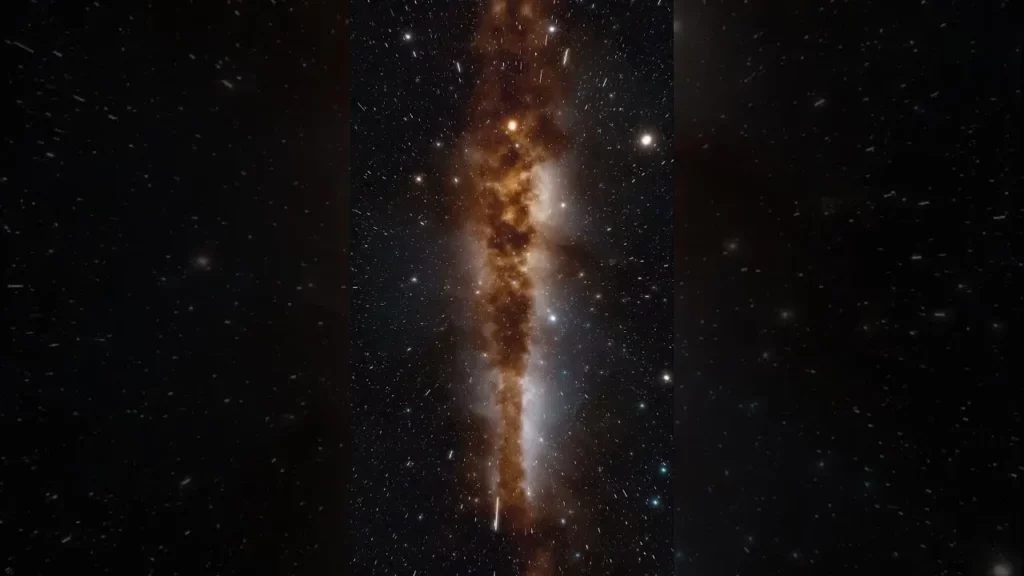
The lesson explores the concept of the Great Filter, which posits that there may be significant challenges that prevent civilizations from advancing to a space-faring stage, potentially explaining the absence of observable extraterrestrial life. It emphasizes the importance of sustainable development and thoughtful decision-making to navigate these challenges, encouraging humanity to aspire towards a future where we explore the cosmos and secure our place in the universe. By understanding and overcoming the Great Filter, we can enhance our chances of thriving as a civilization in the vastness of space.
Alien Life B.Y.A
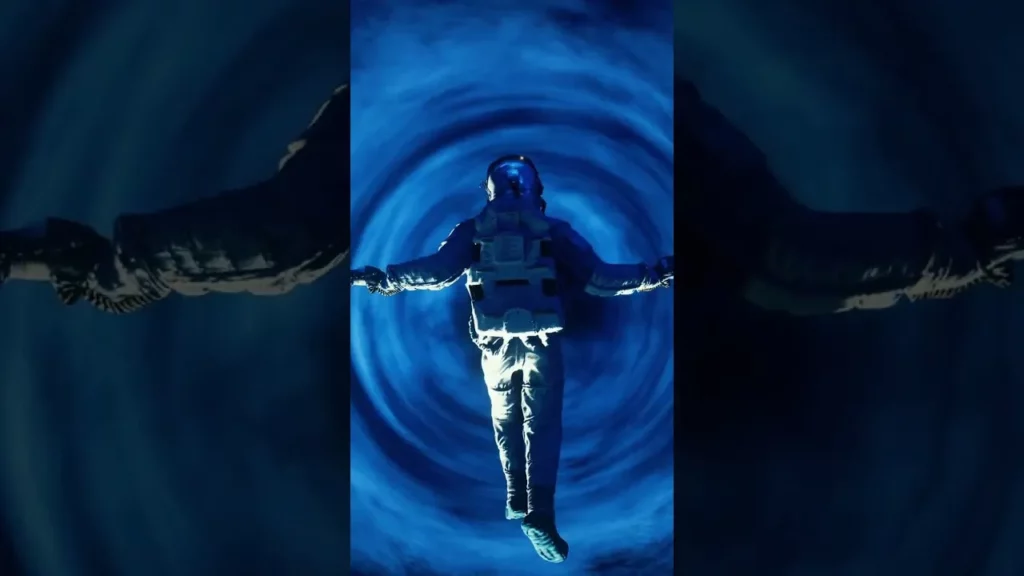
The lesson “Alien Life: A Cosmic Perspective” explores the possibility that humans may be latecomers in the universe’s timeline of advanced life forms, influenced by recent studies on the relationship between black holes and star formation. It discusses how conditions for extraterrestrial intelligence may have peaked billions of years ago, prompting a reevaluation of concepts like the Drake Equation and the Fermi Paradox. Ultimately, the lesson encourages an open-minded exploration of the cosmos and the potential for discovering life that may have existed long before humanity.
Dark Atoms & Dark Matter
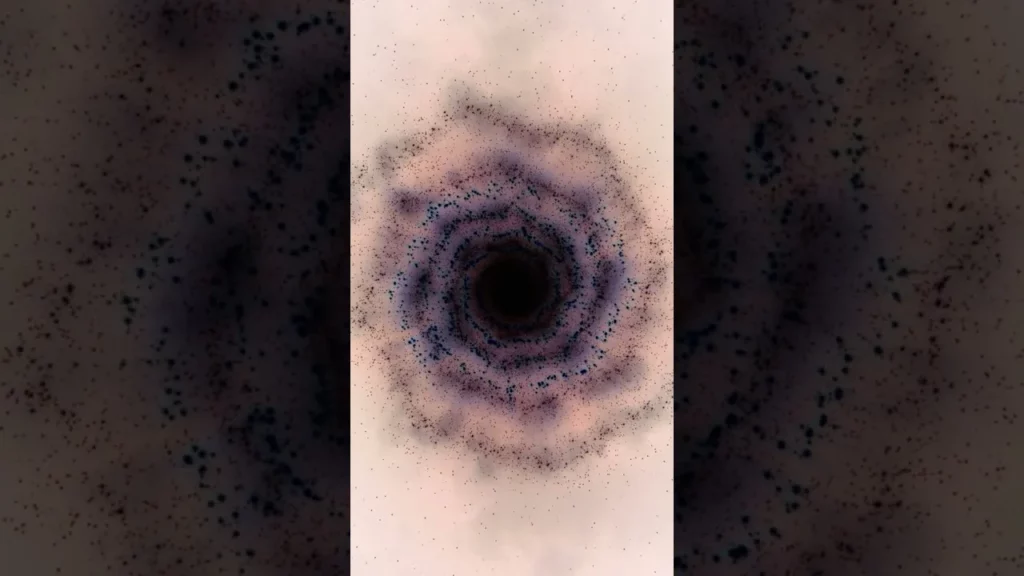
The lesson on “Dark Atoms & Dark Matter” explores the intriguing concept of dark matter, which, while invisible, exerts a significant gravitational influence on galaxies. Recent research suggests that dark matter may consist of complex structures known as dark atoms, which could lead to the formation of shadow discs, dark stars, and black holes, ultimately impacting galaxy formation and evolution. This emerging understanding opens new avenues for research into the fundamental forces shaping the universe.
How to Create a Wormhole
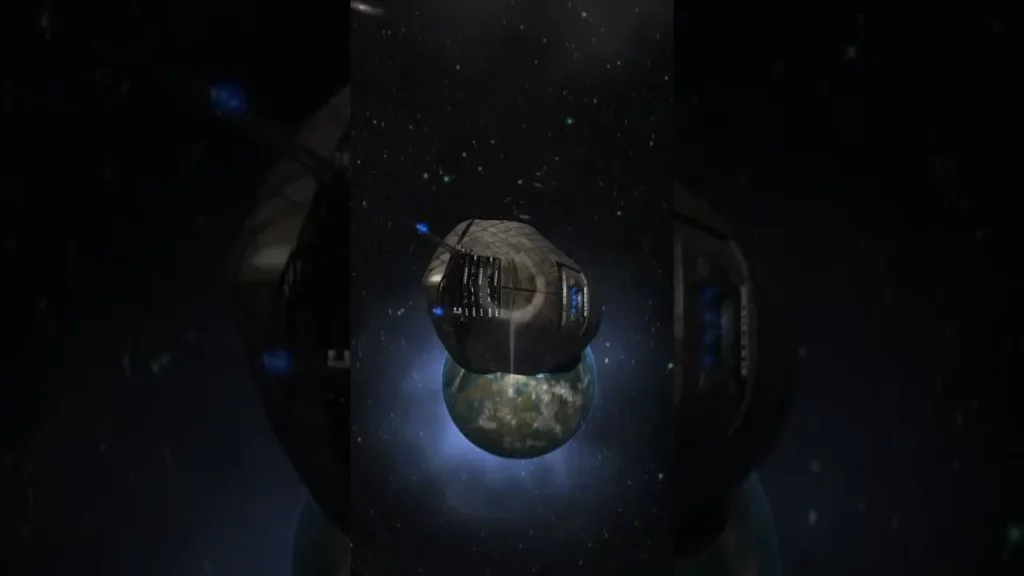
This lesson explores the concept of wormholes, theoretical passages through space-time predicted by Einstein’s theory of relativity, which could potentially allow for rapid travel between distant parts of the universe. It discusses the necessary conditions for creating a wormhole, including the hypothetical existence of “exotic matter” to stabilize it, and highlights the significant challenges that remain in both the creation and navigation of such structures. Despite these obstacles, the study of wormholes continues to inspire scientific inquiry and imagination about the possibilities of space-time exploration.
What is Quantum Gravity?

The lesson on “Understanding Quantum Gravity” explores the two fundamental perspectives in physics: general relativity, which describes the universe’s large-scale structure and gravitational interactions, and quantum physics, which deals with the unpredictable behavior of subatomic particles. It highlights the necessity for a unified theory that combines these perspectives, particularly in the context of the Big Bang, leading to the concept of quantum gravity, which aims to reconcile the continuous nature of space-time with the discrete nature of quantum mechanics. Despite ongoing research, a complete understanding of quantum gravity remains elusive, representing a significant challenge and opportunity in modern physics.
Sean Carroll – What is Time?
In the lesson “What is Time?” by Sean Carroll, time is explored as an abstract concept distinct from physical substances, serving as a crucial framework within the four-dimensional spacetime of our universe. The discussion highlights the uniqueness of time, emphasizing its single direction and role in understanding cause and effect, while also acknowledging the complexities and ongoing inquiries surrounding the nature of time in modern physics. Ultimately, a deeper comprehension of time enhances both our scientific knowledge and appreciation of the universe.
The Big Bang Conundrum: Unraveling JWST’s Mystifying Findings on the Early Universe
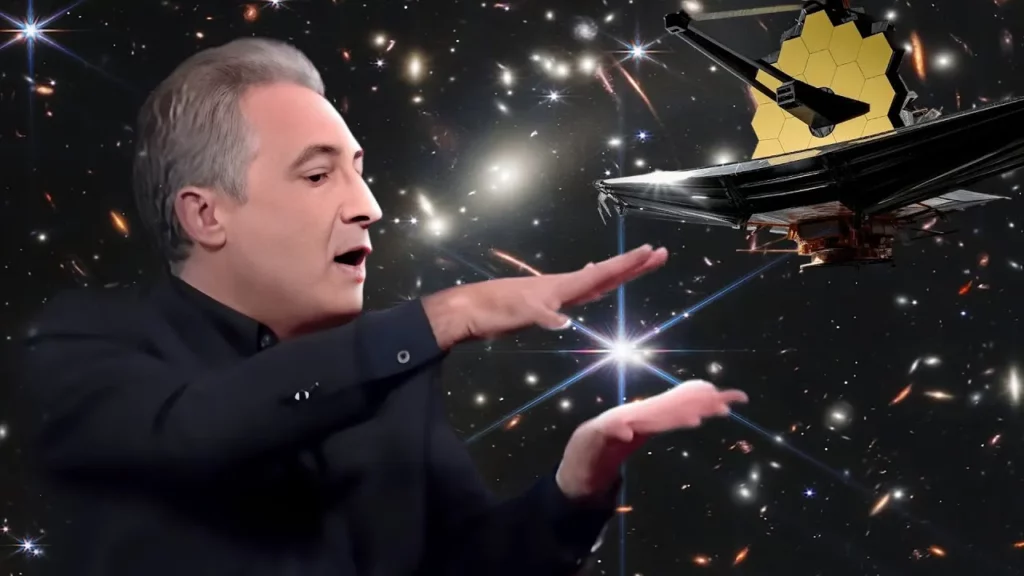
The lesson discusses the James Webb Space Telescope’s (JWST) groundbreaking discoveries that challenge existing theories about the early universe, particularly the identification of six unexpectedly massive galaxies formed shortly after the Big Bang. These findings raise significant questions about our understanding of cosmic evolution, dark matter, and dark energy, suggesting that current models may need revision. As scientists explore these mysteries, the interplay between theoretical physics and advanced observational techniques will be crucial in enhancing our comprehension of the universe’s origins and structure.
Humanity 100 Years From Now
The lesson explores the potential evolution of humanity over the next century, emphasizing the optimistic view that advances in genetic engineering and biotechnology could allow us to design our offspring for better adaptation to their environments. It discusses the possibility of transcending biological limitations through the development of electronic beings, which could lead to near-immortality and facilitate interstellar travel, ultimately reshaping our understanding of life and existence. The lesson concludes by highlighting the exciting prospects of embracing technological advancements to ensure humanity not only survives but thrives in the future.
One Star Being Eaten by Another Will Take Revenge as a Black Hole
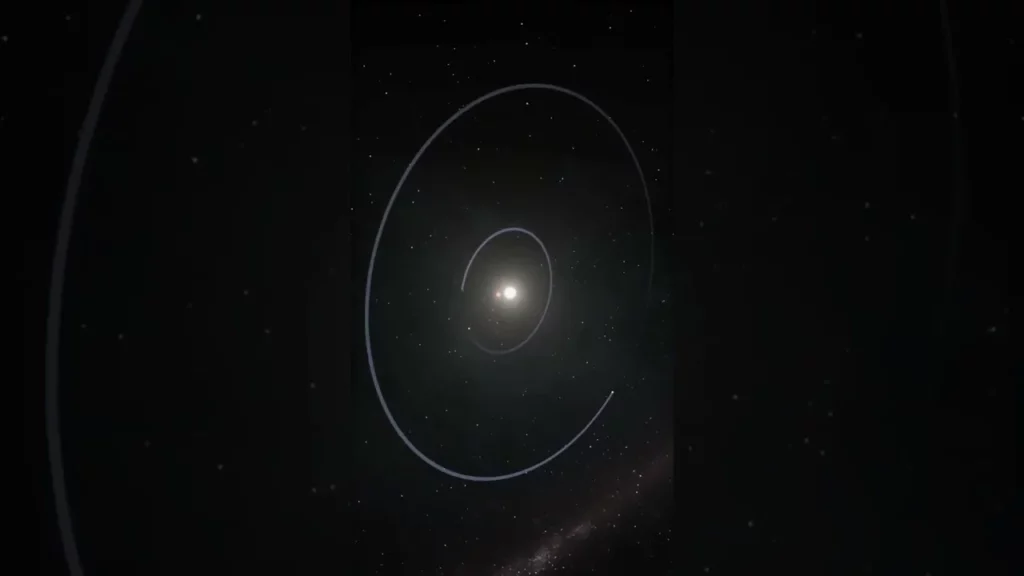
The lesson discusses the fascinating cosmic event involving a pair of stars, SSN7, where a larger star is consuming its smaller companion. This interaction is expected to culminate in the smaller star transforming into a black hole, which will then have the potential to devour the larger star, illustrating the dynamic life cycle of stars and the formation of black holes. This discovery not only enhances our understanding of stellar evolution but also emphasizes the significant role black holes play in shaping the universe.
A Distant Supernova Defies Our Understanding of The Cosmos
In 2014, astronomers observed a supernova that challenged existing understandings of the universe, primarily due to the phenomenon of gravitational lensing, where light from distant objects is bent by massive cosmic structures. This unique event allowed scientists to study the supernova’s light, providing insights into the universe’s expansion rate, known as the Hubble constant, and potentially leading to significant breakthroughs in cosmology. The discovery exemplifies the universe’s complexity and the ongoing quest for knowledge about its nature.