
44 Million Atoms Simulated Using AI
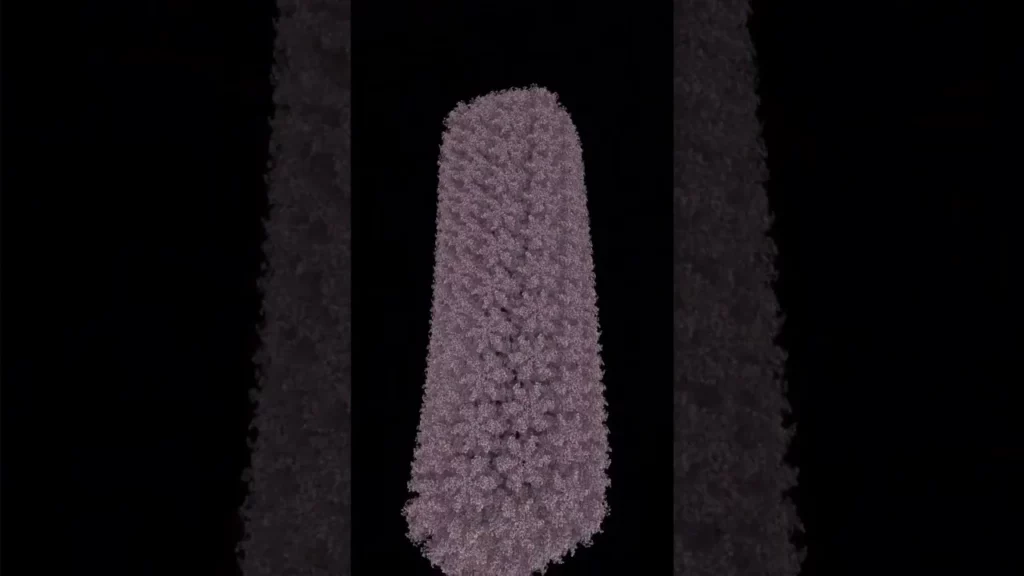
The lesson highlights the revolutionary impact of AI, specifically through the tool Allegro, which enables the simulation of 44 million atoms, overcoming previous limitations in atomic research. This advancement not only enhances our understanding of atomic interactions, including complex biological systems like the HIV virus, but also opens new avenues in material science, potentially leading to innovations in technology and sustainability. As AI continues to evolve, its applications in atomic research promise to transform scientific exploration and development.
Aliens Might Say Hello in 2029

The lesson discusses the potential for humans to receive a message from extraterrestrial civilizations by 2029, as scientists track radio signals that have traveled into space. By calculating the time it takes for these signals to reach nearby stars, researchers have identified possible recipients of our communications, echoing ideas popularized by Carl Sagan. While the prospect of contacting aliens is thrilling, it remains speculative, emphasizing the importance of ongoing exploration and study of the universe.
First Man on Mars
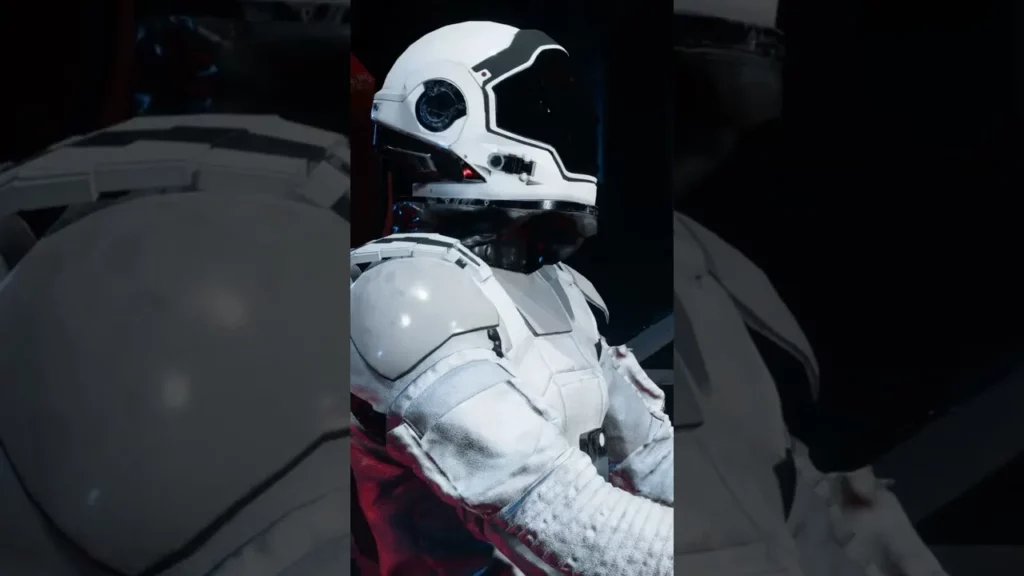
NASA is making significant strides in its mission to send humans to Mars, establishing a dedicated office for the Moon to Mars program that oversees the Artemis moon missions and the development of essential technologies. Astronauts are preparing for a lunar flyby in late 2024, with plans to land on the Moon in 2025, where they will conduct experiments and gain experience crucial for the longer journey to Mars. This approach not only allows for testing new technologies in a challenging environment but also paves the way for exciting discoveries about Mars and its potential for past life.
Michio Kaku – This is Why Quantum Computers Will Change Everything

In this lesson, Michio Kaku discusses the transformative potential of quantum computing and its intersection with artificial intelligence (AI), highlighting how quantum computers can perform complex calculations at unprecedented speeds and handle vast amounts of data through qubits. He emphasizes the implications of quantum computing for global security, technological supremacy, and its potential to address misinformation, while also exploring the ethical considerations and future advancements beyond quantum technology. Overall, Kaku underscores that we are at the beginning of a new era in computing that could reshape various aspects of society and our understanding of the universe.
Whats Next For JWST?
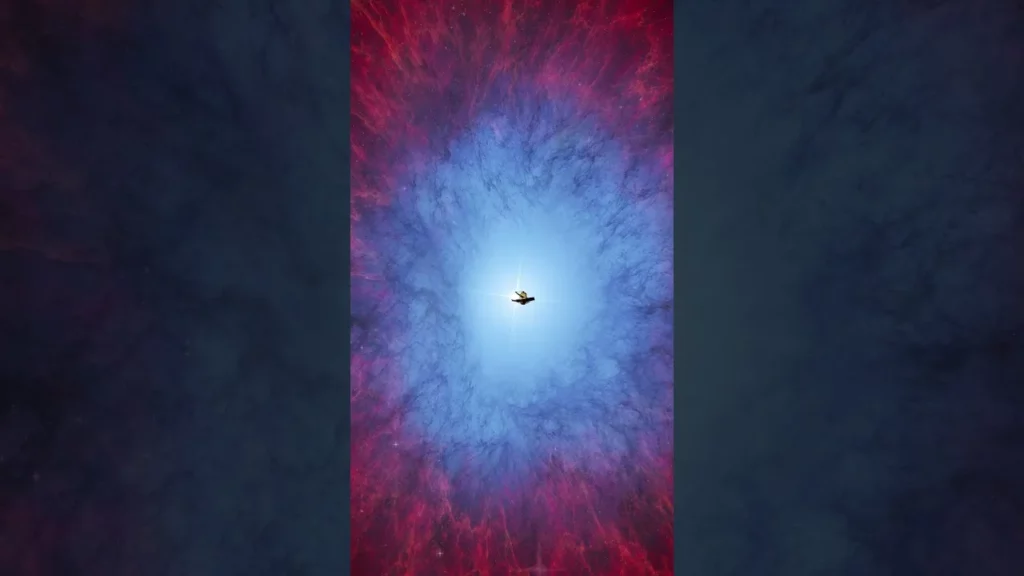
The James Webb Space Telescope (JWST) is entering its second year, Cycle 2, with ambitious plans to explore various cosmic phenomena. Key projects include studying white dwarfs and their potential planets to understand the future of our solar system, searching for the earliest galaxies formed shortly after the Big Bang, and investigating Enceladus, Saturn’s moon, for signs of habitability. These endeavors aim to deepen our understanding of the universe and inspire future generations of scientists.
A Dark Matter Star Has Been Discovered?
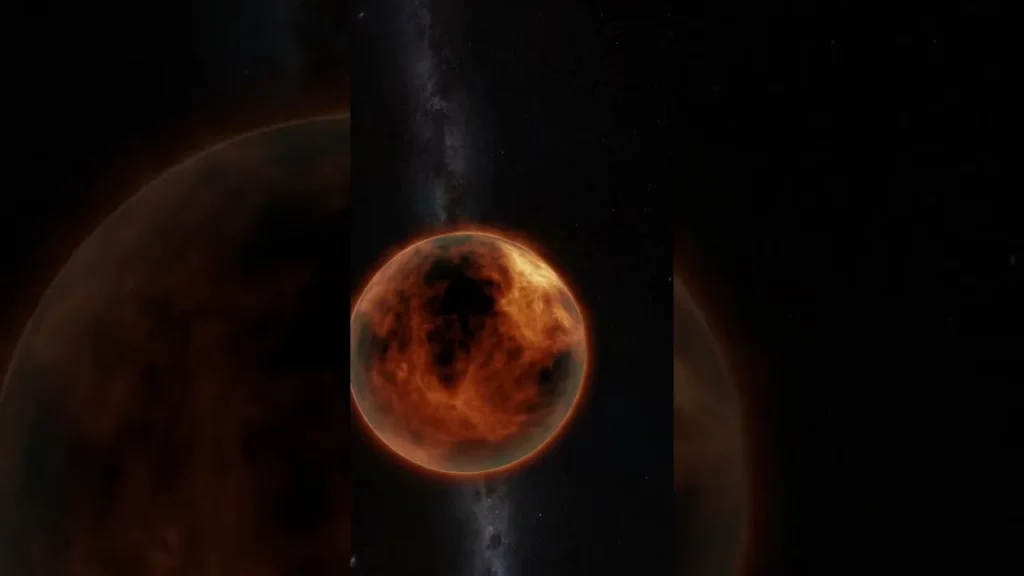
Scientists have discovered a star in a distant system that appears to be orbiting an invisible companion, initially thought to be a black hole. However, recent studies suggest it could be a boson star made of dark matter, a concept that has never been observed before. This intriguing possibility could revolutionize our understanding of dark matter and gravitational forces in the universe, as researchers continue to investigate the true nature of this mysterious entity.
The Dark Side of Cryonics
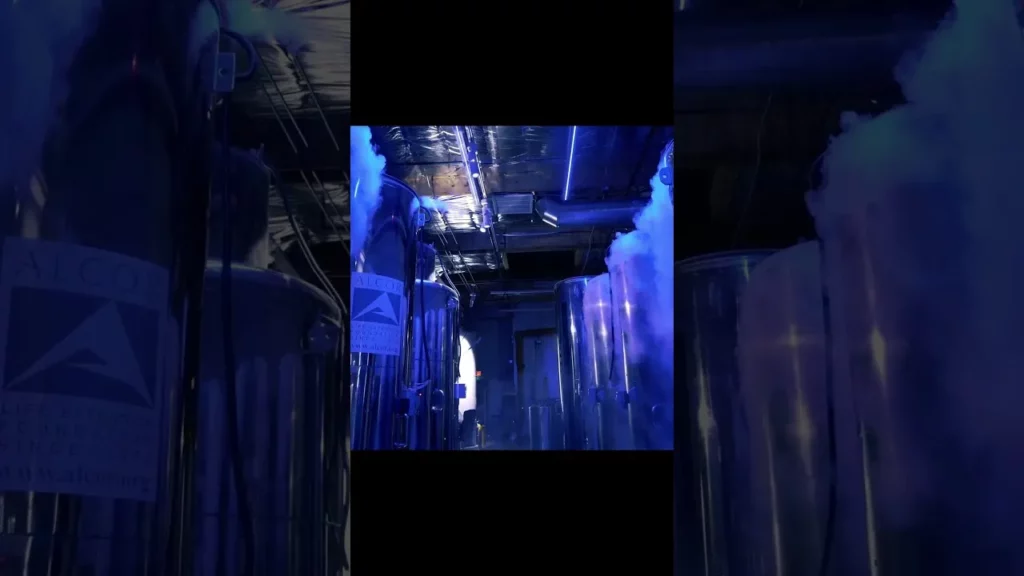
The lesson on “The Dark Side of Cryonics” explores the practice of cryonics, which involves freezing bodies after death in hopes of future revival through scientific advancements. Despite its intriguing premise, the practice faces significant challenges, including the irreversible damage caused to bodies during the freezing process and the scientific doubts surrounding its feasibility. While proponents remain optimistic about future breakthroughs, the ethical and practical implications of cryonics necessitate a cautious and critical examination of its potential.
Quantum Superpowers of Plants
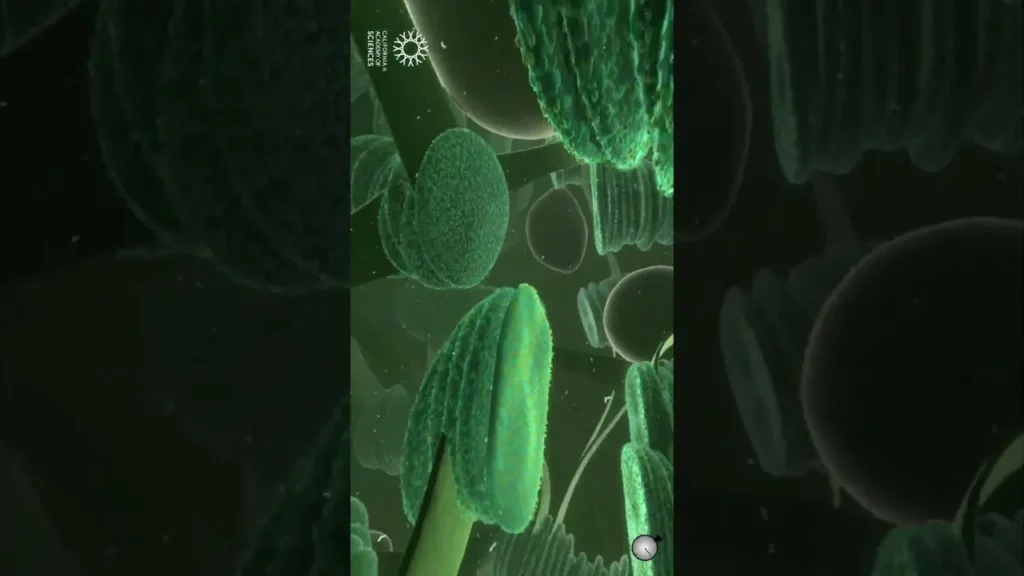
The lesson explores the remarkable quantum processes occurring in plants, particularly during photosynthesis, where excitons facilitate efficient energy transfer at room temperature, akin to the behavior of a Bose-Einstein condensate. This phenomenon showcases the extraordinary adaptability of plants and their ability to harness quantum mechanics, inspiring advancements in technology such as solar energy and quantum computing. Ultimately, it emphasizes the complexity and sophistication of plants, inviting a deeper appreciation for the natural world.
Elon Musk’s Neuralink Gets Approval for Human Trial

Elon Musk’s Neuralink has received FDA approval to begin its first clinical trial involving human subjects, marking a significant milestone in the development of brain implants aimed at assisting individuals with neurological conditions. Despite facing safety concerns that initially delayed approval, the company is now poised to explore the potential benefits of these implants, which could revolutionize communication and treatment options. As the trials progress, the focus will be on ensuring the safety and effectiveness of this groundbreaking technology.
Did Hubble Find a Midsize Black Hole Just 6,000 Light Years Away
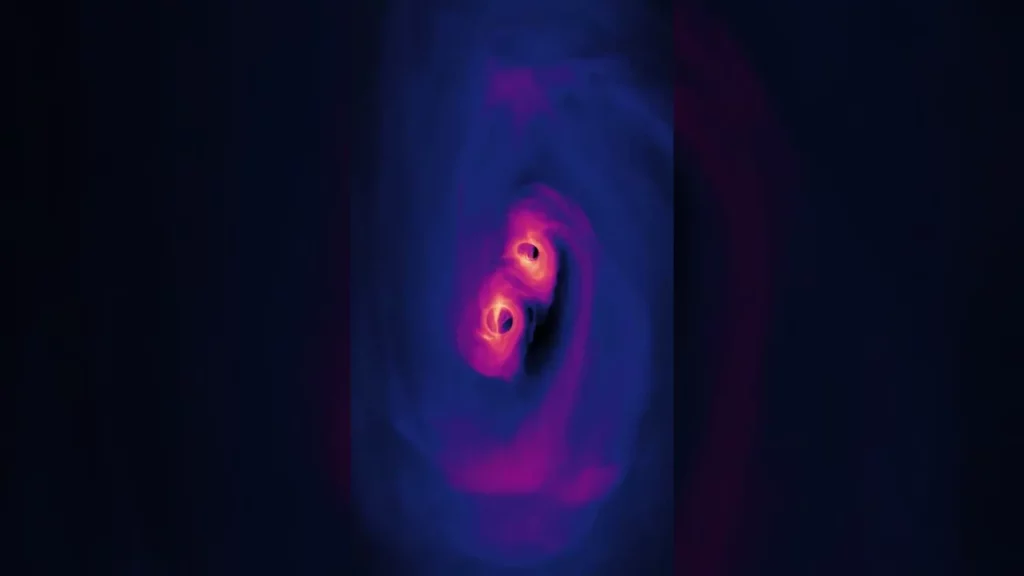
Scientists may have discovered a mid-sized black hole, approximately 800 times the mass of the Sun, located just 6,000 light-years away in the Scorpius constellation. Utilizing a decade’s worth of data from the Hubble Space Telescope, researchers observed unusual stellar movements in the Messier 4 star cluster, suggesting the influence of a black hole. This potential finding could enhance our understanding of black hole formation and the evolution of galaxies, marking a significant step in cosmic exploration.