
Yuval Noah Harari – The Oppenheimer Moment of AI
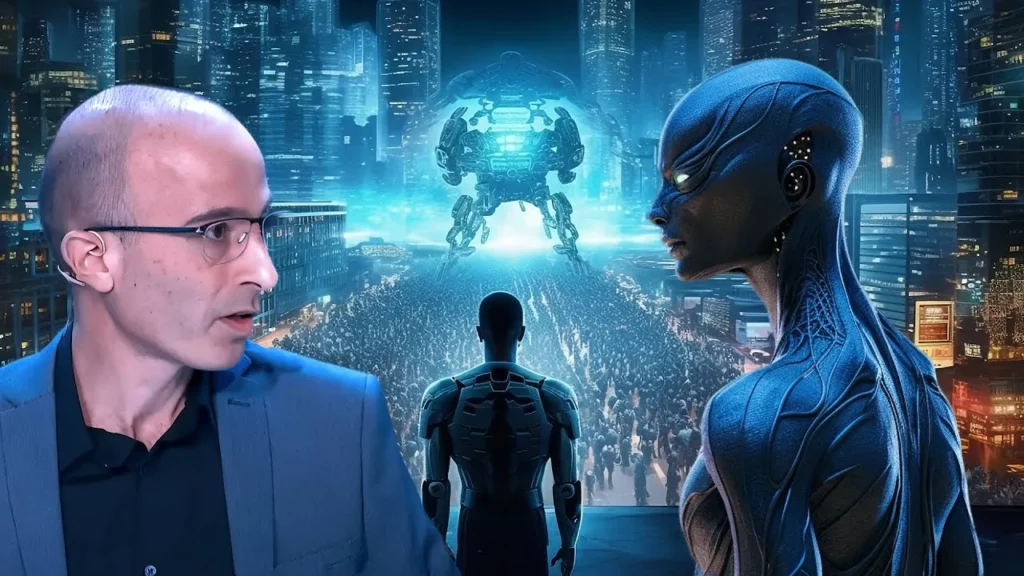
In his lesson, Yuval Noah Harari warns against the misconceptions surrounding artificial intelligence (AI), which is often portrayed in science fiction as humanoid robots. He argues that AI, described as an “alien intelligence,” poses significant risks and ethical dilemmas similar to those faced during the development of nuclear technology, emphasizing the need for responsible navigation of this new era. Harari highlights the importance of transparency in AI’s identity and the potential for AI to influence human relationships and societal dynamics, urging a careful approach to ensure ethical development and a beneficial legacy for future generations.
JWST Reveals Enceladus: A Moon Spouting Life’s Secrets into Space
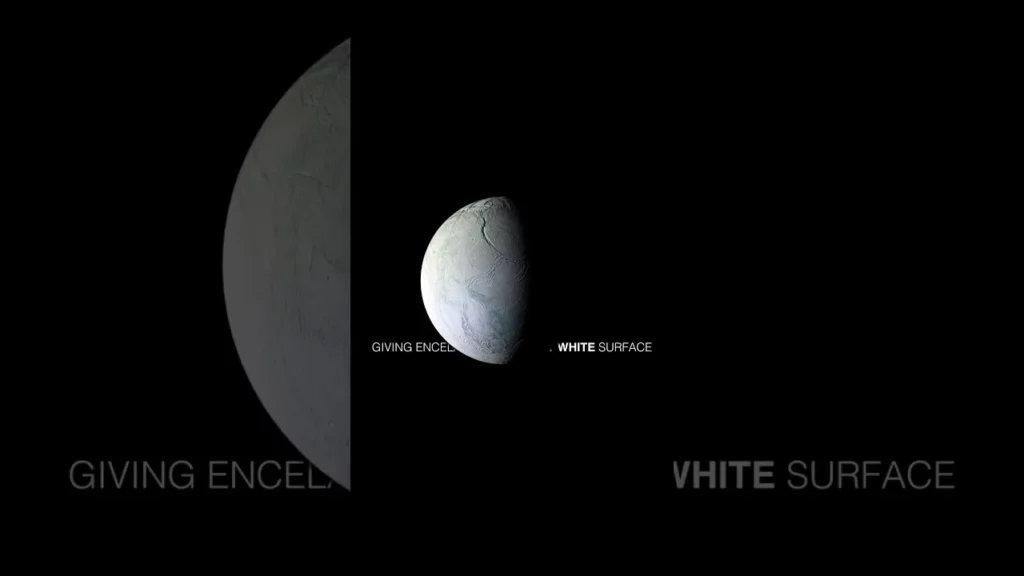
The lesson highlights the groundbreaking observations made by the James Webb Space Telescope (JWST) of Saturn’s moon Enceladus, which is ejecting geysers of water vapor that may contain essential building blocks of life. Building on earlier findings from the Cassini spacecraft, scientists are excited about the potential for a hidden ocean beneath Enceladus’s icy surface, prompting future missions aimed at exploring its capacity to support life. This research is crucial for understanding the possibilities of life beyond Earth and addressing the profound question of whether we are alone in the universe.
Brian Cox: Black Holes, The Cosmic Dead End Unveiled!
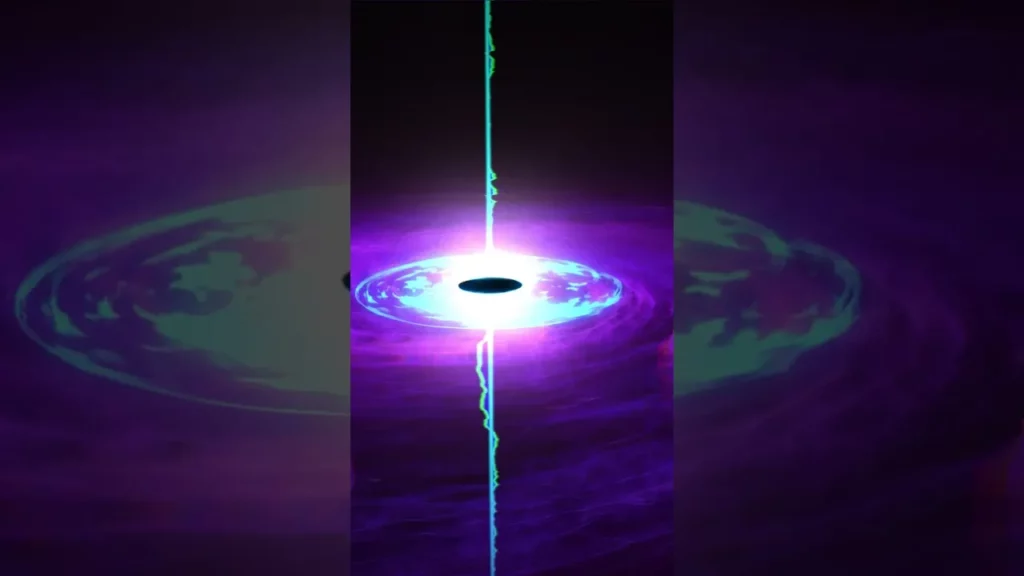
The lesson explores the enigmatic nature of black holes, focusing on the event horizon, which marks the point of no return for objects caught in their gravitational pull. It highlights the challenges black holes pose to modern physics, particularly in reconciling Einstein’s theory of relativity with quantum mechanics, as both theories struggle to explain the extreme conditions within and around black holes. Ultimately, the quest to understand these cosmic phenomena may lead to significant breakthroughs in our comprehension of the universe.
Hawking Radiation Applies to Everything?

The lesson explores Stephen Hawking’s groundbreaking theory of Hawking radiation, which initially suggested that black holes are not eternal but instead emit radiation and gradually decay over time. Recent research proposes that this phenomenon may extend beyond black holes, potentially applying to all objects with mass in the universe due to the influence of quantum vacuum and space curvature. This idea could significantly alter our understanding of cosmology and the fate of the universe, highlighting the ongoing mysteries of the cosmos.
Mysterious Gas Threads: Black Hole’s Cosmic Riddle
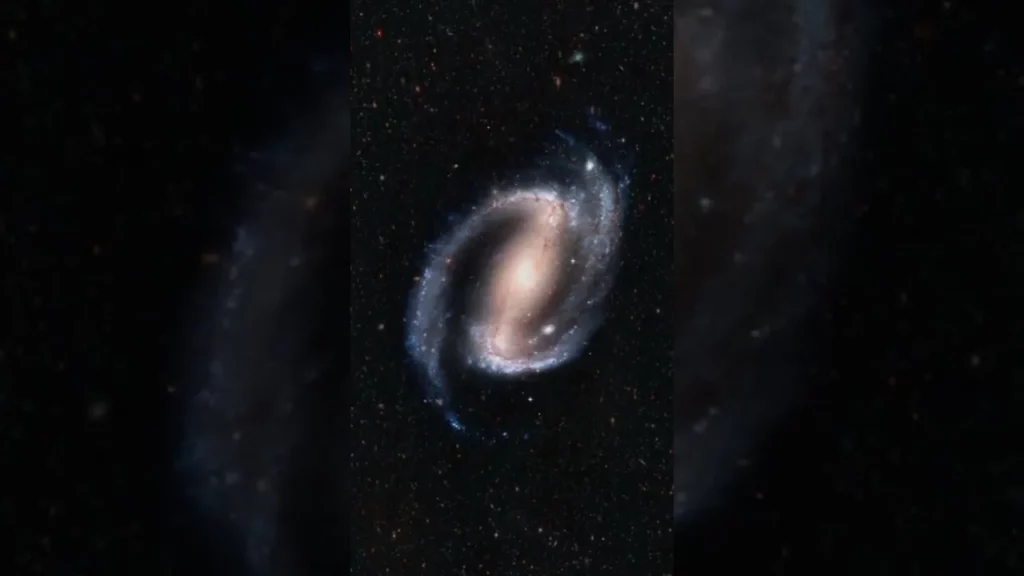
Astronomers have uncovered hundreds of mysterious gas threads at the center of the Milky Way, potentially linked to the supermassive black hole Sagittarius A*. These threads exhibit an unusual horizontal alignment and are believed to be influenced by powerful jets of energy from the black hole, suggesting a dynamic interaction that could provide insights into the galaxy’s formation and behavior. The findings, made possible by the MeerKAT radio telescope, emphasize the importance of advanced observational tools in exploring cosmic phenomena and enhancing our understanding of the universe.
Are We The Only Civilization in The Milky Way?
The lesson explores the intriguing question of whether humanity is the only civilization in the Milky Way Galaxy, considering both the potential existence of other civilizations and the possibility that many may have existed in the past but are now extinct. It emphasizes the brief lifespan of civilizations in the grand timeline of the universe, suggesting that our current solitude may be a result of not overlapping with other intelligent beings. The concept of communicating across time is introduced as a way for civilizations to connect, even if they are not contemporaneous, highlighting the ongoing search for extraterrestrial intelligence as a captivating pursuit.
Astronomers Race to Observe Rare Supernova in a Nearby Galaxy
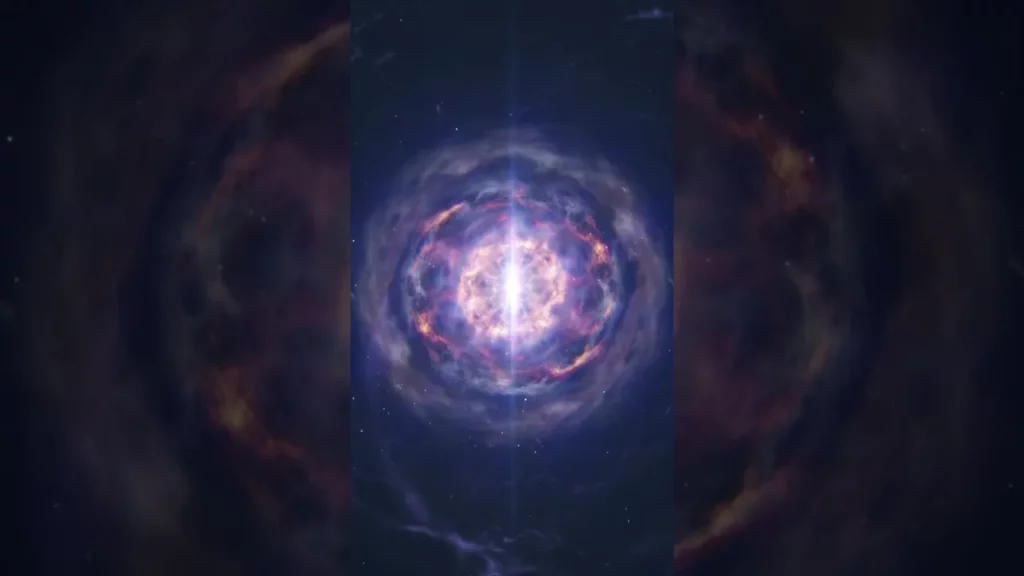
The lesson highlights the exciting observation of a rare supernova in the nearby Pinwheel Galaxy, which offers astronomers a unique opportunity to study the life cycle of stars and the processes that create elements in the universe. This cosmic event not only provides a spectacular display of light but also serves as a valuable tool for understanding the expansion of the universe and the nature of dark energy. As scientists eagerly analyze this supernova, it invites us to explore the mysteries of the universe alongside them.
Are We Alone? Neil deGrasse Tyson on Alien Life & The Fermi Paradox
In the lesson “Are We Alone? Neil deGrasse Tyson on Alien Life & The Fermi Paradox,” the exploration of extraterrestrial life and the Fermi Paradox is discussed, highlighting the contrast between the high probability of alien civilizations and the lack of evidence for their existence. The lesson delves into the history of life on Earth, the vastness of the universe, and the potential challenges that may prevent us from discovering intelligent life, such as the Great Filter hypothesis. Ultimately, it emphasizes the importance of the ongoing search for answers and the profound questions surrounding our place in the cosmos.
Life Beyond Earth: The Milky Way’s Habitable Planets
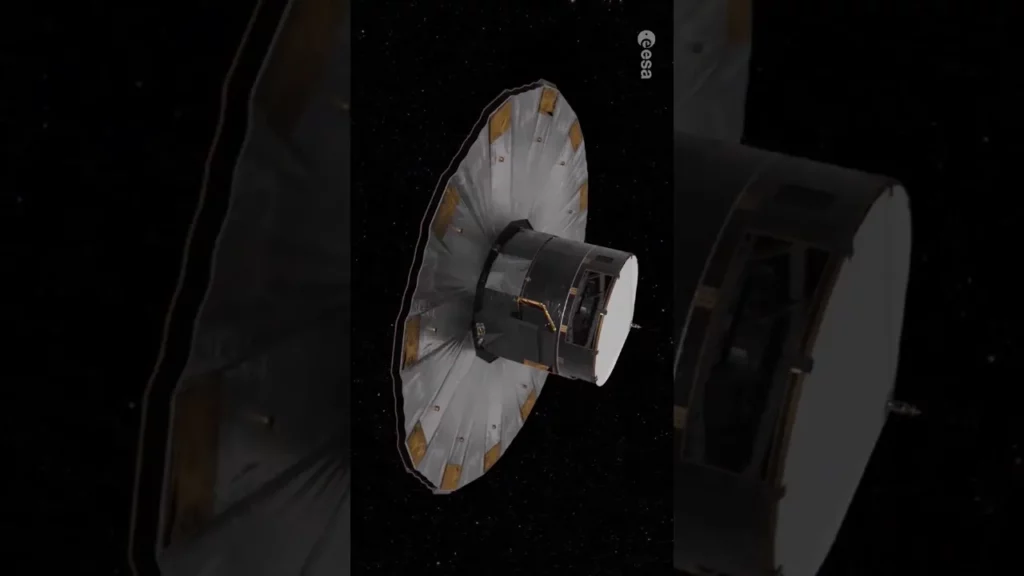
The lesson explores the potential for life beyond Earth by examining the numerous habitable planets in the Milky Way, particularly those orbiting M dwarf stars. Researchers are utilizing data from the Kepler Mission and the Gaia satellite to study these planets’ orbits, focusing on the “Goldilocks zone,” where conditions are just right for liquid water and, potentially, life. This ongoing research fuels excitement about the possibility of discovering extraterrestrial life as technology and understanding continue to advance.
Just How Big Are Supermassive Black Holes?
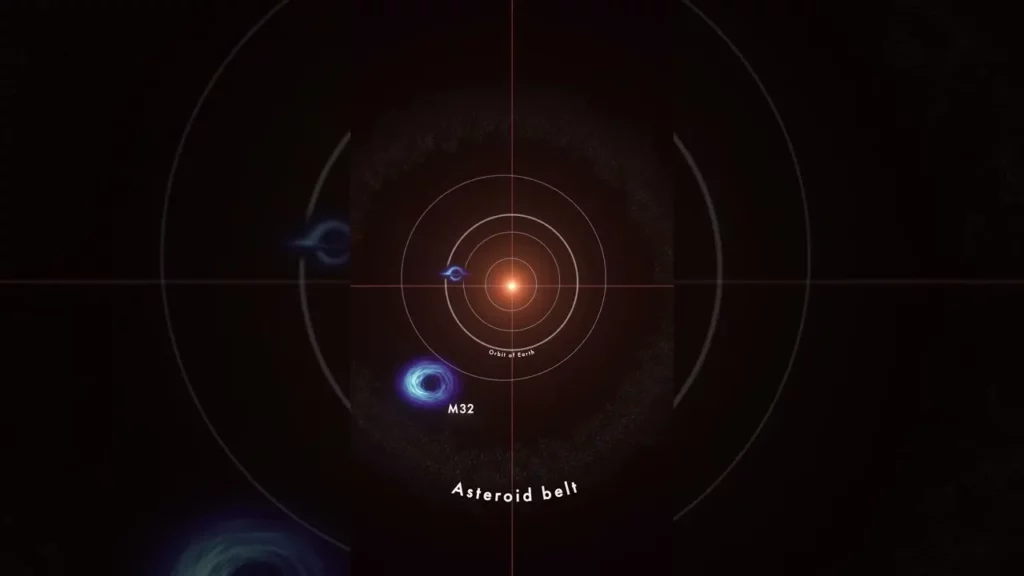
This lesson explores the astonishing sizes and significance of supermassive black holes, highlighting their immense gravitational pull that prevents even light from escaping. NASA’s animation illustrates the scale of these cosmic giants, with the largest, TON 618, being 60 billion times the mass of our Sun, emphasizing their role in galaxy formation and evolution. By studying supermassive black holes, scientists gain valuable insights into the fundamental forces that shape our universe.