
The Link Between Alien Signals & Supernovas
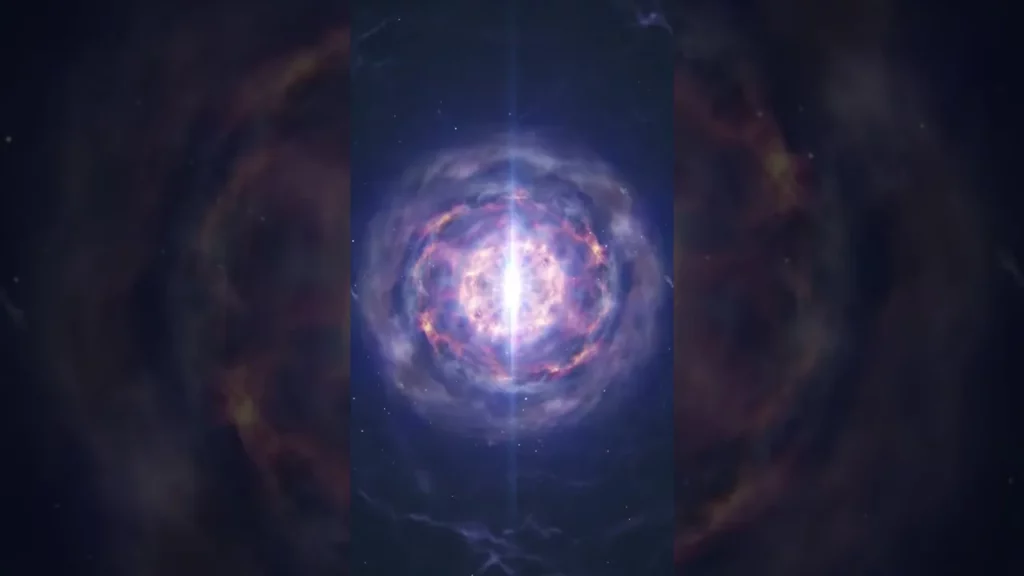
In this lesson, astronomers are investigating the recent supernova SN2023 exf in the Pinwheel Galaxy to determine if it could be transmitting signals from alien civilizations. Supernovas, which are powerful stellar explosions that spread essential elements across the universe, may serve as cosmic beacons for advanced life forms attempting to communicate. This search for extraterrestrial signals amidst the cosmic noise represents a thrilling opportunity to explore the potential for intelligent life beyond Earth.
Brian Greene Explains The Photoelectric Effect
The lesson on the photoelectric effect highlights the dual nature of light, illustrating how it can behave both as an electromagnetic wave and as discrete particles called photons. Albert Einstein’s explanation of this phenomenon in 1905 demonstrated that the energy of ejected electrons from a metal surface depends on the frequency of light rather than its intensity, marking a significant advancement in quantum mechanics. This groundbreaking discovery not only reshaped our understanding of light but also laid the foundation for modern physics and continues to impact scientific research and technology.
Brian Greene Explains The Infinite Universe
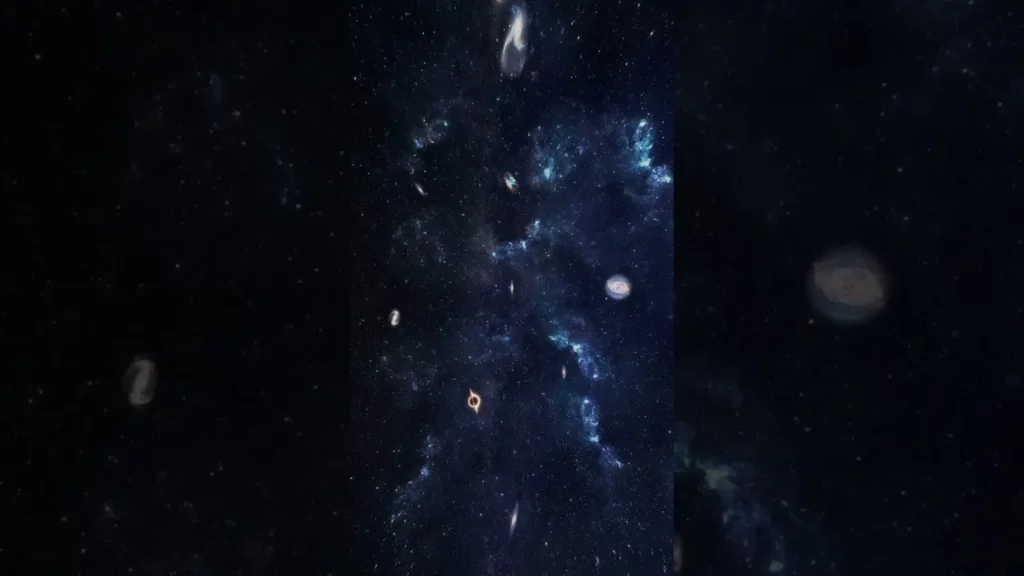
In this lesson, Brian Greene explores the concept of an infinite universe in relation to the Big Bang, emphasizing that even as the universe expands from a singular event, it can still be infinite in size. He explains that our observable universe is merely a small portion of a much larger cosmos, prompting us to rethink our understanding of space and time. Ultimately, the idea of an infinite universe invites us to appreciate the vast mysteries that extend beyond our current knowledge.
Brian Cox – Life on Mars
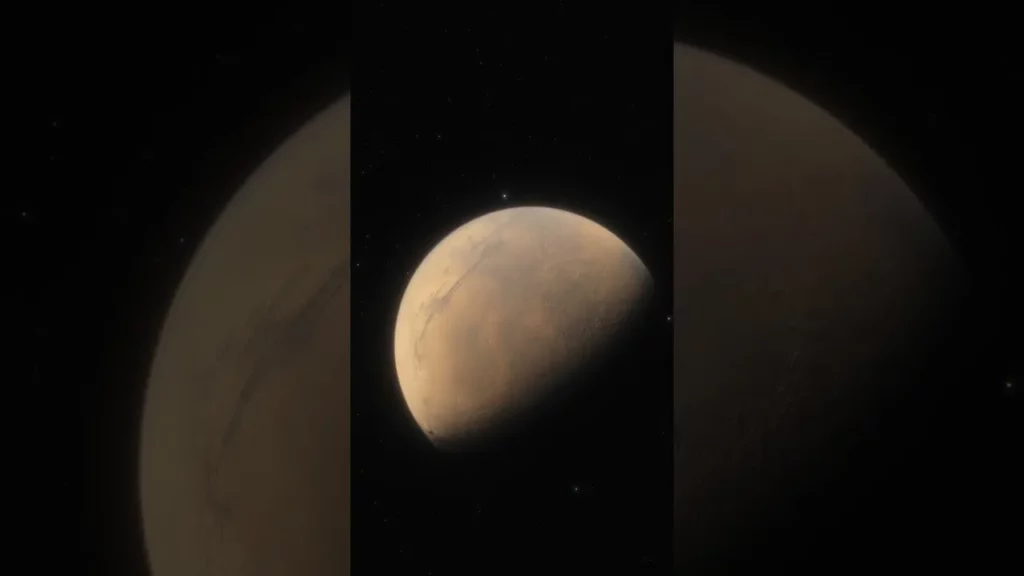
The lesson explores the intriguing possibility of past or present life on Mars by examining the planet’s geological history, including its once-active environment and the presence of liquid water approximately 3.8 billion years ago. Scientists are actively searching for signs of life using advanced technology, while also investigating the fate of Mars’s water and considering the potential for microbial life to exist beneath the surface. The ongoing exploration of Mars promises to deepen our understanding of life in the universe.
Michio Kaku – This is Why Quantum Computers Will Change Everything – Part 2
The lesson explores the transformative potential of quantum computing, highlighting how it utilizes qubits to perform complex calculations at unprecedented speeds, surpassing traditional computers. It discusses the current state of quantum technology, including recent milestones like quantum supremacy, and emphasizes the challenges and innovations in the field, such as the use of light beams for quantum computing. The lesson also considers the far-reaching implications of quantum computing across various industries, its economic and security impacts, and the ethical considerations that arise as we advance into this new technological frontier.
Brian Cox – How Many Habitable Planets Exist in Our Galaxy?
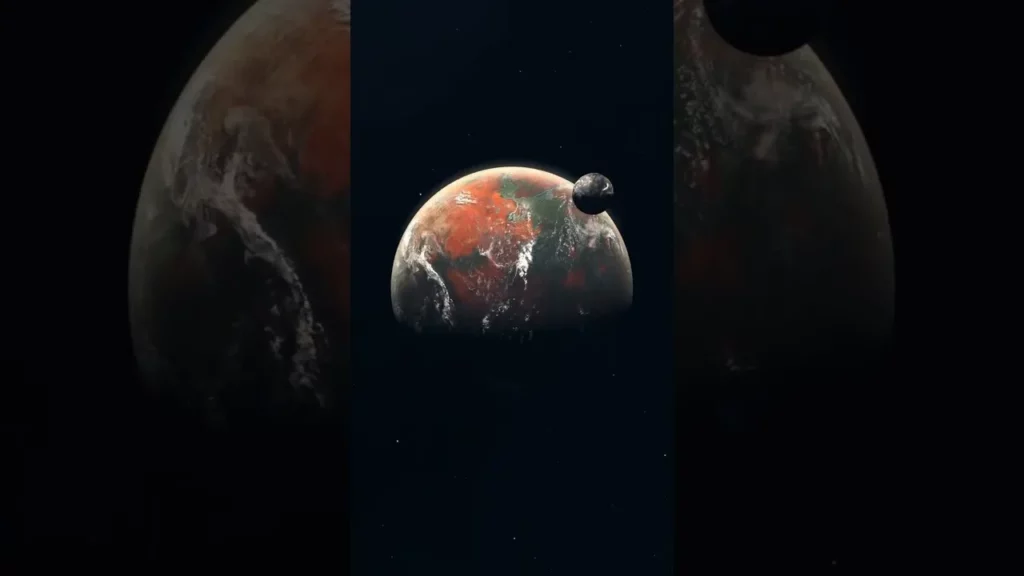
In the lesson by Brian Cox, the possibility of habitable planets in our galaxy is explored, highlighting that there may be around 20 billion Earth-like planets in the Milky Way capable of supporting liquid water. The concept of the “habitable zone” is introduced, which is the ideal distance from a star where conditions allow for liquid water, essential for life. The search for extraterrestrial life, particularly on Mars, underscores the importance of understanding our universe and the potential for discovering new worlds similar to our own.
Prolonged Space Missions Alters Astronauts’ Brains
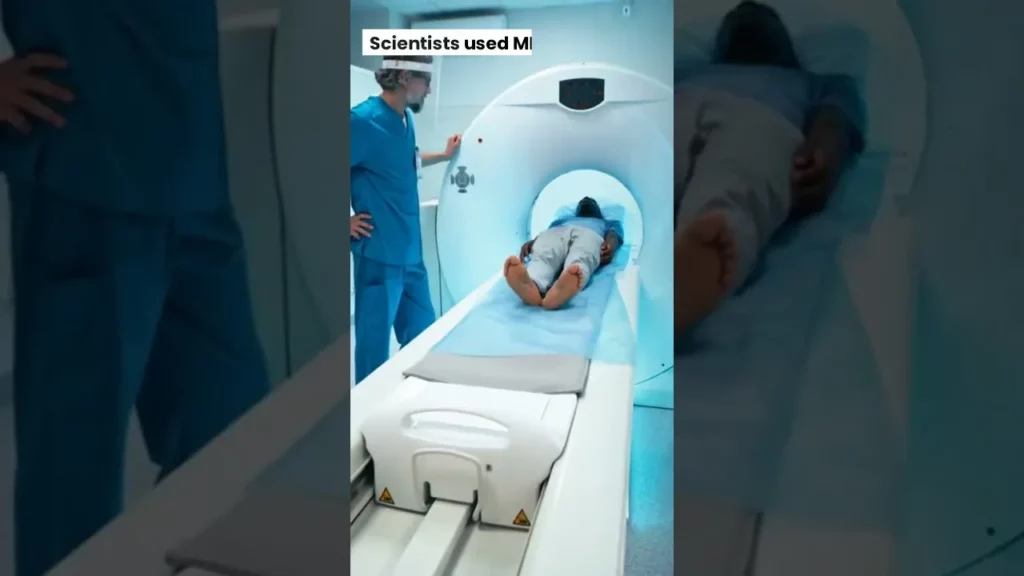
Recent research indicates that prolonged space missions can lead to significant changes in astronauts’ brains, particularly the expansion of brain ventricles by up to 25% due to the lack of gravity. The study highlights that these changes are most pronounced within the first six months of space travel, and recovery to normal ventricle size may take up to three years after returning to Earth, raising concerns about the long-term effects on cognitive function and overall brain health. As space agencies plan for longer missions, such as those to Mars, understanding these physiological challenges is crucial for ensuring astronaut safety and health.
JWST Reveals 717 Ancient Galaxies
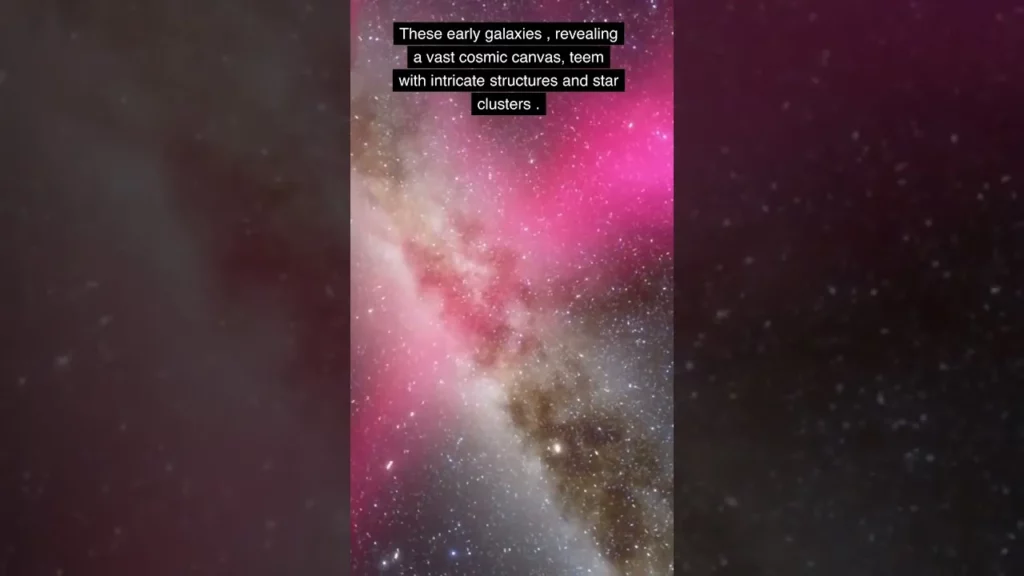
The James Webb Space Telescope (JWST) has made a groundbreaking discovery by revealing 717 ancient galaxies that formed just 600 million years after the Big Bang, challenging previous scientific understanding of the early universe. Through the Advanced Deep Extragalactic Survey, JWST has identified previously unseen galaxies, shedding light on the crucial period of cosmic reionization, which marks the transition of the universe from darkness to transparency. This research not only enhances our knowledge of galaxy formation and evolution but also helps us piece together the cosmic puzzle of our own Milky Way’s origins.
Is Betelgeuse About to go Supernova?
The lesson discusses Betelgeuse, a massive red star over 650 light-years away, which is currently shining brighter than usual, capturing the interest of astronomers. It explains that Betelgeuse will eventually go supernova, creating a spectacular display in the night sky, but this event may still be far off in the future. The lesson encourages curiosity about the universe while reminding us to keep observing the stars.
Artemis Astronauts Will Look For Life on The Moon?
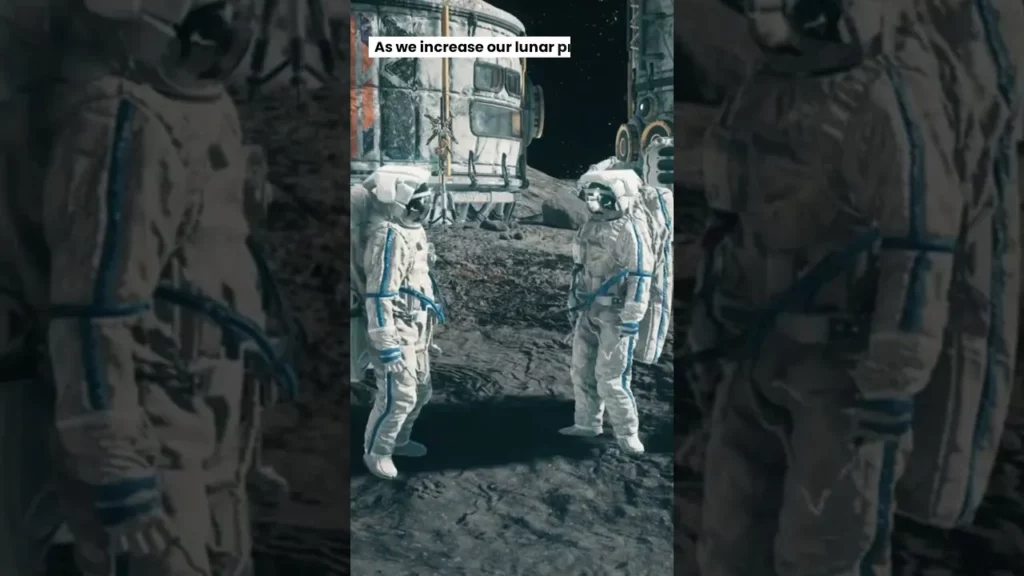
The Artemis III mission, set to launch by the end of 2025, aims to explore the lunar South Pole, a region shrouded in shadows and extreme cold that may harbor hidden life in its icy craters. Scientists are particularly interested in the potential discovery of water ice and resilient microbes, which could provide insights into Earth’s biological history and the possibility of life beyond our planet. This mission not only seeks to uncover the Moon’s secrets but also lays the groundwork for future human exploration of Mars and beyond.