
A Dwarf Planet Beyond Neptune Has a Mysterious Ring That Astronomers Can’t Explain
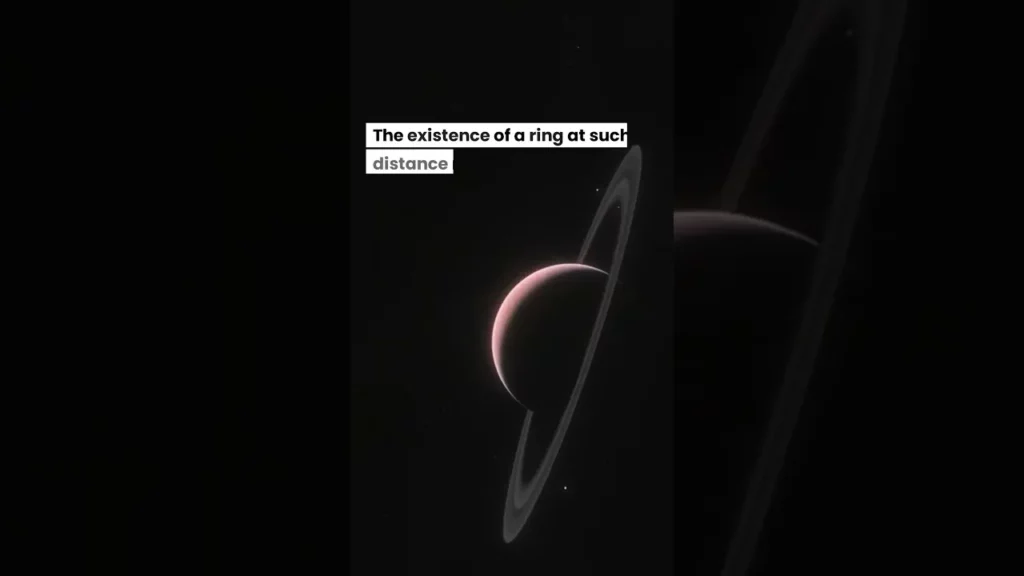
The lesson discusses the intriguing dwarf planet Quaoar, located beyond Neptune, which possesses a mysterious ring of dust and debris that defies current astrophysical theories. This unexpected ring, situated beyond the Roche limit where material typically coalesces into moons, challenges existing understandings of planetary ring formation and dynamics. The discovery prompts astronomers to explore new possibilities in celestial mechanics and enhances our knowledge of the solar system’s evolution.
Brian Greene – Should We Ditch String Theory?

In Brian Greene’s lesson on string theory, he discusses the complexities of unifying quantum physics and general relativity, highlighting the ongoing quest for a Theory of Everything. String theory emerges as a leading candidate, proposing that the universe is composed of tiny, vibrating strings and requires additional hidden dimensions beyond our perception. Despite its elegant mathematical framework, string theory faces challenges in providing testable predictions, prompting debate about its viability as a scientific theory while emphasizing the importance of continued exploration in understanding the universe.
Discovery of White Dwarf Pulsar Sheds Light on How Stars Evolve
Astronomers have discovered a rare white dwarf pulsar located 773 light-years from Earth, notable for its rapid rotation and strong emissions, spinning 300 times faster than Earth. This pulsar’s activity is driven by powerful magnetic fields generated by dynamos within its core, providing crucial insights into stellar evolution and the processes occurring in the later stages of a star’s life. The discovery not only enhances our understanding of how stars evolve but also opens new avenues for future research into similar celestial objects and their magnetic field dynamics.
Bizarre Object Hotter Than The Sun is Orbiting a Distant Star
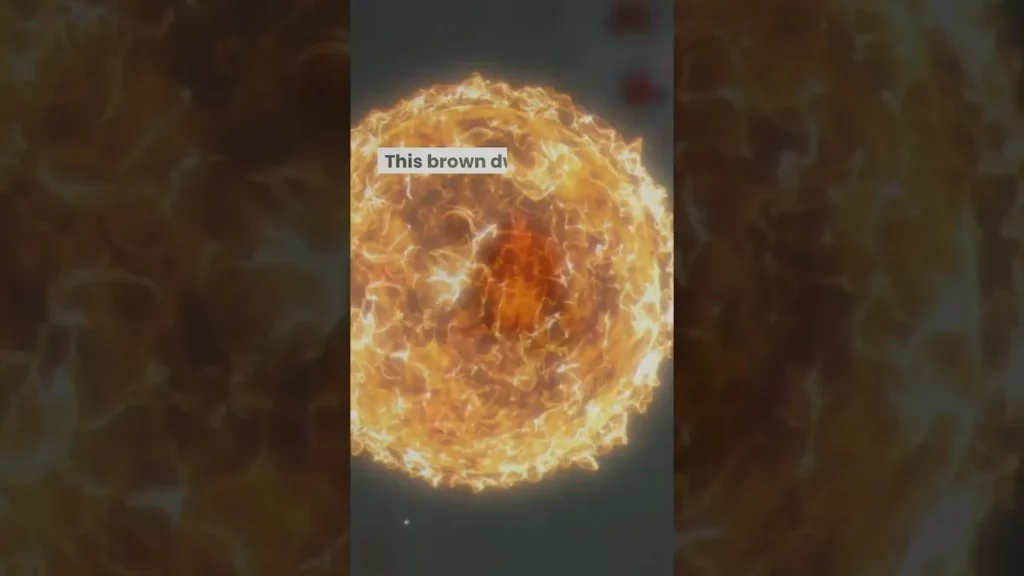
The lesson explores the intriguing nature of a brown dwarf located 1,400 light-years from Earth, which is hotter than the Sun at 13,900 degrees Fahrenheit. This unique object orbits an ultra-hot white dwarf star in just 2.3 hours, remaining tidally locked, with one side facing the star and experiencing extreme heat. Studying brown dwarfs is essential for scientists as it provides insights into stellar life cycles and the complex dynamics of celestial bodies in the universe.
Solar Maximum Could Hit us Harder & Sooner Than We Thought
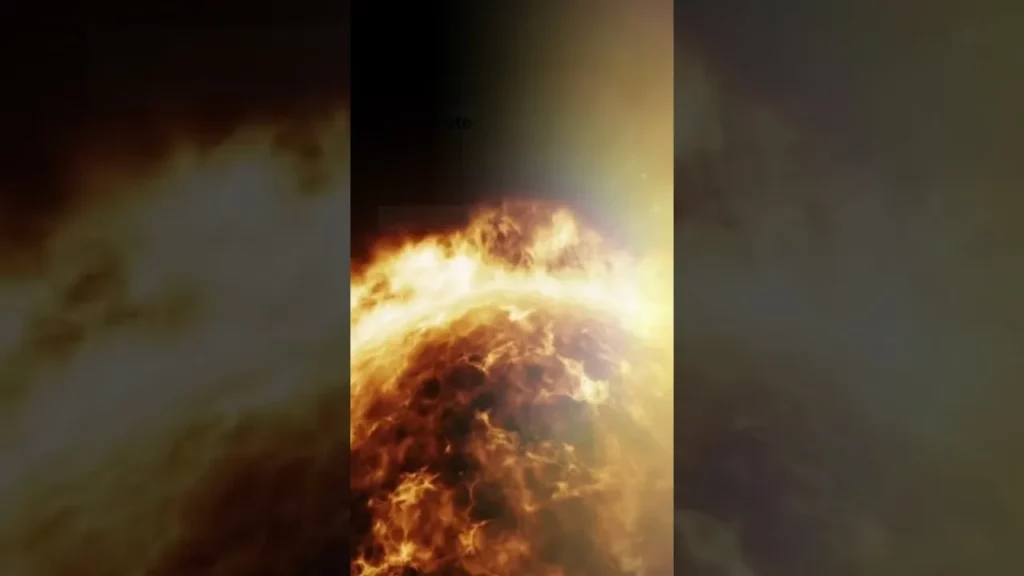
The lesson on “Solar Maximum: What It Means and Why It Matters” explains the solar cycle, a natural 11-year process during which the sun’s magnetic field becomes highly active, leading to solar maximum, characterized by increased solar flares and storms. The current cycle may peak sooner and with greater intensity than previously anticipated, which could disrupt communication, damage power grids, and affect satellites on Earth. Understanding and predicting these solar activities is crucial for mitigating potential impacts on technology and infrastructure.
JWST Has Bad News For Life on TRAPPIST-1 Exoplanet
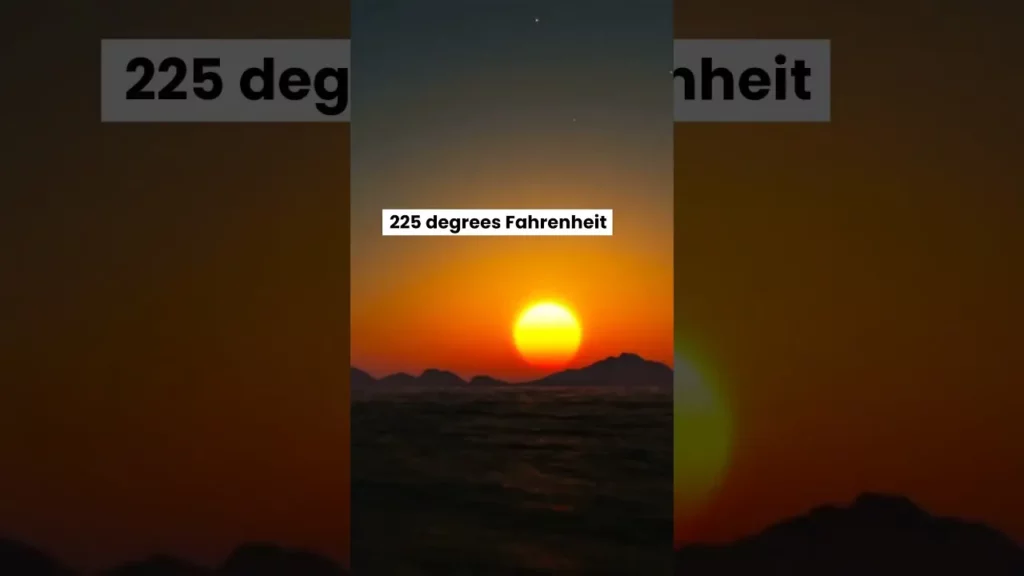
NASA’s James Webb Space Telescope (JWST) has revealed that TRAPPIST-1c, a rocky exoplanet located 40 light-years away, likely has a very thin or nonexistent atmosphere, which is crucial for supporting life. Despite initial assumptions of a thick carbon dioxide atmosphere, the findings indicate that the planet’s surface temperature reaches about 225 degrees Fahrenheit, making it the coolest rocky planet studied so far. This research enhances our understanding of exoplanets and their potential habitability, paving the way for future explorations in the search for life beyond Earth.
The Oldest Star in The Universe
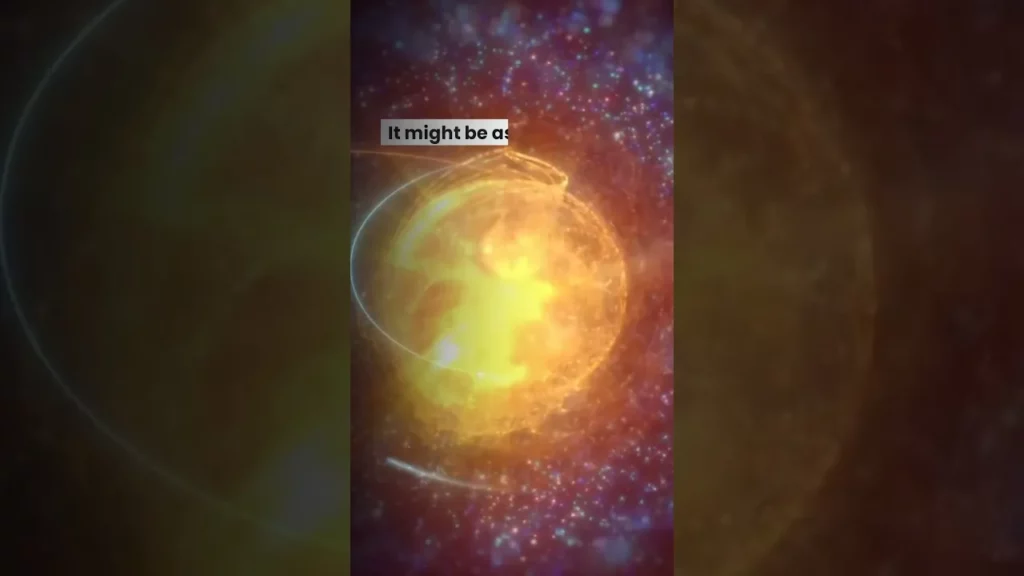
The Methuselah star, or HD 140283, is considered the oldest star in the universe, with an estimated age of around 14.4 billion years, which intriguingly exceeds the estimated age of the universe itself at 13.8 billion years. This discrepancy arises from the complexities involved in measuring stellar ages, leading to a margin of error that suggests the star could be younger. Despite the age puzzle, the Methuselah star provides valuable insights into the early universe and the evolution of stars, contributing to ongoing discussions about cosmic history and theories like the Big Bang.
The Paradox of JWST & Ancient Galaxies
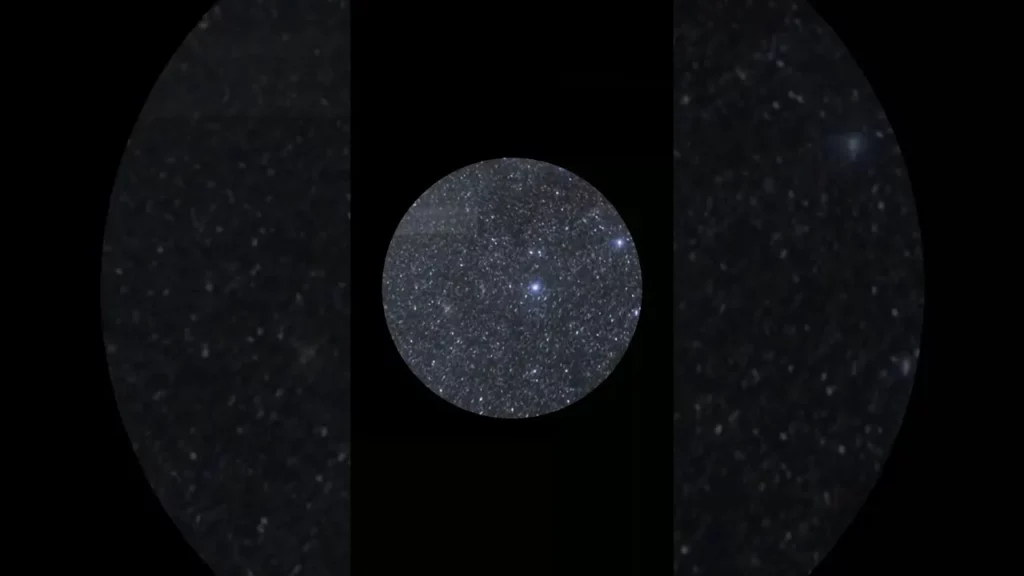
The James Webb Space Telescope (JWST) has made groundbreaking discoveries by identifying six unexpectedly large and bright galaxies that existed just 500 to 800 million years after the Big Bang, challenging existing models of cosmic evolution. One galaxy, containing over 100 billion stars, raises questions about how such massive structures could form so quickly, suggesting that our understanding of the universe’s development may need significant revisions. Ongoing analysis of JWST data reveals inconsistencies that highlight the complexity of the universe, prompting scientists to explore new processes or elements that could explain these early galaxies and potentially reshape our cosmological models.
Oppenheimer & The Existential Risk of Nuclear Armageddon

The lesson explores the profound impact of J. Robert Oppenheimer and the creation of the atomic bomb during World War II, highlighting the ethical dilemmas and existential risks associated with nuclear weapons. It emphasizes the dual nature of nuclear power as both a deterrent against conflict and a potential catalyst for catastrophic destruction, urging a responsible approach to its use in today’s geopolitical landscape. Ultimately, the lesson calls for a recognition of the fragility of life and the importance of stewardship in the face of such immense power.
Neil Tyson – How We Know Black Holes Exist?
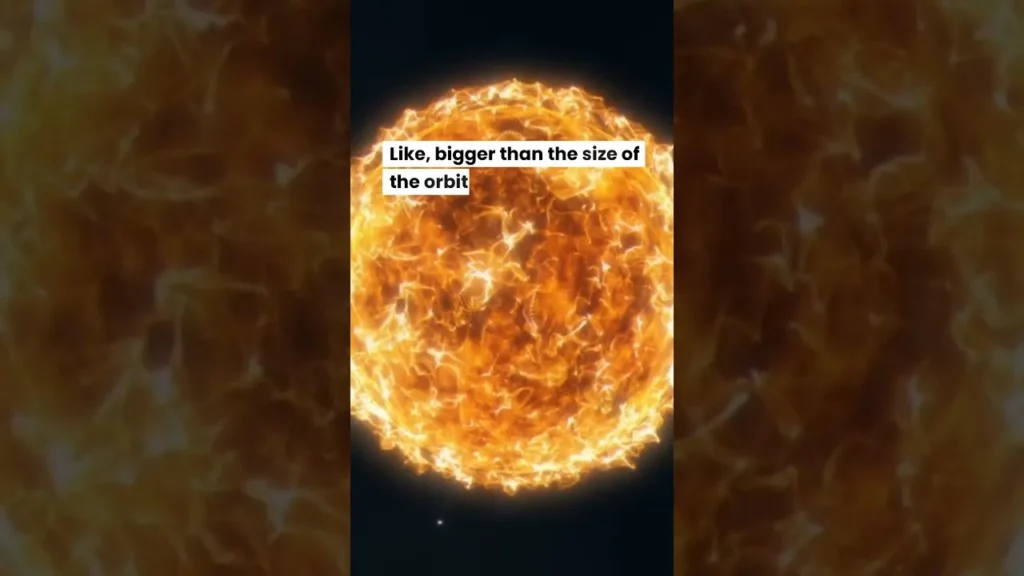
In this lesson, Neil Tyson explains how scientists deduce the existence of black holes by observing the movement of stars around a dark region at the center of our galaxy. By applying Kepler’s and Newton’s laws of motion, researchers conclude that the mass in this area is both immense and compact, characteristics that align with the definition of a supermassive black hole. The evidence supporting this theory includes the darkness of the region, its significant mass, and its concentrated nature, enhancing our understanding of the universe.