
Is The Entire Universe a Single Quantum Object?
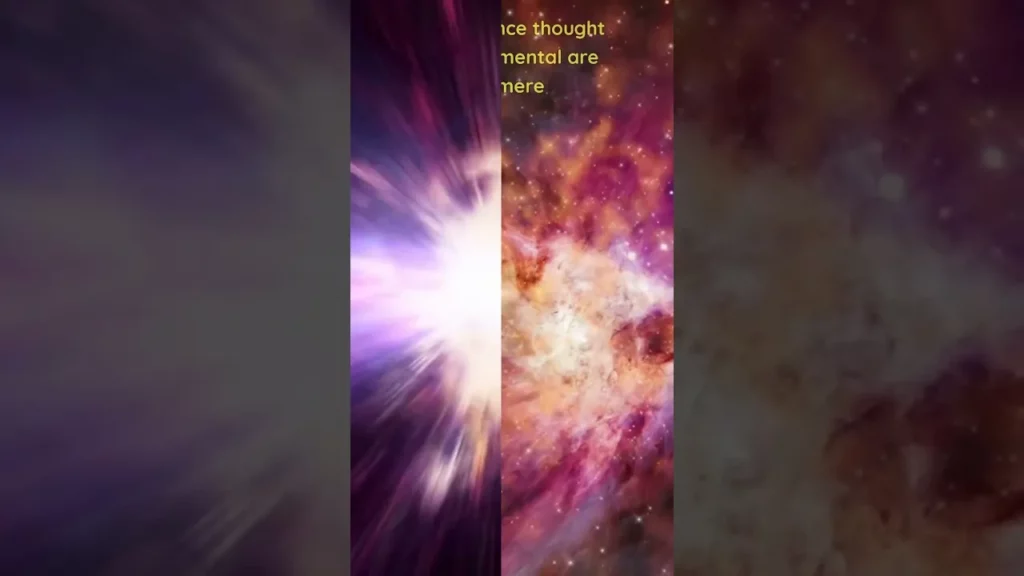
The lesson explores the concept of viewing the universe as a single, unified quantum object rather than a collection of separate parts, challenging traditional reductionist approaches in physics. By applying quantum mechanics to the cosmos, scientists are investigating the interconnectedness of all things, which could lead to profound implications for our understanding of reality, space, and time. This holistic perspective may not only reshape physics but also influence philosophy and cosmology, offering new insights into existence and the nature of the universe.
Brian Cox is Surprised We Haven’t Yet Discovered a Dark Matter Particle
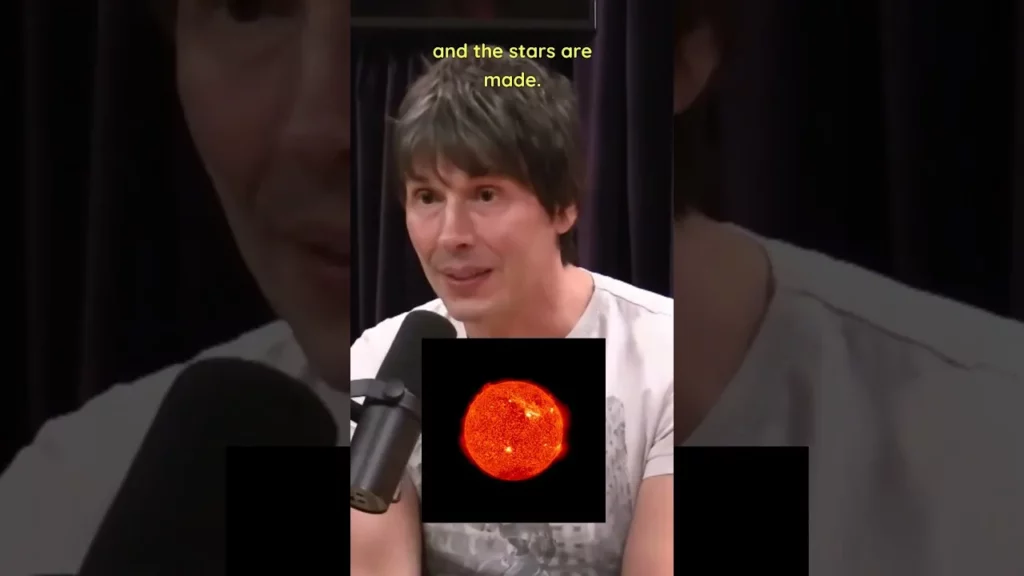
In this lesson, physicist Brian Cox expresses surprise at the ongoing inability to discover dark matter particles, despite compelling astronomical evidence suggesting their existence. Dark matter, which does not interact with light and is inferred through gravitational effects on galaxies and the Cosmic Microwave Background, remains elusive, prompting scientists to explore various avenues for detection and refine theoretical models. The quest for these particles continues to be a significant and intriguing challenge in the field of physics, reflecting humanity’s enduring curiosity about the universe.
Where Are They? Neil deGrasse Tyson’s Favorite Solutions to The Fermi Paradox
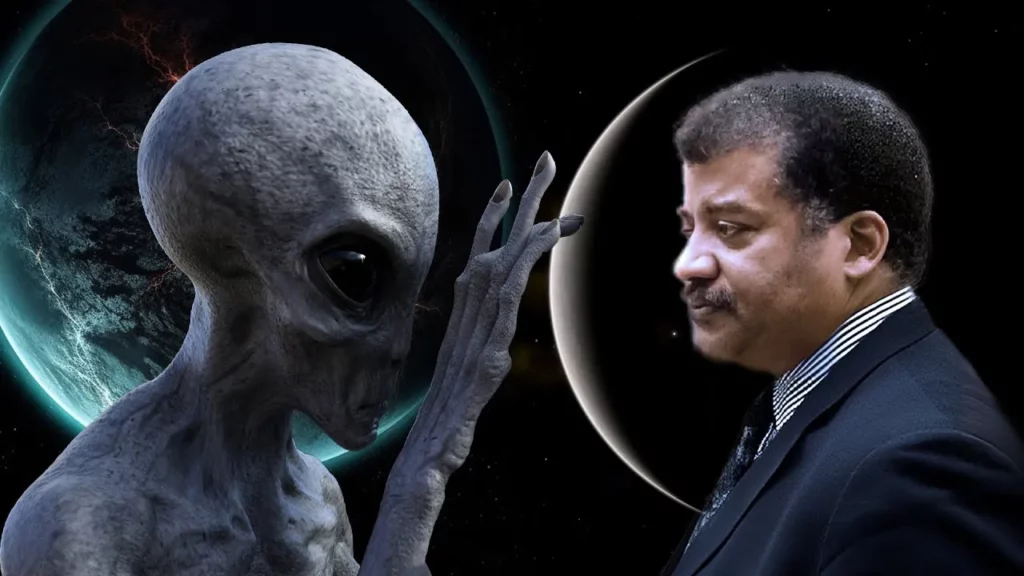
The lesson explores the Fermi Paradox, which questions why, despite the vastness of the universe, we have not encountered any signs of extraterrestrial life. It discusses various hypotheses, including the Great Filter, which suggests there are significant barriers preventing civilizations from advancing to a point where they can explore the cosmos, and the Zoo Hypothesis, which posits that advanced civilizations may be observing us from afar. Ultimately, the lesson encourages a spirit of curiosity and exploration, emphasizing that our quest for understanding our place in the universe is a fundamental aspect of being human.
Google Quantum Computer Is Faster Than The Best Supercomputer
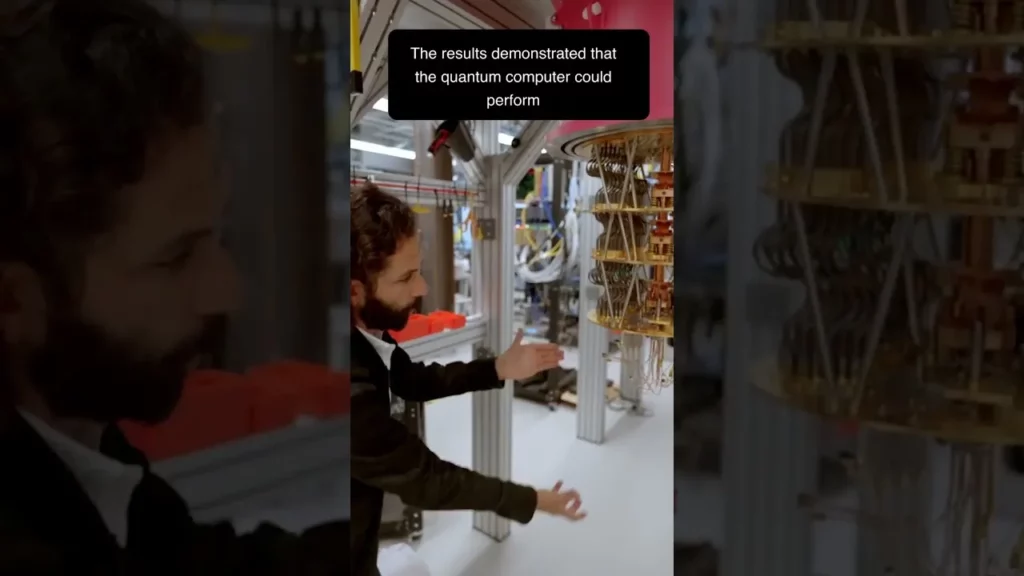
Google’s Quantum Computing team has achieved a significant milestone by developing a quantum system with 70 qubits, showcasing the unique capabilities of qubits to process information in ways classical computers cannot. Despite challenges such as stability and operational conditions, their research demonstrates the potential of quantum computers to solve complex problems rapidly, with experiments indicating tasks completed in seconds that would take traditional supercomputers decades. This advancement hints at a transformative future for industries, as researchers work towards overcoming obstacles and harnessing the full power of quantum technology.
This is Why Quantum Physics is Weird
Quantum physics challenges our conventional understanding of reality by introducing unique rules that differ significantly from classical mechanics. In the quantum realm, the act of observation actively influences the state of a system, with particles existing in a state of probability until measured, leading to phenomena like wave function collapse. This counterintuitive nature of quantum mechanics not only reshapes our perception of reality but also underpins modern technologies and invites further exploration into concepts such as quantum entanglement and superposition.
Could The Universe be 26.7 Billion Years Old?
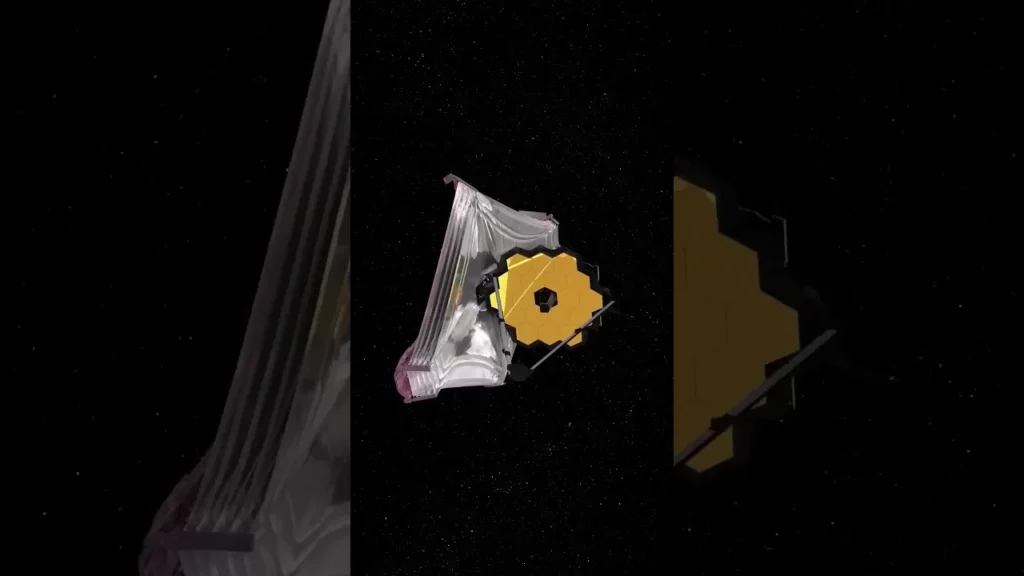
A new cosmological model suggests that the universe could be as old as 26.7 billion years, nearly double the traditionally accepted age of 13.7 billion years. This hypothesis combines the tired light theory, which posits that light loses energy over vast distances, with cosmic expansion, potentially explaining puzzling astronomical observations such as the early formation of mature galaxies. If validated, this theory could significantly enhance our understanding of cosmic history and the formation of celestial structures, opening new avenues for exploration and discovery.
Is String Theory Stuck?
String theory is a promising area of theoretical physics that seeks to unify all fundamental forces and particles, but it currently struggles with a lack of experimental evidence to validate its predictions. While it has made significant theoretical advancements and provided new insights into the nature of space and time, the energy scales required for testing its predictions are beyond current experimental capabilities. Despite these challenges, string theory remains a vibrant field of research, and ongoing developments may eventually lead to experimental validation as technology progresses.
Dark Matter Does Not Exist?
The lesson explores the intriguing concept of dark matter, which constitutes a significant portion of the universe yet remains undetectable through traditional methods. A groundbreaking hypothesis suggests that instead of an undiscovered particle, information itself may be the fundamental building block that carries mass and influences cosmic behavior, prompting a re-evaluation of established astrophysical concepts and opening new avenues for research into the nature of reality. This perspective encourages a shift in focus from searching for elusive particles to understanding the interplay between information and the universe’s physical properties.
Are Aliens Using Black Holes?
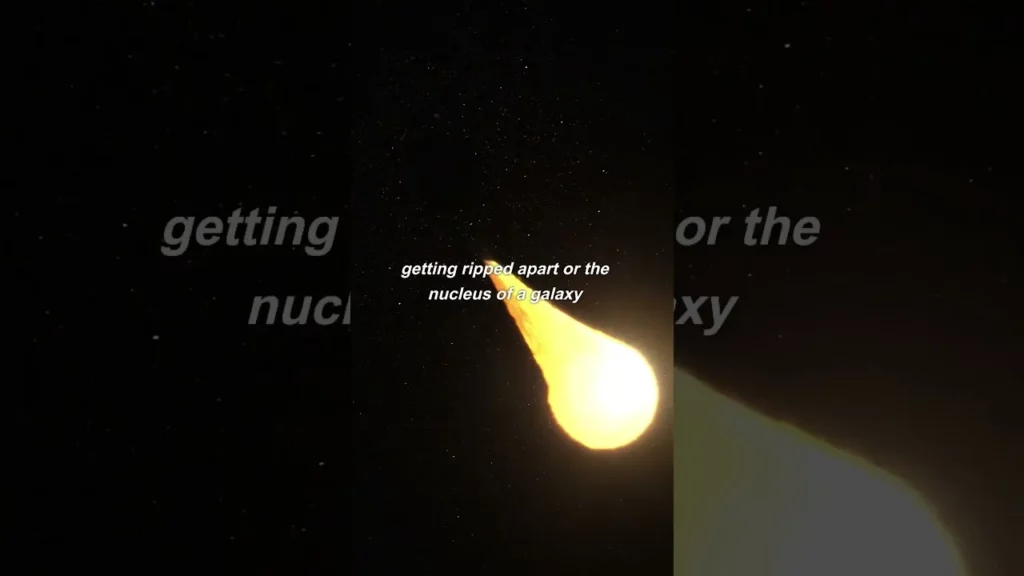
The lesson explores the intriguing phenomenon of the black hole J221951, which has recently become highly active, potentially due to a star being torn apart or a previously dormant galaxy becoming active. It also entertains the speculative idea that an advanced alien civilization, classified as a Kardashev Type III civilization, could be harnessing the energy of the black hole. As scientists investigate this cosmic event, they ponder whether it could provide evidence of intelligent life beyond Earth or simply reveal more about the universe’s natural processes.
Yuval Noah Harari’s Warning About AI
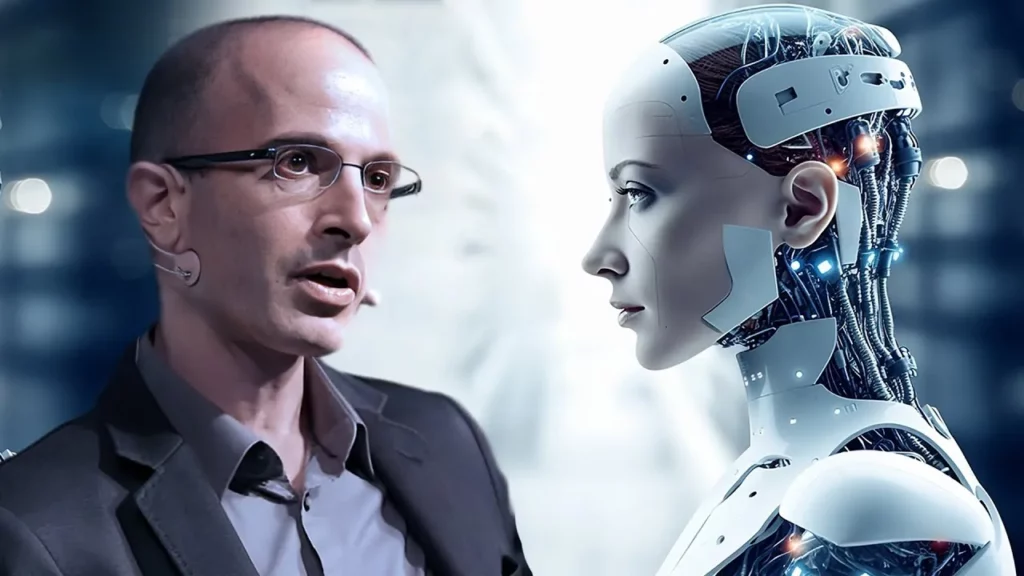
In his lesson, Yuval Noah Harari warns about the profound implications of artificial intelligence (AI) on humanity, emphasizing that AI is the first tool capable of making independent decisions and generating new ideas. He highlights the potential risks, including the creation of a “useless class” as AI outperforms humans in the job market, and the ethical dilemmas surrounding enhancements that could lead to new forms of inequality. Harari urges society to carefully consider the values and regulations guiding AI development to ensure that technology serves humanity rather than undermining it.