
How Long Will Human Civilization Last?
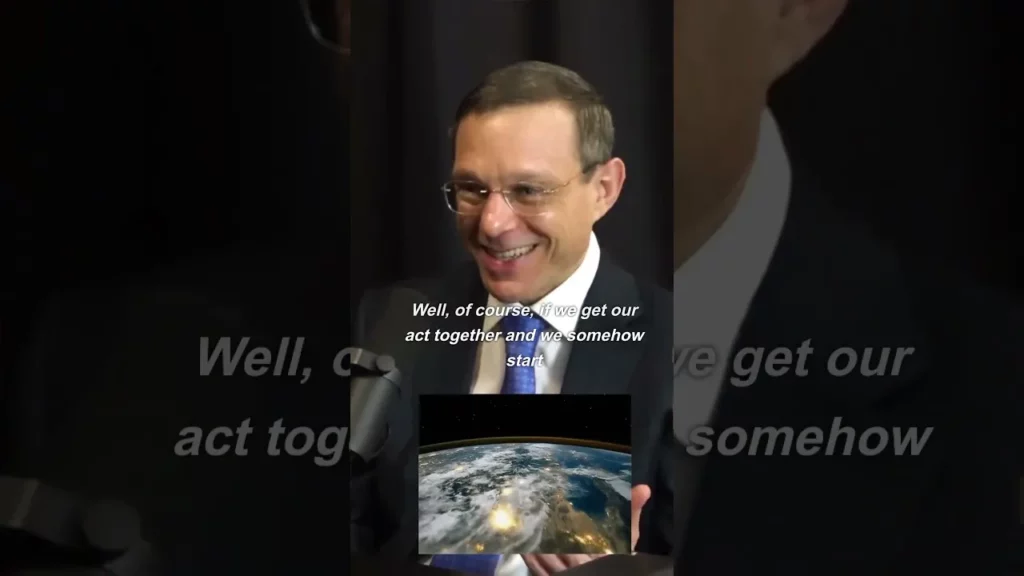
The lesson explores the potential longevity of human civilization through the lens of the Copernican principle, which suggests that our current era is not unique. It emphasizes that our future may be limited to a few hundred years unless we prioritize cooperation and intelligence, learning from our past to make better decisions. Ultimately, while the outlook may seem pessimistic, proactive efforts can help extend the lifespan of civilization.
What is The True Age of The Universe? Neil deGrasse Tyson on The Big Bang
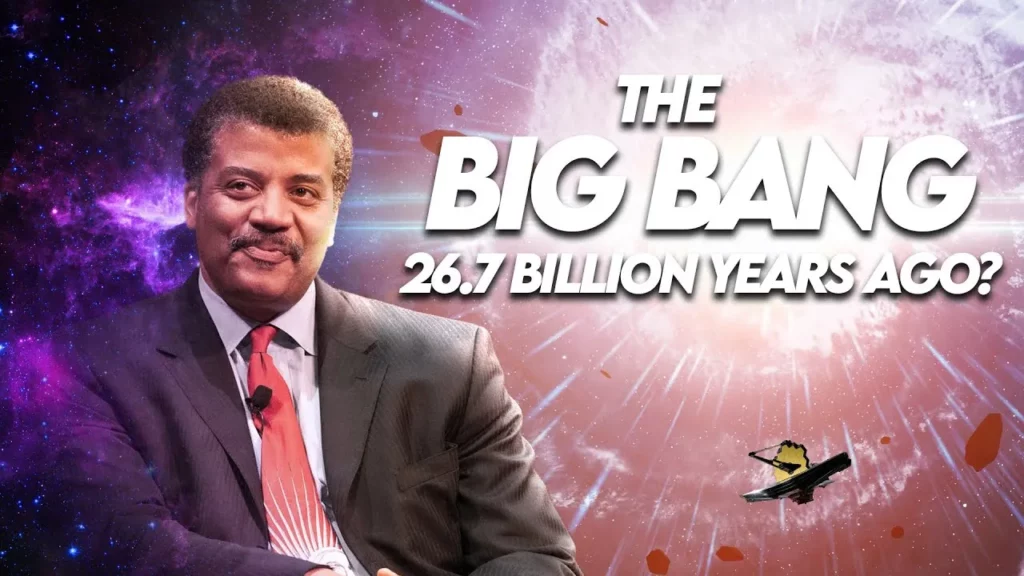
In this lesson, Neil deGrasse Tyson discusses the current understanding of the universe’s age, which is approximately 13.8 billion years, and introduces a controversial new study suggesting it could be as old as 26.7 billion years. He emphasizes the importance of rigorous scientific scrutiny and empirical evidence in validating revolutionary ideas, while also highlighting the evolving nature of cosmological research and the potential insights that could emerge from studying black hole singularities and cosmic inflation. Ultimately, Tyson underscores that while new theories may challenge established beliefs, the scientific community remains committed to exploring and refining our understanding of the universe.
Solar Maximum 2023: How Will It Impact Our Tech?
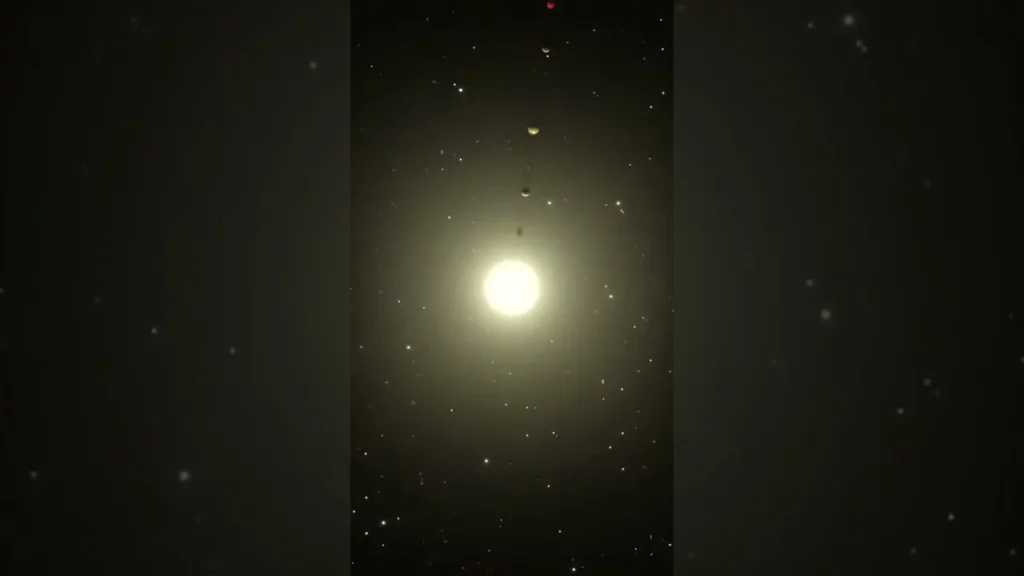
The lesson on Solar Maximum 2023 explains how the sun’s heightened activity during this phase can significantly impact our technology on Earth. Increased solar flares and coronal mass ejections can disrupt power systems, satellite communications, and radio signals, leading to potential outages and interference. Understanding these solar events is crucial for scientists to predict and mitigate disruptions, highlighting the interconnectedness of our technology with solar phenomena.
Alien Life & The Silurian Hypothesis
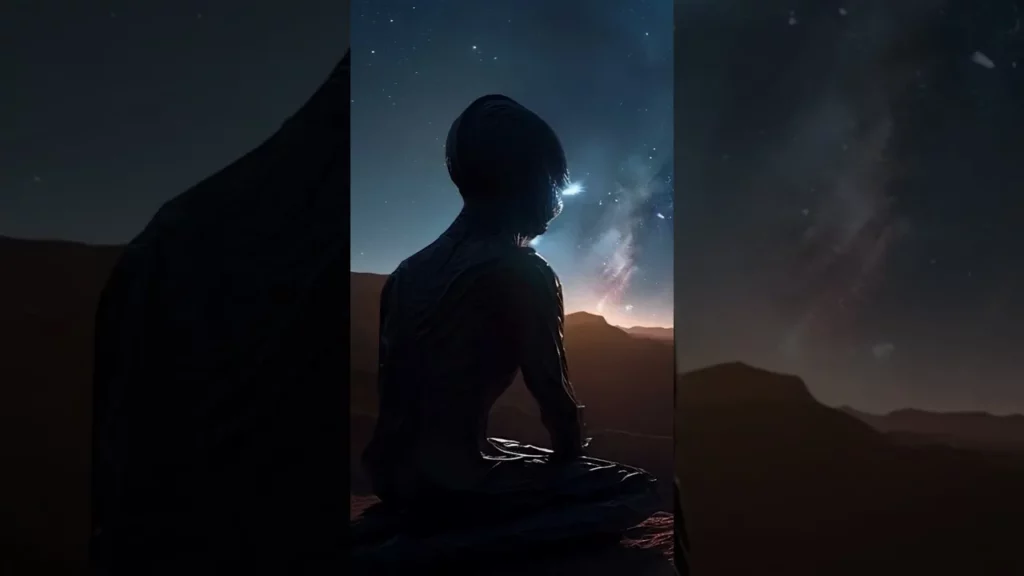
The Silurian Hypothesis explores the intriguing possibility of advanced civilizations existing on Earth millions of years ago, despite leaving minimal evidence. This thought experiment encourages scientists to identify subtle clues, such as atmospheric changes or sedimentary particles, that could indicate past industrial activity, thereby enhancing our understanding of astrobiology and Earth’s ancient history. Ultimately, it serves as a creative framework for investigating the potential for life and intelligence both on our planet and beyond.
Brian Cox Explains The Notion of Absolute Space
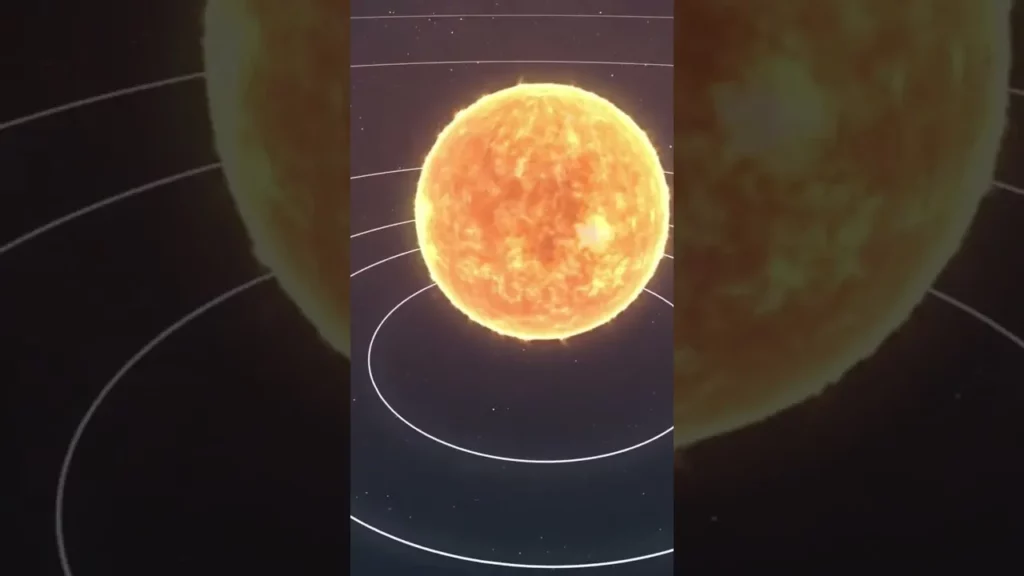
In this lesson, Brian Cox explores the evolution of our understanding of space, beginning with the ancient Greek belief that Earth was the center of the universe, based on the perception of stillness. He highlights how Einstein’s revolutionary ideas challenged the notion of “absolute space,” revealing that space and time are flexible and relative, fundamentally altering our comprehension of the cosmos. Ultimately, the lesson emphasizes the complexity of the universe and our dynamic place within it, moving beyond the simplistic views of the past.
Is String Theory Dead? Michio Kaku on String Theory & Quantum Physics
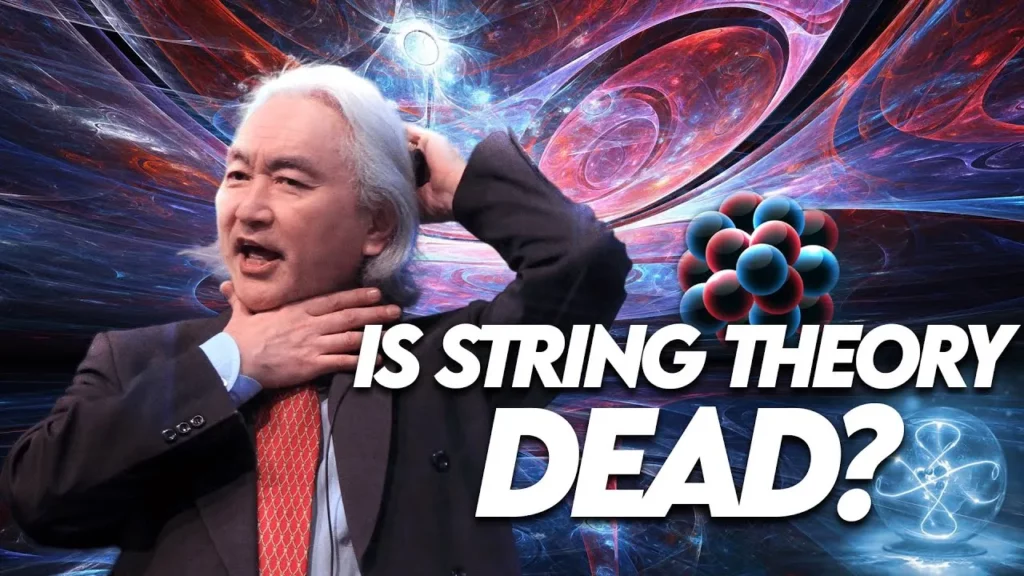
In the lesson, Michio Kaku discusses the significance of String Theory as a potential unifying framework for quantum physics and general relativity, which have traditionally explained the behavior of particles and the universe, respectively. He reflects on the challenges and criticisms faced by String Theory, emphasizing its complexity and the lack of empirical evidence, while also highlighting its contributions to modern physics, such as inspiring new mathematical techniques and insights into black hole physics. Ultimately, Kaku presents String Theory as an unfinished exploration that may hold the key to understanding the universe’s deepest secrets.
Can We Breathe on Mars? NASA’s New Method For Transforming the Red Planet
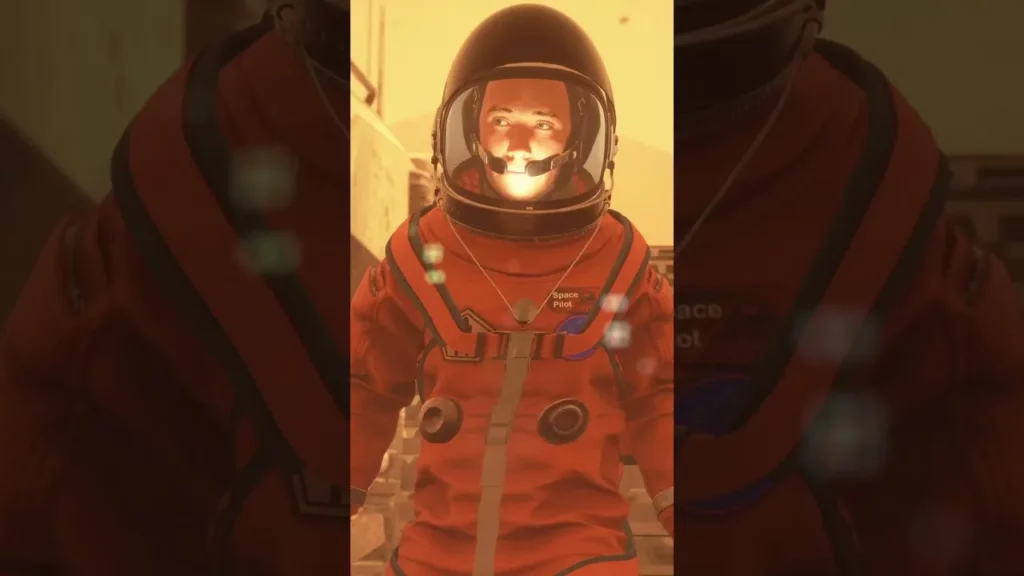
NASA’s recent breakthrough with the MOXIE device, part of the Perseverance Rover, has successfully converted carbon dioxide from Mars’ atmosphere into oxygen, marking a significant step toward making human exploration of the Red Planet feasible. This innovation not only offers the potential for astronauts to breathe Martian-made air but also provides a source of oxygen that could be used as rocket fuel for their return journey to Earth. As research continues, the prospect of humans living and working on Mars becomes increasingly realistic.
Time Slowed Down in The Early Universe? Discovering The Cosmic Slow Motion Mystery
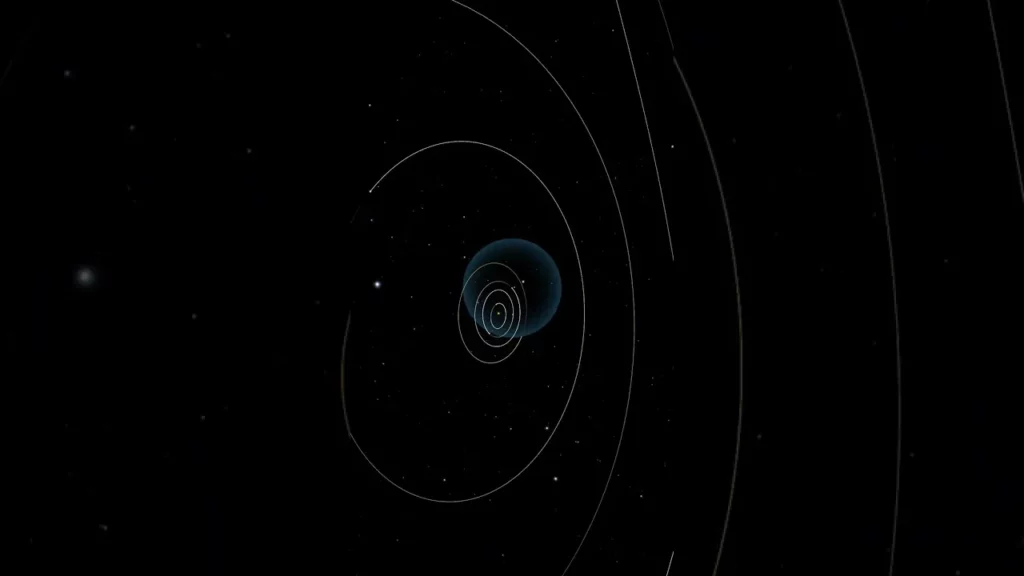
Scientists have discovered that time in the early universe operated like a slow-motion movie, a phenomenon known as cosmological time dilation, due to the ongoing expansion of the universe since the Big Bang. By studying ancient quasars, which formed shortly after the Big Bang, researchers found that these objects appeared to move five times slower than modern quasars, revealing that time itself has changed as the universe evolved. This insight not only enhances our understanding of cosmic history but also emphasizes the importance of scientific exploration in uncovering the mysteries of the universe.
Creating a Wormhole in a Lab? The Quantum Leap Towards Instant Space Travel!
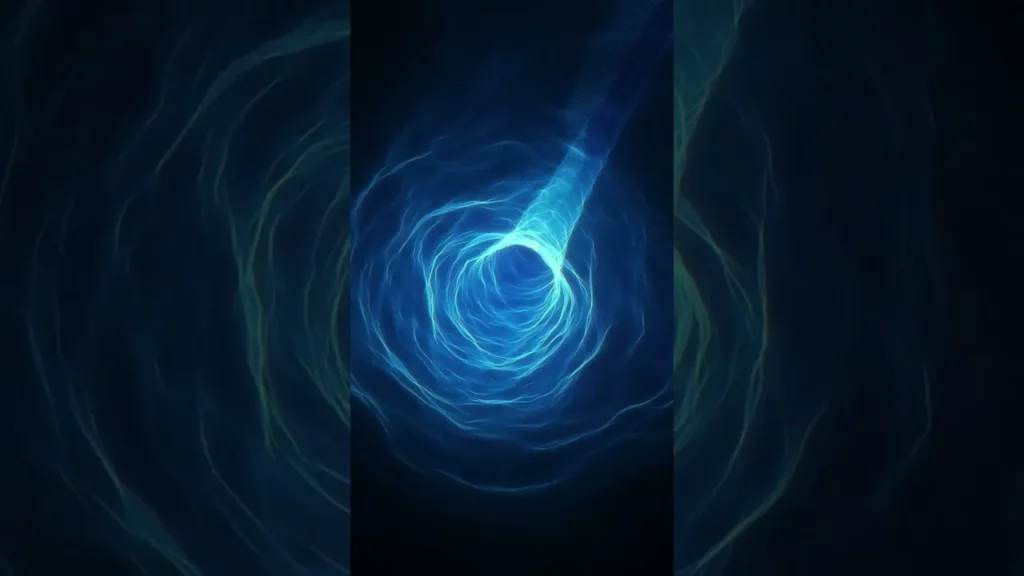
The lesson discusses the groundbreaking concept of counterportation, which involves the potential to transport objects across space without physical movement, utilizing quantum entanglement. Researchers at the University of Bristol are exploring the feasibility of creating a wormhole in a lab, a concept that could revolutionize space travel despite the significant challenges posed by the current limitations of quantum computing. This research represents a significant step towards making instant space travel a reality, pushing the boundaries of our understanding of physics and technology.
Brian Cox – Alien Life & The Great Filter Hypothesis
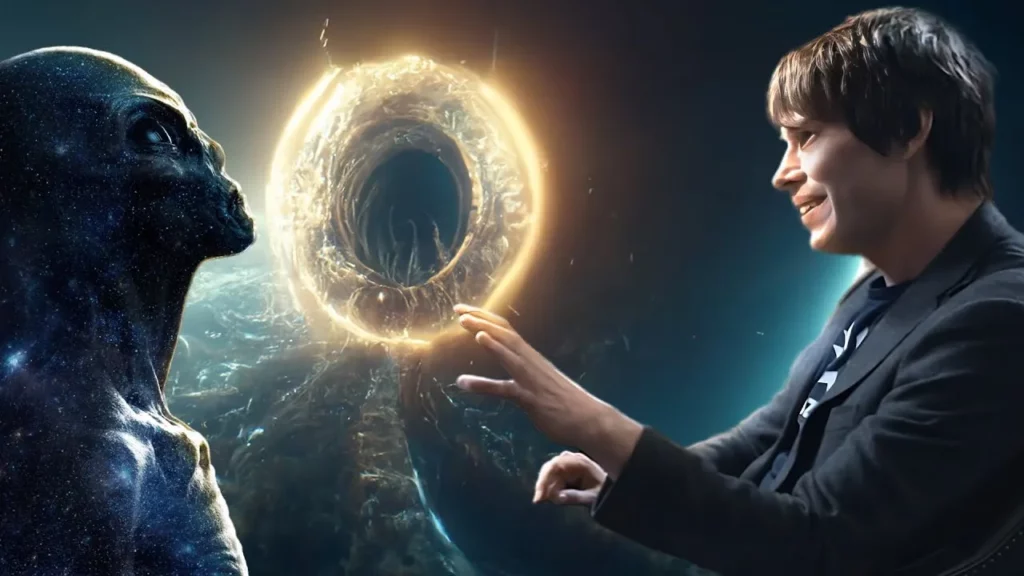
In this lesson, Brian Cox explores the mystery of why, despite the vastness of the universe and the potential for life, we have yet to encounter other civilizations, a conundrum known as the Fermi Paradox. He introduces the Great Filter Hypothesis, which suggests that there may be significant barriers preventing civilizations from advancing to a detectable stage, prompting reflections on our own existence and responsibilities as a potentially unique intelligent species in the galaxy. Ultimately, the lesson encourages contemplation of our place in the cosmos and the future of life on Earth.