
James Webb Space Telescope Reveals Stunning Detail of The Ring Nebula #universe #science #jwst
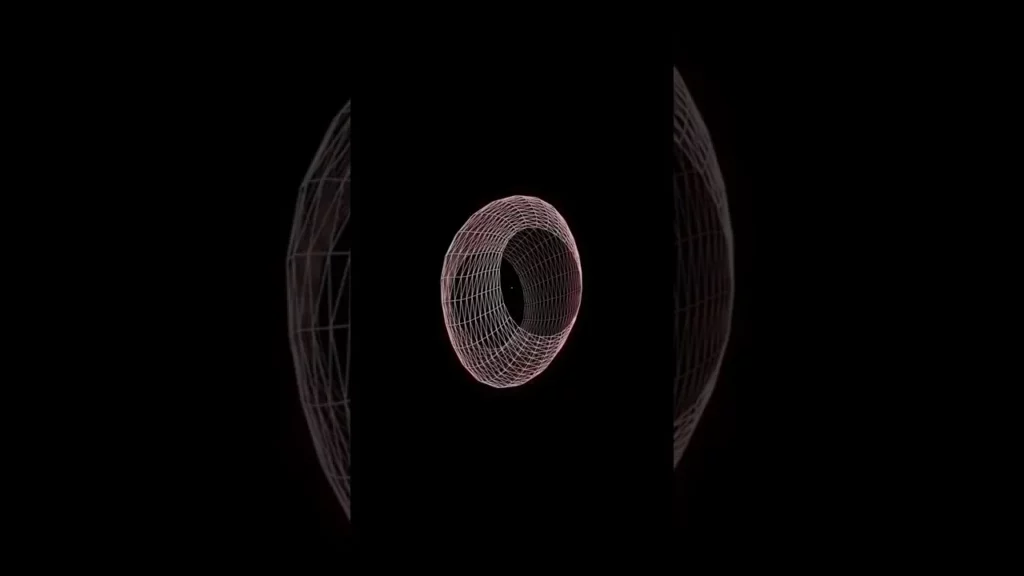
The James Webb Space Telescope (JWST) has provided an unprecedented view of the Ring Nebula, revealing its intricate structure and the dense clumps of molecular hydrogen gas that compose it. This advanced telescope enhances our understanding of stellar life cycles and the processes involved in star formation, highlighting the complexity and beauty of the universe. The discoveries made by the JWST not only deepen our knowledge of cosmic phenomena but also inspire ongoing exploration of the cosmos.
Supermassive Black Hole Devours Star #blackhole #science #space
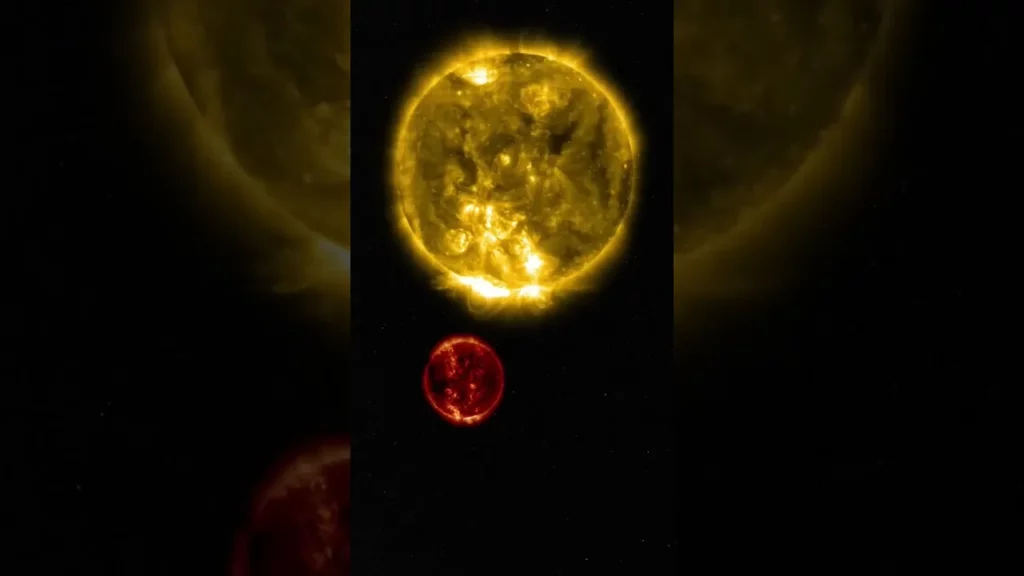
The lesson discusses the dramatic event of a supermassive black hole consuming a star three times the size of our sun, a process known as tidal disruption. This phenomenon allows scientists to study the star’s remnants, revealing important information about its mass and composition, and highlights the significance of using X-ray telescopes to observe such cosmic events. Understanding these interactions enhances our knowledge of massive stars and contributes to our broader comprehension of galaxy formation and the universe’s evolution.
The Dawn of Superintelligence – Nick Bostrom on ASI

The lesson discusses the potential evolution of artificial intelligence from artificial general intelligence (AGI) to artificial superintelligence (ASI), emphasizing the vast intelligence gap that could emerge between humans and superintelligent AI. It highlights the importance of aligning AI’s goals with human values to prevent potential risks, as superintelligent AI could possess capabilities far beyond human comprehension and control. Ultimately, the lesson underscores the necessity of preparing for this transformative era to ensure that AI benefits humanity rather than poses a threat.
New Research on Super Massive Black Hole Collisions #science #blackhole #universe
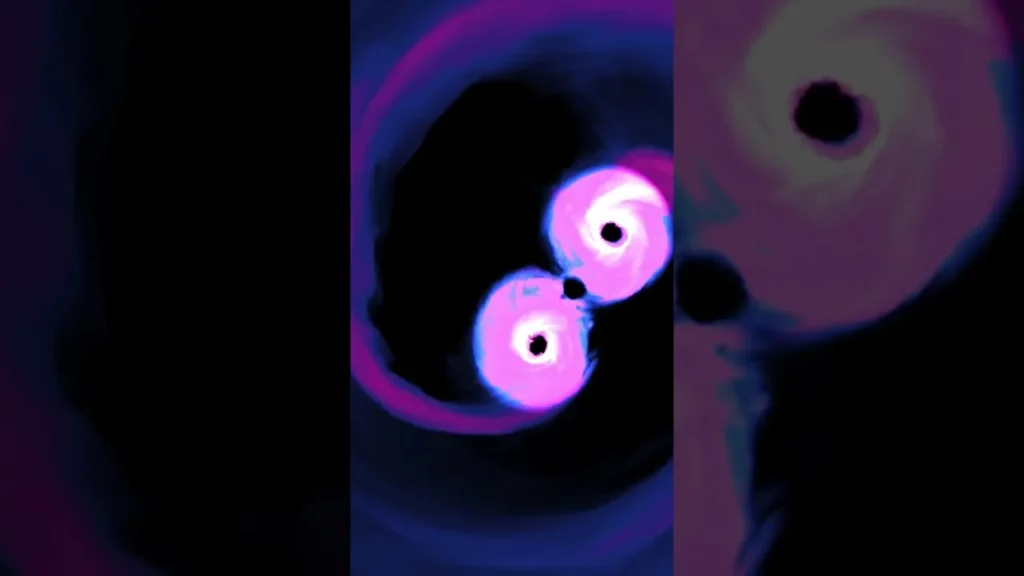
Recent research has revealed that supermassive black holes can reach speeds of up to 10 percent of the speed of light during collisions, challenging previous assumptions about their orbital paths, which were thought to be nearly circular but are actually elliptical. Utilizing supercomputers to simulate these interactions based on Einstein’s general relativity, scientists are gaining new insights into the dynamics of black hole collisions, which could lead to advancements in our understanding of fundamental physics and the nature of the universe. This ongoing exploration not only deepens our knowledge of black holes but also contributes to a broader comprehension of cosmic phenomena.
Picojets on The Sun? #science #sun #space
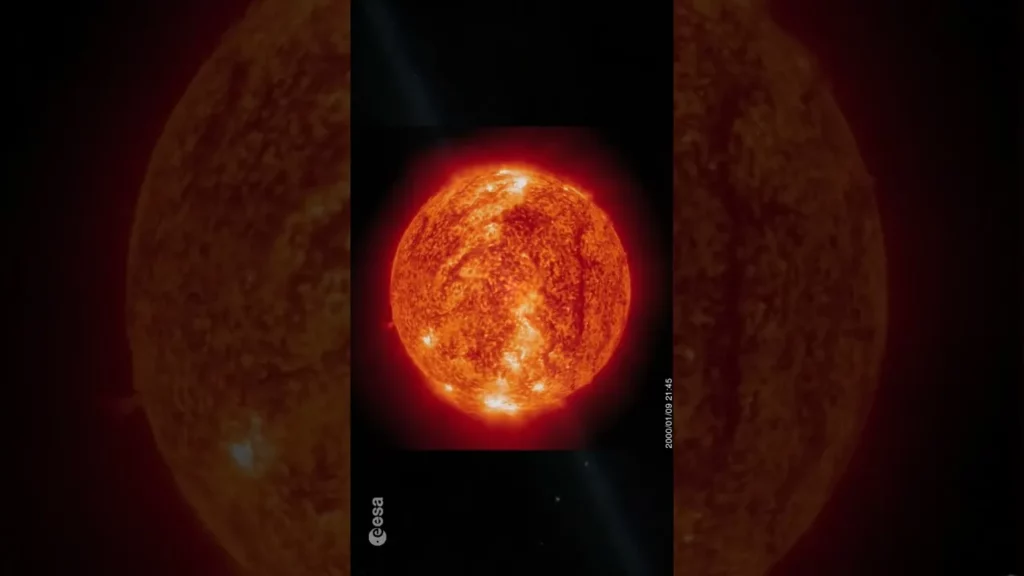
The European Space Agency’s Solar Orbiter has discovered Pico Jets on the Sun, which are small yet powerful energy bursts that may be a key source of the solar wind. Each Pico Jet releases energy equivalent to what 10,000 UK households use in a year, and their frequent occurrence in the Sun’s corona, particularly in cooler coronal holes, suggests they play a vital role in solar activity and understanding solar weather’s impact on Earth. This discovery enhances our knowledge of the Sun’s dynamics and could improve predictions of solar weather events affecting technology on our planet.
This is Why Everyone Wants to Visit The Moon’s South Pole #science #moon #nasa
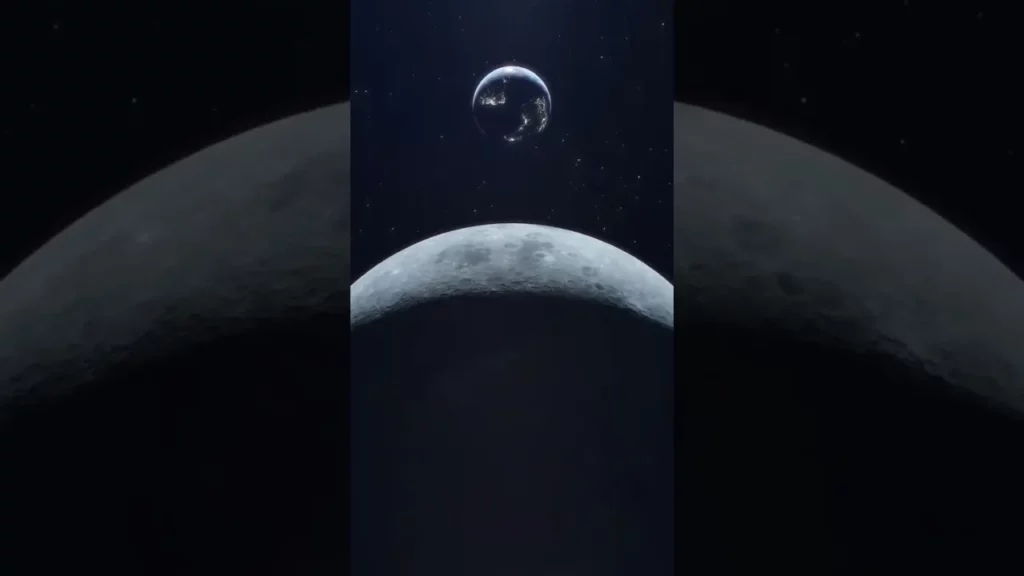
The Moon’s South Pole is a focal point for space exploration due to its potential reserves of water ice, which can be converted into rocket fuel and support future missions. Various countries, including NASA and India, are actively pursuing missions to study this region, despite the challenges posed by its rugged terrain. Exploring the South Pole not only promises practical benefits for space travel but also offers insights into the Moon’s geological history, paving the way for deeper exploration of our solar system.
Why Everyone Wants to go to The Moon’s South Pole – Neil deGrasse Tyson on Chandraian III & More
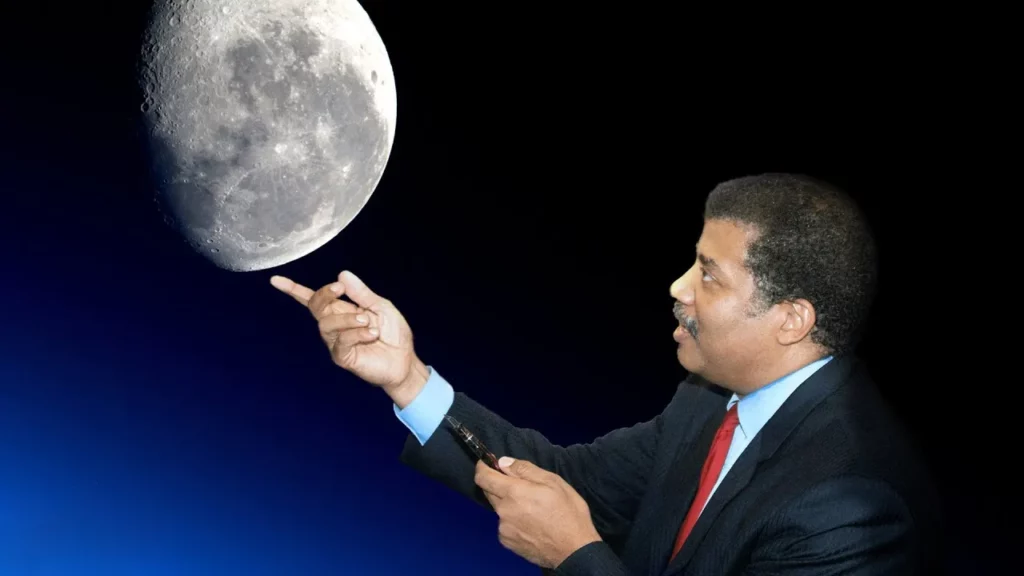
The lesson highlights the significance of the Moon’s South Pole as a focal point for scientific exploration and resource discovery, particularly due to its potential water ice and unique geological features. India’s recent success with the Chandrayaan III mission has reignited interest in lunar studies, particularly regarding the Moon’s origins and its role in understanding Earth’s history. Despite the challenges of lunar exploration, the collaboration among international space agencies and advancements in technology promise exciting opportunities for future discoveries that could reshape our understanding of the universe.
The Downfall of New Horizons is a Budget Cut? #science #newhorizons #nasa
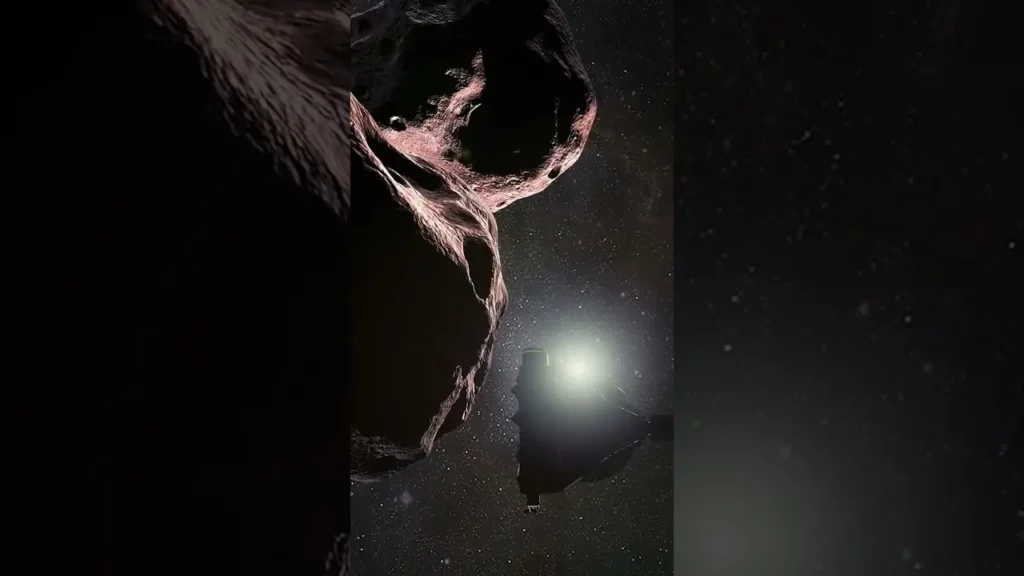
The lesson discusses the New Horizons mission, which has significantly advanced our understanding of the solar system since its launch in 2006, particularly through its exploration of Pluto and the Kuiper Belt. However, the mission now faces potential budget cuts from NASA, raising concerns about the loss of valuable scientific data and insights into the origins of our solar system. The lesson emphasizes the importance of continued funding for New Horizons to maximize the investment already made and inspire future generations of explorers.
The Ancient Oceans of Mars #science #mars #terraformingmars
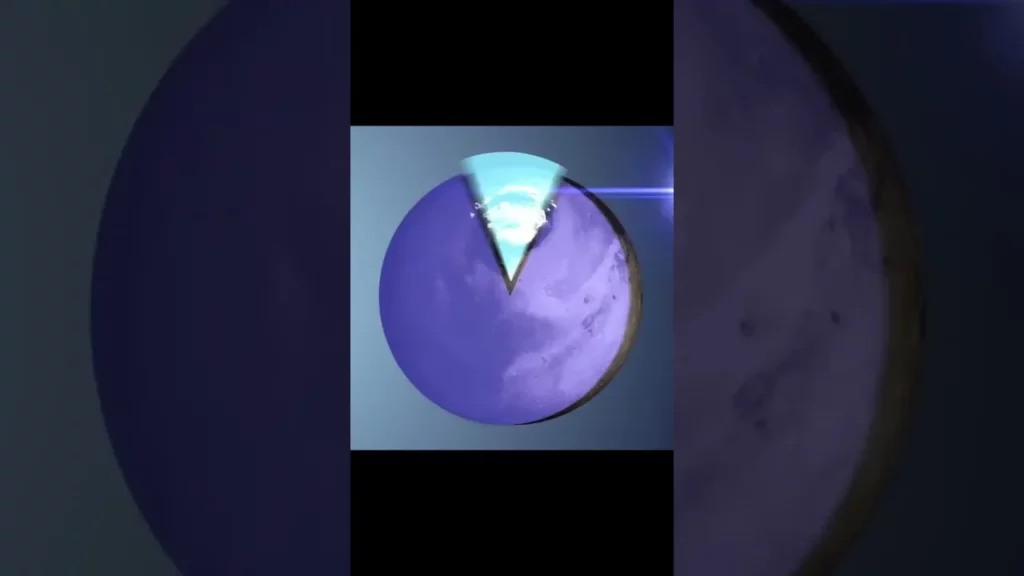
The lesson explores the intriguing history of Mars, revealing that it once had vast oceans and was shaped significantly by the eruptions of Olympus Mons, the largest volcano in the solar system. The interaction between hot lava and cold ocean water led to dramatic landslides, leaving lasting marks on the Martian landscape. These findings raise questions about Mars’s potential similarities to Earth and the possibility of past life, encouraging ongoing exploration and curiosity about our neighboring planet.
JWST Findings About Black Holes #blackhole #jwst #jameswebbspacetelescope
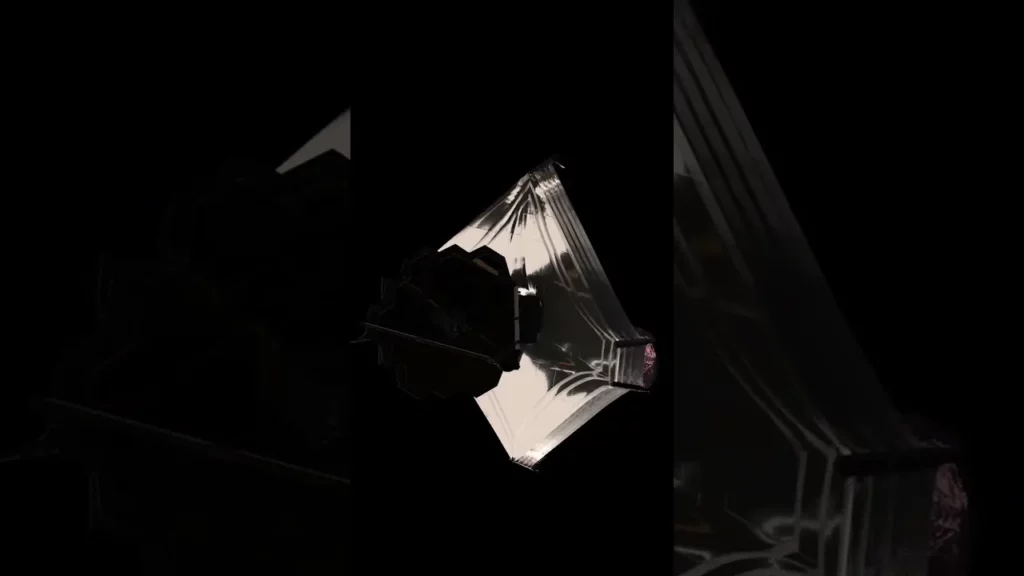
The James Webb Space Telescope (JWST) has revealed that supermassive black holes at the centers of galaxies can inhibit the formation of new stars, significantly influencing the growth and evolution of galaxies. This discovery underscores the importance of space exploration, as it enhances our understanding of the universe and the fundamental forces that shape it, while also inspiring future generations to delve deeper into cosmic mysteries.