
The Big Mysteries of Quantum Physics – Brian Greene On Quantum Entanglement & More
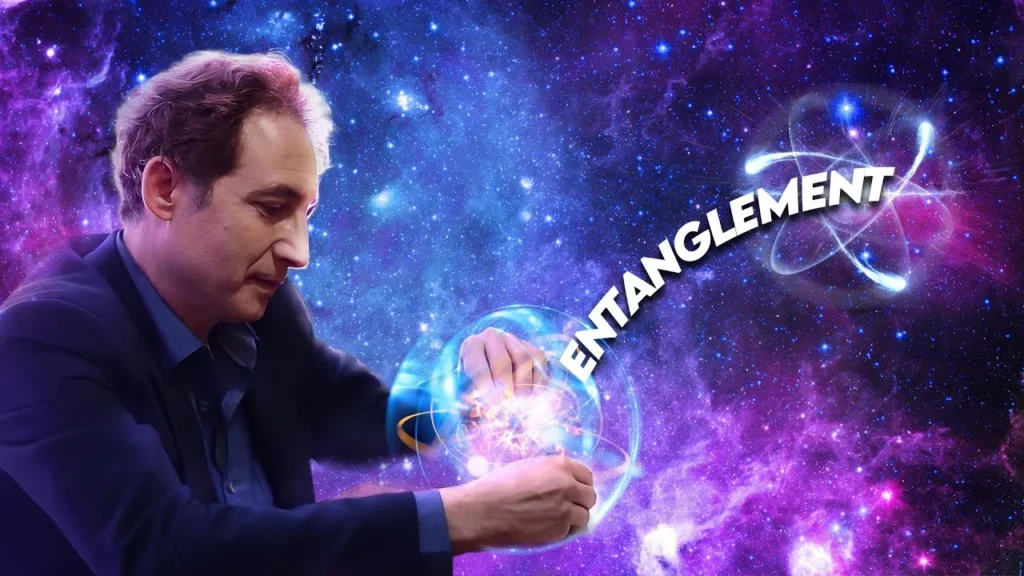
The lesson explores the evolution of our understanding of the universe, transitioning from classical physics to the complex and often counterintuitive realm of quantum mechanics. Key concepts such as quantum entanglement and superposition challenge our traditional perceptions of reality, highlighting the peculiar behaviors of particles that defy everyday experiences. Ultimately, the lesson raises profound questions about the nature of existence and the mysteries that still elude our comprehension, inviting us to celebrate the remarkable journey of scientific discovery.
Why is The Sky Blue? Neil Tyson Answers #neildegrassetyson #science #solarscience
The lesson explains why the sky appears blue, highlighting the role of sunlight and the scattering of light in Earth’s atmosphere. Sunlight, which contains all colors, scatters more blue light due to its shorter wavelengths, making the sky predominantly blue during the day. Additionally, the lesson contrasts this with the moon, where the lack of atmosphere results in dark shadows and a different sky appearance.
NASA Viper Moon Rover Practicing Landing #nasa #science #artemis
NASA’s Viper moon rover is set to launch in 2024 aboard a SpaceX Falcon Heavy rocket to explore the moon’s South Pole, focusing on the search for water ice, which is vital for future human missions. Recently, Viper practiced essential maneuvers to prepare for the challenging lunar conditions it will encounter. This mission not only aims to support NASA’s Artemis program by gathering crucial data for astronaut safety but also enhances our understanding of the moon’s surface and environment, paving the way for future exploration.
Neil Tyson on JWST Finding Exoplanets #jwst #neildegrassetyson #universe
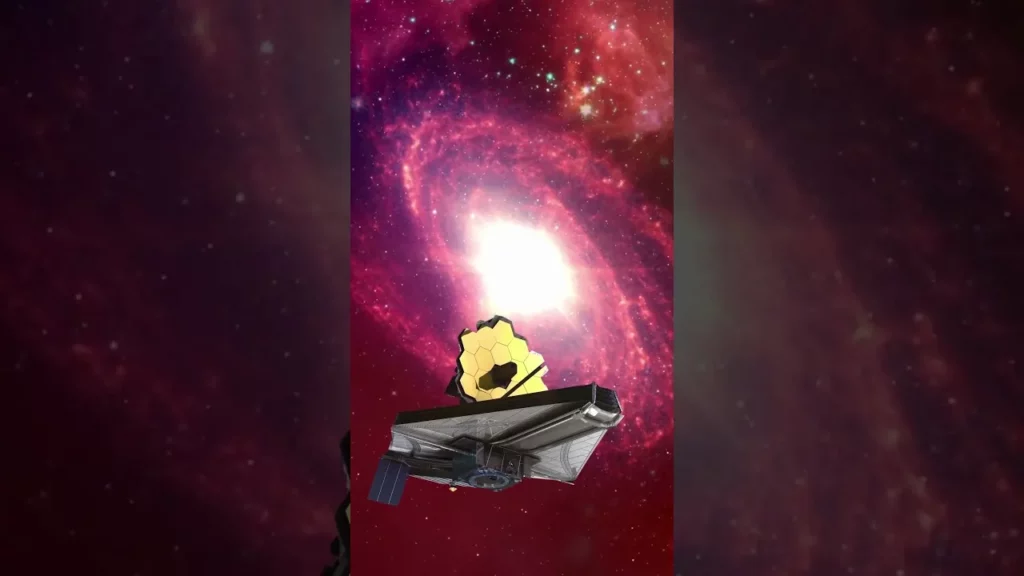
The lesson highlights the role of the James Webb Space Telescope (JWST) in discovering exoplanets and studying stellar nurseries, where new stars and planets are formed. By utilizing infrared light, the JWST can penetrate gas clouds in space to observe these phenomena, leading to the discovery of over 5,000 exoplanets and insights into their atmospheres. This research not only enhances our understanding of the formation of our solar system but also raises questions about the potential for life on other planets.
Brian Cox – From Simple Martian Life to Advanced Alien Civilizations
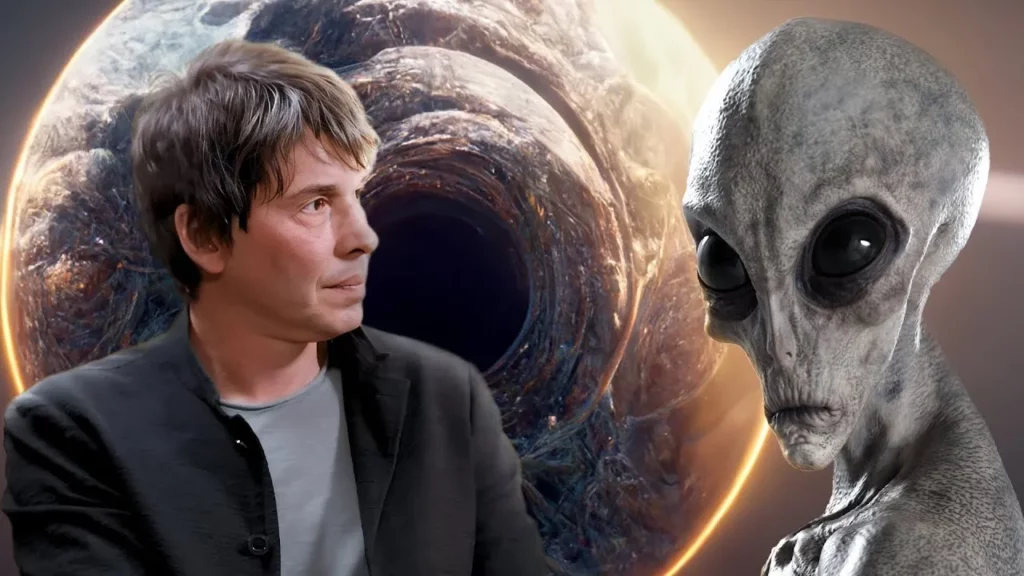
In this lesson, Brian Cox discusses the intriguing possibility of microbial life on Mars, highlighting how past Viking missions may have inadvertently destroyed evidence of such life. He emphasizes the implications of discovering life on Mars or advanced extraterrestrial civilizations, which could revolutionize our understanding of the universe and our place within it. The lesson also addresses the Fermi Paradox and the search for technosignatures, suggesting that finding evidence of advanced civilizations would profoundly impact humanity’s perspective and future exploration efforts.
Michio Kaku on How Quantum Computers Will Change Everything #physics #michiokaku #quantumcomputer

Quantum computers, utilizing quantum bits (qubits), have the potential to revolutionize technology by processing information in unprecedented ways, including the ability to break existing digital codes, which poses security risks. Their applications span various industries, promising advancements in automotive, aerospace, food production, and renewable energy, while also offering insights into cosmic mysteries like the Big Bang and black holes. As we embrace this new era of computation, the transformative impact of quantum computing on both scientific research and daily life is becoming increasingly apparent.
JWST Unveiled Saturn’s Transition From Summer to Autumn #jwst #science #saturn
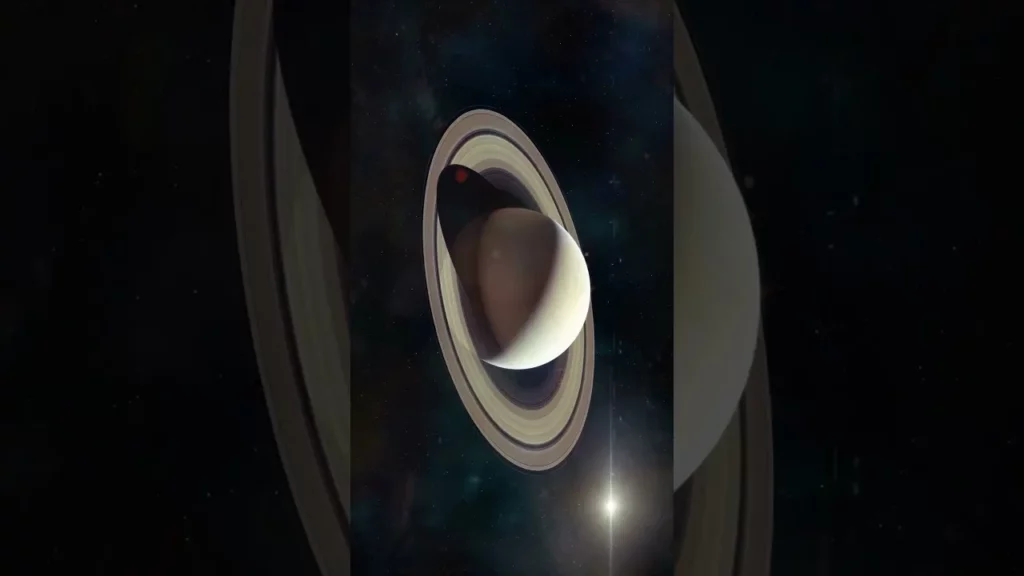
The James Webb Space Telescope (JWST) has unveiled Saturn’s transition from summer to autumn, providing stunning mid-infrared images that highlight the planet’s atmospheric features, including a massive polar cyclone and vibrant blue hues at the northern pole. By comparing these observations with data from the Cassini spacecraft, scientists have gained valuable insights into the temperature distributions and gas movements within Saturn’s atmosphere, enhancing our understanding of gas giants’ seasonal dynamics. This research not only deepens our knowledge of Saturn but also contributes to our broader understanding of planetary atmospheres across the solar system and beyond.
The Moon May Not Have Much Water Ice After All #lunarsurface #science #nasa
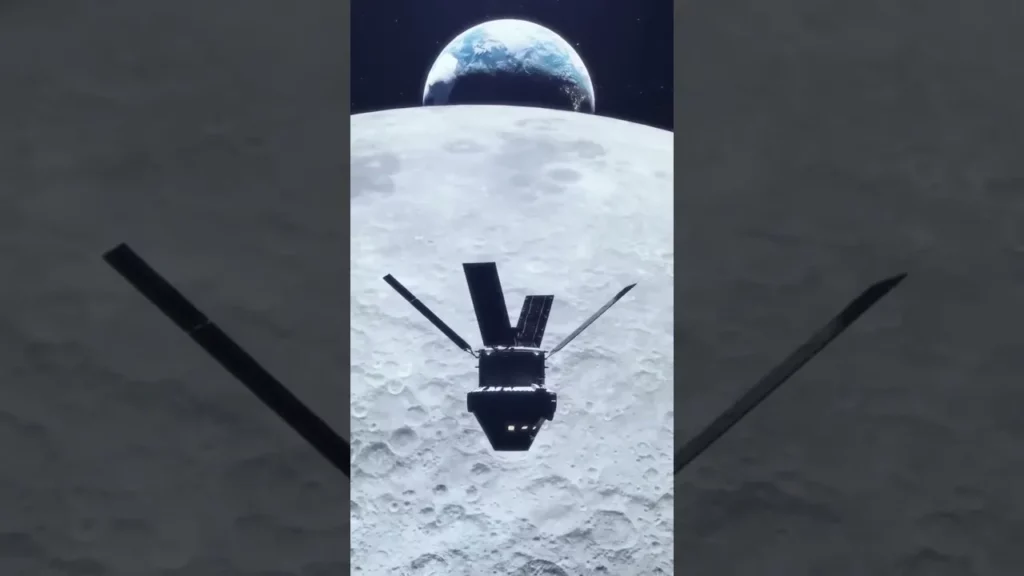
Recent research has revealed that the moon’s permanently shadowed regions (PSRs), once thought to be rich in water ice, may contain significantly less ice than previously assumed. This new understanding, stemming from studies of the moon’s geological history and the effects of a major shift in its spin axis, poses challenges for future lunar missions and the potential use of the moon as a resource hub for deeper space exploration. Ongoing missions, such as India’s Chandrayaan III, are expected to provide further insights into the distribution of water ice, highlighting the need for continued investigation into the moon’s resources.
Does Dark Matter Even Exist? Neil deGrasse Tyson on Dark Matter & MOND
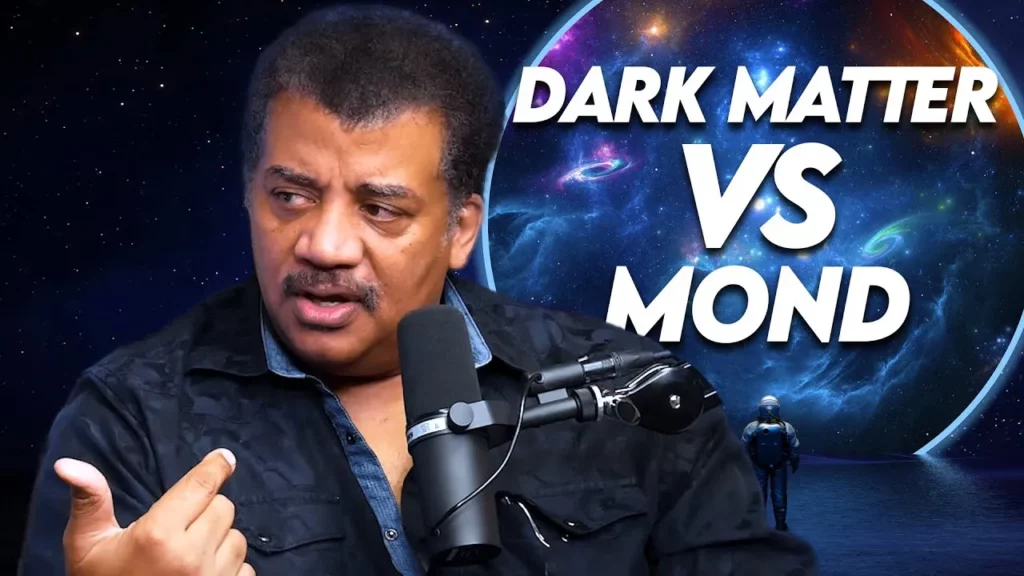
The lesson explores the enigmatic concept of dark matter, an invisible force that constitutes about 85% of the universe’s gravity yet remains undetectable through conventional means. It discusses the prevailing theories surrounding dark matter, including the possibility of it being composed of weakly interacting massive particles (WIMPs) or other elusive entities, while also introducing the Modified Newtonian Dynamics (MOND) theory as an alternative explanation for observed gravitational phenomena. Ultimately, the lesson emphasizes the ongoing quest to understand dark matter and its profound implications for our understanding of the universe.
Supermassive Black Holes Eat Faster Than We Thought #blackhole #science #nasa
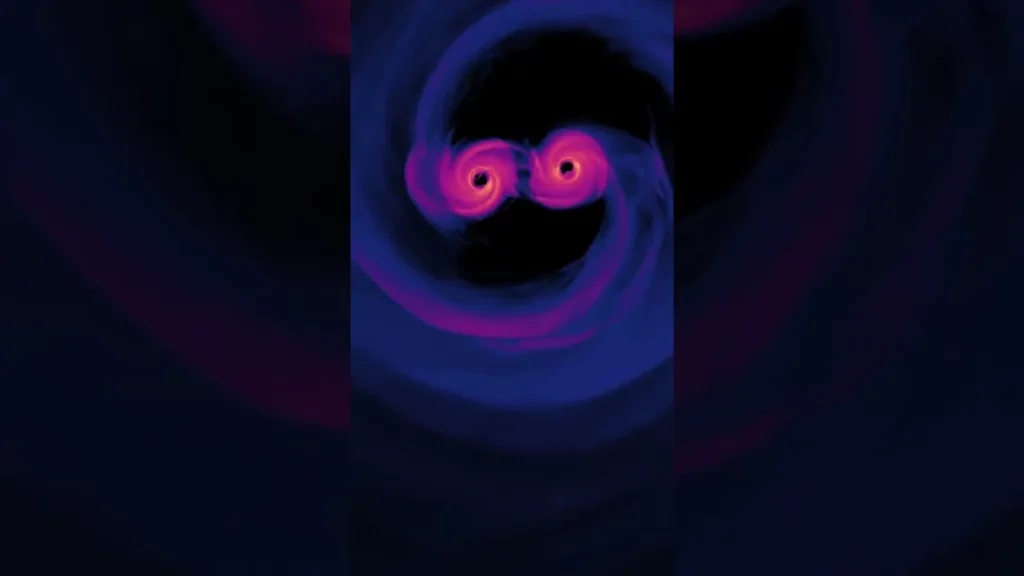
Recent findings indicate that supermassive black holes consume surrounding gas and dust at a much faster rate than previously believed, potentially within just a few months instead of centuries. This rapid feeding process leads to the formation of disc-like structures around the black holes, with the inner disc being consumed first, which may explain the flickering observed in quasars. These insights challenge traditional theories of accretion and have significant implications for our understanding of black holes, galaxy evolution, and the broader universe.