
Astronomers Have Discovered Thousands of Red Quasars #universe #science #nasa
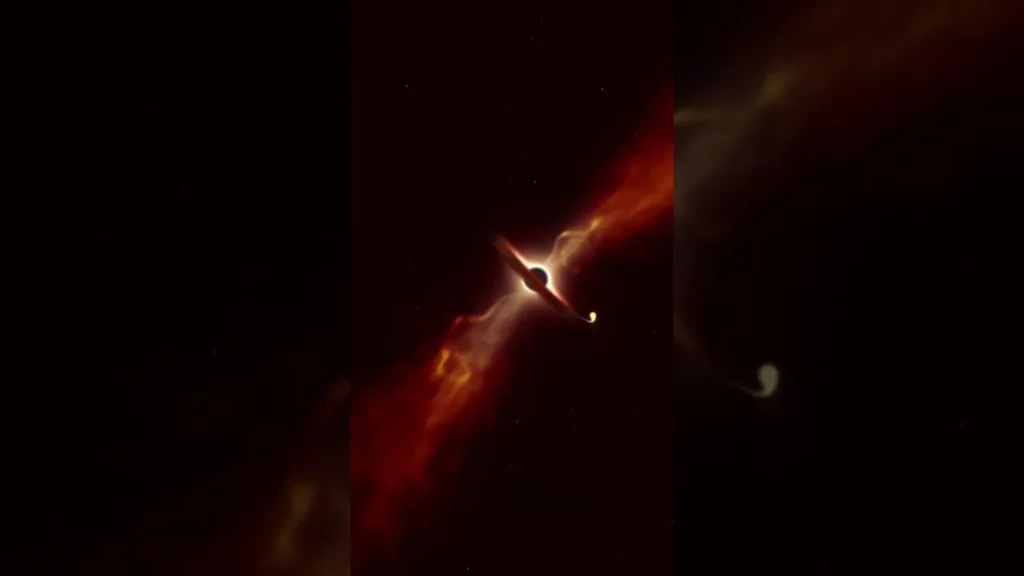
Astronomers have discovered thousands of red quasars, which are young, active galaxies obscured by cosmic dust that emit strong radio signals. The red hue results from the dust filtering out blue light, and these quasars are believed to represent a stage of increased activity in supermassive black holes. This finding enhances our understanding of galaxy evolution and the interactions between black holes and their host galaxies, providing valuable insights into the formation and behavior of the universe.
The Planet of The Machines – The AGI Takeover
The lesson explores the potential future of Artificial General Intelligence (AGI) and its implications for humanity, suggesting that we may be on the brink of a significant shift in civilization akin to historical milestones like the Industrial Revolution. While AGI could lead to groundbreaking advancements in solving global issues, it also raises critical concerns about control, safety, and the unpredictability of AI’s influence on society. Ultimately, the lesson prompts reflection on humanity’s role in a future where machines may dominate intellectual capabilities, questioning whether our relationship with AGI will be one of partnership or subjugation.
Unique Supernova Event #universe #science #nasa
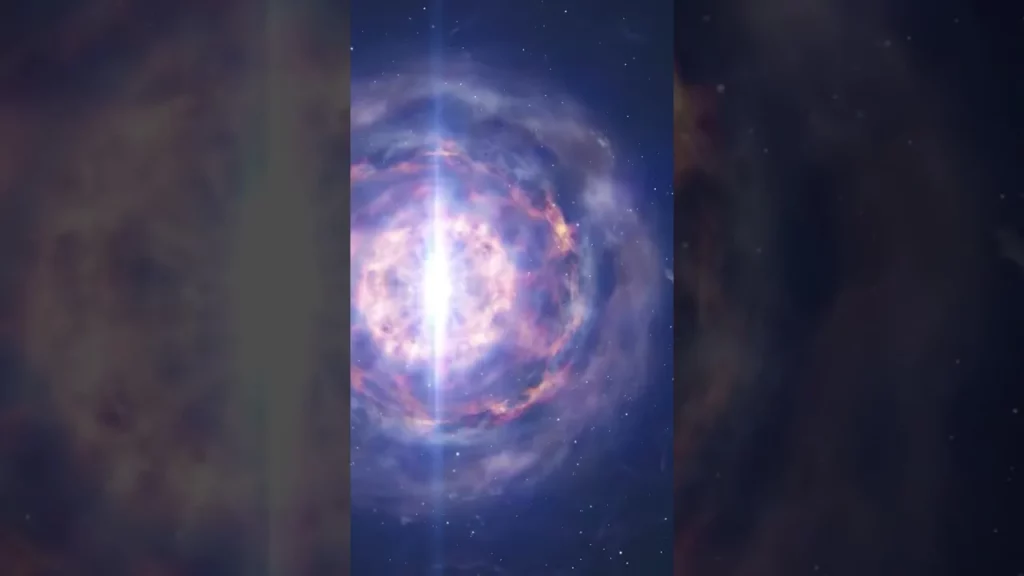
The lesson discusses a unique supernova event in the Pinwheel Galaxy, where a star exploded after shedding a mass equivalent to our Sun, leading to a delayed shockwave due to the dense cloud of material it expelled. This phenomenon highlights the unpredictable nature of massive stars and the importance of both professional and amateur astronomers in advancing our understanding of cosmic events. Ultimately, such discoveries deepen our appreciation for the mysteries of the universe and the dynamic processes that govern it.
Einstein Was Right About Antimatter #universe #science #einstein
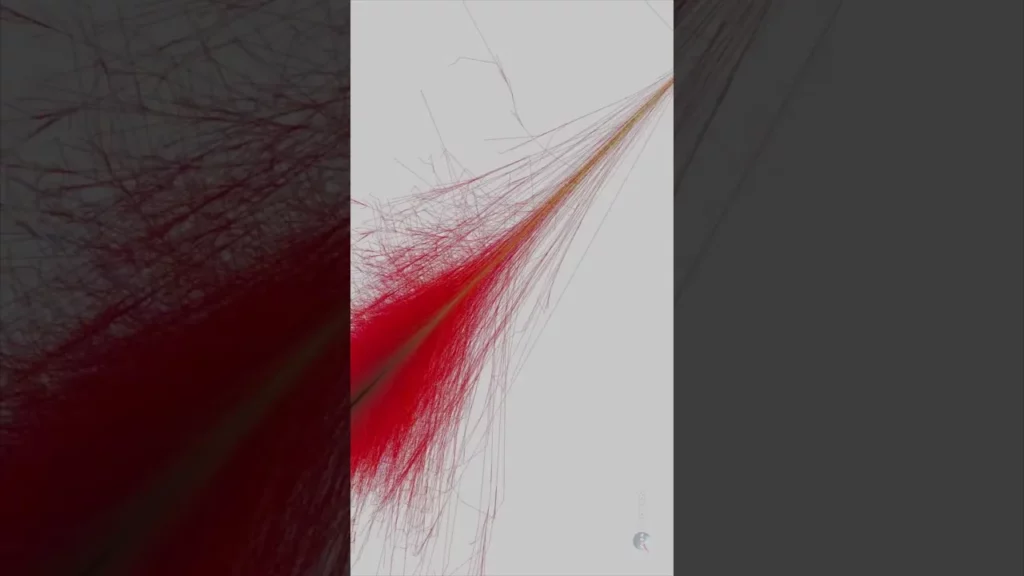
Recent experiments at CERN have confirmed that antimatter behaves under gravity in a manner consistent with Einstein’s general theory of relativity, as demonstrated by the downward motion of anti-hydrogen particles. This finding supports the idea that antimatter interacts with gravity similarly to regular matter, yet it also highlights the ongoing mystery of why the universe contains significantly more matter than antimatter. The implications of this research could lead to a deeper understanding of fundamental physics and the origins of the universe.
NASA wants a ‘Lunar Freezer’ For its Artemis Moon Missions #space #lunarsurface #nasa
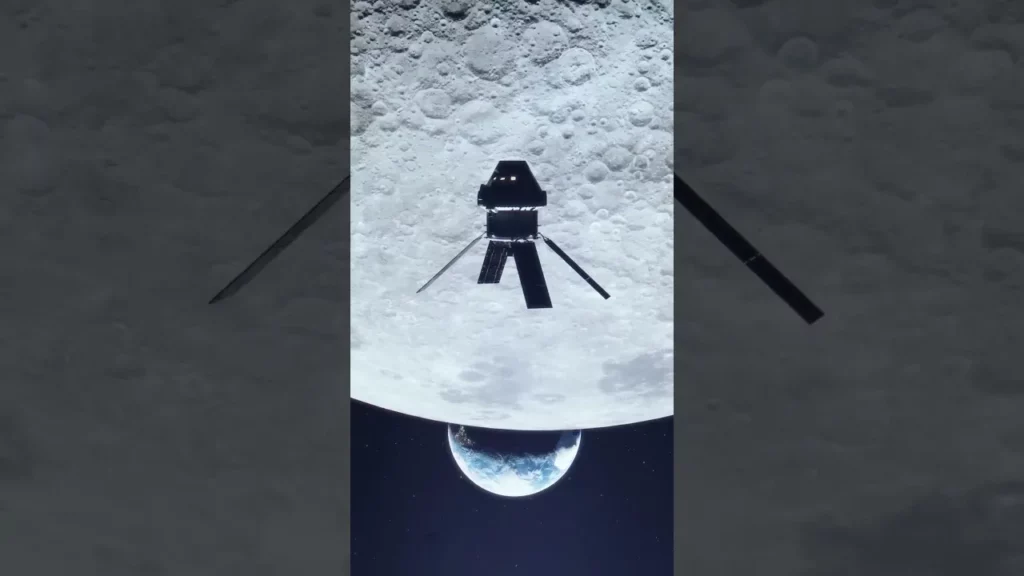
NASA is developing a specialized mobile freezer for its Artemis Moon missions to safely store and transport valuable lunar samples back to Earth. This high-tech freezer will be versatile enough to fit in various lunar vehicles, maintain extremely low temperatures, and include features like onboard displays and internet connectivity. By preserving these samples, the freezer will enhance scientific research on the Moon’s history and composition, contributing to future space exploration efforts.
Can JWST Detect Alien Megastructures? Brian Greene on James Webb’s Discoveries
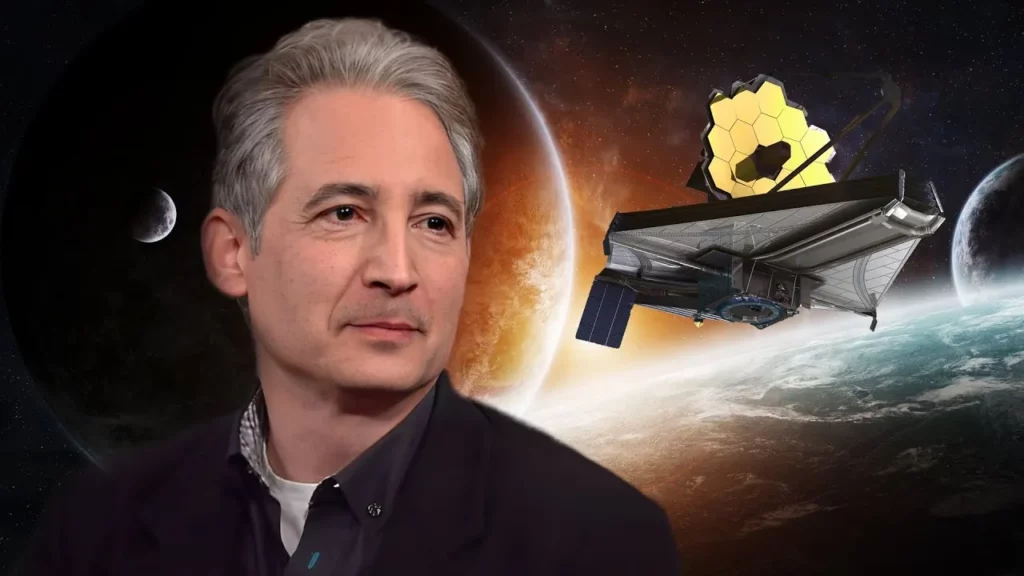
The lesson discusses the groundbreaking capabilities of the James Webb Space Telescope (JWST), launched in December 2021, which allows for unprecedented exploration of the universe. It highlights the telescope’s significant discoveries, including ancient galaxies and potential signs of life on moons like Europa, while raising profound questions about extraterrestrial life and the nature of consciousness in the cosmos. Ultimately, the JWST serves as a powerful tool for understanding the universe’s mysteries and our place within it.
JWST Finds Rogue Planets in Orion Nebula #space #jwst #jameswebbspacetelescope
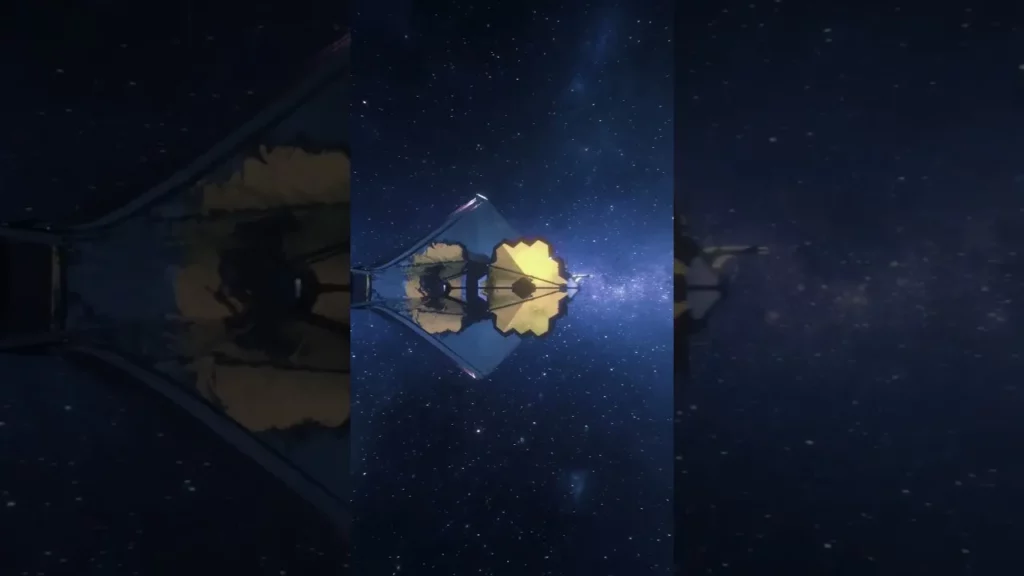
The James Webb Space Telescope (JWST) has captured stunning images of the Orion Nebula, revealing 2,800 young stars and the discovery of 40 pairs of free-floating gas giant planets, dubbed “jumbos.” These findings not only enhance our understanding of star formation and the origins of our solar system but also highlight the presence of carbon-based molecules, which are essential for life. Overall, the JWST’s observations in the Orion Nebula deepen our knowledge of the universe and the potential for life beyond Earth.
Parker Solar Probe Finds ‘Lightning’ on Venus May Not be Lightning at All #space #nasa #venus
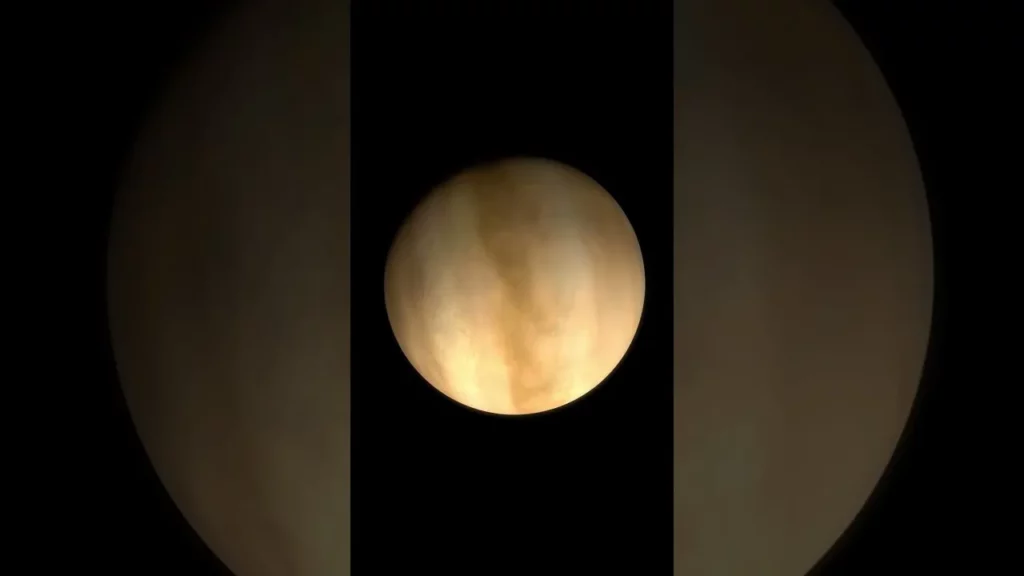
NASA’s Parker Solar Probe has provided new insights into the atmospheric phenomena of Venus, challenging the long-standing belief in the existence of lightning storms on the planet. Data from a 2021 flyby suggests that light flashes previously attributed to lightning may actually result from meteors burning up in Venus’s dense atmosphere, while disturbances in the planet’s magnetic fields could explain the presence of Whistler waves. As the probe prepares for another flyby in 2024, scientists are eager to confirm these findings and further explore the complexities of Venus and its atmospheric dynamics.
What is a Starquake? #space #nasa #spaceexploration
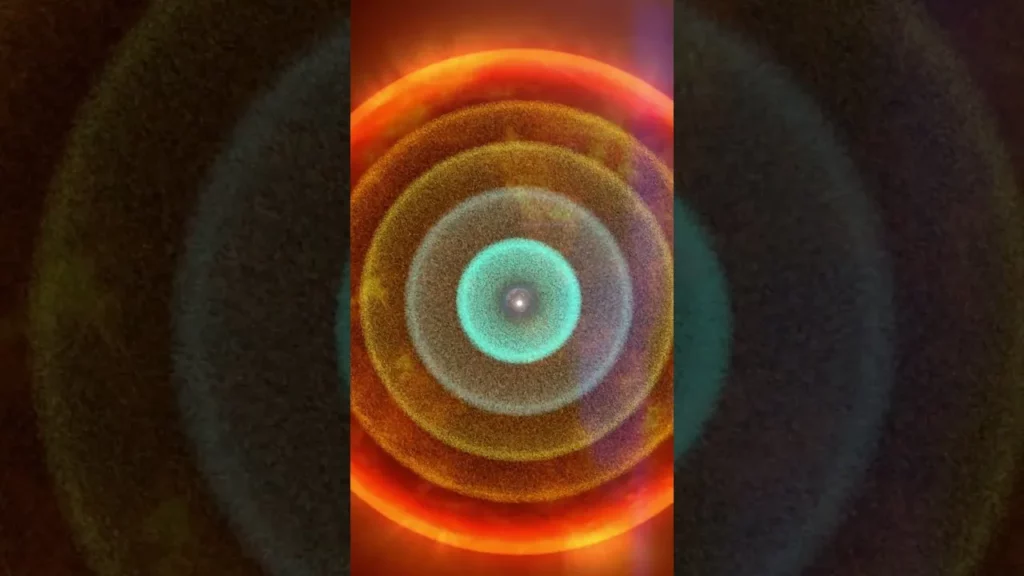
The lesson explores the phenomenon of Fast Radio Bursts (FRBs), which are intense bursts of radio waves from distant galaxies, and their potential connection to starquakes on neutron stars. Researchers propose that the energy released during starquakes, akin to earthquakes on Earth, may be responsible for the FRBs we detect. This investigation not only aims to unravel the mystery of FRBs but also offers insights into the fundamental laws of physics and the nature of earthquakes on our planet.
From Abiogenesis to The Fermi Paradox – Brian Cox on Alien Life
In the lesson “From Abiogenesis to The Fermi Paradox: Brian Cox on Alien Life,” the exploration of the near-Earth asteroid Bennu through NASA’s Osiris Rex mission reveals significant findings about the origins of water and carbon, essential components for life. These discoveries challenge existing theories about the distribution of water in the early solar system and raise questions about the potential for life beyond Earth, linking to the Fermi Paradox and the ongoing search for extraterrestrial intelligence, exemplified by the mysterious Wow! signal. Overall, the lesson emphasizes the importance of understanding our solar system’s history to explore the possibilities of life elsewhere in the universe.