
Collision of 2 Super-Earths #space #nasa #spaceexploration
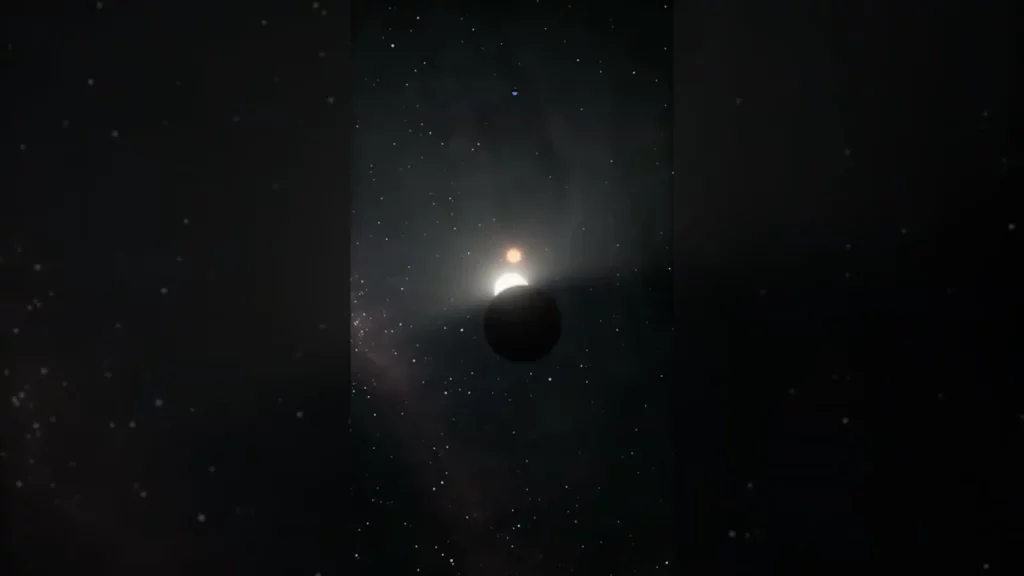
Astronomers have discovered evidence of a massive collision between two super-Earths in a distant planetary system, marked by a prolonged dimming of the star they orbit. This event, which followed a brightening caused by the initial impact, highlights the dynamic nature of planetary systems and suggests that debris from the collision could potentially form new moons. Future observations with NASA’s James Webb Space Telescope aim to deepen our understanding of such cosmic events and their implications for planet formation.
Hubble Discovers Thousands of Hot Stars in a Spiral Galaxy #space #nasa #spaceexploration
The lesson discusses the Hubble Space Telescope’s discovery of the spiral galaxy NGC 5068, located 20 million light-years away, and highlights its structure, including a central bar of older stars and areas of new star formation. It emphasizes the significance of unique stars like the Wolf-Rayet stars in understanding stellar evolution and the collaborative role of Hubble and the James Webb Space Telescope in revealing the complexities of galaxies. Ultimately, this exploration enhances our understanding of the universe and our place within it.
Snake-like Magnetic Fields on The Sun Unlock an Age-old Mystery #nasa #spaceexploration #nasascience
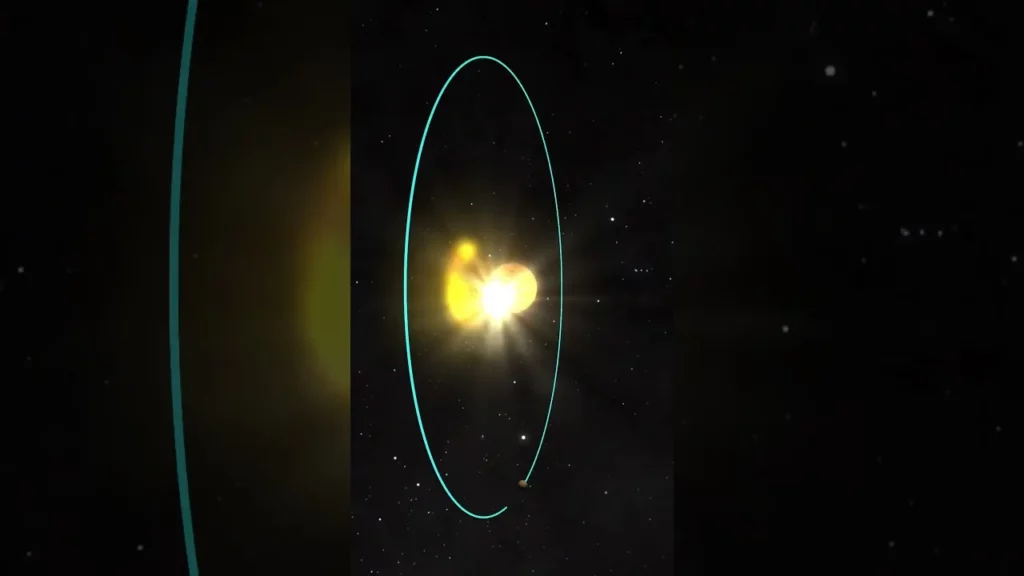
Recent observations from the Daniel K. Inouye Solar Telescope have revealed snake-like magnetic patterns on the Sun, which may help explain the mystery of why the corona is significantly hotter than the Sun’s surface. These complex magnetic fields, when they intersect, release energy that could be responsible for heating the corona to millions of degrees. Understanding these magnetic interactions is essential for predicting solar activity and safeguarding technology on Earth, highlighting the importance of ongoing solar research.
Can We Live For Ever? Michio Kaku on Quantum Computers, AI & Digital Immortality

In this lesson, Michio Kaku explores the intersection of advanced technology, such as quantum computing and artificial intelligence, with human biology, suggesting that these innovations could unlock the secrets to extending human life and potentially achieving digital immortality. He discusses the implications of manipulating the aging process, tackling diseases, and the ethical considerations surrounding longevity, while also envisioning a future where consciousness can be digitized, allowing for unprecedented exploration of the universe. Ultimately, the lesson emphasizes the transformative potential of technology in redefining life and our understanding of existence.
Ultra-Powerful Plasma Blades Could Slice Entire Stars in Half? #nasa #spaceexploration #nasascience
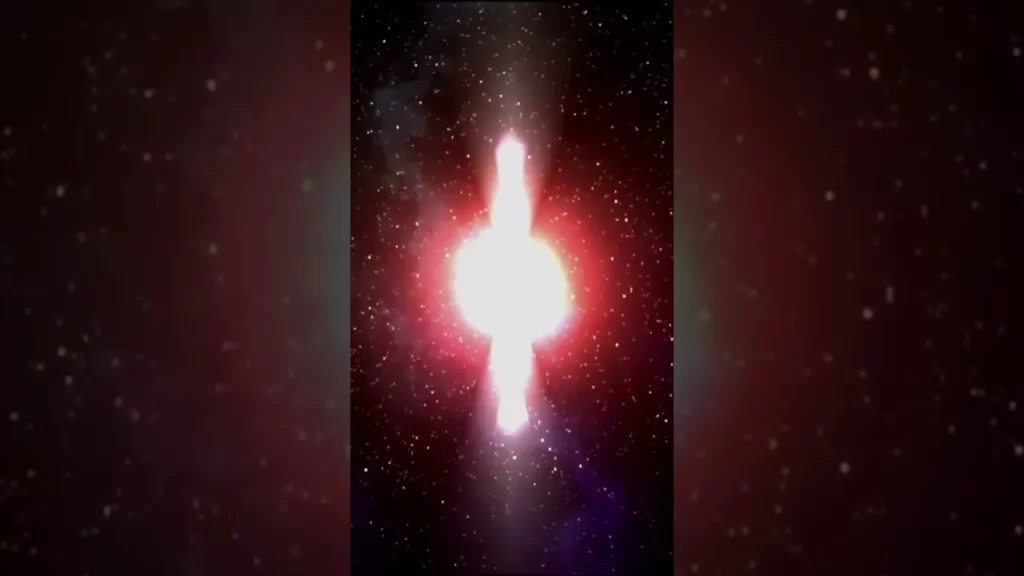
The lesson explores a groundbreaking theory proposed by researchers at New York University, suggesting that ultra-powerful plasma blades generated by magnetars—neutron stars with extremely strong magnetic fields—could be responsible for the intense energy released during gamma-ray bursts (GRBs). This theory offers a new perspective on the origins of GRBs and could significantly enhance our understanding of stellar evolution and cosmic phenomena. Future research will focus on testing this theory through simulations and observations, potentially revolutionizing astrophysical studies.
Record-Breaking Radio Burst Could Help us Find The Universe’s Missing Matter #nasa #space #universe
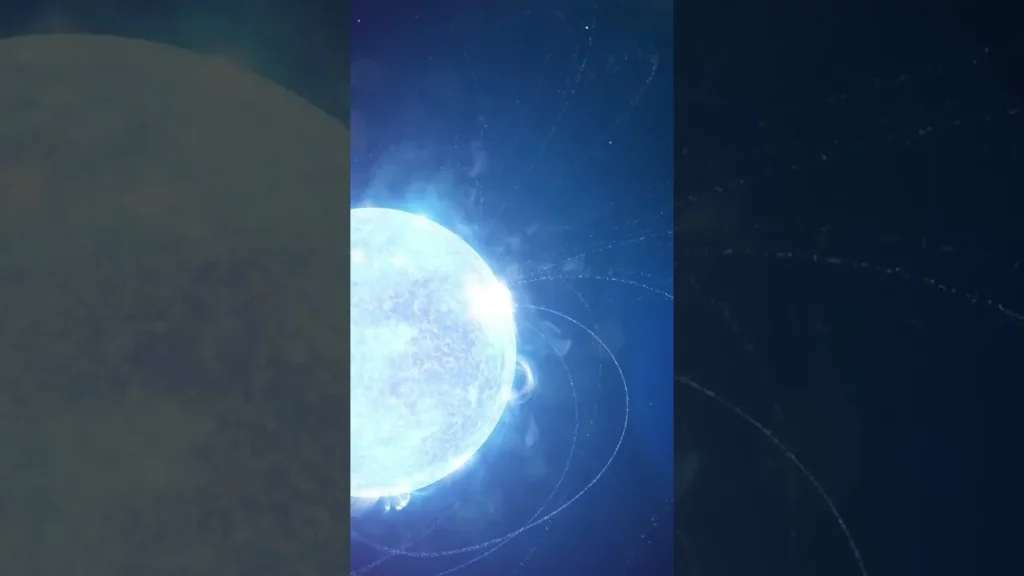
The lesson discusses the recent discovery of the oldest and most distant fast radio burst (FRB), which may help scientists locate the universe’s missing ordinary matter, distinct from dark matter. As these radio waves travel through space, they interact with matter, causing measurable dispersion that can provide insights into the distribution of this elusive matter. By studying FRBs, particularly those originating from merging galaxies, researchers aim to map the universe’s hidden contents and enhance our understanding of its structure and evolution.
JWST Detects Rare Element in Kilonova Explosion
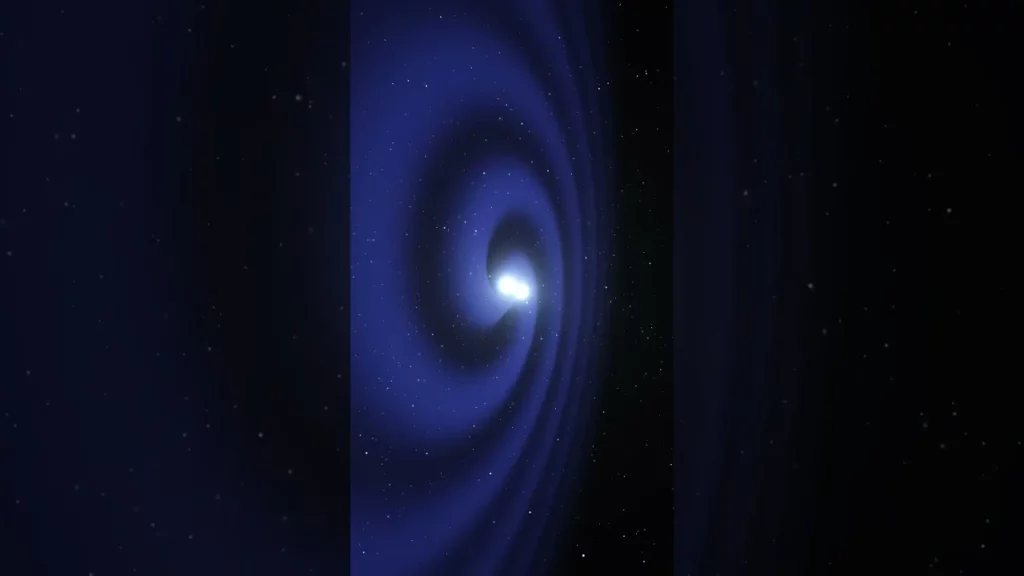
The James Webb Space Telescope (JWST) has made a significant discovery by detecting a rare element, even scarcer than platinum on Earth, resulting from a kilonova—a powerful explosion caused by the collision of two neutron stars. This event produced an unusually prolonged gamma-ray burst, allowing JWST to trace the light back to its origin and identify the element in the explosion’s remnants. Such findings enhance our understanding of cosmic phenomena and the formation of rare elements, contributing to the broader knowledge of the universe’s chemical evolution.
New Evidence For The Simulation Hypothesis? Donald Hoffman on The Simulation Argument

The lesson explores the simulation hypothesis, which posits that our perceived reality may be a sophisticated digital construct rather than an objective truth. Donald Hoffman argues that our sensory experiences are shaped by evolutionary processes, suggesting that our understanding of reality is fundamentally flawed. The discussion incorporates historical perspectives, scientific insights, and quantum mechanics, prompting a reevaluation of existence and consciousness in light of the possibility that we might be living within a simulated universe.
Dragonfly Drone: NASA’s Next Titan Explorer
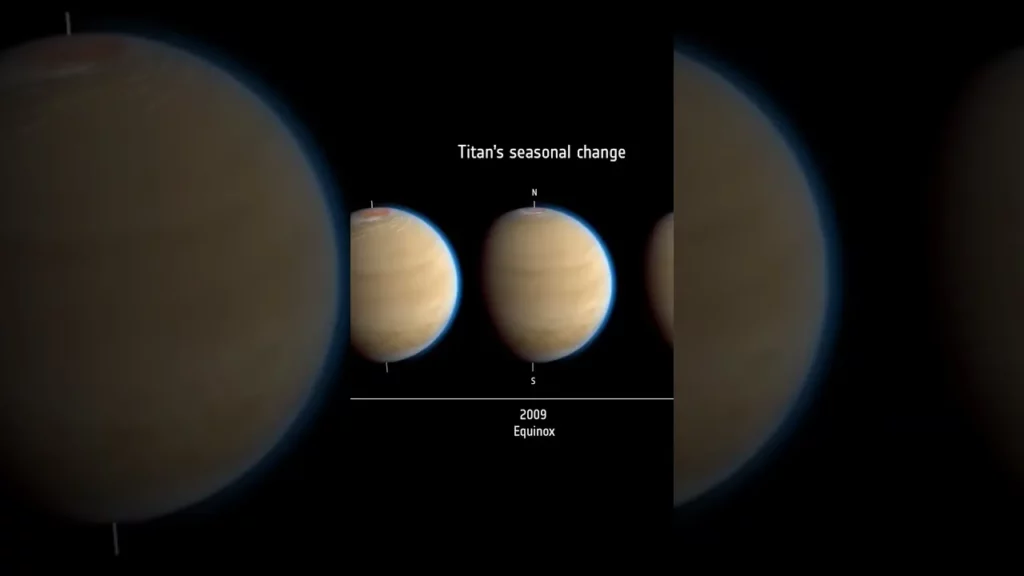
NASA’s Dragonfly mission involves a nuclear-powered drone designed to explore Titan, Saturn’s intriguing moon, with the aim of uncovering its complex chemistry and potential for past liquid water. Extensive testing at NASA’s Langley Research Center is ensuring the drone can withstand Titan’s challenging atmospheric conditions, generating valuable data for mission success. This groundbreaking endeavor not only exemplifies advancements in technology but also enhances our understanding of the origins of life in the universe.
Alien Hunt in Uncharted Radio Frequencies
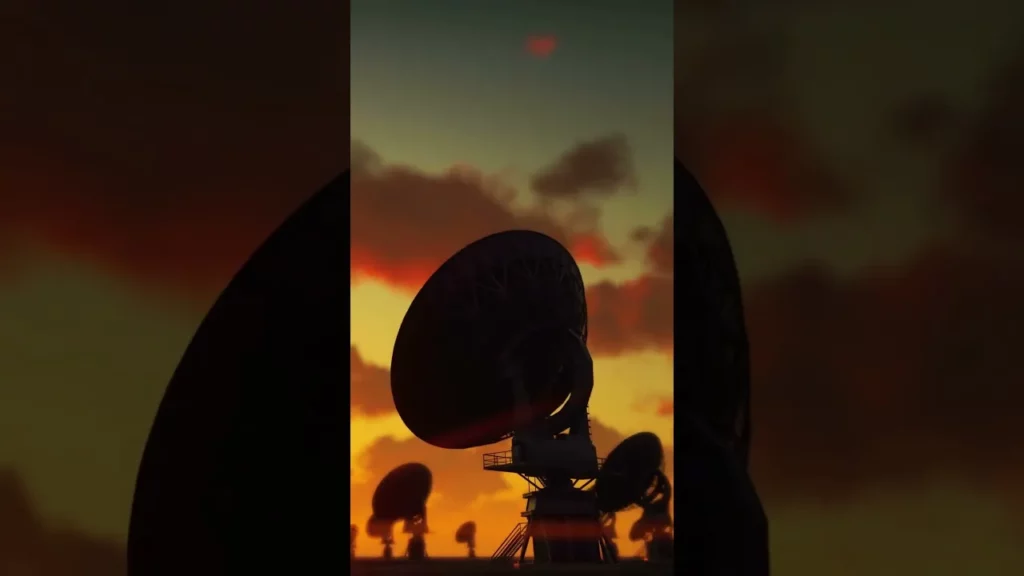
The lesson discusses Europe’s LOAR network, which is pioneering a mission to explore uncharted megahertz radio frequencies in search of extraterrestrial signals, a domain largely overlooked by traditional SETI projects. Collaborating with Breakthrough Listen, LOAR aims to analyze data from 1.6 million star systems, leveraging artificial intelligence to enhance the detection of potential alien communications. This innovative approach not only fuels scientific curiosity but also holds the promise of significant discoveries about life beyond Earth.