
Asteroid Impact Created 2-year Cloud of Dust That Killed The Dinosaurs #asteroid #science #dinosaur
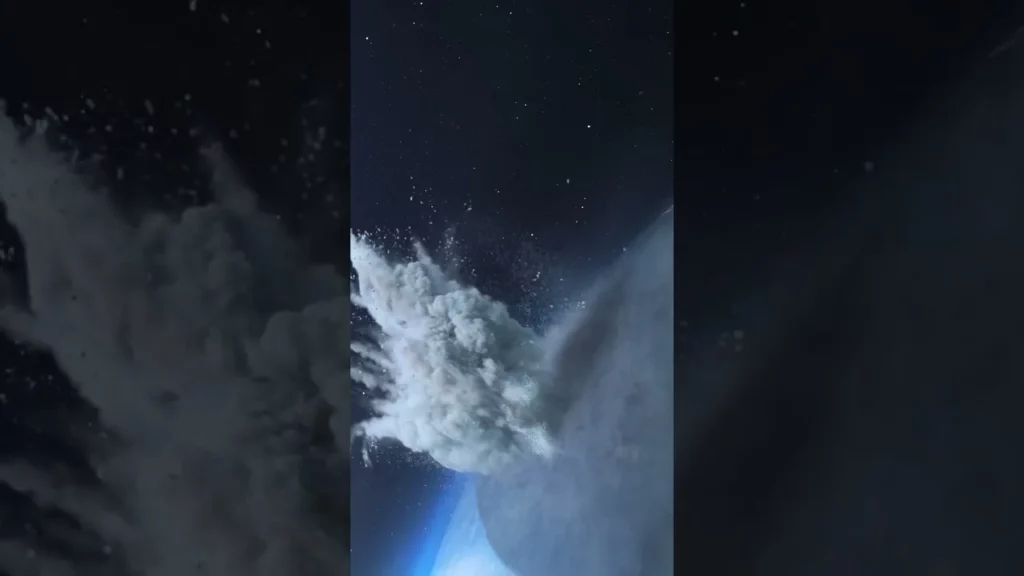
The lesson discusses the catastrophic impact of the Chicxulub asteroid, which struck Earth about 66 million years ago, creating a two-year dust cloud that blocked sunlight and led to a dramatic drop in temperatures. This environmental disruption caused the extinction of dinosaurs by collapsing the food chain, as plants could not photosynthesize, leading to the demise of herbivores and, subsequently, carnivores. Ongoing research aims to uncover the survival strategies of certain species during this mass extinction, providing insights into resilience and the effects of sudden environmental changes.
5 Ways We Go Extinct

The lesson outlines five significant existential threats that humanity faces: asteroid impacts, supervolcano eruptions, pathogens, nuclear weapons, and artificial intelligence. Each of these threats poses unique challenges, from the catastrophic potential of a supervolcano to the ethical dilemmas surrounding the development of artificial general intelligence. The lesson emphasizes the importance of preparedness, global cooperation, and ethical considerations in addressing these dangers to ensure humanity’s survival.
The Protoplanet That Made The Moon is Stuck Near Earth’s Core? #spaceexploration #science #spacetime
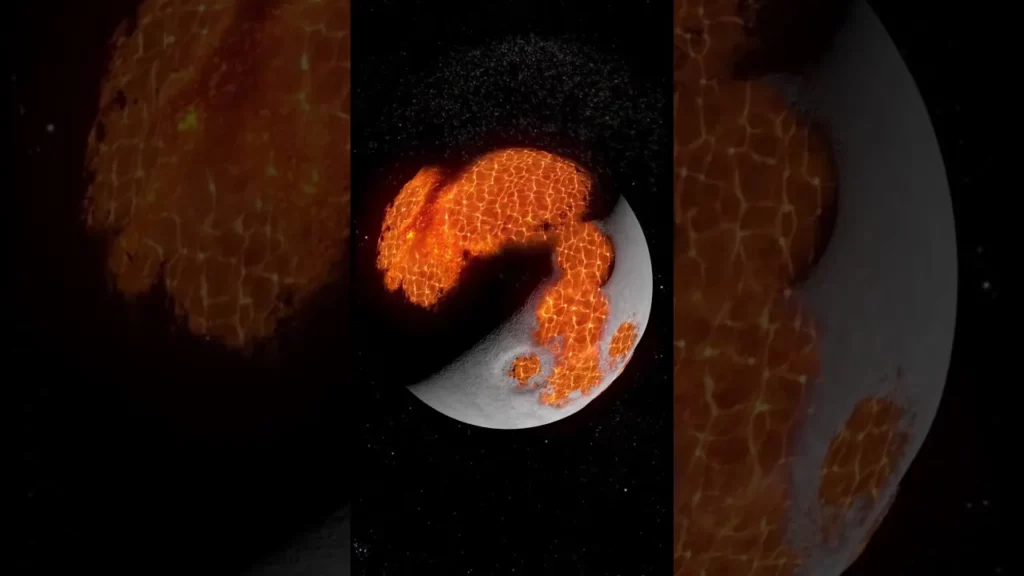
The lesson explores the dramatic cosmic event that led to the Moon’s formation through a collision between Earth and a Mars-sized protoplanet, leaving behind remnants deep within Earth’s mantle. Scientists have identified dense, iron-rich materials that resemble lunar volcanic rocks, suggesting a shared origin and providing insights into Earth’s geological processes. This research enhances our understanding of Earth’s history and its ongoing tectonic activity, revealing the interconnectedness of celestial events and terrestrial phenomena.
Bullying Jupiter-like Planets Push ‘Alien Earths’ Away From Orbits? #sciencetime #science #spacetime
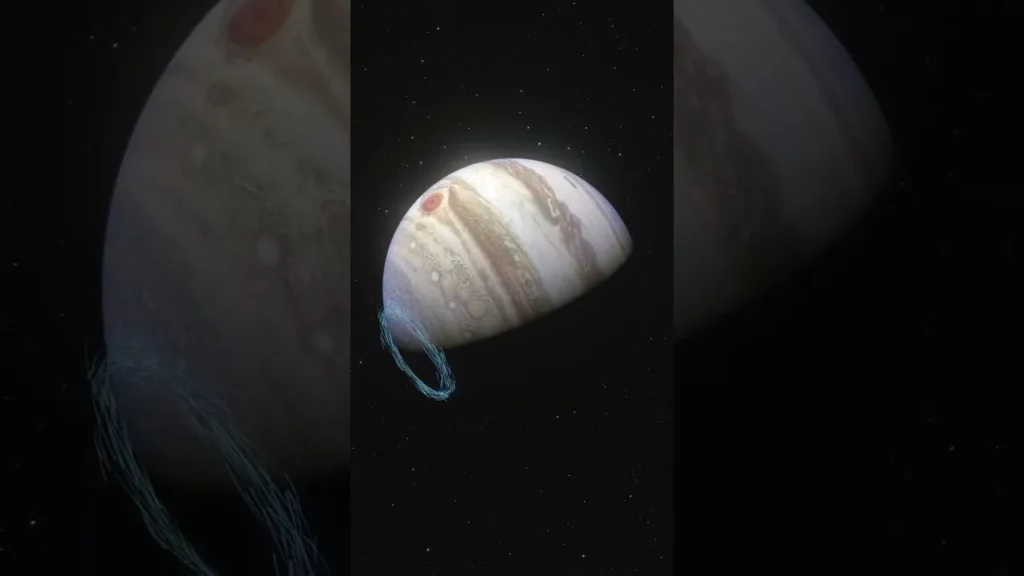
The lesson explores how Jupiter-like gas giants can disrupt the orbits of smaller, Earth-like planets in young star systems, potentially hindering the development of life. While these massive planets can act as cosmic bullies, they also play a protective role, as seen in our solar system, where Jupiter helps shield Earth from celestial threats. Ultimately, the research emphasizes the delicate balance required for life to thrive, influenced by the size and position of planets within their star systems.
JWST Detects Clues How Earth Formed Billions of Years Ago #sciencetime #jwst #science
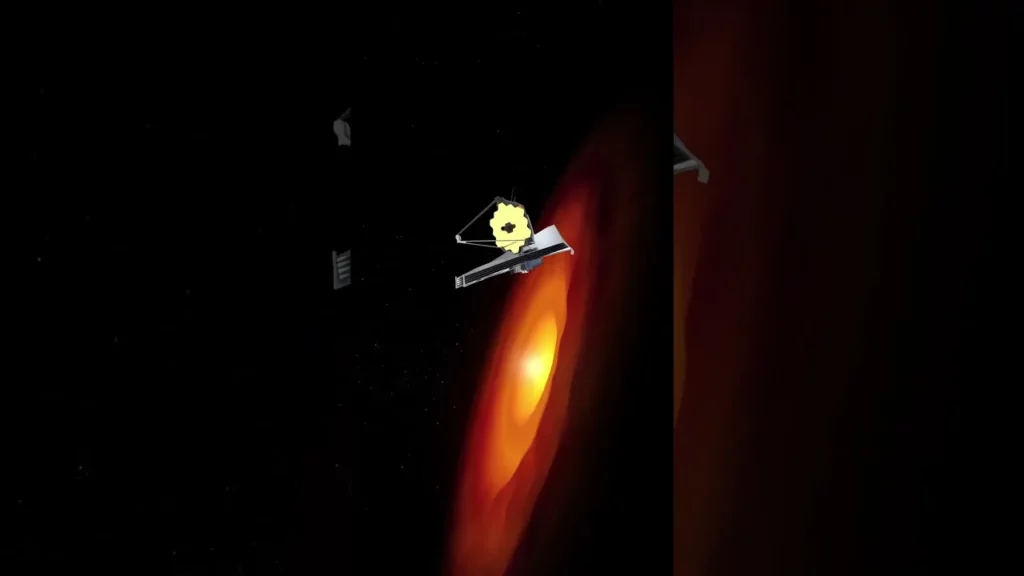
The James Webb Space Telescope (JWST) has made a significant discovery by detecting water vapor in planet-forming discs around young stars, offering insights into the processes that may have led to the formation of Earth. This finding supports the theory that planets are formed through the movement of icy pebbles in space, which melt and release water vapor as they travel inward in a stellar disc. By studying these young star systems, scientists are gaining a deeper understanding of planetary formation and the origins of our own planet.
Humanity 1 MILLION Years From Now
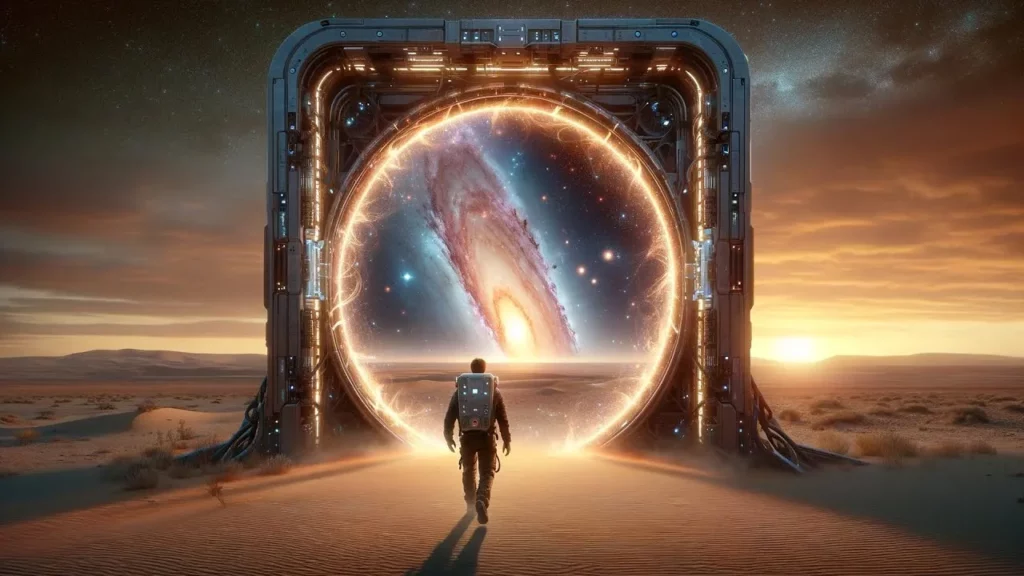
The lesson explores humanity’s potential evolution over the next million years, framed through the lens of the Kardashev Scale, which measures a civilization’s ability to harness energy. Currently at 0.73 on this scale, humanity is on the brink of becoming a Type 1 civilization, but must overcome significant challenges, including the Great Filter, to fully utilize Earth’s energy resources. Looking ahead, the lesson envisions a future where humanity could evolve into Type 2 and Type 3 civilizations, ultimately mastering galactic energy and exploring the multiverse, while reflecting on our origins and the stories that define our cosmic journey.
Alien Life May Exist in The Icy Moons of Jupiter & Saturn #titan #aliens #science
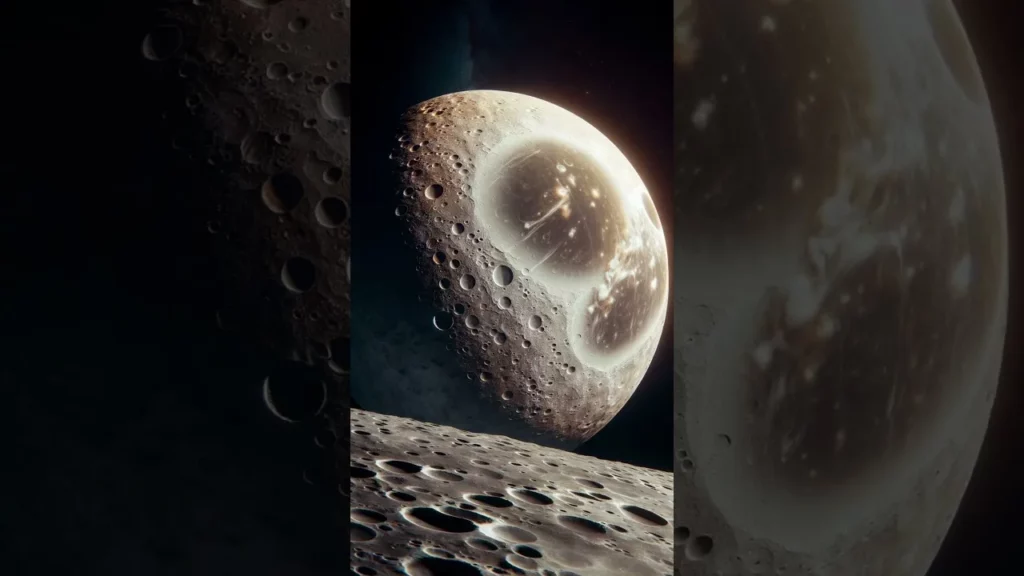
The lesson explores the potential for extraterrestrial life on the icy moons of Jupiter and Saturn, particularly focusing on Ganymede and Titan. It highlights the significance of geological features like strike-slip faults and shear heating, which may create habitable environments, and discusses upcoming missions, such as NASA’s Dragonfly, aimed at investigating these moons’ atmospheres and surfaces for signs of life. Ultimately, this exploration could redefine our understanding of where life might exist beyond Earth and inspire future space exploration endeavors.
Betelgeuse May be The Result of a ‘Quiet’ Star Merger #sciencetime #star #science
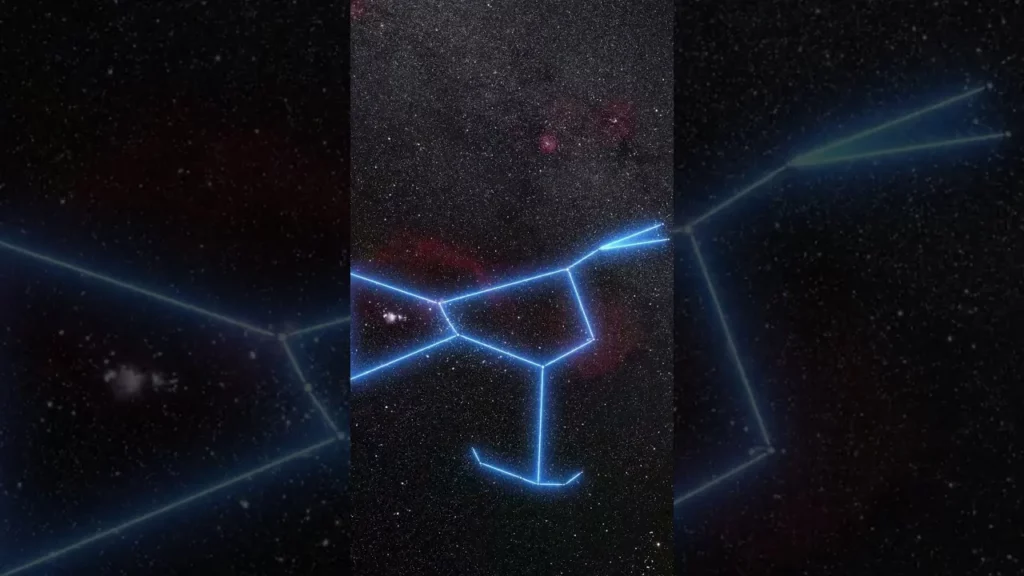
The lesson explores the intriguing history of Betelgeuse, a red supergiant star in Orion, suggesting that it may have formed from the merger of a smaller star with a larger one. This theory is supported by Betelgeuse’s rapid spin and the presence of heavy elements, which are unusual for its type. Astronomers are using computer simulations to understand this potential merger, and the true test will come when Betelgeuse eventually explodes as a supernova, providing clues about its past and contributing to our understanding of stellar evolution.
How Comets May Be Seeding Life Across the Universe #space #sciencetime #comets
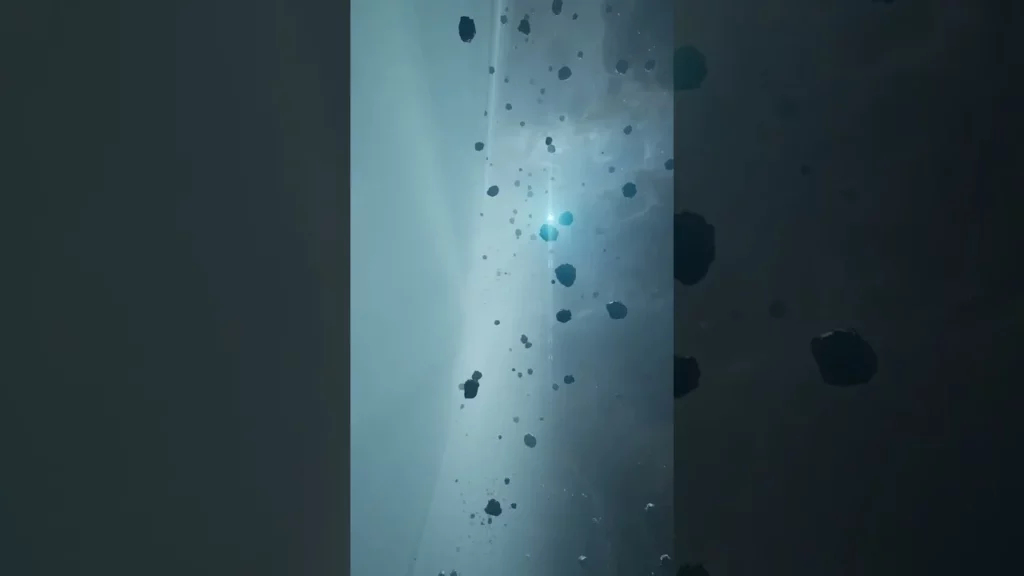
Recent research from the University of Cambridge suggests that comets may play a vital role in seeding life across the universe by delivering essential organic materials to exoplanets. The discovery of prebiotic molecules, such as glycine, in comets supports the idea that these icy bodies could transport life-forming ingredients, although challenges exist in red dwarf systems where high impact velocities may hinder their survival. This study offers a new perspective on the origins of life and encourages further exploration of densely packed planetary systems in the search for extraterrestrial life.
Brian Cox – Alien Life & The Zoo Hypothesis
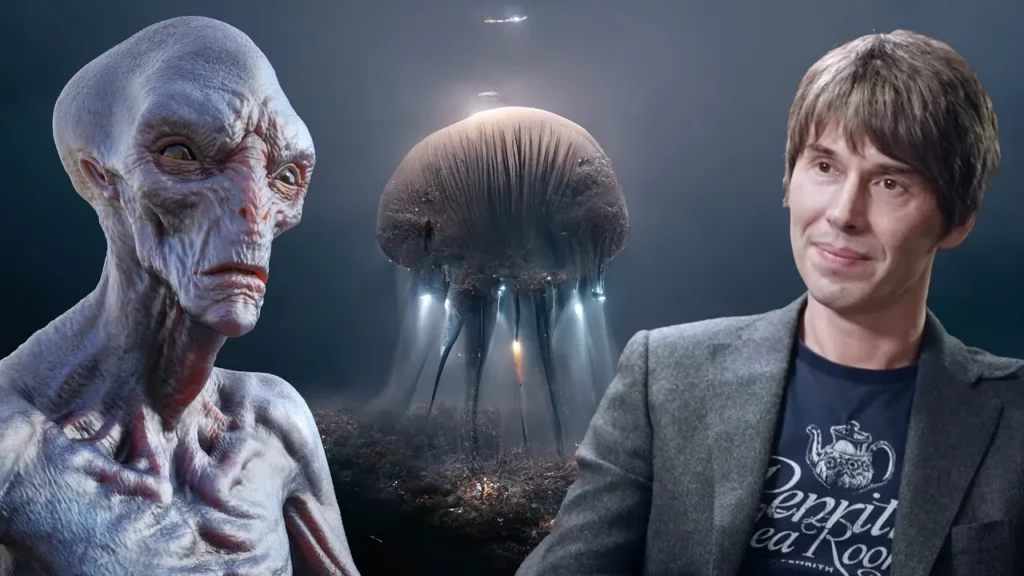
The lesson explores the intriguing question of whether extraterrestrial life exists and discusses the Fermi Paradox, which highlights the contradiction between the high probability of intelligent civilizations in the universe and the lack of evidence for their existence. It introduces the Zoo Hypothesis, suggesting that advanced civilizations may be observing humanity from a distance, akin to zookeepers, while remaining hidden to allow for natural evolution. The lesson emphasizes the ongoing quest to understand our place in the cosmos and the mysteries surrounding potential alien life.