
Sagittarius A* Black Hole Nears Cosmic Speed Limit #space #sciencetime #blackhole
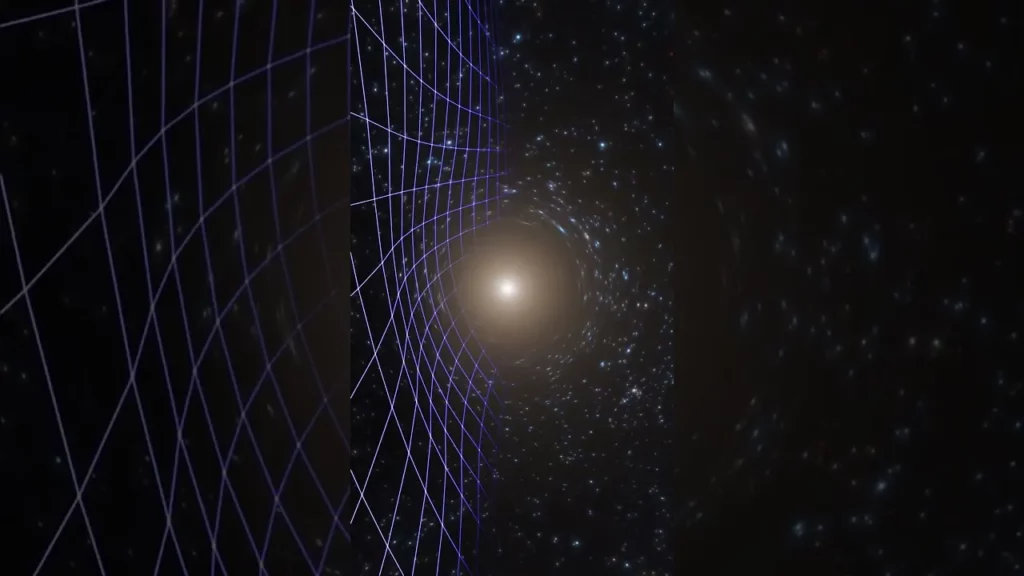
The lesson on Sagittarius A*, the supermassive black hole at the center of the Milky Way, highlights its extraordinary rotational speed and the resulting phenomena, such as frame dragging and gravitational lensing. Observations from NASA’s Chandra X-ray Observatory reveal how its rapid spin influences nearby celestial bodies and distorts spacetime, providing valuable insights into black hole dynamics and their role in shaping galaxies. Understanding Sagittarius A* not only enhances our knowledge of astrophysics but also deepens our comprehension of the fundamental laws governing the universe.
Dead Star Dubbed ‘Tasmanian Devil’ Comes Back To Life #space #sciencetime #universe
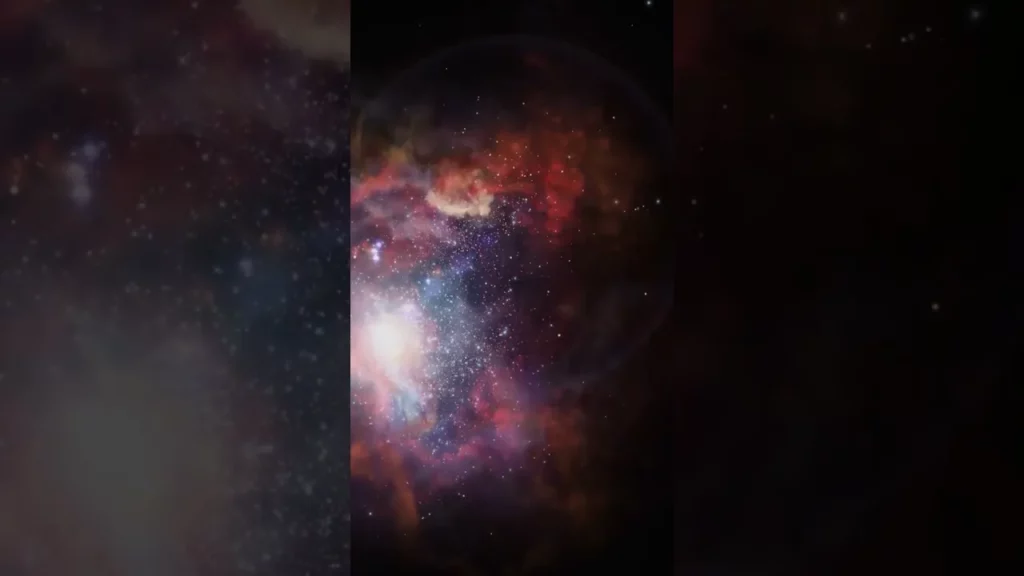
Astronomers are intrigued by a distant star nicknamed the Tasmanian Devil, which has unexpectedly resumed emitting powerful light flares after being presumed dead. Located about a billion light-years away, its behavior challenges existing theories about stellar remnants, suggesting that the core left after its explosive death may be driving these extraordinary emissions. The study of this star could provide valuable insights into stellar evolution and the complex processes governing the life cycles of stars.
How the Universe’s Accelerating Expansion Defies Current Theories #sciencetime #universe #space
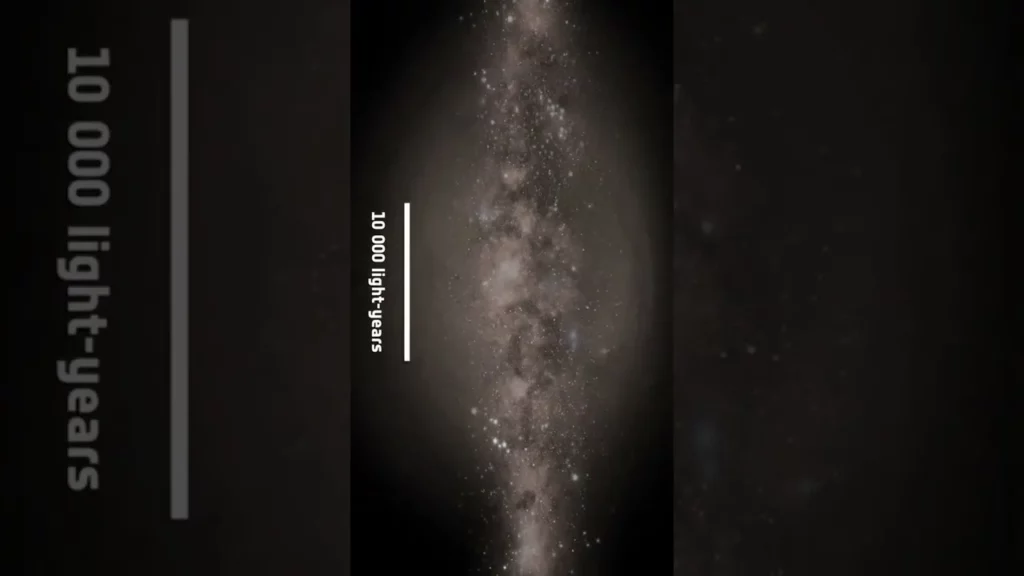
The lesson explores the Hubble tension, a significant discrepancy between the observed rate of the universe’s expansion and predictions made by the Lambda Cold Dark Matter (ΛCDM) model. This conflict suggests that our current understanding of dark energy and dark matter may be incomplete, prompting scientists to propose various modifications to the model, such as evolving dark energy, interacting dark matter, and altered gravity. The ongoing investigation into these theories underscores the need for further exploration to deepen our understanding of the universe’s fundamental nature.
Why Scientists Think We Might Live Inside a Black Hole
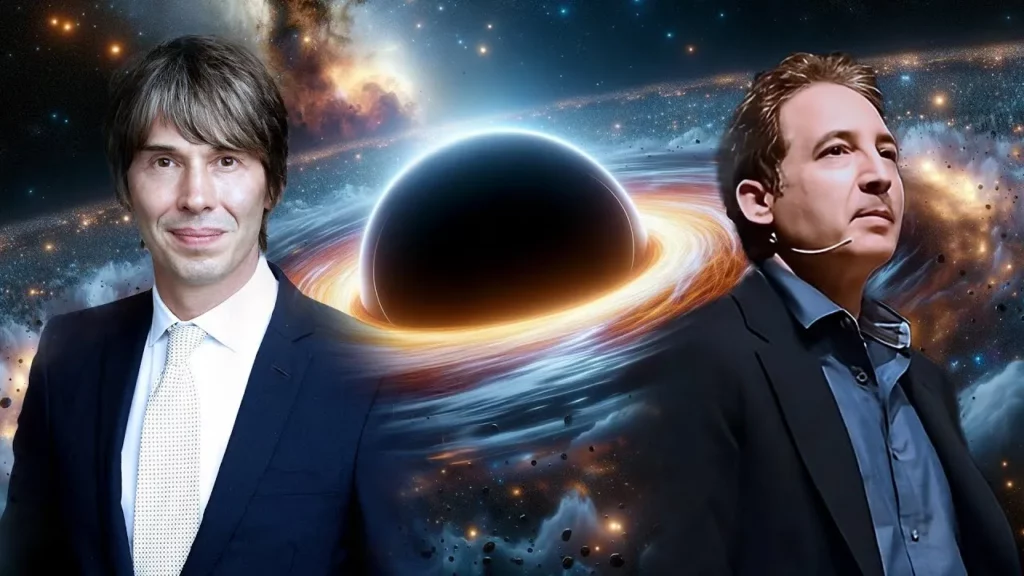
The lesson explores the intriguing theory that our universe might exist inside a black hole, suggesting that black holes could serve as gateways to other universes. Rooted in the principles of general relativity, this hypothesis posits that the singularity at a black hole’s center could give rise to new universes, potentially explaining significant cosmological questions. While this concept challenges our understanding of reality and the nature of space and time, it opens up fascinating possibilities about the multiverse and the ongoing study of black holes.
M87* Black Hole’s Energy Loss Explained #sciencetime #universe #spacescience
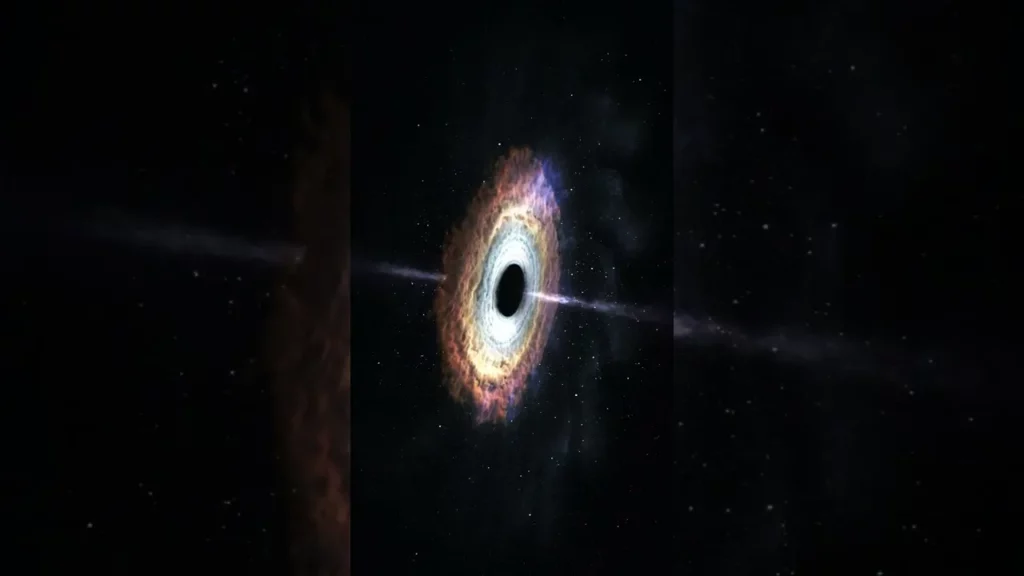
The M87 black hole, the first to be imaged, is surprising scientists by losing a significant amount of energy instead of solely pulling in surrounding matter. This energy is emitted in powerful jets, and the Event Horizon Telescope has been crucial in observing this phenomenon, revealing that the black hole’s magnetic field may be influencing its spin and energy release. Ongoing studies aim to deepen our understanding of black holes and their interactions with the universe, potentially reshaping our grasp of fundamental physics.
Discovering Salt Glaciers on Mercury & the Hunt for Alien Life #sciencetime #universe #spacescience
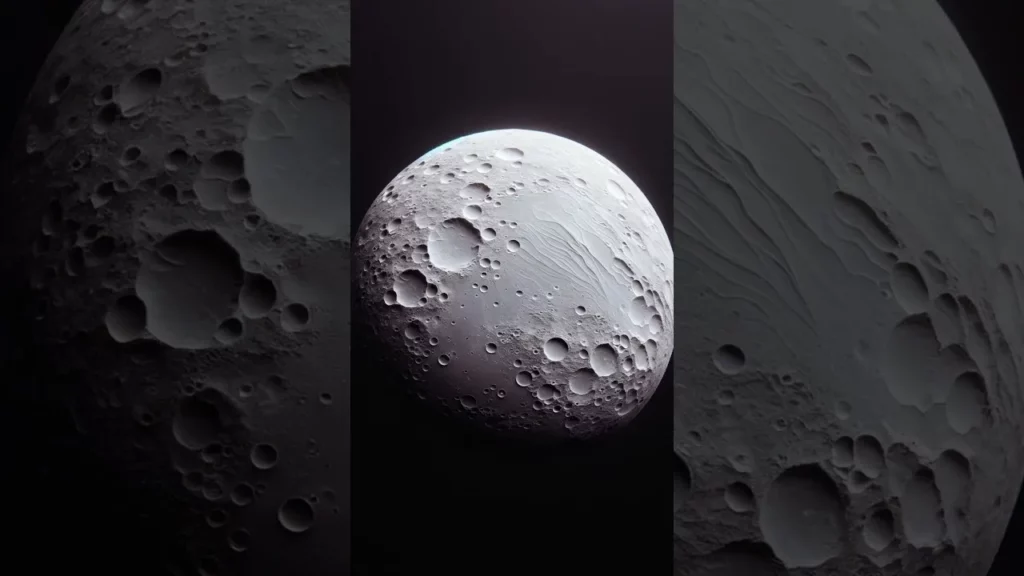
In this lesson, students learn about the recent discovery of potential salt glaciers on Mercury, which challenges previous assumptions about the planet’s ability to support life. These salt formations, believed to originate from volatile-rich layers beneath the surface, suggest that there may be environments on Mercury similar to extreme habitats on Earth where life could exist. This finding, along with the discovery of glaciers on other planets like Pluto, highlights the diverse conditions under which glaciation can occur and advances the field of astrobiology in the search for extraterrestrial life.
JWST Reveals Sagittarius C: A Galactic Nursery Near the Milky Way’s Heart #science #universe #space
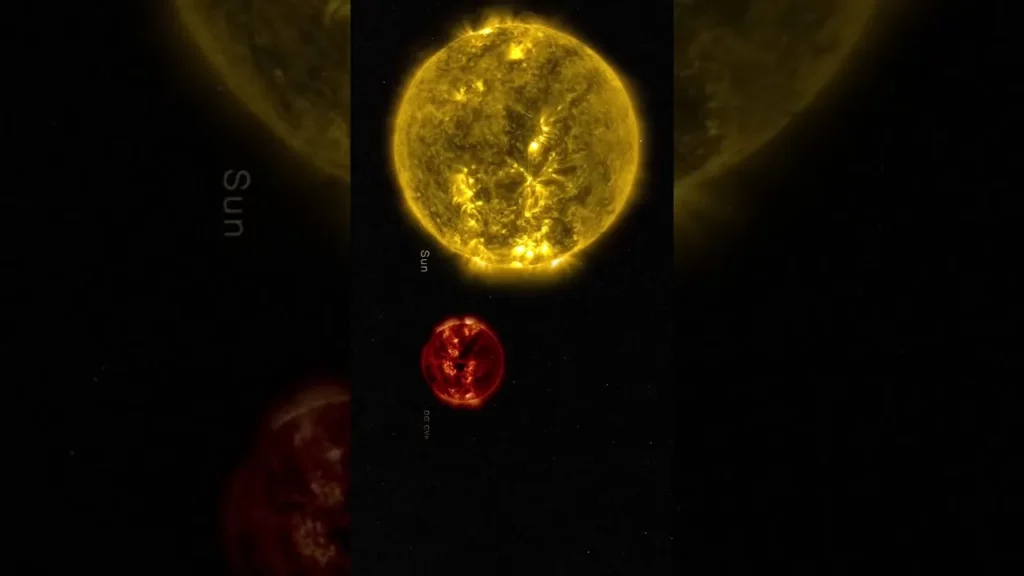
The James Webb Space Telescope (JWST) has provided remarkable insights into Sagittarius A*, a vibrant star-forming region near the Milky Way’s center, located just 300 light-years from the supermassive black hole. This area is home to a dense collection of protostars, including one that has already reached 30 times the mass of our Sun, highlighting the dynamic nature of star formation in extreme conditions. By studying these galactic nurseries, astronomers can enhance their understanding of stellar evolution and the life cycles of stars, ultimately deepening our knowledge of the universe.
Is Time Travel Possible? The Science of Time Explained by Brian Cox & Neil deGrasse Tyson
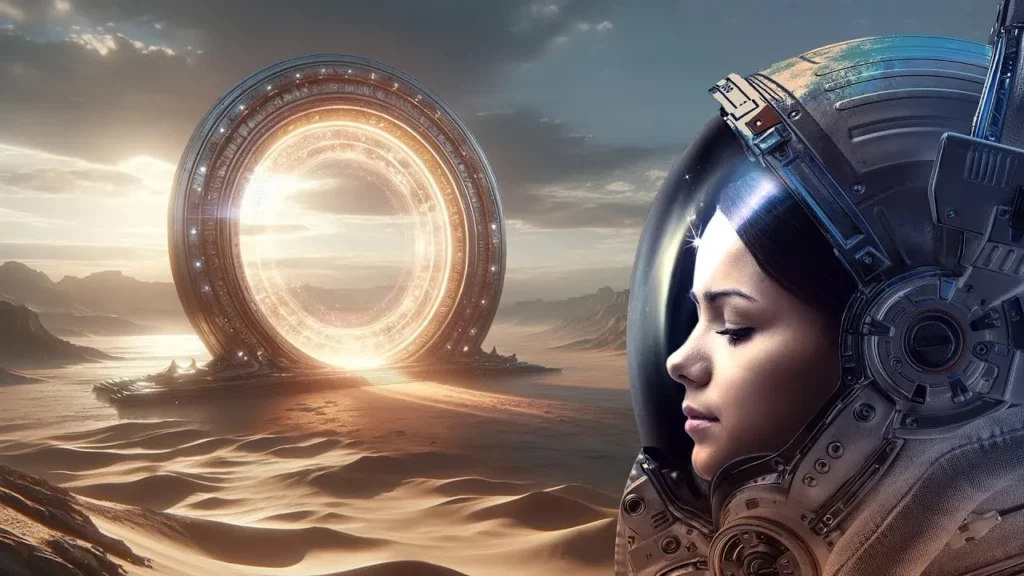
The lesson explores the scientific theories surrounding time travel, primarily through the lens of Einstein’s theory of relativity, which suggests that time is relative and can be affected by speed and gravity, allowing for the possibility of future time travel via time dilation. While traveling to the future appears feasible, the concept of traveling to the past presents significant challenges, including paradoxes and theoretical constructs like wormholes and the Alcubierre drive, which remain speculative. The discussion also raises ethical considerations regarding the implications of time travel on causality and free will, highlighting the ongoing fascination with the potential of traversing time.
SpaceX Starship’s Fiery Milestone: Spectacular Liftoff & Explosive Test Flight #science #universe
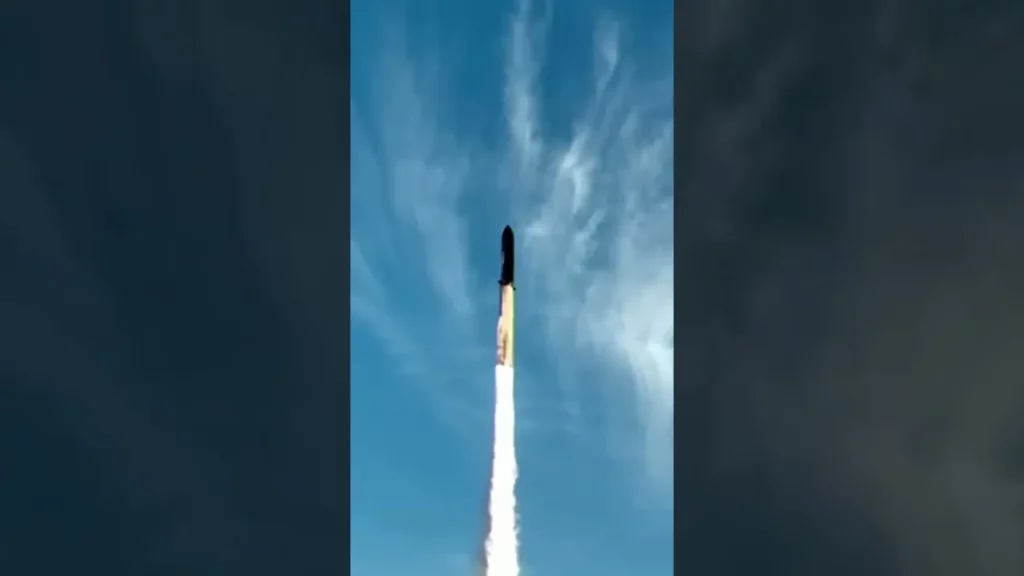
The lesson discusses SpaceX’s second test flight of the Starship, the largest and most powerful rocket ever built, which took place on November 18th. Despite experiencing explosions during the flight, the mission was deemed successful as it reached an altitude of 91 miles, providing valuable data for future improvements. The lesson emphasizes the importance of testing in space exploration, highlighting how each test contributes to the advancement of technology and safety in space travel.
JWST Unveils Secrets of Teenage Galaxies #sciencetime #universe #spacescience
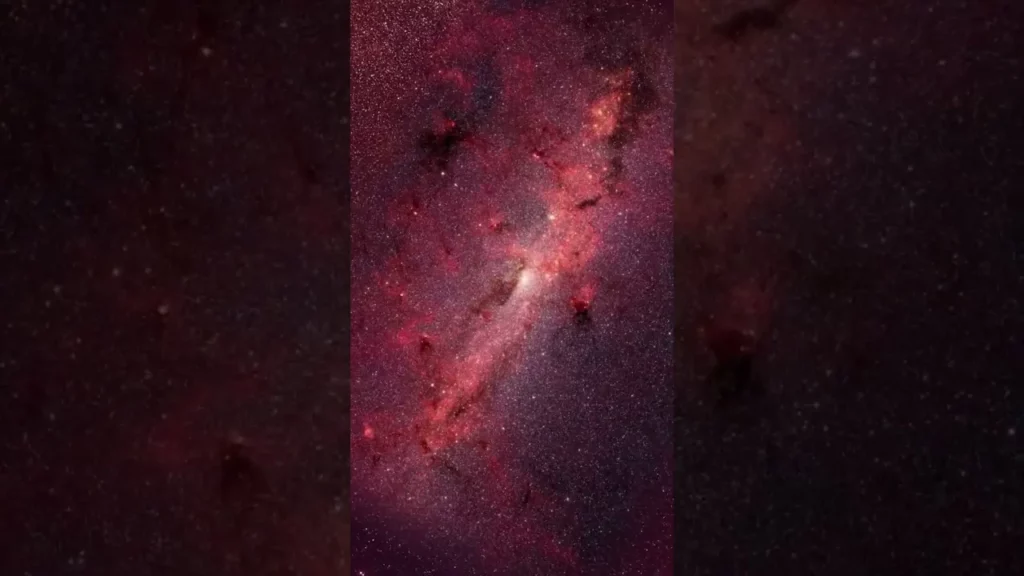
Recent findings from the James Webb Space Telescope (JWST) have revealed surprising characteristics of “teenage galaxies,” which formed 2 to 3 billion years after the Big Bang. These galaxies exhibit unexpected heavy elements, such as nickel, and higher temperatures than previously thought, challenging existing theories of cosmic evolution. This research enhances our understanding of galaxy formation and evolution, providing valuable insights into the processes that shaped the early universe.