
Wavy Space-Time: Solving Gravity’s Quantum Puzzle #cosmology #astronomy #space
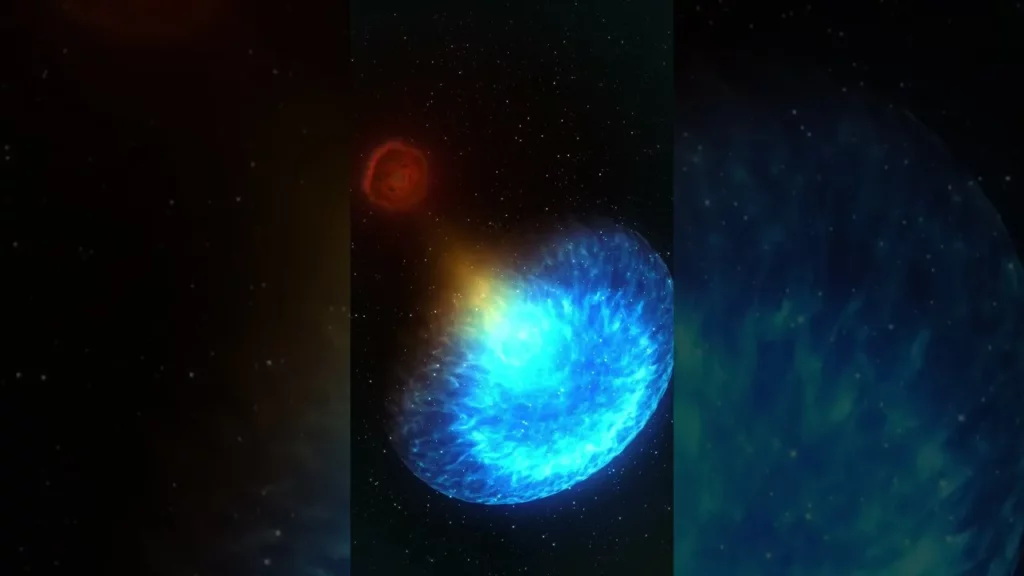
The lesson discusses a new theory that aims to reconcile quantum physics and general relativity by proposing that spacetime is not quantized but instead experiences random fluctuations, setting gravity apart from other forces. This theory’s simplicity, compared to more complex unification approaches, makes it potentially easier to test and could lead to significant advancements in understanding fundamental forces, black holes, dark matter, and dark energy. As researchers investigate this groundbreaking idea, it holds the promise of transforming our comprehension of the universe.
Brian Cox – What Caused The Big Bang?
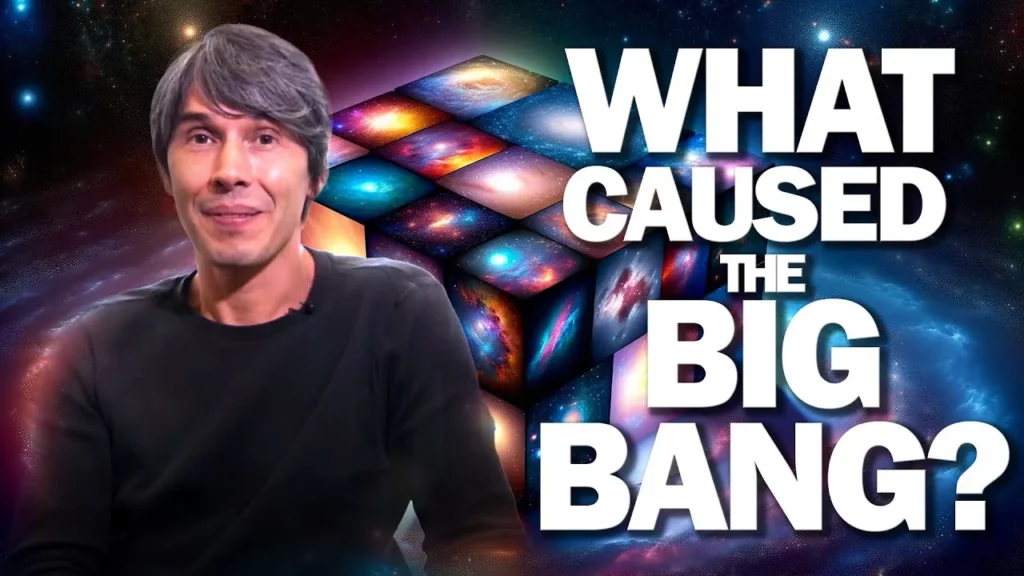
In this lesson, Brian Cox explores the origins of the Big Bang, the event that initiated our universe nearly 14 billion years ago. He discusses the concept of inflation, the nature of the Big Bang as a rapid expansion of space rather than an explosion, and the subsequent formation of matter and cosmic structures. The lesson also delves into various theories, such as quantum fluctuations and the Multiverse Theory, while emphasizing the shift from asking “why” the Big Bang occurred to understanding “how” it happened, ultimately inviting us to ponder the profound mysteries of our existence.
Spacecraft Could Detect Life Signs from Saturn’s Enceladus #cosmology #astronomy #nasa
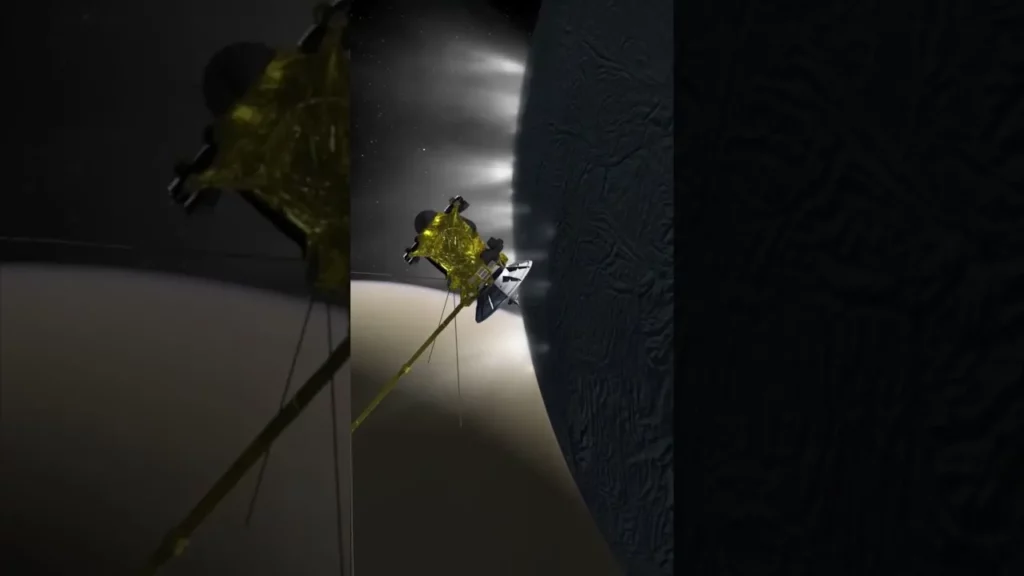
Scientists have discovered that Saturn’s moon, Enceladus, may harbor signs of life detectable by spacecraft, particularly through its icy plumes that could contain organic molecules. Laboratory experiments indicate that amino acids can survive high-speed impacts, suggesting that intact samples could be collected for analysis. This finding not only enhances the potential for discovering life on Enceladus but also has implications for exploring other celestial bodies, like Jupiter’s Europa, thereby advancing our understanding of life beyond Earth.
JWST Uncovers Mysterious Brown Dwarfs as ‘Failed Stars’ #cosmology #astronomy #nasa
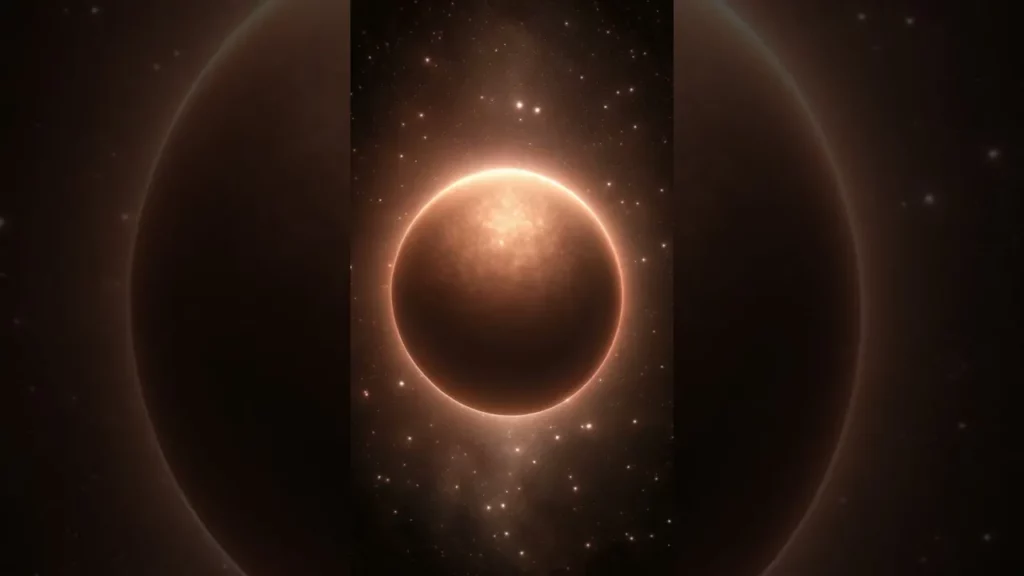
The James Webb Space Telescope (JWST) has discovered intriguing brown dwarfs in a nearby star cluster, challenging existing classifications of celestial objects as they are too large to be planets yet too small to ignite nuclear fusion like stars. One brown dwarf, with a mass eight times that of Jupiter, along with two smaller counterparts, raises questions about the formation of stars and planets and the criteria for categorizing such objects. This discovery enhances our understanding of the universe and the processes that govern the diversity of celestial bodies.
AGI Before 2026? Sam Altman & Max Tegmark on Humanity’s Greatest Challenge
The lesson discusses the pursuit of artificial general intelligence (AGI) by OpenAI, emphasizing its potential to revolutionize human capabilities while also presenting significant ethical and management challenges. Key figures like Sam Altman and Max Tegmark highlight the urgency of addressing the implications of AGI, including the AI alignment problem, to ensure that these advanced systems benefit humanity and do not pose existential risks. As we advance toward AGI, it is crucial to consider equitable decision-making and ownership in shaping its future.
Perseverance Rover Marks 1,000 Sols on Mars #cosmology #astronomy #nasa
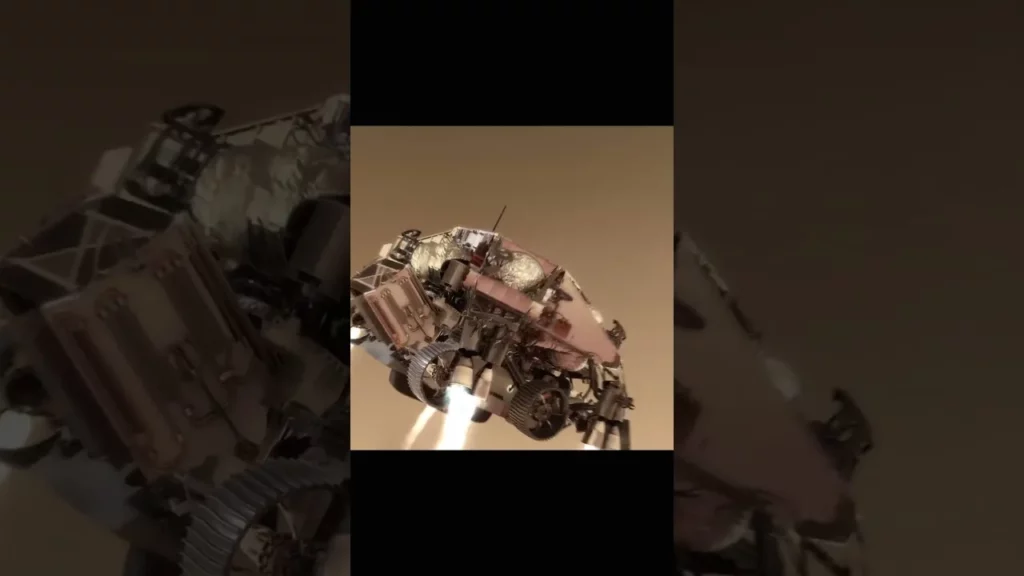
NASA’s Perseverance Rover and Ingenuity helicopter have completed 1,000 sols exploring Jezero Crater on Mars, a site believed to have once been an ancient lake. The rover has collected 23 samples rich in silica and phosphates, which may provide insights into past life on the planet, while Ingenuity has successfully conducted 62 flights, aiding in the exploration efforts. This mission is crucial for understanding Mars’ history and assessing its potential to have supported life.
Earth’s Primordial Elements of Life: New Study Refutes Meteorite Theory
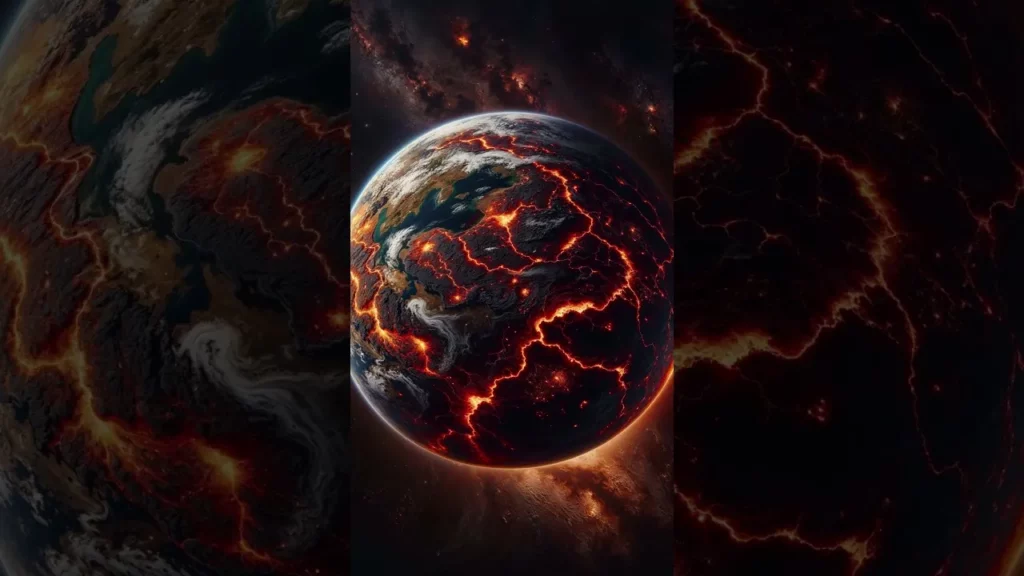
Recent research published in *Science Advances* challenges the traditional “late veneer” hypothesis, proposing that essential elements for life, such as sulfur and nitrogen, have been part of Earth since its formation rather than arriving via meteorite impacts. Utilizing advanced first principles calculations, the study reveals that these volatiles likely remained integrated within the planet’s structure, reshaping our understanding of Earth’s history and influencing the search for habitable exoplanets. This new perspective not only alters our view of Earth’s elemental origins but also has significant implications for astrobiology and the conditions necessary for life elsewhere in the universe.
Searching for Alien Life: Scientists Hunt for Earth-Jupiter Pairs in Space #cosmology #space #nasa
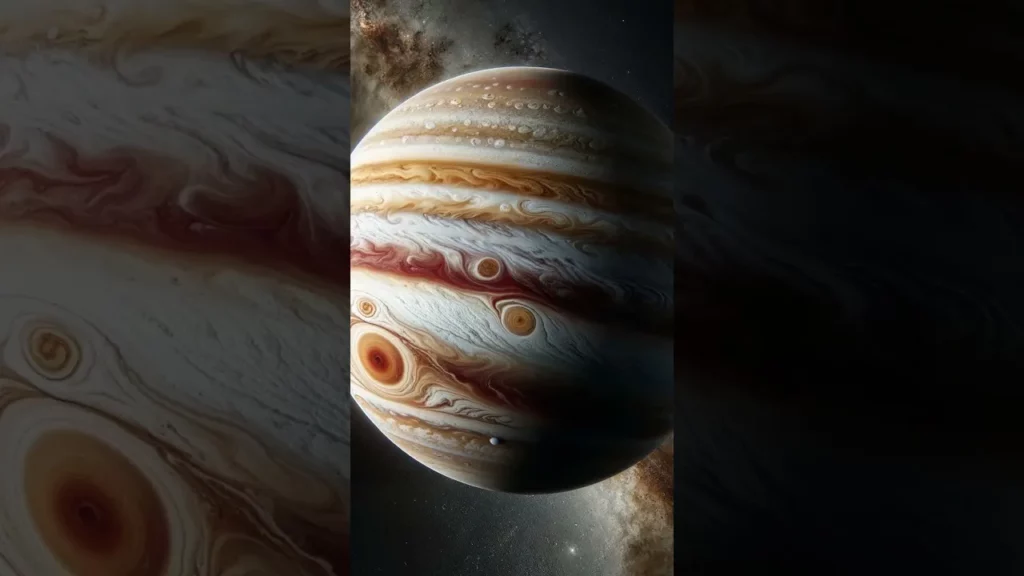
The lesson discusses the Kepler Giant Planet Search, an ambitious project aimed at discovering Earth-sized planets that have Jupiter-like companions in distant solar systems. By employing the radial velocity method to detect the gravitational influences of these gas giants, scientists hope to uncover insights into planetary formation and the potential for life beyond Earth. This research not only enhances our understanding of the cosmos but also prompts us to reconsider our place in the universe as we explore the diverse configurations of solar systems.
Did a White Hole Create Our Universe? Carlo Rovelli Explores Cosmic Mysteries
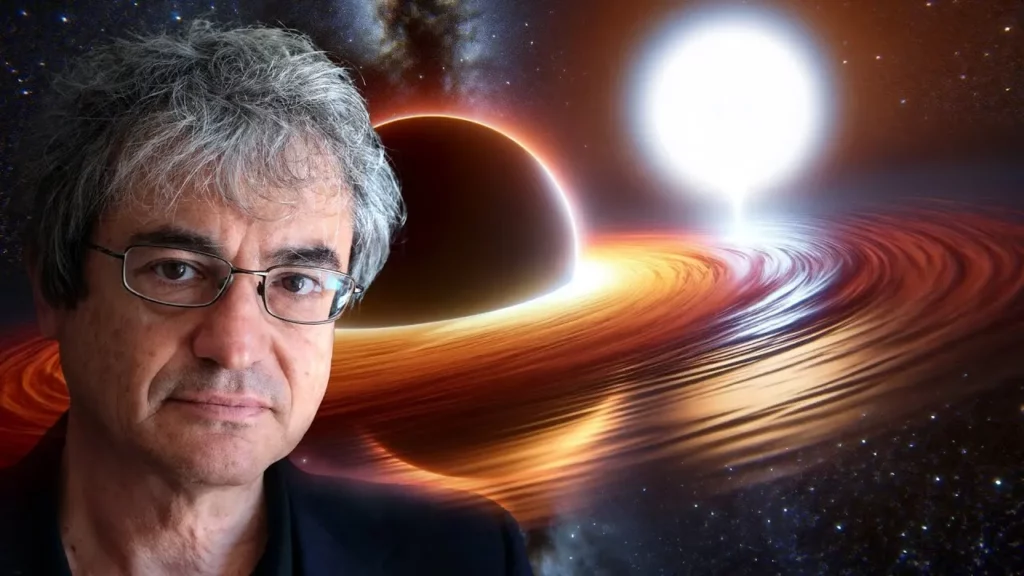
In this lesson, Carlo Rovelli explores the intriguing concept of white holes as a potential origin for our universe, contrasting them with black holes. While black holes absorb matter, white holes are theorized to expel it, leading to speculative ideas about the transformation of black holes into white holes over time, particularly through quantum processes. This discussion challenges existing notions of physics, particularly regarding entropy and the nature of information, and encourages ongoing exploration into the mysteries of the cosmos.
Artemis Mission: Global Astronaut to Moon by the End of the Decade #cosmology #astronomy #nasa
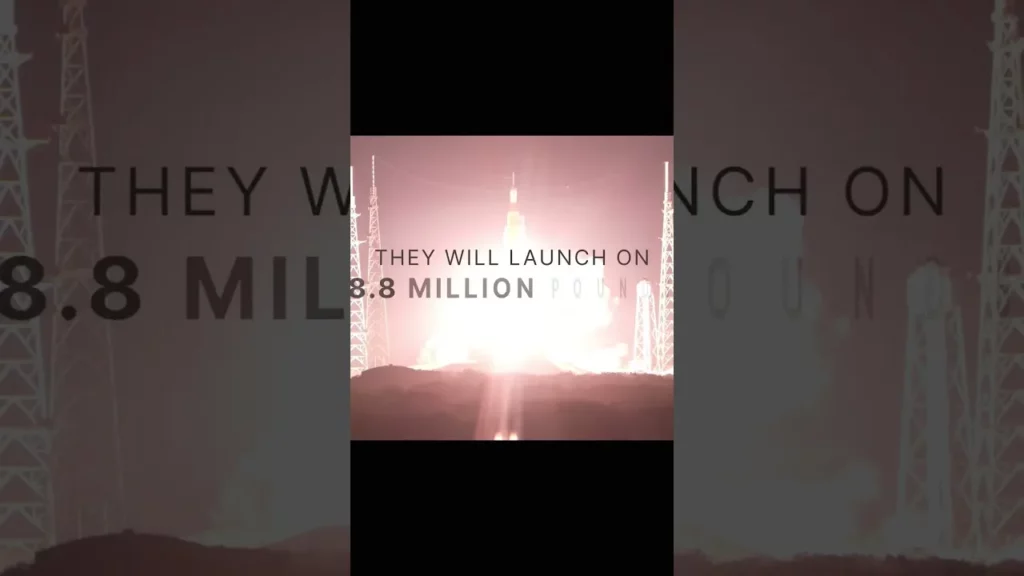
The Artemis program is a collaborative NASA initiative aimed at landing an astronaut from around the world on the moon by the end of the 2020s, marking a significant step in international space exploration. This mission seeks to establish a sustainable human presence on the moon, which will serve as a foundation for future missions to Mars and beyond, emphasizing the importance of global partnerships in achieving shared goals in space. Ultimately, Artemis represents a new era of exploration, inspiring future generations to dream big and work together to unlock the mysteries of the universe.