
Virgin Galactic’s 6th Spaceflight Set for Jan. 26 Launch #cosmology #astronomy #virgingalactic
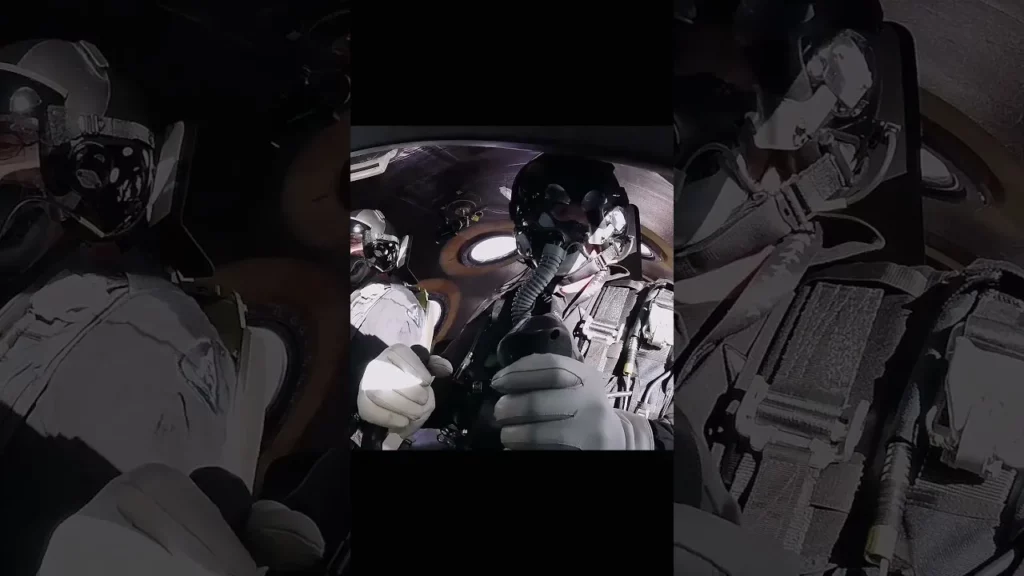
Virgin Galactic is set to launch its sixth commercial spaceflight on January 26th, featuring four private astronauts from diverse backgrounds, marking a significant milestone in the burgeoning field of space tourism. Under Richard Branson’s leadership, the company has successfully completed six spaceflights in 2023 and plans to retire its current spaceplane, VSS Unity, in 2024, transitioning to a new Delta class spaceplane for more frequent flights starting in 2025. This evolution in commercial space travel not only democratizes access to space but also inspires future exploration and innovation.
Cryobots Can “UnEarth” Aliens on Europa? #sciencetime #nasa #aliens
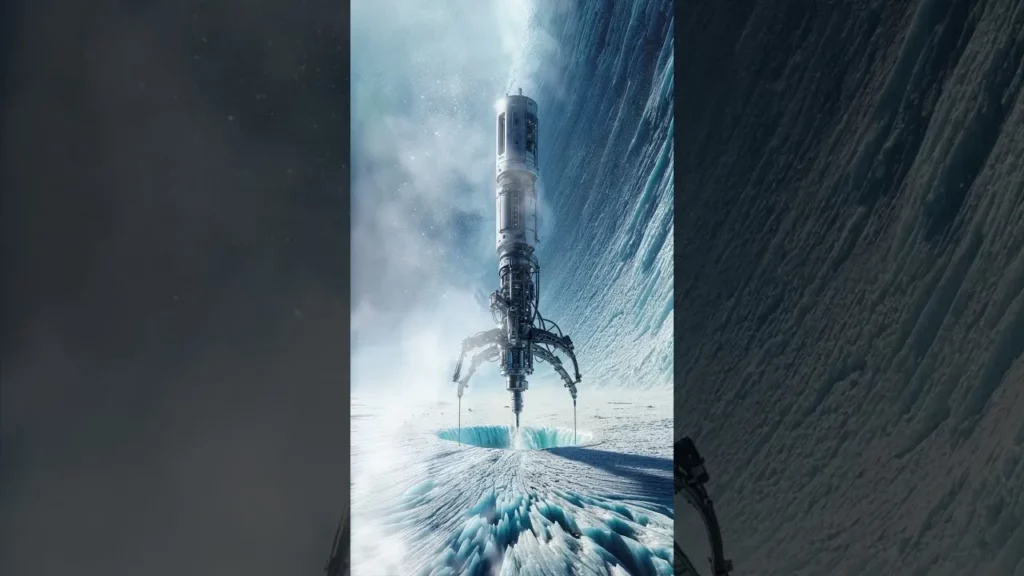
The lesson discusses NASA’s innovative mission to use cryobots for exploring the icy moons of Jupiter and Saturn, such as Europa and Enceladus, in search of signs of life. Cryobots are specialized robotic probes designed to drill through thick ice using thermal drilling techniques, and their successful operation relies on effective power sources, thermal control, mobility, and communication with Earth. This mission aims to enhance our understanding of life in the universe and could reveal that life may exist in other parts of our solar system.
Neil deGrasse Tyson Explores Revolutionary Findings of the James Webb Telescope
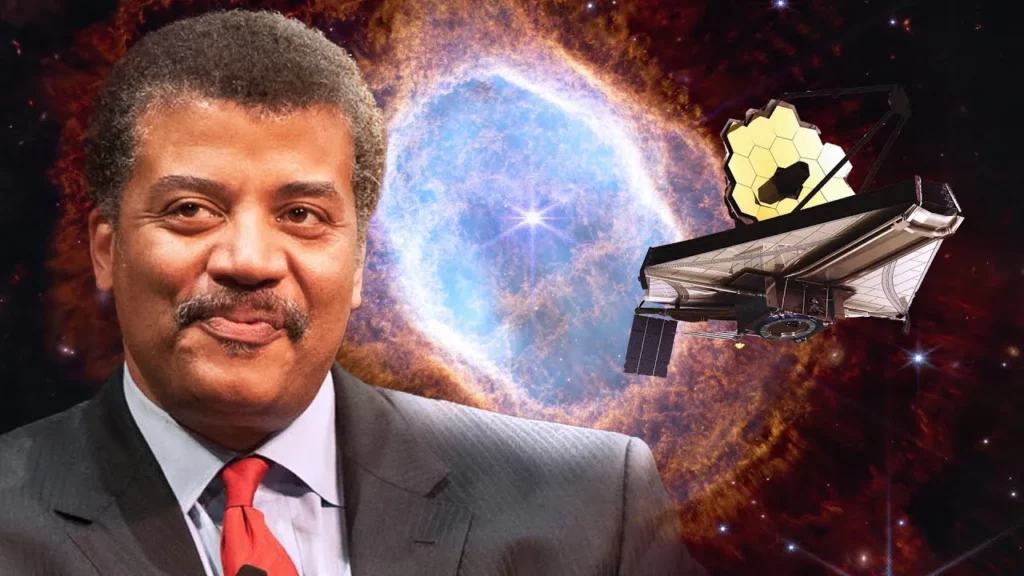
The lesson highlights the transformative discoveries made by the James Webb Space Telescope (JWST), which is revolutionizing our understanding of the universe through its unprecedented infrared observations. By uncovering ancient galaxies and the earliest cosmic structures, the JWST challenges existing theories of galaxy formation and the universe’s expansion, while also providing insights into our solar system. As scientists analyze the data and await further spectral information, the JWST is poised to reshape cosmological models and deepen our comprehension of the universe’s origins.
Life Beyond Earth May Form in The Coldest Depths of Space #sciencetime #cosmology #astronomy
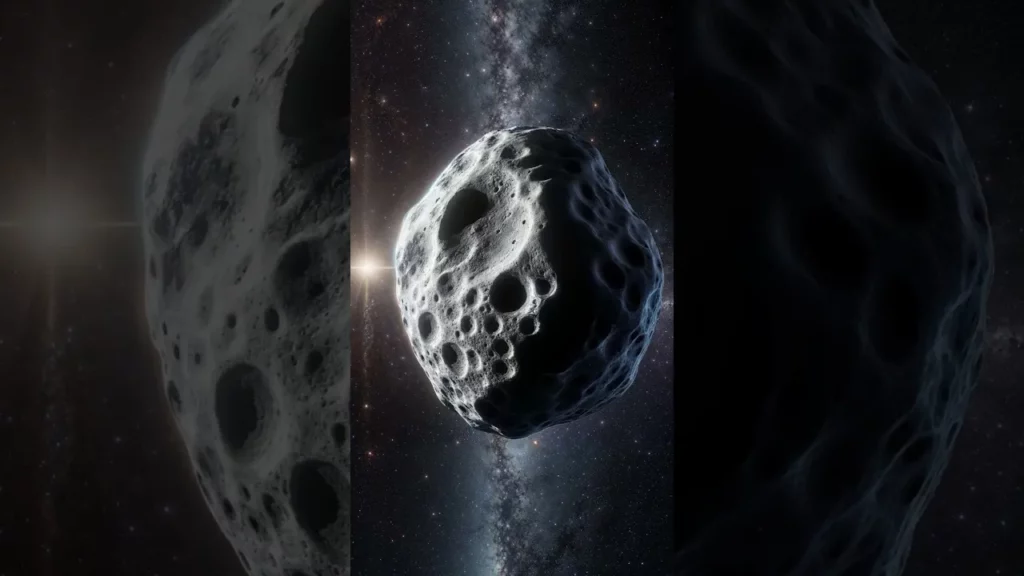
Recent research on the Theryugu asteroid has revealed the presence of polycyclic aromatic hydrocarbons (PAHs) in the cold depths of space, suggesting that the building blocks of life can form in environments previously deemed inhospitable. This discovery challenges traditional theories about the origins of life and expands our understanding of where life might exist in the universe, indicating that life could emerge in ways we have yet to consider. As scientists continue to explore these findings, they may reshape our perspectives on the potential for life beyond Earth.
JWST’s Discovery of Warped Supernova Poised to Resolve Enduring Cosmic Debate #nasa #space
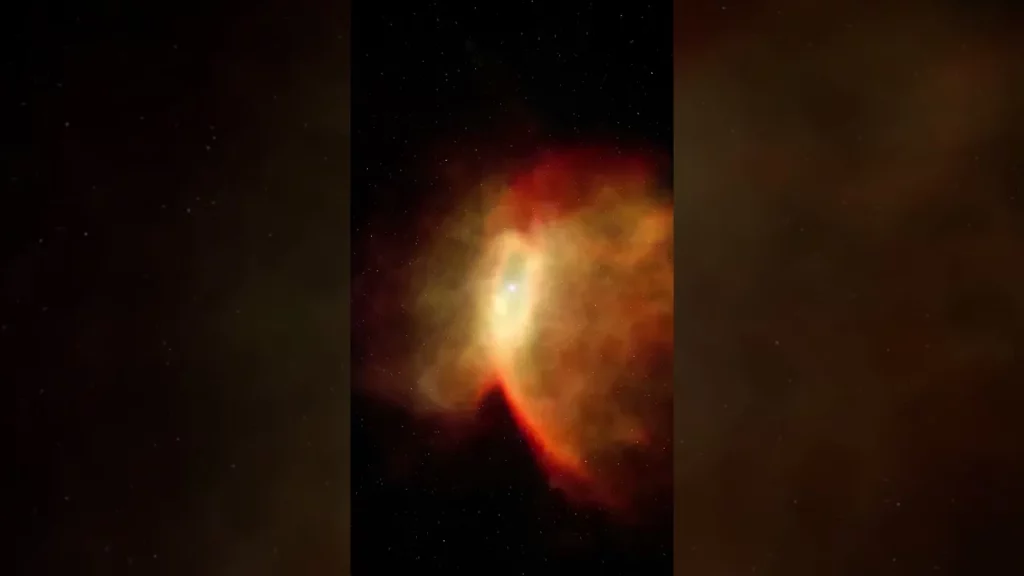
The James Webb Space Telescope (JWST) has observed two supernovas, Requiem and Encore, in a galaxy from 10 billion years ago, utilizing gravitational lensing to magnify their light. This discovery is significant as it may help resolve the ongoing debate regarding the Hubble constant, which measures the universe’s expansion rate, a topic that has produced conflicting results over the years. While definitive conclusions will not be reached until 2035, this finding highlights the potential of modern astronomy to deepen our understanding of cosmic mysteries.
How an Ancient Spiral Galaxy Helps us Understand The Milky Way #sciencetime #spacescience #astronomy
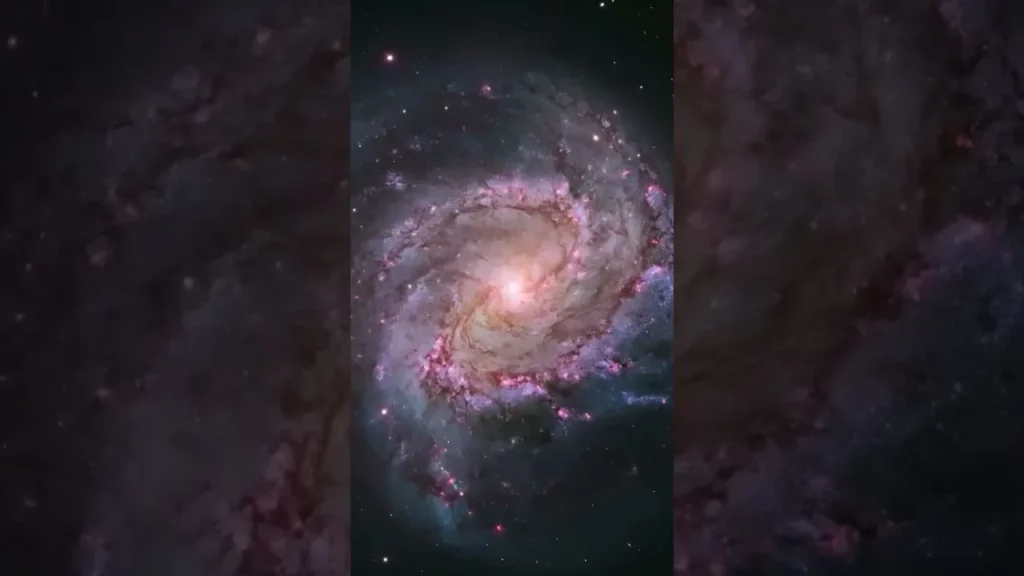
The lesson explores an ancient spiral galaxy over 12 billion years old, observed by the ALMA telescope, which is actively forming stars at a rate significantly higher than the Milky Way. Key features, such as its rapid star formation and a unique bar-like structure, provide insights into galaxy evolution and the conditions that shaped our own galaxy. By studying this ancient galaxy, scientists aim to unravel the mysteries of galaxy formation and enhance our understanding of the universe’s history.
Brian Cox – Alien Life & The AI Hypothesis
In the lesson “Brian Cox – Alien Life & The AI Hypothesis,” the Fermi Paradox is explored, questioning why, despite the vastness of the universe and the potential for numerous extraterrestrial civilizations, we have yet to find evidence of alien life. The discussion introduces the AI hypothesis, suggesting that advanced civilizations may evolve artificial intelligence that surpasses biological life, potentially leading to their silence or invisibility to us. This perspective challenges our understanding of consciousness and the nature of life, proposing that the universe may be filled with advanced digital entities that we are currently unable to detect or comprehend.
Private Mission to Venus Will Search For Alien Life #sciencetime #spacescience #astronomy
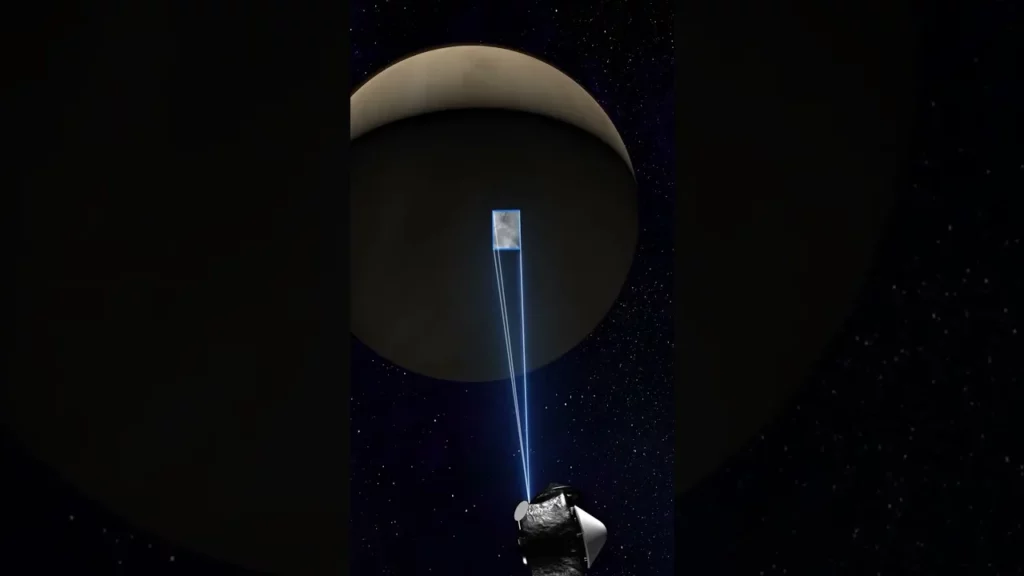
The upcoming private mission to Venus, set to launch in January 2025, aims to investigate the potential for alien life within the planet’s sulfuric acid clouds. By searching for signs of organic chemistry in this extreme environment, the mission challenges traditional notions of habitability and could redefine our understanding of where life might exist beyond Earth. This initiative represents a significant advancement in astrobiology, potentially paving the way for future explorations of other inhospitable environments in the galaxy.
Spacetime Ripples From the Dawn of The Universe? #sciencetime #spacescience #astronomy
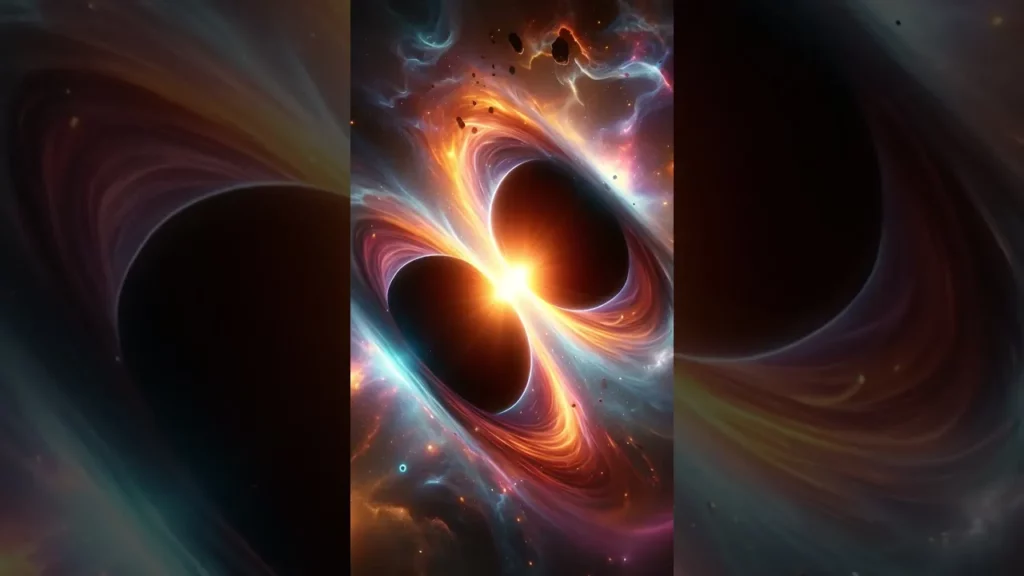
In 2023, astronomers discovered faint ripples in spacetime that may trace back to the universe’s inception, potentially caused by merging supermassive black holes or other phenomena like cosmic strings and phase transitions. The North American Nano Hertz Observatory for Gravitational Waves (NANOGrav) is investigating these signals, which could provide insights into dark matter and dark energy. Advanced technologies, including the upcoming Laser Interferometer Space Antenna (LISA), are essential for accurately interpreting these cosmic signals and unlocking the secrets of the universe’s formation.
Frank Wilczek on Alien Life #aliens #galaxy #universe
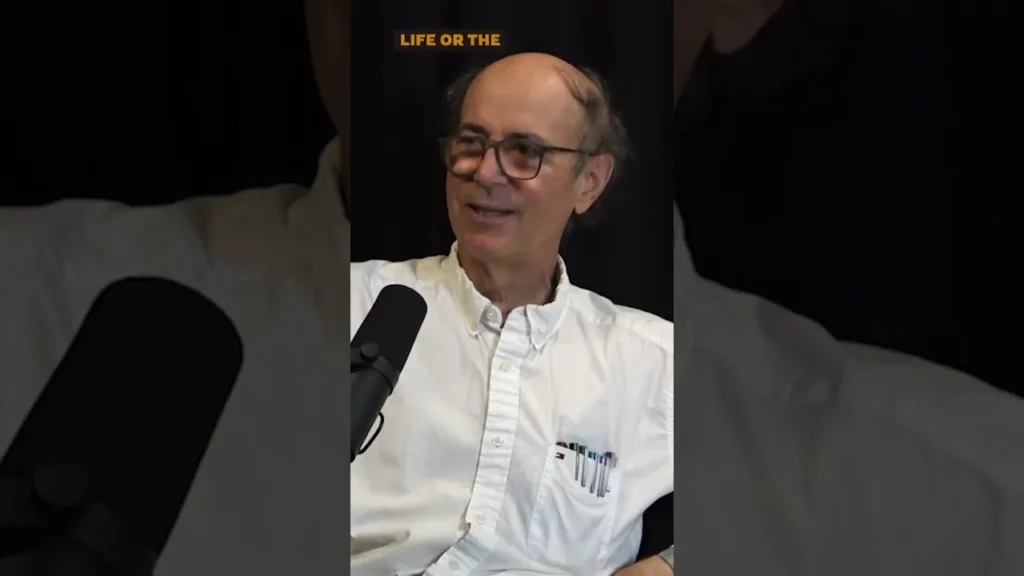
In his discussion on the possibility of alien life, physicist Frank Wilczek emphasizes that while life may be common in the universe due to suitable conditions on various planets and moons, the emergence of intelligent life capable of technology and civilization is likely a rare occurrence. He acknowledges the uncertainty surrounding humanity’s uniqueness in the galaxy and highlights ongoing research efforts, including advanced technologies and studies of extreme environments on Earth, to enhance our understanding of life beyond our planet. Ultimately, the quest to uncover the mysteries of extraterrestrial life continues to captivate scientists and thinkers alike.