
Donald Hoffman’s Theory on Consciousness – The Greatest Mystery in The Universe
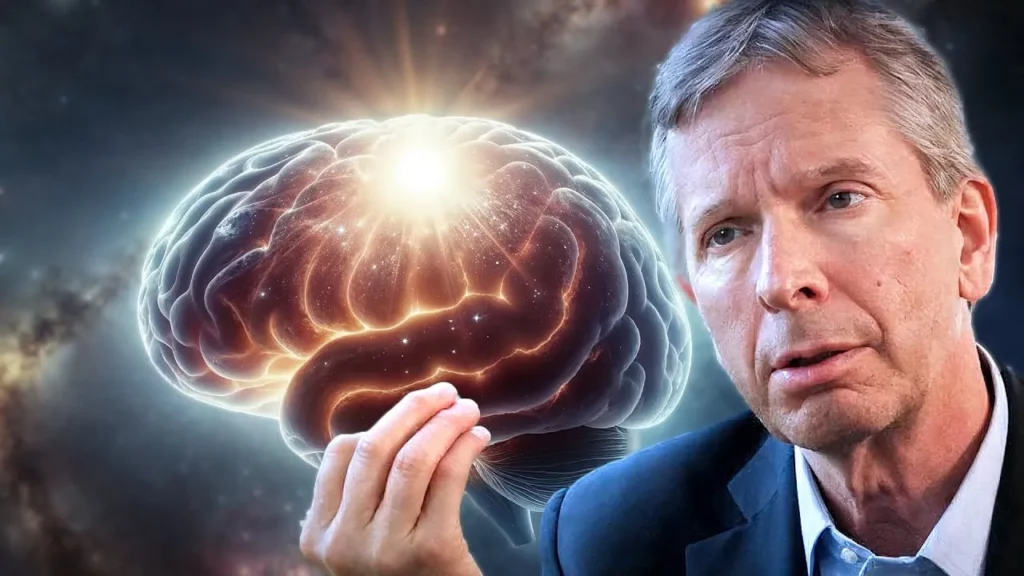
Donald Hoffman’s theory posits that our perceptions of reality are not direct reflections of the external world but rather sophisticated interfaces shaped by evolutionary processes to aid in survival. He challenges the traditional view that space-time is fundamental, suggesting instead that consciousness is the core of reality, influencing our understanding of phenomena, including those in quantum mechanics. Hoffman’s revolutionary ideas invite ongoing debate and exploration within the scientific community, highlighting the profound complexities of consciousness and its role in shaping our experiences.
JWST Will Confirm First Water World? #jwst #nasa #spacescience
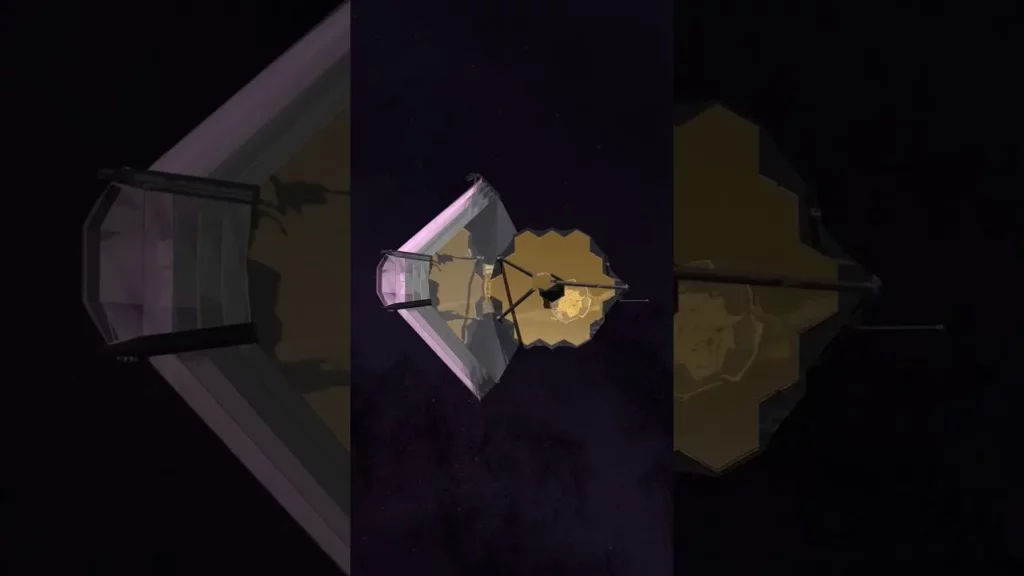
The lesson discusses the potential confirmation of a water-rich exoplanet located 50 light-years away in the habitable zone of its star, which may support conditions for life. Recent studies suggest that this planet, initially thought to be rocky, could actually have vast oceans or a thick atmosphere, and the James Webb Space Telescope (JWST) is poised to investigate its atmospheric composition for signs of water. Confirming the presence of water would significantly advance our search for extraterrestrial life and enhance our understanding of alien climates.
NASA Detects Lava World Exoplanet? #astronomy #nasa #spacescience
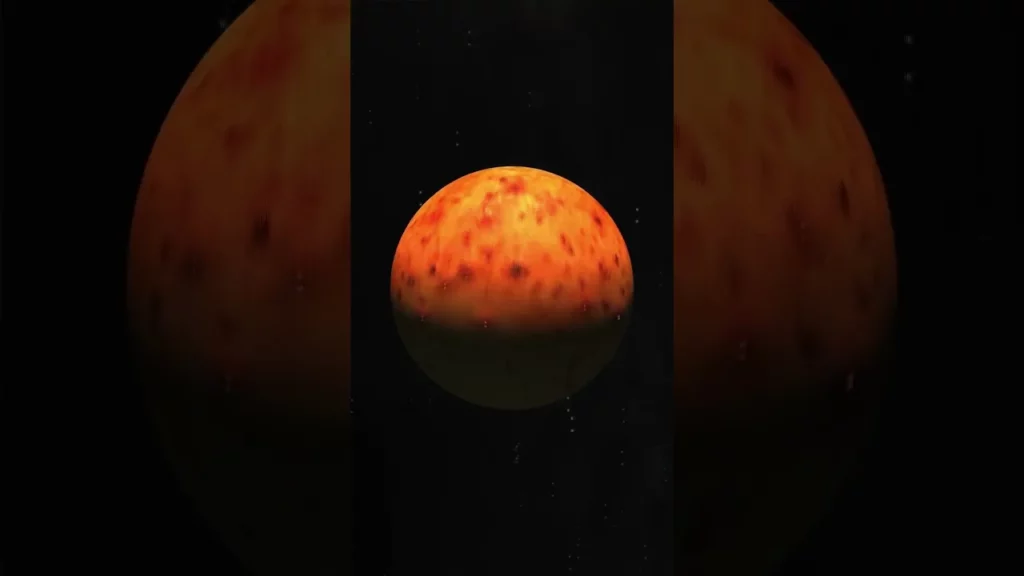
NASA’s Transiting Exoplanet Survey Satellite (TESS) has discovered a young exoplanet, roughly Earth-sized and located 73 light-years away, that orbits its star in just 4.2 days, resulting in extreme temperatures of 1,260 degrees Celsius on its day side. This exoplanet, one of the youngest known, offers valuable insights into planetary formation and evolution, and its unique characteristics, including stark temperature differences between its day and night sides, make it an intriguing subject for further study.
Why Are Some Black Holes Bigger Than Others? #astronomy #universe #spacescience
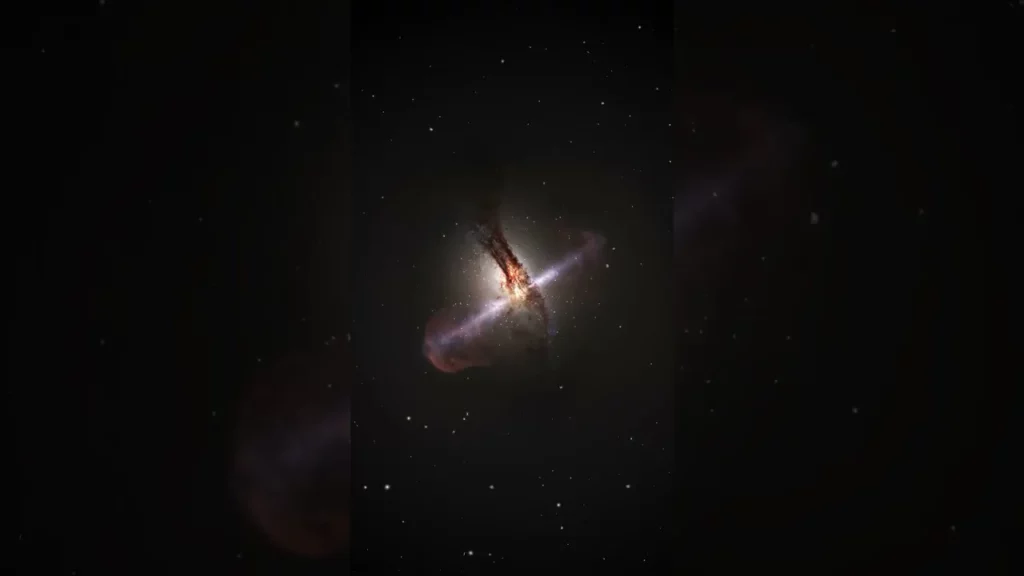
The lesson explores the varying sizes of black holes, highlighting the distinction between stellar-mass black holes, formed from the collapse of massive stars, and supermassive black holes, which can be millions or billions of times the mass of the Sun and are typically found at the centers of galaxies. It also discusses how black holes are detected through their gravitational effects on surrounding materials, which can emit light as they spiral in, providing evidence of their existence. Understanding these differences enhances our knowledge of the universe and the powerful forces at play.
Elon Musk – Why, How & When We Will Colonize Mars
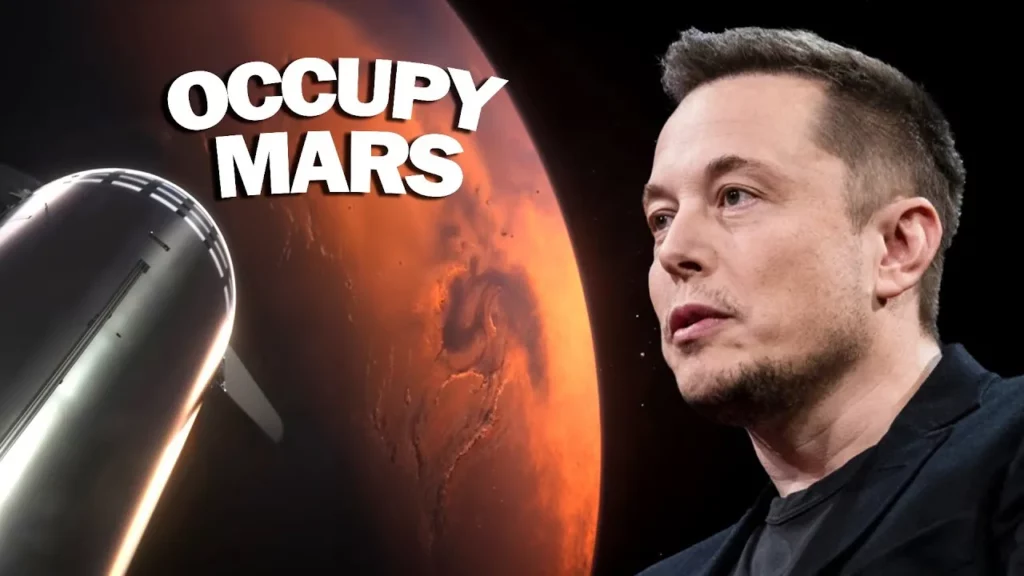
The lesson discusses Elon Musk’s ambitious vision for colonizing Mars, emphasizing the importance of this endeavor for humanity’s future and survival. Musk believes that establishing a human presence on Mars could serve as an “insurance policy” for civilization, allowing us to explore and learn from the universe while ensuring the continuation of life beyond Earth. The lesson outlines the challenges of getting to Mars, the potential for terraforming the planet, and the technological advancements needed to make this dream a reality within the next few decades.
How Will We Communicate With Aliens? #aliens #universe #alien
The lesson on “How Will We Communicate With Aliens?” delves into the field of Zeno Linguistics, which investigates potential extraterrestrial languages by integrating biology and linguistics to facilitate communication with intelligent life beyond Earth. It highlights the efforts of SETI in detecting alien signals and emphasizes the importance of crafting messages using universal principles, such as mathematics, to enhance our understanding of language and communication both in the cosmos and on Earth. Ultimately, this exploration not only seeks to bridge the gap between species but also enriches our comprehension of language itself.
JWST Finds Early Galaxies Shaped Like Surfboards & Pool Noodles #jwst #jameswebbspacetelescope
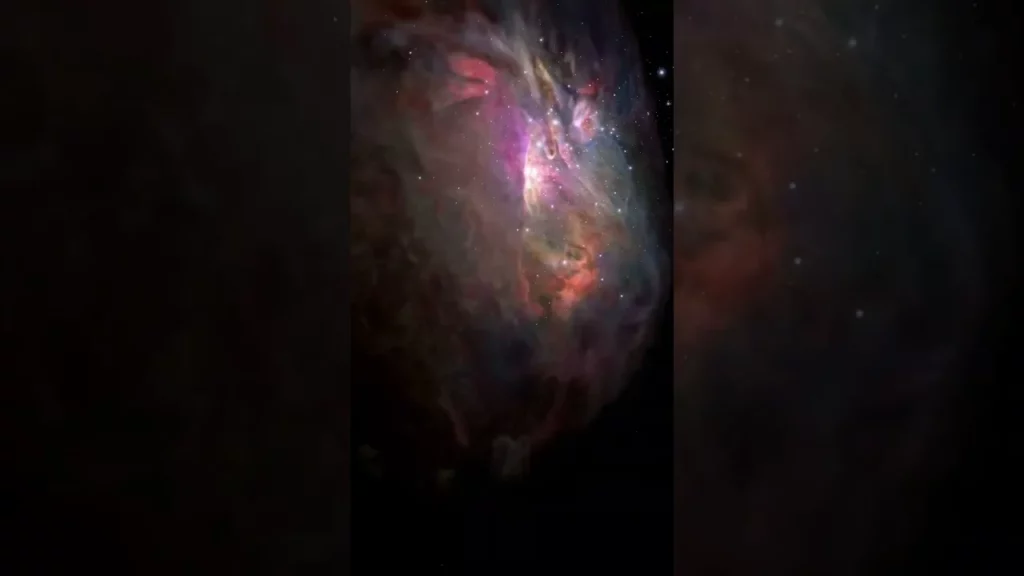
The James Webb Space Telescope (JWST) has revealed that some of the earliest galaxies in the universe were shaped like surfboards and pool noodles, influenced by the cosmic web’s filaments made of dark matter. These elongated forms eventually evolved into the disk-like shapes we recognize today, driven by dark matter halos and galactic mergers over billions of years. This research enhances our understanding of galactic evolution and the complex interplay between dark matter and the universe’s structure.
Why Will The Pentagon Declassify Some Secret Space Programs? #spacescience #space #pentagon
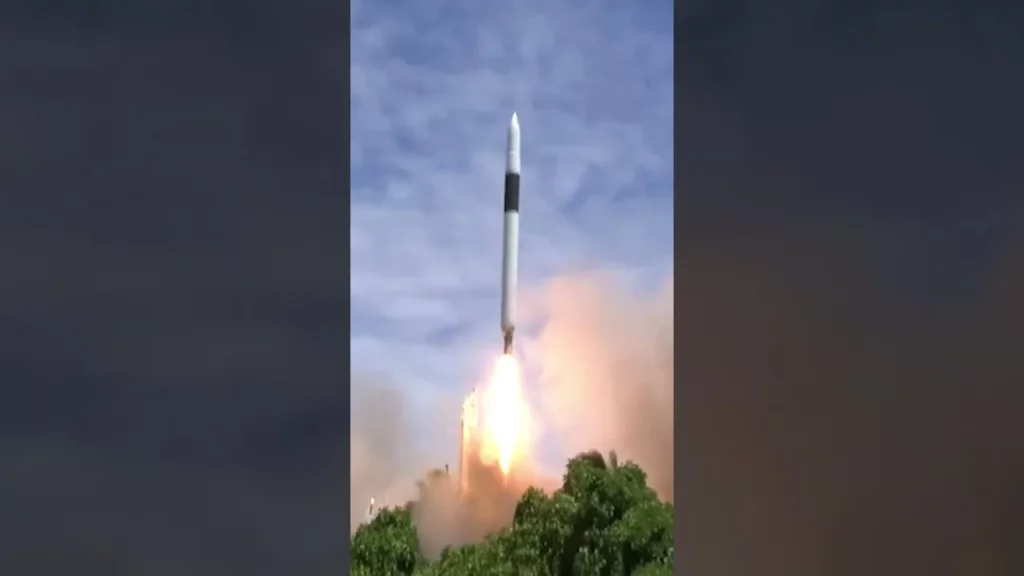
The Pentagon plans to declassify certain secret space programs to enhance military capabilities, foster collaboration with private industry, and strengthen alliances with international partners. This initiative aims to update outdated security policies, improve information sharing, and maintain a competitive edge over nations like China and Russia. Ultimately, the move is intended to promote transparency and innovation in the U.S. space strategy.
Brian Cox – What Happened After The Big Bang?
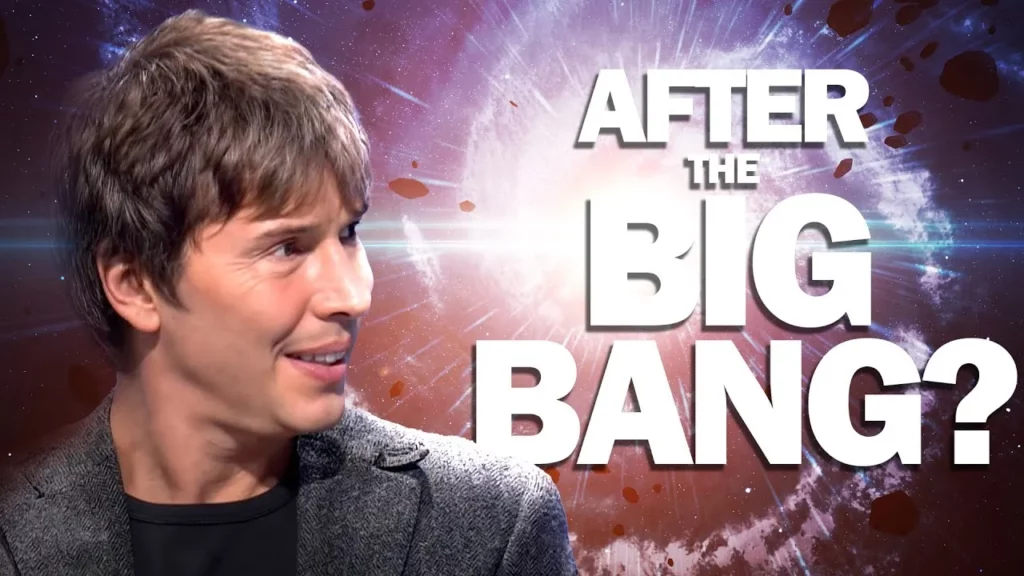
In this lesson, Brian Cox explores the universe’s earliest moments following the Big Bang, focusing on the cosmic microwave background radiation, which provides crucial insights into the universe’s infancy. He discusses the advancements in cosmic exploration through missions like Planck and the James Webb Space Telescope, which allow us to observe ancient light and understand the formation of the first stars and galaxies. Despite these advancements, the lesson highlights the ongoing mystery of dark matter, which remains elusive and undetectable by conventional means, prompting continued research to uncover its nature and influence in the cosmos.
Could The Universe be Younger Than 13.8 Billion Years Old? #spacescience #astronomy #universe
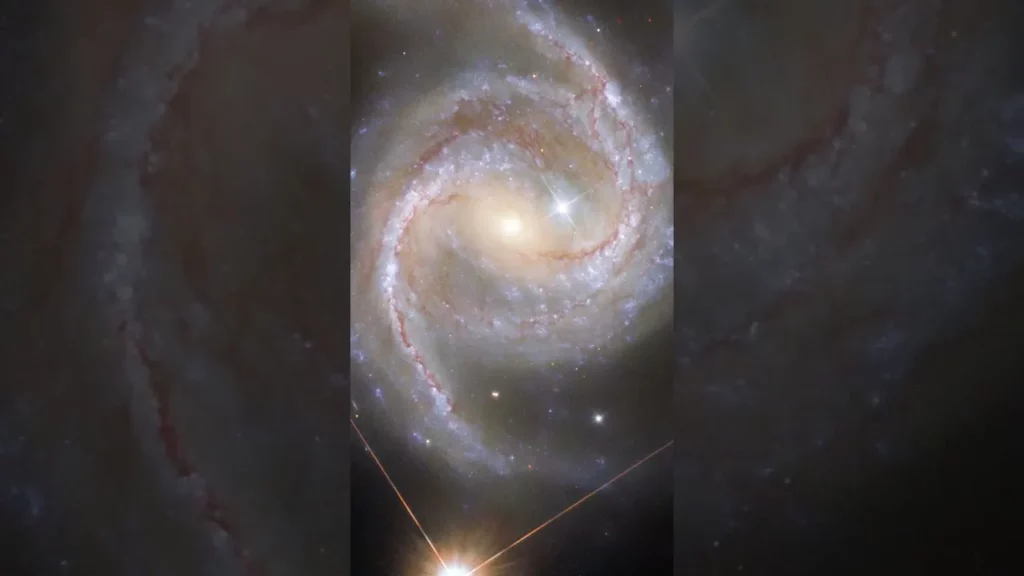
Recent scientific observations have raised questions about the traditionally accepted age of the universe, estimated at 13.8 billion years. New research on the movements of satellite galaxies suggests that the universe might be younger, as unexpected patterns in their rotation challenge existing models. This debate is further complicated by the “Hubble tension,” a discrepancy in measuring the universe’s expansion rate, indicating that resolving these issues could significantly alter our understanding of cosmology and the nature of dark matter and dark energy.