
Alien Megastructures Found in 2015? #aliens #alien #universe
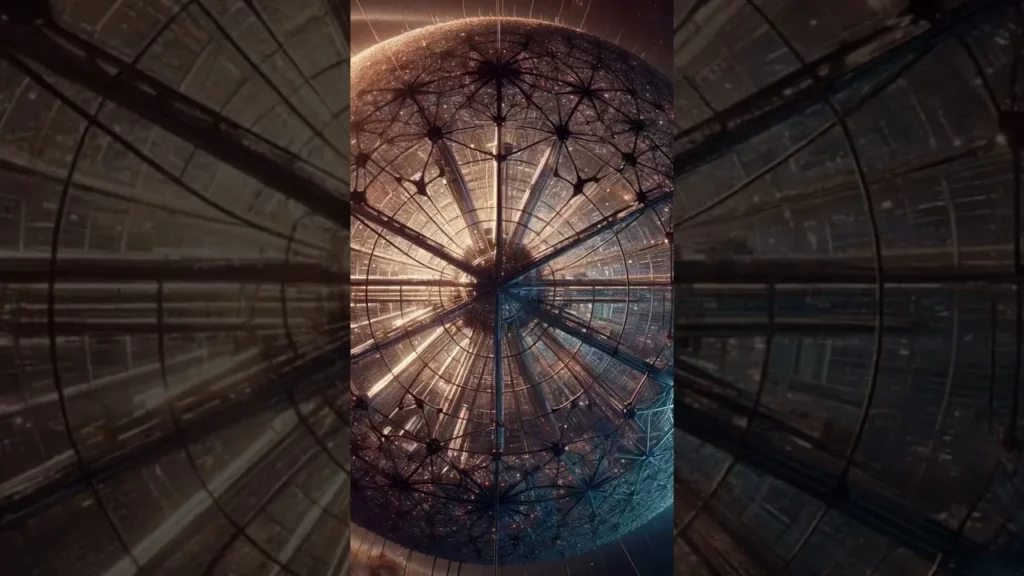
In 2015, scientists observed unusual light patterns from a distant star, initially hypothesizing that they could be evidence of alien megastructures, such as solar panels or space stations. However, further analysis revealed that the light variations were likely caused by dust obstructing the star’s light, highlighting the importance of careful data examination in the search for extraterrestrial life. This experience has since driven researchers to employ advanced technologies, like machine learning, to continue exploring the cosmos for potential anomalies.
JWST Reveals a Treasure Trove of Images Showcasing Spiral Galaxies #jwst #astronomy #universe
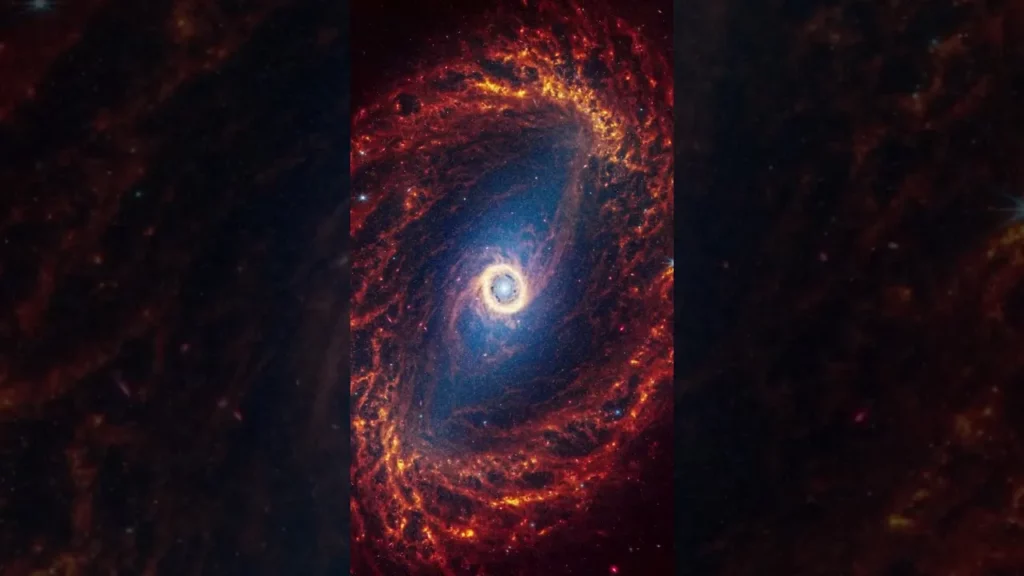
The James Webb Space Telescope (JWST) has revealed stunning images of 19 spiral galaxies, showcasing their intricate structures in unprecedented detail. These images serve as a crucial resource for astronomers, enhancing our understanding of galaxy formation and evolution, and offering new insights into the broader processes that shape the universe. This advancement marks a significant step forward in astronomy, promising to deepen our knowledge of the cosmos.
How Big is The Universe?
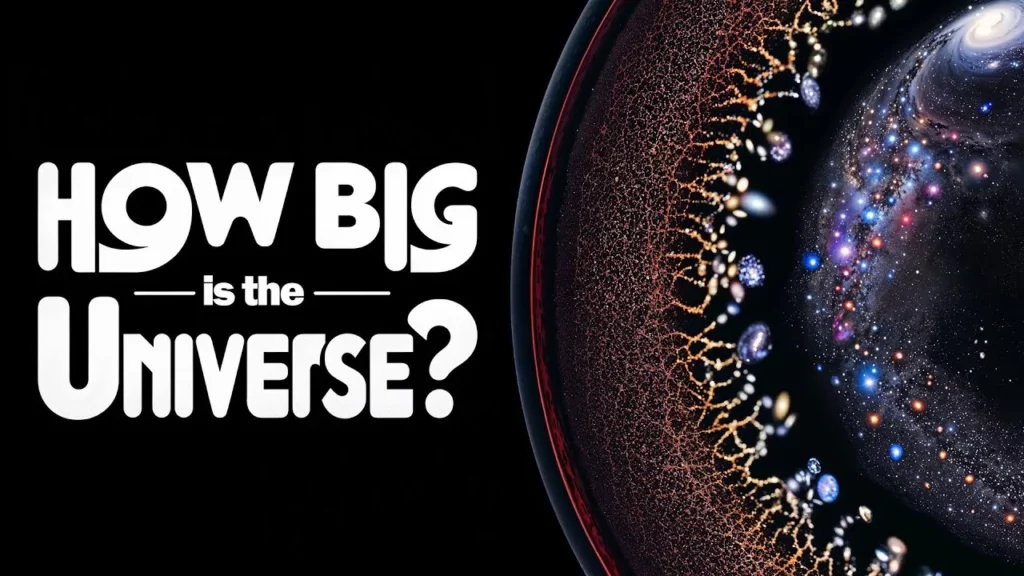
The lesson “How Big is The Universe?” explores the immense scale of the cosmos, starting from our home planet, Earth, and extending to the far reaches of the observable universe. It highlights the vast distances within our solar system, the challenges of interstellar travel, and the structure of galaxies, culminating in the realization that the universe is not only expansive but potentially infinite, with much of it remaining beyond our reach and understanding. Through this journey, we are reminded of our small place in the grand scheme of the universe and the importance of cherishing our home.
How SETI is Expanding its Search For Alien Intelligence #aliens #SETI #universe
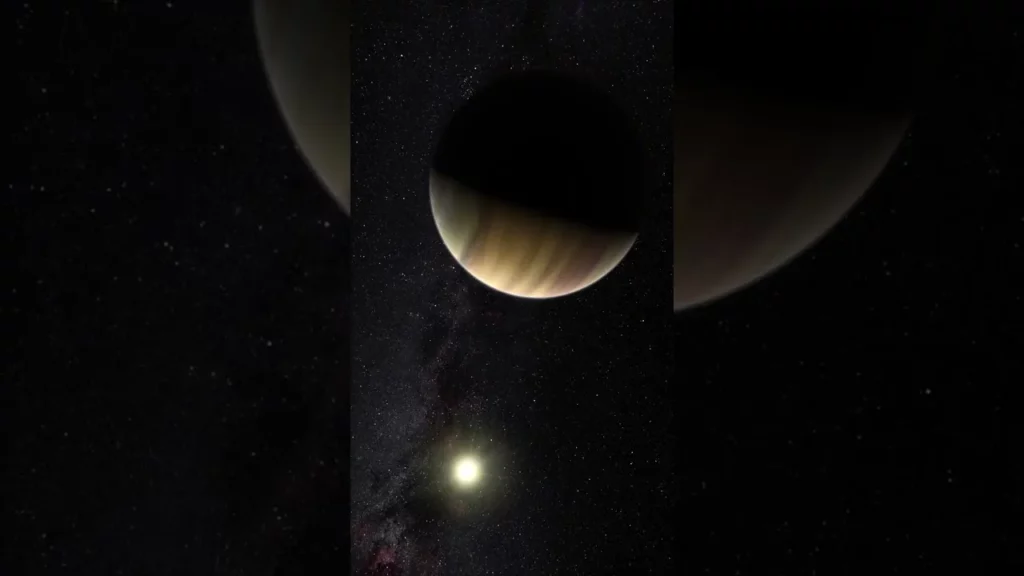
The SETI Institute is intensifying its search for extraterrestrial intelligence by exploring extreme environments on Earth, studying habitable exoplanets, and utilizing advanced radio telescopes to detect potential signals from space. By understanding how life thrives in harsh conditions and focusing on planets that may support life, SETI aims to identify signs of alien civilizations through innovative technologies and global collaboration. This multifaceted approach not only seeks to answer the profound question of whether we are alone in the universe but also enhances our understanding of the cosmos.
NASA’s Europa Clipper Ready to Explore Jupiter’s Mysterious Ocean Moon #europa #astronomy #universe
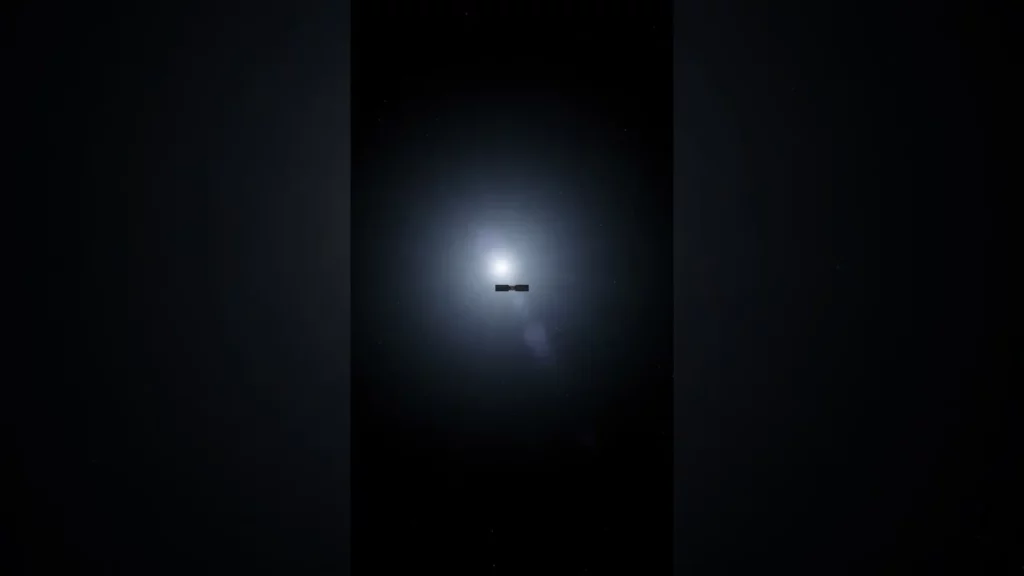
NASA’s Europa Clipper mission aims to explore Jupiter’s moon Europa, which is believed to harbor a vast ocean beneath its icy surface, potentially making it a candidate for extraterrestrial life. Scheduled for launch in October and set to arrive by 2030, the spacecraft will utilize advanced instruments, including high-resolution cameras and mass spectrometers, to conduct 49 close flybys of Europa over four years, gathering crucial data about its ocean, ice shell, and atmosphere. This mission represents a significant advancement in our understanding of life in extreme environments within our solar system.
Plasma Loops on The Sun After Massive Solar Explosion #sun #astronomy #universe
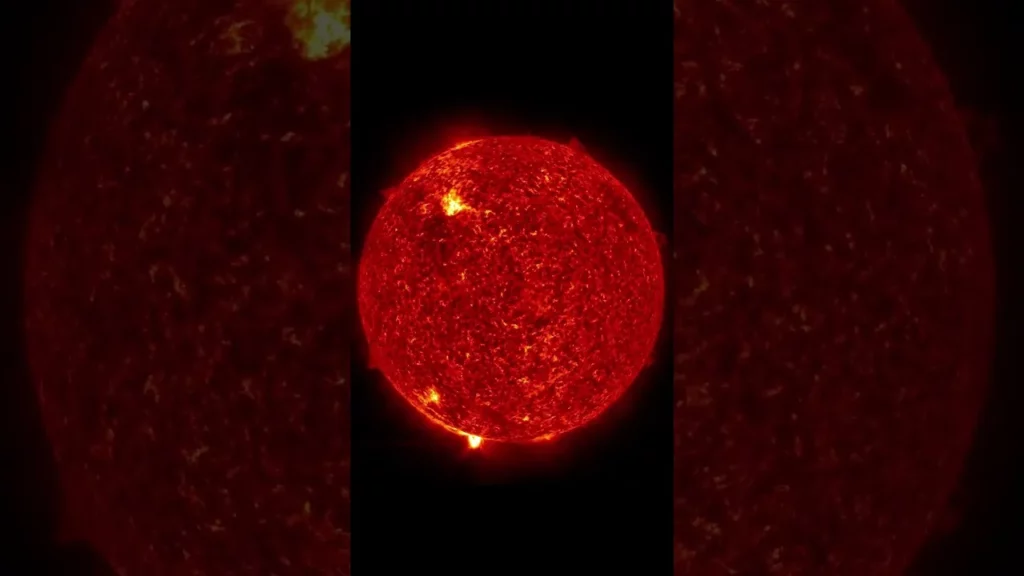
The lesson discusses the phenomenon of plasma loops that formed after a massive solar flare from sunspot AR3559, highlighting their significance in understanding solar activity. These post-flare loops, shaped by the sun’s magnetic fields, challenge existing theories in solar physics and underscore the dynamic nature of the sun as it approaches its solar maximum. The study of these loops offers exciting opportunities for new discoveries about our closest star.
What Was Before the Big Bang?
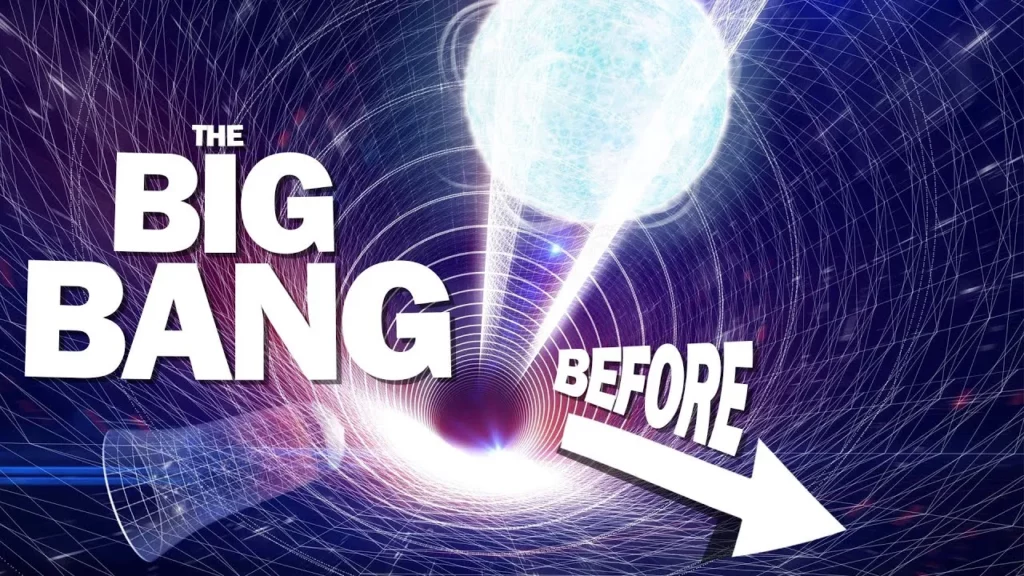
The lesson explores the intriguing question of what may have existed before the Big Bang, highlighting that while the Big Bang Theory explains the universe’s expansion and cooling over 14 billion years, it does not clarify the conditions prior to this event. Various hypotheses, including cyclic models, Stephen Hawking’s boundary-less universe, and multiverse theories, suggest that our understanding of cosmic origins may be far more complex, involving concepts like repulsive gravity and the potential for interconnected universes. Ultimately, the lesson emphasizes the need for continued exploration at the intersection of physics, philosophy, and cosmology to unravel the mysteries of our universe’s beginnings.
Jupiter’s Volcanic Moon Io Looks Outstanding #jupiter #astronomy #solarsystem
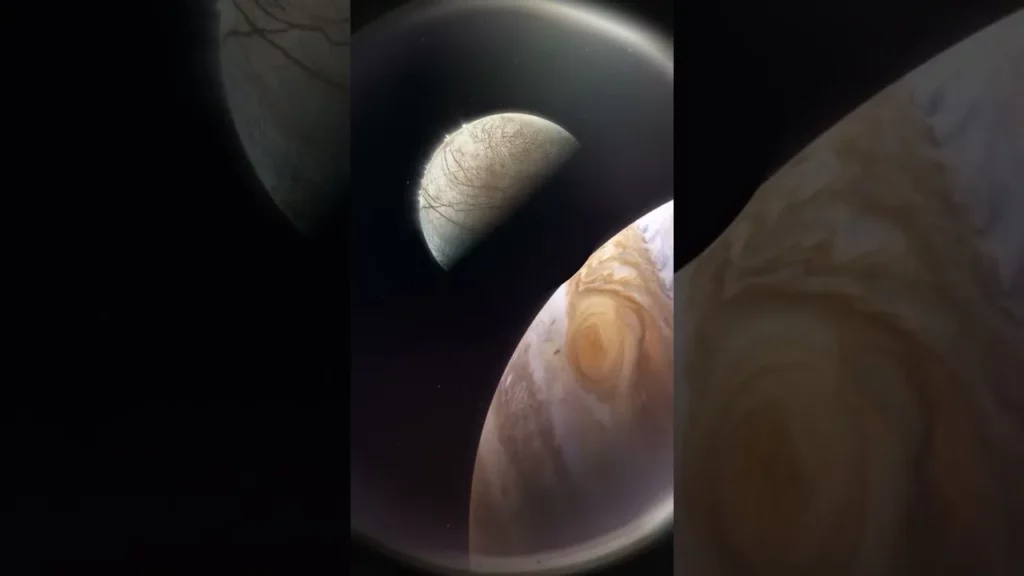
NASA’s Juno spacecraft has recently completed its second close flyby of Jupiter’s volcanic moon, Io, capturing stunning images and valuable data about its intense volcanic activity. Launched in 2011 and orbiting Jupiter since 2016, Juno’s extended mission allows scientists to explore Io’s unique geological features, including theories about a potential global ocean of magma beneath its surface. This ongoing research enhances our understanding of celestial body formation and the dynamic processes that shape our solar system.
Scientists May Finally Know How to Detect Dark Matter #darkmatter #astronomy #universe
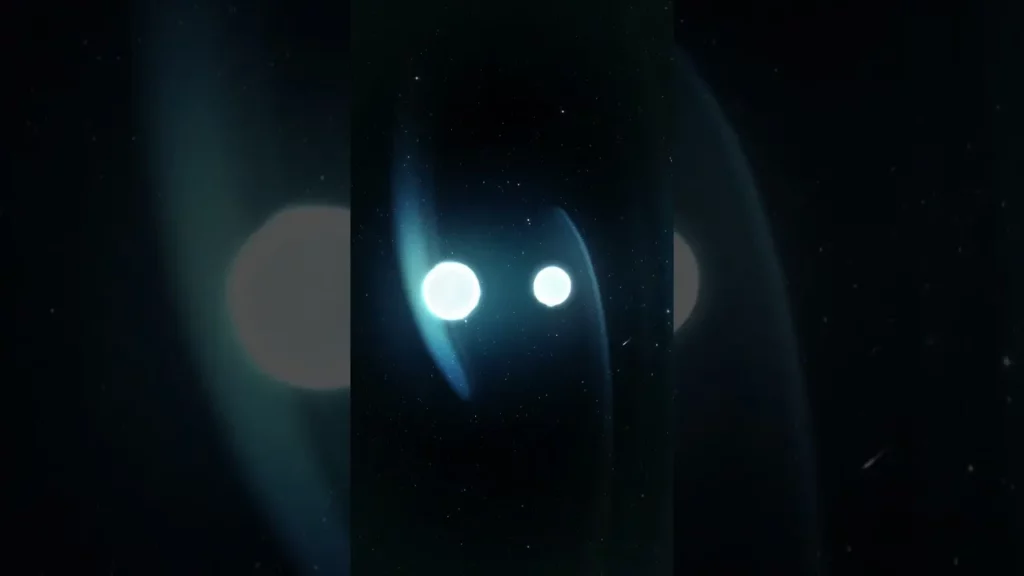
The lesson discusses a groundbreaking study proposing a new method to detect dark matter using gravitational wave technology. Dark matter, which constitutes a significant portion of the universe’s mass but remains invisible, may produce detectable oscillations in space-time through ultra-light particles. If successful, this innovative approach could enhance our understanding of dark matter and its role in the cosmos, potentially transforming the fields of astronomy and physics.
Water Found on an Asteroid For The 1st Time Ever #asteroid #space #science
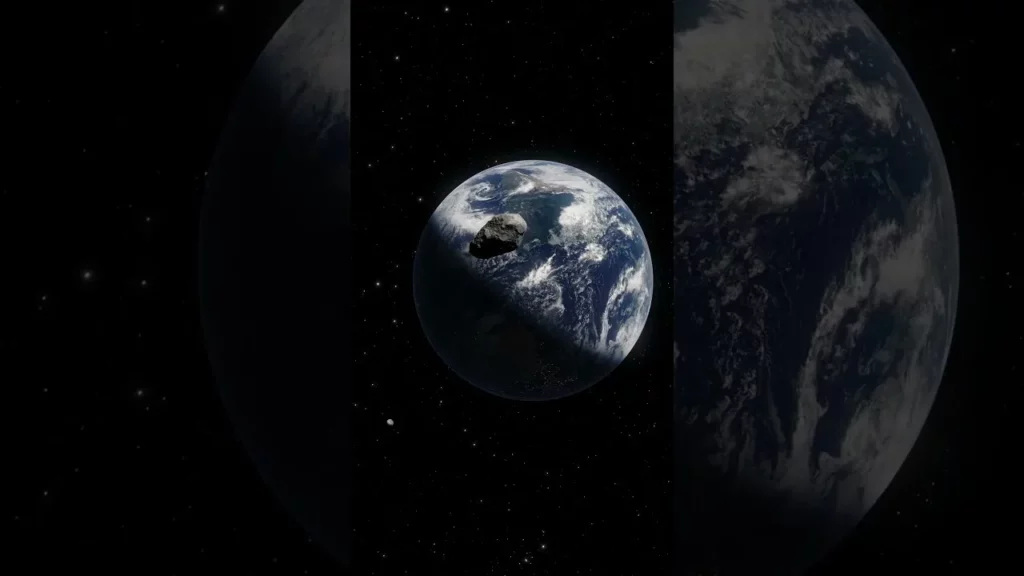
Scientists have made a groundbreaking discovery by finding water molecules on the surface of asteroids for the first time, specifically on asteroids Iris and Masalia. This finding challenges previous beliefs about the rarity of water in the inner solar system and suggests that asteroids could be significant sources of water, potentially supporting life and aiding future space missions. Overall, this discovery enhances our understanding of water distribution in space and its implications for life beyond Earth.