
Intelligent Life on Other Planets
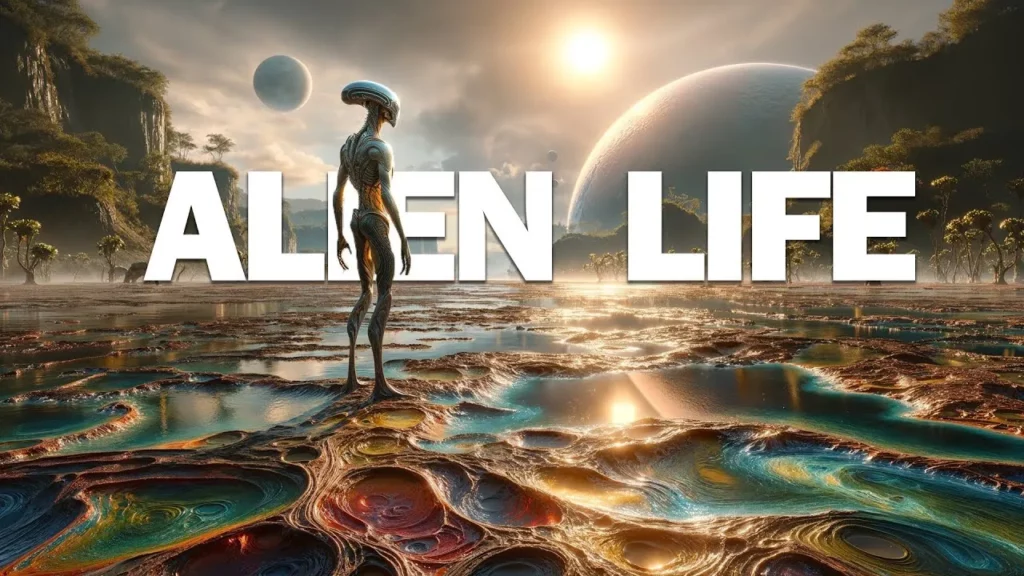
The lesson explores the intriguing possibility of intelligent life beyond Earth, delving into the Fermi Paradox, which questions why we haven’t found evidence of extraterrestrial civilizations despite their probable existence. It discusses the search for life within our solar system, particularly on Mars and Europa, and examines the challenges of interstellar travel, highlighting advanced propulsion concepts and promising exoplanets like Proxima Centauri b and TRAPPIST-1e that may harbor life. The lesson emphasizes the need for technological advancements to overcome the vast distances of space and the potential for future exploration.
SETI Searches for Alien Signals Synched With Supernova 1987A #space #aliens #universe
SETI researchers are adopting a novel strategy to search for extraterrestrial signals by synchronizing their efforts with significant cosmic events, such as Supernova 1987A. This approach aims to enhance the likelihood of detecting “techno-signatures” from advanced civilizations, as these powerful astronomical phenomena could serve as ideal markers for intentional communications. By leveraging the universe’s own events, SETI hopes to conduct more targeted searches and potentially uncover evidence of life beyond Earth.
Hubble Space Telescope Data of 12 Mingling Galaxies #hubble #astronomy #universe
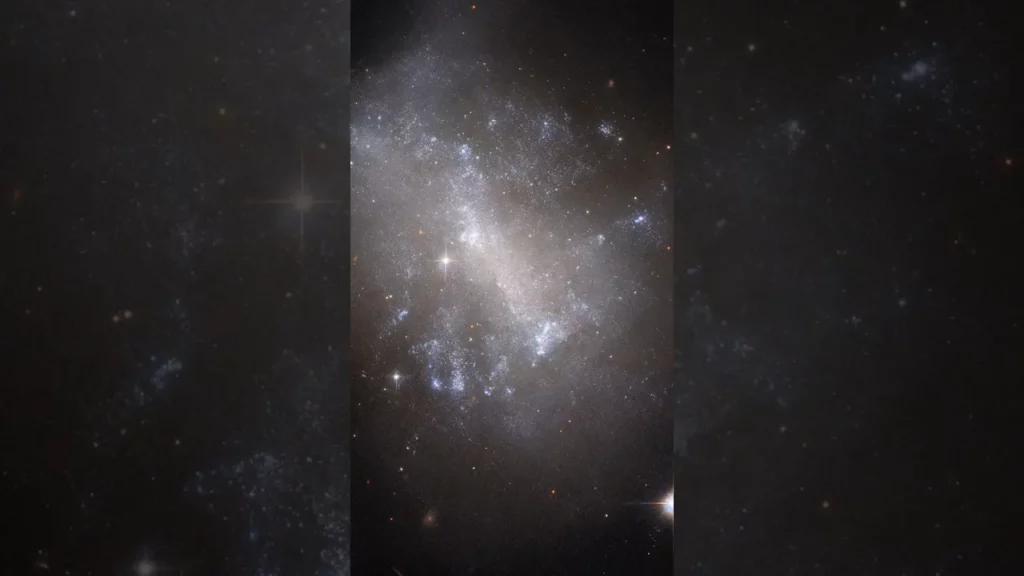
The Hubble Space Telescope has provided stunning images of 12 galaxies merging, showcasing the creation of long, star-filled tails that serve as cosmic highways for new star formation. Within these tails, numerous young star clusters shine brightly, highlighting the dynamic process of galaxy collisions that leads to the birth of new stars. This research enhances our understanding of the universe’s evolution and the ongoing cosmic phenomena that shape it.
NASA’s New UVEX Mission Will Explore The UV Universe #nasa #astronomy #universe
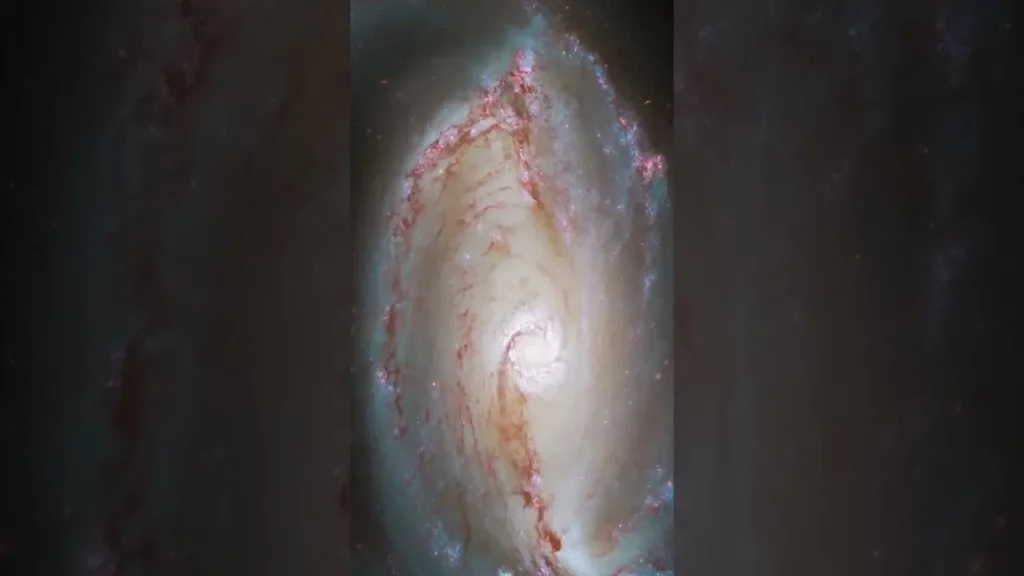
NASA’s upcoming Ultraviolet Explorer (UVEX) mission, set to launch in 2030, aims to enhance our understanding of the universe by studying celestial phenomena in ultraviolet light. Equipped with a powerful ultraviolet spectrograph, UVEX will observe rapid and faint cosmic events, such as neutron star mergers and supernovae, revealing insights into the life cycles of stars and galaxies. This mission promises to uncover new information about the universe’s dynamics, potentially leading to groundbreaking discoveries in astrophysics.
Has The Future Already Happened?

The lesson explores the complex nature of time and its implications on our understanding of the universe, drawing on Einstein’s theory of relativity and the concept of a block universe where past, present, and future coexist simultaneously. It raises philosophical questions about free will versus determinism, suggesting that if the future is predetermined, our choices may be scripted by the laws of physics. Additionally, the lesson highlights ongoing scientific inquiries into the nature of time, including quantum mechanics and emerging theories that challenge traditional views, inviting deeper contemplation about existence and the universe’s mysteries.
2 Dwarf Planets May Harbor Underground Oceans #planets #astronomy #universe
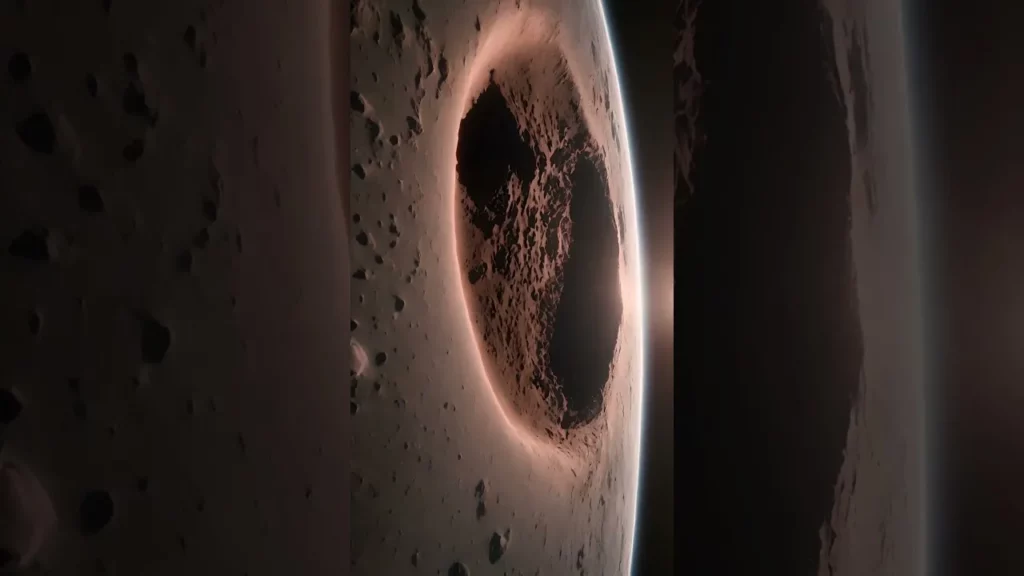
Recent findings from the James Webb Space Telescope suggest that two distant dwarf planets may harbor underground oceans beneath their icy surfaces, challenging the notion that these celestial bodies are cold and lifeless. The presence of unique methane indicates possible geothermal activity, which could keep water in a liquid state, prompting scientists to reconsider the potential for habitability in other regions of the solar system. This discovery not only enhances our understanding of these dwarf planets but also raises intriguing questions about the existence of similar environments elsewhere in the universe.
Our Universe is Merging With Baby Universes #multiverse #space #universe
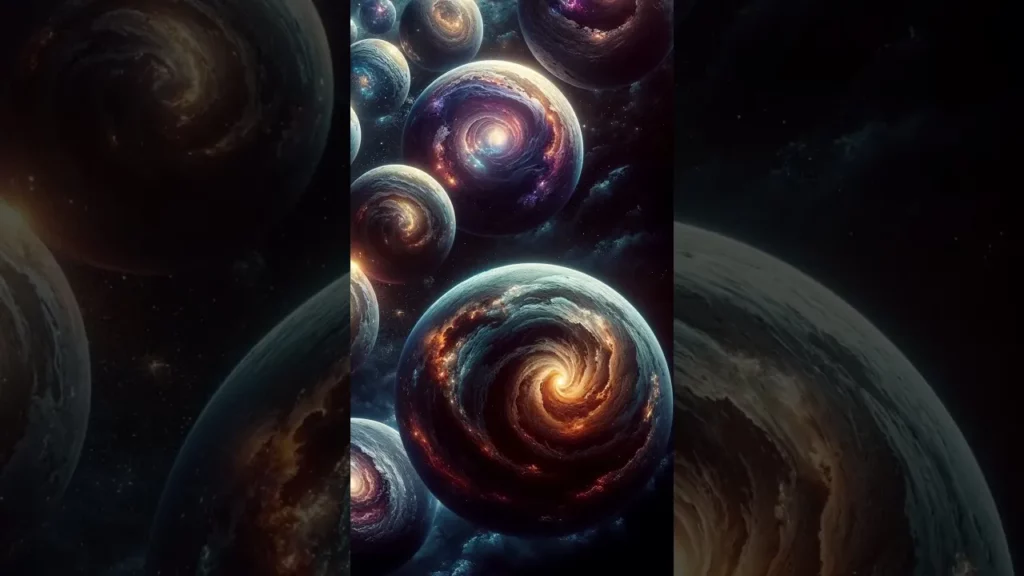
In a groundbreaking study, scientists propose that the rapid expansion of our universe may be attributed to its merging with smaller “baby” universes, challenging the traditional view that dark energy is the main driver of this phenomenon. This theory not only simplifies the explanation for cosmic expansion but also reinterprets the early universe’s inflation, suggesting it could have resulted from our universe being engulfed by a larger one. As upcoming missions like the Euclid and James Webb telescopes gather more data, this innovative perspective could significantly reshape our understanding of the cosmos and the role of dark energy.
JWST Finds Extremely Red Supermassive Black Hole #jwst #astronomy #universe
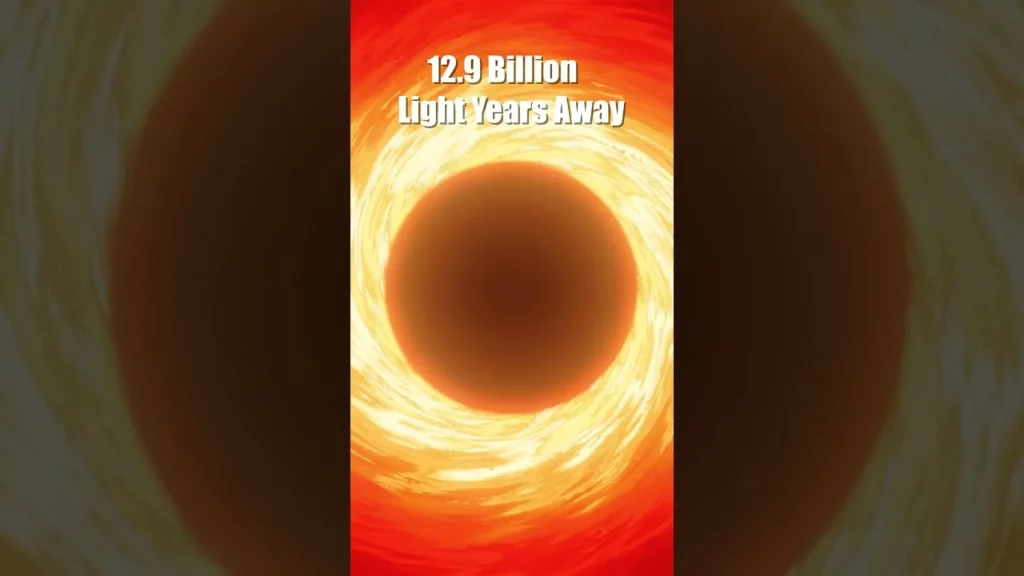
The James Webb Space Telescope (JWST) has discovered an extremely red supermassive black hole, 40 million times the mass of the Sun, illuminating a quasar from just 700 million years after the Big Bang. This red-shifted light indicates the black hole is surrounded by a dense cloud of gas and dust, and its brightness, enhanced by a galaxy cluster acting as a cosmic lens, offers insights into the formation and evolution of supermassive black holes in the early universe. This finding not only deepens our understanding of cosmic history but also challenges existing theories about how such massive structures could develop so rapidly after the universe’s inception.
The Problem With Interstellar Travel

The lesson on “The Problem With Interstellar Travel” explores the significant challenges and ethical considerations associated with traveling between stars, as illustrated by the movie *Interstellar*. It highlights the vast distances involved, the limitations of current technology, and the potential need for breakthroughs in propulsion and energy generation to make such journeys feasible. Additionally, it raises questions about the implications of generation starships and reflects on the Fermi Paradox, emphasizing that while the dream of interstellar exploration inspires humanity, it remains a distant aspiration.
Trappist-1e is Destroying Its Own Atmosphere #space #exoplanets #universe
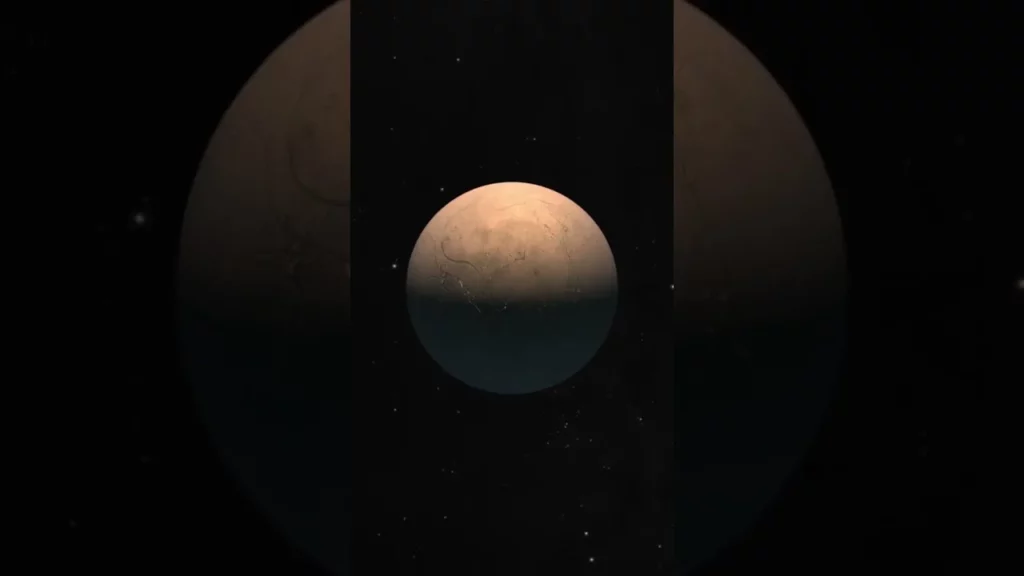
The lesson on TRAPPIST-1e highlights the planet’s potential for supporting life, given its location in the habitable zone of a red dwarf star. However, it faces significant atmospheric challenges, including intense electric currents and voltage-driven Joule heating, which threaten to strip away its atmosphere and hinder the conditions necessary for life. This case study emphasizes the complexities of exoplanet habitability and the need for comprehensive understanding when searching for life-supporting environments beyond our solar system.