
Zombie Star Eating Its Own Planets #space #science #universe
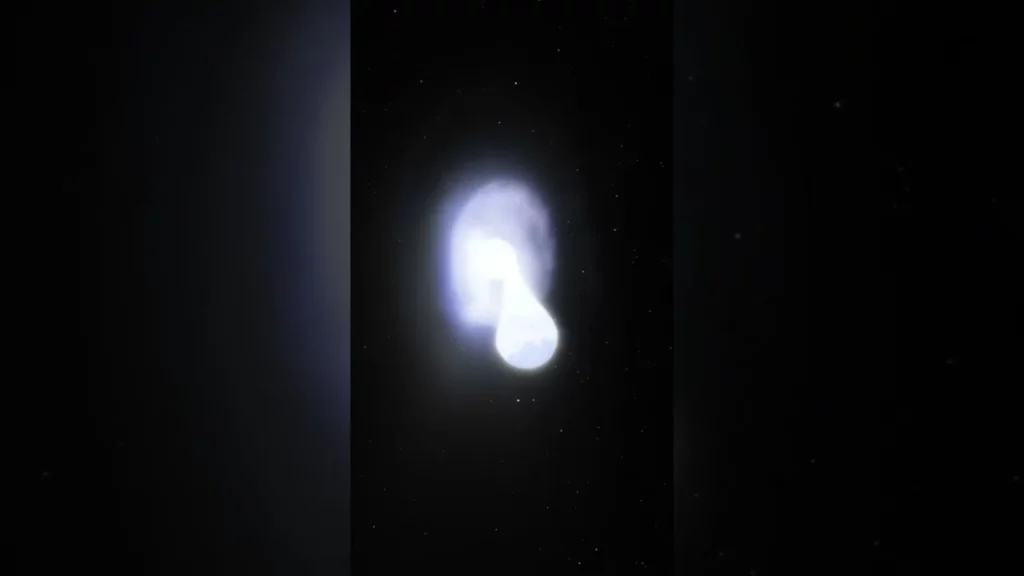
Astronomers have discovered a white dwarf star that appears to be consuming its own planets, a phenomenon observed for the first time using the Very Large Telescope in Chile. This finding reveals that even after a star’s death, its planetary system can remain active, as evidenced by a metallic scar on the star’s surface indicating the presence of planetary material. This challenges previous understandings of stellar evolution and suggests that the interactions between stars and their planets can continue long after the stars have exhausted their nuclear fuel.
JWST Finds The Very First Stars Ever Formed #jwst #astronomy #universe
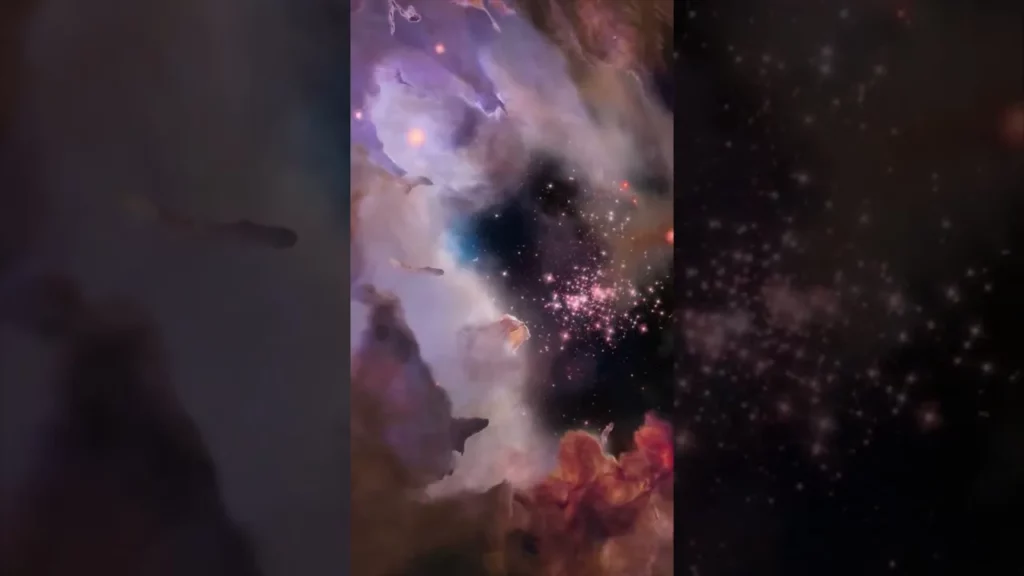
The James Webb Space Telescope (JWST) has potentially identified the universe’s first stars in the distant galaxy GNZ11, observed just 430 million years after the Big Bang. This groundbreaking discovery includes evidence of Population III stars, composed solely of hydrogen and helium, and a rapidly consuming supermassive black hole at the galaxy’s center, providing insights into the early universe’s conditions and the formation of celestial bodies. These findings enhance our understanding of cosmic evolution and the origins of galaxies, stars, and planets.
What if Hostile Aliens Find Voyagers’ Golden Records?

The lesson explores the implications of sending the Golden Records aboard the Voyager probes as a message to potential extraterrestrial civilizations. While intended as a peaceful outreach showcasing Earth’s diversity, the initiative raises concerns about attracting hostile aliens, as highlighted by the Dark Forest hypothesis, which suggests that silence may be a safer strategy in the cosmos. The discussion emphasizes the balance between humanity’s curiosity and the potential risks of revealing our existence to advanced civilizations.
How Do Some Black Holes Get so Big? #jwst #astronomy #universe
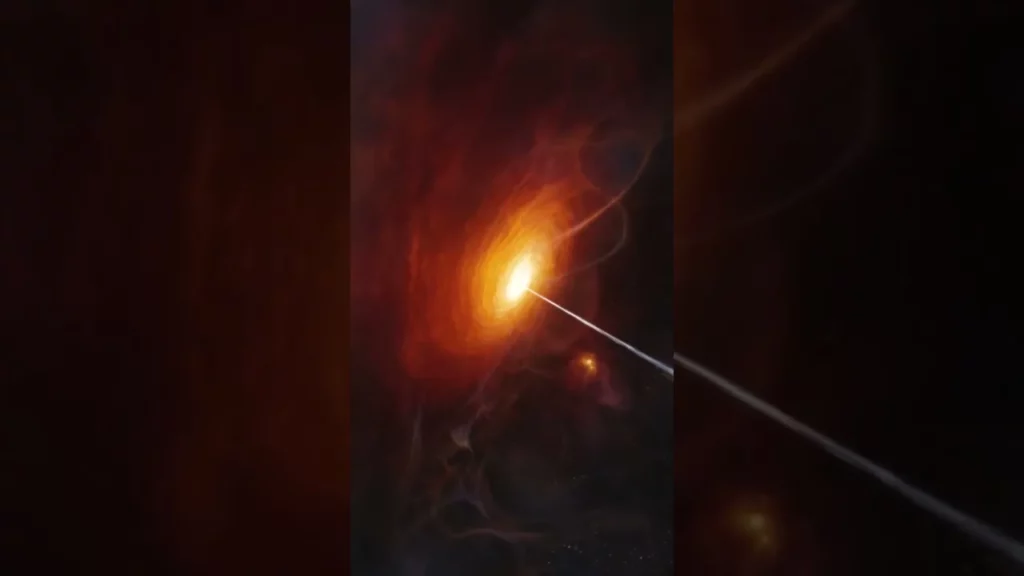
The lesson explores the fascinating world of supermassive black holes, particularly focusing on medium-sized quasars, which may represent a crucial stage in their growth. These quasars, observed as bright cosmic objects, could help scientists understand how some black holes achieve immense sizes rapidly, shedding light on their role in galaxy evolution and the broader universe. As technology advances, ongoing research promises to deepen our understanding of these enigmatic phenomena and their impact on cosmic structures.
Planet Formation Images From The Very Large Telescope #spacescience #astronomy #universe
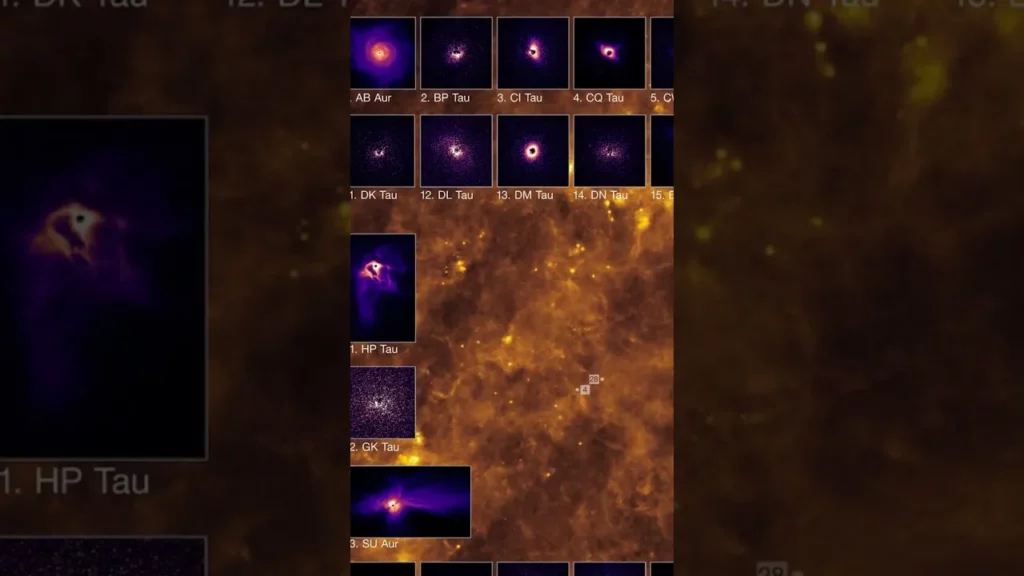
The Very Large Telescope in Chile has captured significant images that enhance our understanding of planet formation around young stars, revealing intricate discs of glowing matter where planets are born. This extensive collection of images marks a pivotal advancement in astronomy, allowing scientists to study diverse environments within our galaxy and paving the way for future discoveries with even more advanced telescopes. Ultimately, this research deepens our knowledge of the universe and inspires ongoing exploration in space science.
JWST Double Checks Hubble’s Work #jwst #hubble #universe
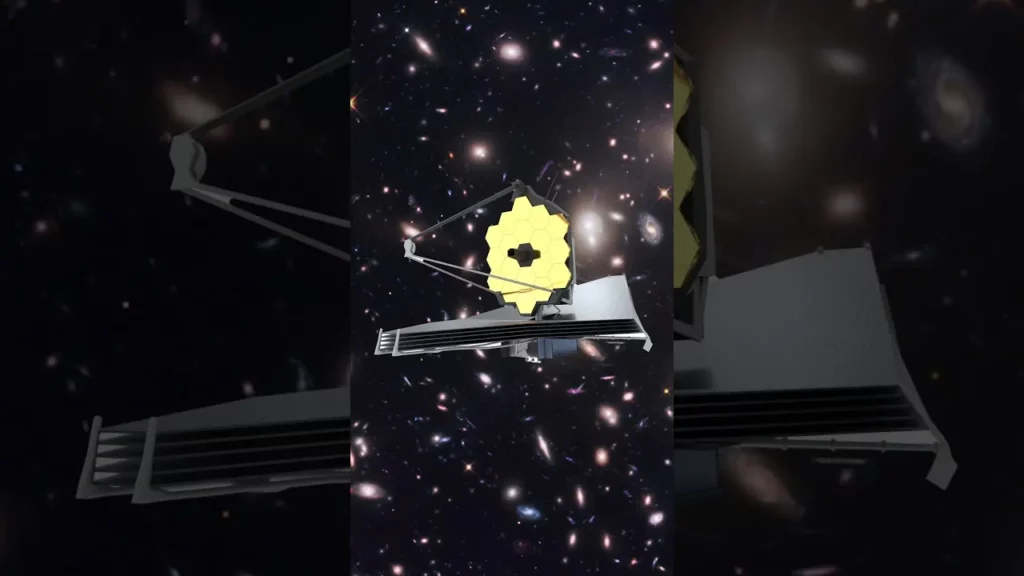
The James Webb Space Telescope (JWST) has validated the Hubble Space Telescope’s findings on the universe’s expansion rate, confirming a faster rate of 73.2 kilometers per second per megaparsec through advanced observations of Cepheid variable stars. This confirmation highlights the ongoing “Hubble tension,” a discrepancy between two methods of measuring expansion, suggesting that our understanding of the universe may be incomplete and prompting scientists to explore new theories related to dark energy and dark matter. The JWST’s role in this investigation not only reinforces Hubble’s measurements but also opens the door to potential groundbreaking discoveries in cosmology.
Can You Survive Nuclear Winter?
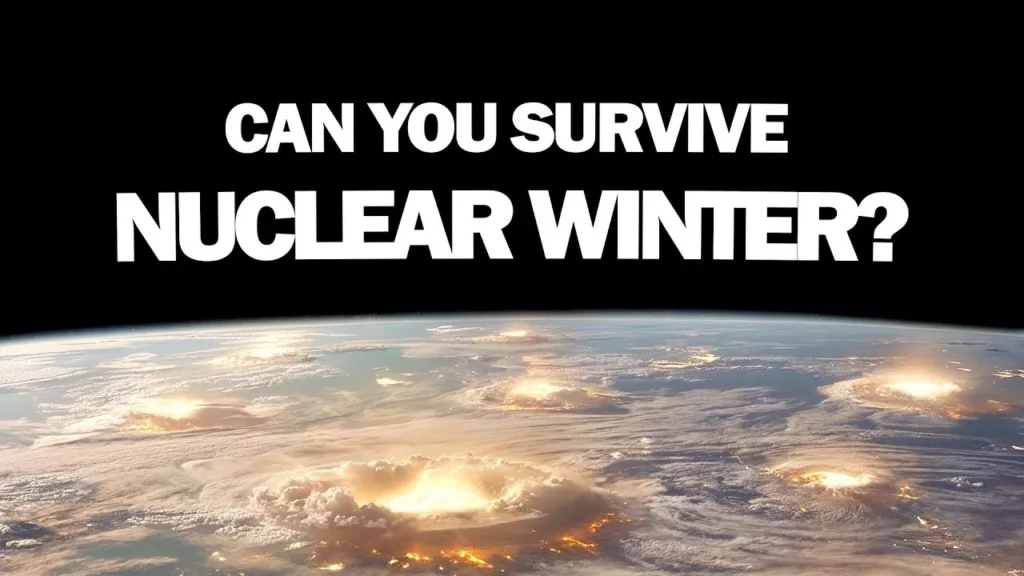
The lesson explores the historical context of catastrophic events like the Toba super-eruption and their impact on human survival, drawing parallels to the potential consequences of a nuclear conflict today. It highlights the extensive nuclear arsenals of countries like the U.S. and Russia, the devastating effects of nuclear weapons, and the possibility of a nuclear winter that could threaten agriculture and human health. Ultimately, the lesson emphasizes the importance of preparedness, responsible action, and the need for humanity to learn from past disasters to prevent self-inflicted crises.
What is The Smallest Known Planet? #space #astronomy #universe
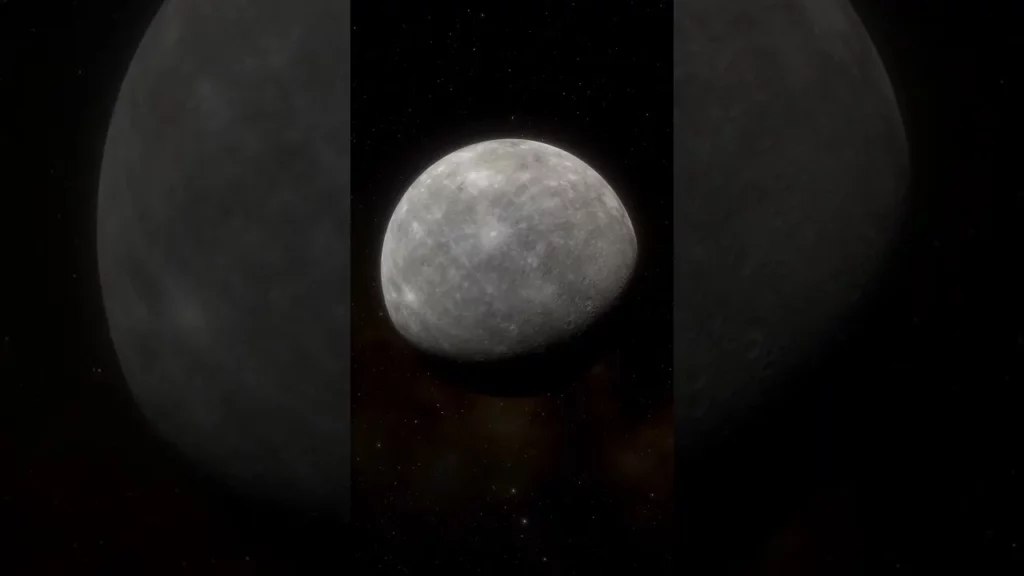
The lesson introduces Kepler-37b, the smallest known planet, discovered in 2013 using the Kepler space telescope and the transit method. Located 209 light-years away, Kepler-37b is smaller than Mercury and has a rocky surface with no atmosphere, making it unlikely to support life. The discovery of such a small planet highlights the diversity of planetary types in the universe and encourages further exploration for even smaller worlds.
Sneaky Sunspot Triggers Radio Blackouts #solarflare #sun #space
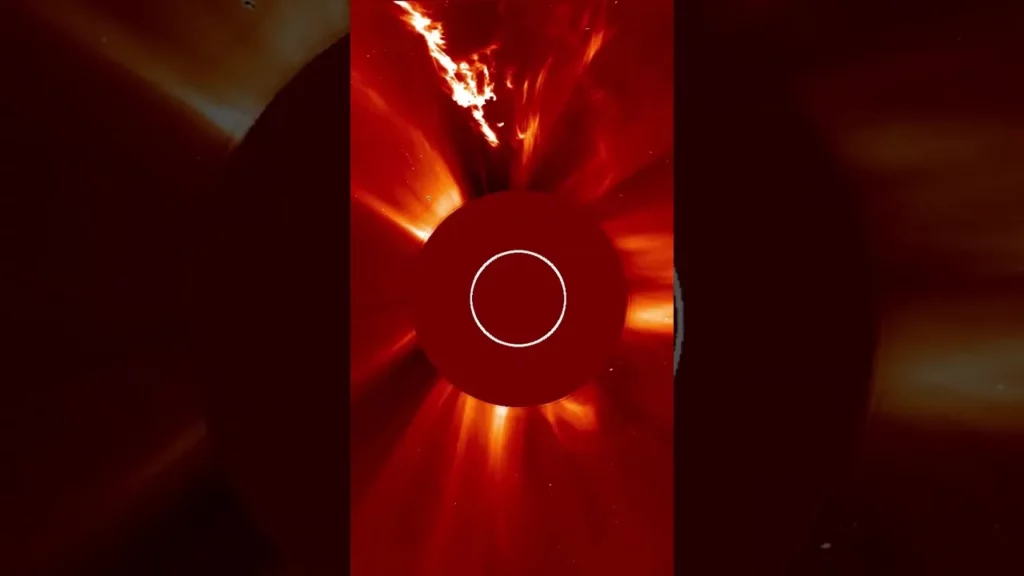
The lesson discusses the recent solar flare from sunspot AR3599, which released an M7.4 flare and caused radio blackouts in parts of Africa and the South Atlantic. It explains the nature of solar flares and coronal mass ejections (CMEs), highlighting their potential effects on Earth, such as disrupting communication systems and possibly leading to geomagnetic storms that can create beautiful auroras. Understanding these solar phenomena is crucial for predicting their impact on technology and the environment.
What is Emergent Gravity? #space #gravity #universe
Emergent gravity challenges the traditional view of gravity as a fundamental force, proposing instead that it arises from microscopic interactions similar to thermodynamic processes. This concept offers a potential alternative to dark matter, suggesting that the effects attributed to dark matter may actually stem from the behavior of space itself in low-density regions. While the theory faces challenges and remains unproven, ongoing research aims to test its validity, potentially reshaping our understanding of gravity and the universe.