
The Simulation Hypothesis Explained by Nick Bostrom
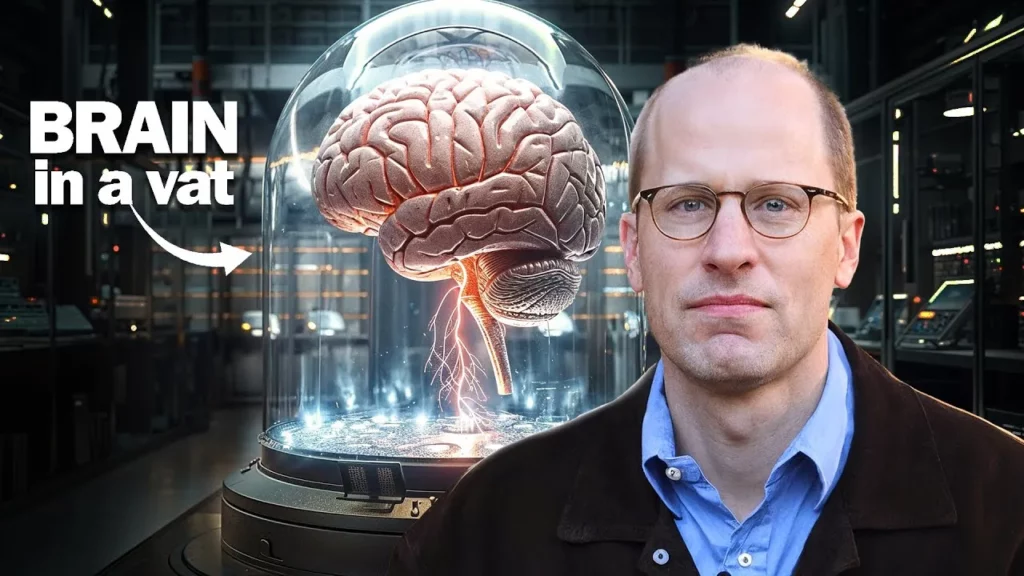
In this lesson, Nick Bostrom explores the Simulation Hypothesis, which posits that our perceived reality may be an artificial simulation created by a more advanced civilization. He discusses how advancements in technology and virtual reality blur the lines between the real and the digital, suggesting that if civilizations can create realistic simulations, it becomes statistically probable that we are living in one. Bostrom presents three possibilities regarding our reality and highlights the profound implications of discovering that we exist within a simulation, particularly concerning consciousness and free will.
JWST is Digging Deep Into The Mysteries of Gas Planets #space #jwst #universe
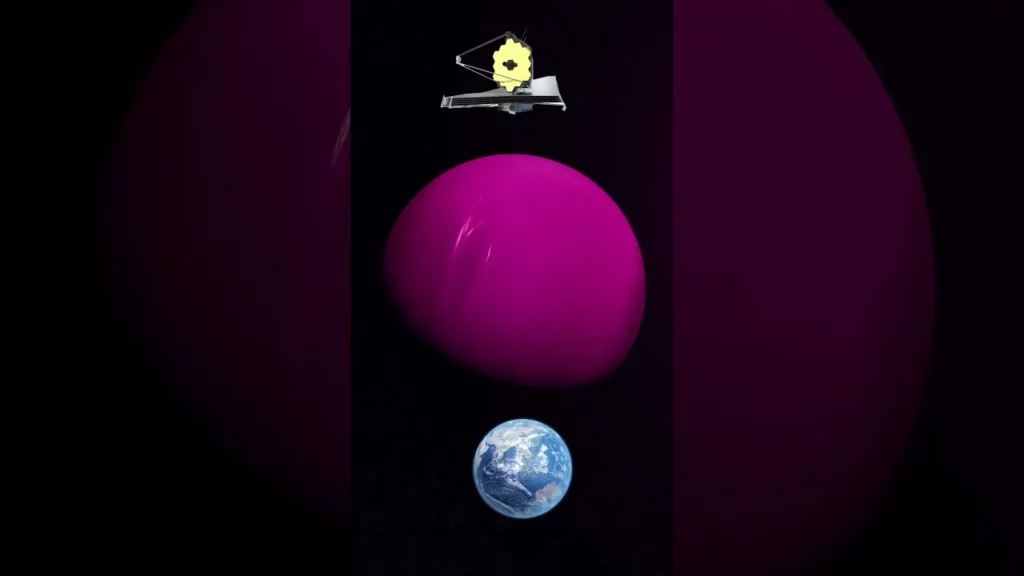
The James Webb Space Telescope (JWST) is revolutionizing our understanding of gas giants, massive planets primarily composed of hydrogen and helium, by utilizing advanced infrared technology to study their complex atmospheres and formation processes. By examining protoplanetary disks, which are believed to be the birthplaces of these planets, the JWST is uncovering vital insights into planetary formation and the conditions that may support life in the universe. This groundbreaking research not only enhances our knowledge of our solar system but also opens new avenues for exploration beyond it.
Mysterious ‘Unparticles’ May be Pushing The Universe Apart #space #physics #universe
The lesson discusses the intriguing concept of “unparticles,” a novel form of matter that may explain the accelerated expansion of the universe and the mystery of dark energy. Unlike traditional particles, unparticles lack definite mass or momentum and behave more like a fluid, potentially offering a better fit for observational data compared to the cosmological constant. While empirical evidence is still needed to confirm their existence, the exploration of unparticles could significantly enhance our understanding of the universe’s evolution.
4.5 Million Times Faster Internet? Aston University Makes it Possible
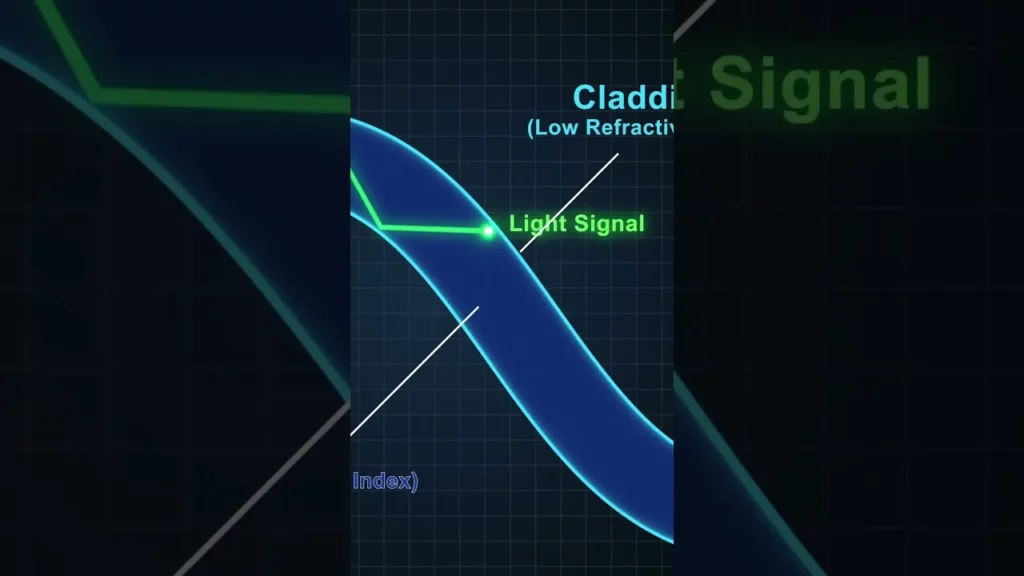
Aston University has achieved a groundbreaking internet speed of 301 terabits per second, which is 4.5 million times faster than average broadband, enabling the possibility of downloading an entire movie database in just one minute. This innovation utilizes standard optical fiber and a new device that unlocks unused wavelength bands, significantly increasing data capacity without the need for new infrastructure. The implications of this advancement promise to revolutionize global internet services, offering faster, more efficient, and eco-friendly connectivity for the future.
How Big Is Our Galaxy?
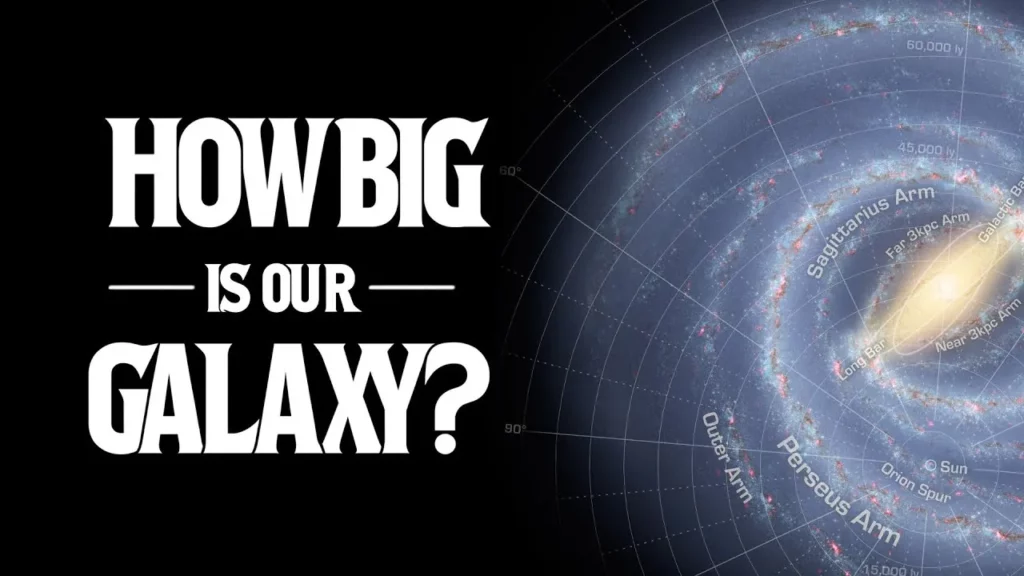
This lesson explores the immense scale of the Milky Way galaxy by comparing distances within our solar system and beyond. It highlights how seemingly vast distances, such as those to the Moon and Mars, are minuscule when placed in the context of the galaxy, which spans about 100,000 light-years and contains an average distance of 316,205 astronomical units between stars. Ultimately, the lesson emphasizes that our galaxy is just one of approximately 2 trillion galaxies in the universe, underscoring the vastness and complexity of the cosmos.
Supermassive Black hole Mysterious Hiccups
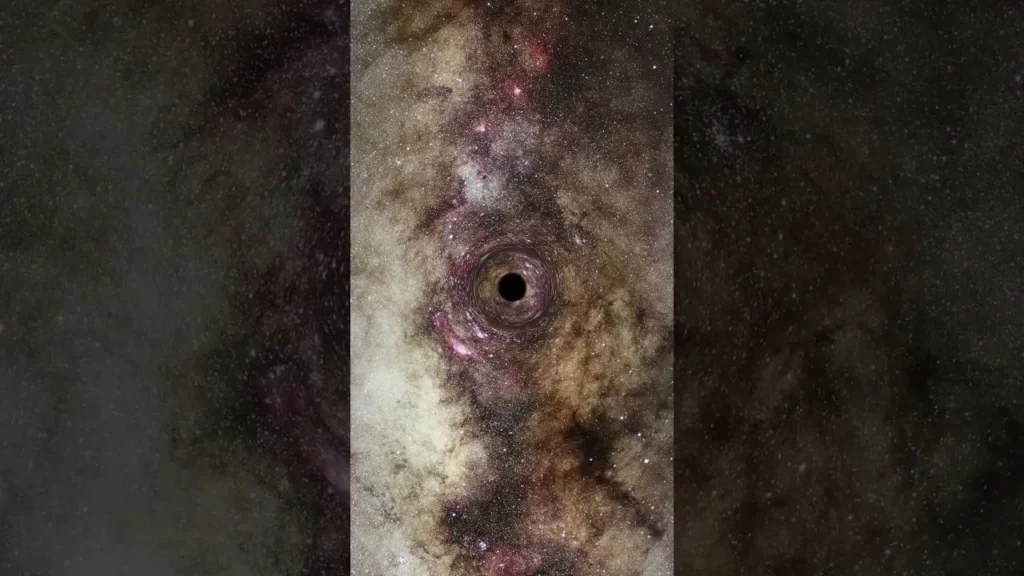
Recent observations have revealed that a supermassive black hole, with a mass equivalent to 50 million Suns, exhibits unusual “hiccupping” behavior, likely influenced by a smaller black hole 800 million light-years away. This phenomenon, caused by the smaller black hole interacting with the larger one’s gas and dust disc, challenges current understandings of black hole environments and suggests they may be more complex than previously thought. The findings, made possible through advanced telescopes and X-ray observatories, open new avenues for research into black hole dynamics and their role in galaxy formation and evolution.
‘Vampire’ Neutron Star Jets Traveling at Near-light Speeds
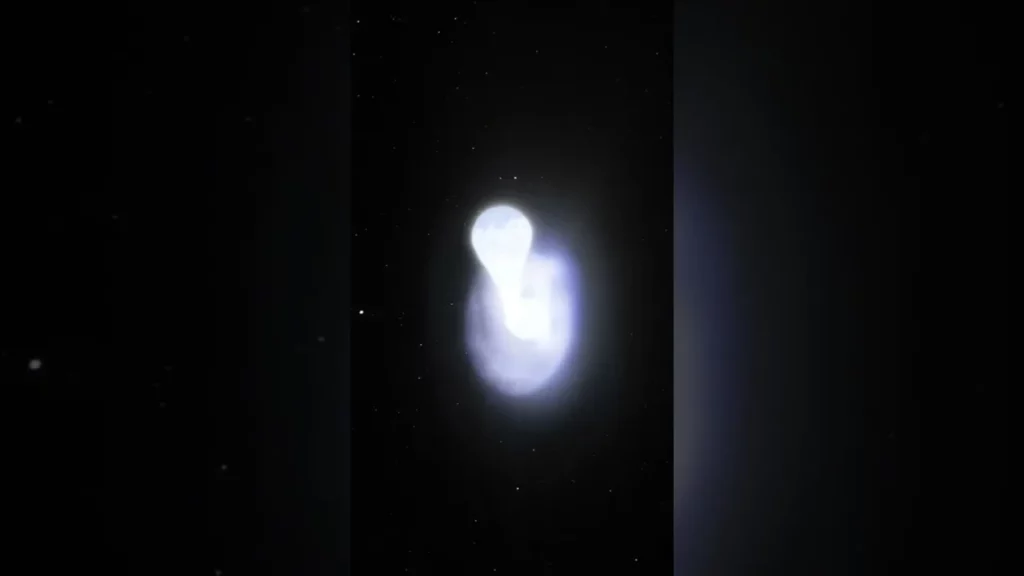
The lesson explores neutron stars, which are incredibly dense remnants of supernovae that can draw material from companion stars, leading to dramatic cosmic events. As this material accumulates, it triggers powerful explosions that propel jets of particles at near-light speeds, providing insights into both neutron stars and the mechanisms at work in supermassive black holes. This research enhances our understanding of the universe and highlights the interconnected nature of cosmic phenomena.
What is The Three Body Problem?
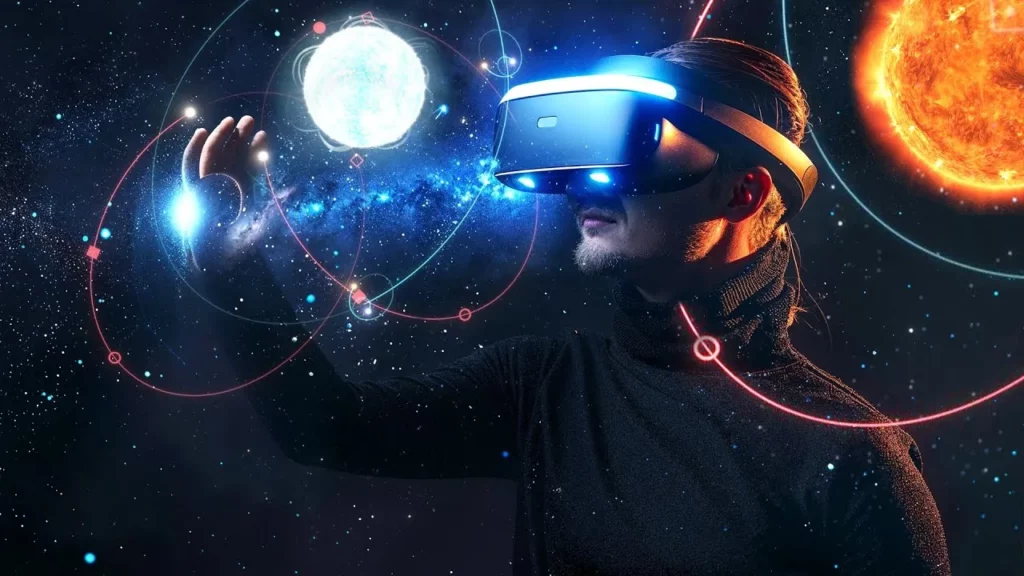
The lesson on the Three Body Problem explores the complexities of celestial mechanics involving three gravitationally interacting bodies, highlighting its historical roots in Newton’s laws and its implications for understanding stability in multi-star systems. It discusses the challenges of predicting orbital behaviors, the significance of Lagrange points in space exploration, and the problem’s cultural impact, particularly through popular media like a Netflix series. Ultimately, the Three Body Problem symbolizes humanity’s quest for knowledge and order amidst the chaos of the universe.
Life on Enceladus? ESA Aims to Find Out
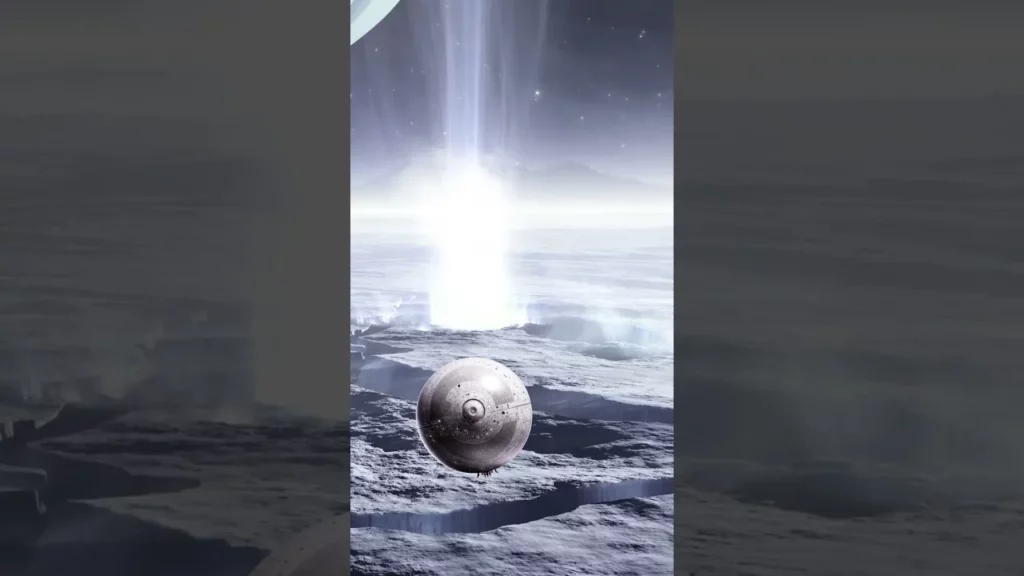
The European Space Agency (ESA) is embarking on a mission to explore Enceladus, one of Saturn’s moons, due to its potential subsurface ocean and the discovery of water vapor plumes by the Cassini spacecraft. The mission aims to send an orbiter and a lander to collect and analyze samples, with hopes of finding signs of life or conditions that could support it. This exploration not only seeks to answer questions about life beyond Earth but also expands our understanding of the universe.
JWST on The Hunt For Newborn Exoplanets
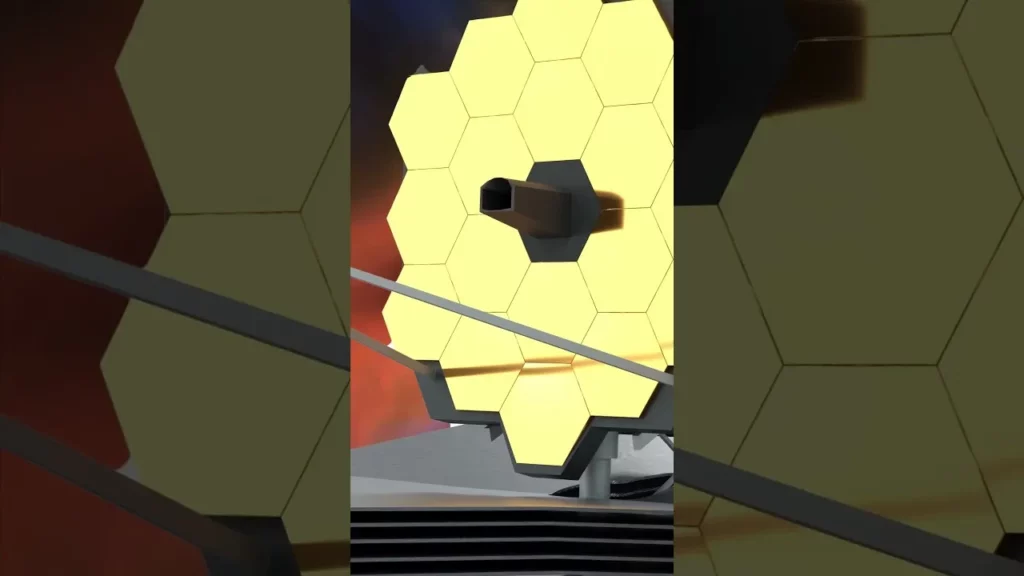
The James Webb Space Telescope (JWST) is revolutionizing the search for newborn exoplanets by observing protoplanetary disks around young stars, where planets are formed from gas and dust. Its advanced infrared technology allows it to penetrate dense clouds and detect the heat emitted by forming planets, leading to groundbreaking discoveries that challenge existing predictions. Collaborative efforts with other telescopes, like Hubble and ALMA, enhance our understanding of planet formation and pave the way for future research into the diversity of planetary systems and the potential for life beyond Earth.